Veneer: Complete Guide to Types, Thickness & Applications
Complete guide to wood veneer - types, standard thickness (mm), sizes & applications. Learn how to choose the right veneer for your furniture project.
Quick Answer
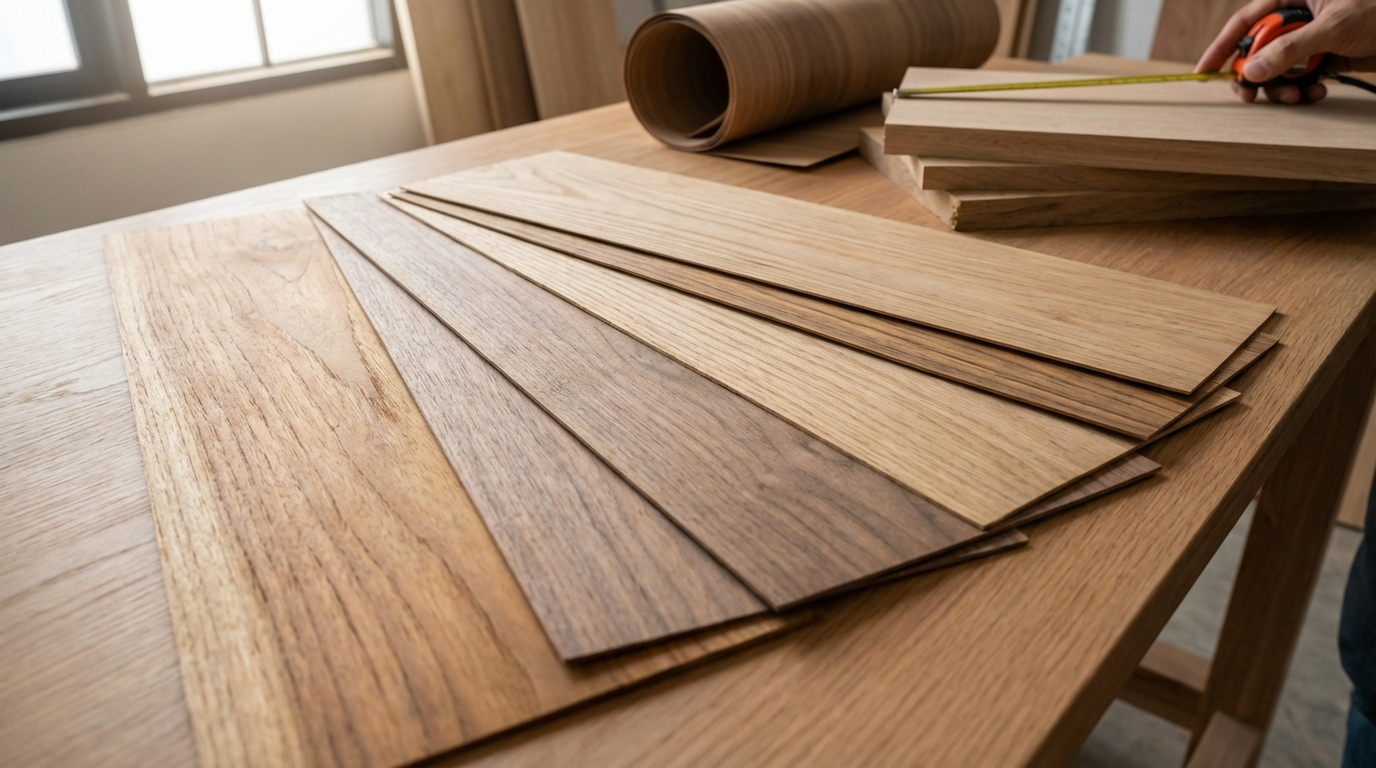
Veneer is a thin slice of natural wood, typically 0.3mm to 3mm thick, bonded to substrates like plywood, MDF, or blockboard to create decorative surfaces. In the Indian market, veneers offer the authentic look and feel of expensive hardwoods at a fraction of solid timber costs, making them popular for premium furniture, doors, and wall panelling applications.
At a Glance
- Standard veneer thickness in India ranges from 0.4mm (decorative) to 3mm (structural)
- Common veneer sheet sizes: 8×4 feet, 7×4 feet, and 7×3 feet available in Indian markets
- Natural veneer is sliced from real timber; reconstituted veneer uses engineered blocks
- Price ranges from ₹25 to ₹400+ per square foot depending on species and grade
- Teak, walnut, oak, and sapele are among the most demanded species in India
- Proper substrate preparation is critical for veneer adhesion success
Understanding Wood Veneer: What It Is and How It Works
Wood veneer represents one of the most elegant solutions in the furniture and interiors industry, allowing designers and homeowners to achieve the beauty of exotic hardwoods without the prohibitive costs or sustainability concerns. At its core, veneer is a paper-thin to moderately thin slice of real wood obtained by peeling or slicing logs using specialized industrial equipment.
The manufacturing process begins with selecting high-quality logs based on species, grain pattern, and figure. These logs are then conditioned through steaming or soaking to soften the wood fibres, making them pliable enough for slicing. The cutting method—whether rotary peeling, flat slicing, quarter cutting, or rift cutting—fundamentally determines the grain pattern and visual character of the finished veneer.
Why Veneer Makes Practical Sense in India
In the Indian context, where solid hardwood prices have risen sharply and quality timber availability remains inconsistent, veneer offers compelling advantages. A single premium log that might yield limited solid timber boards can produce enough veneer to cover surfaces many times larger. This efficiency translates directly to cost savings for consumers.
Indian humidity conditions, particularly in coastal cities like Mumbai, Chennai, and Kolkata, present challenges for solid wood furniture that tends to warp and crack with moisture fluctuations. Properly applied veneer on stable substrates like marine plywood or moisture-resistant MDF performs significantly better under these conditions. The substrate provides dimensional stability while the veneer delivers the authentic wood aesthetic.
For modular kitchen installations and CNC-machined furniture components that have become standard in urban India, veneer-faced panels offer the precision cutting capability that solid wood cannot match. Edge-banding technology allows clean, consistent finishing on veneer surfaces, something that's become essential for contemporary furniture design.
Types of Veneer: Natural, Reconstituted, and Specialty Variants
Understanding veneer types helps buyers make informed decisions based on their specific requirements, budget constraints, and aesthetic preferences. The Indian market offers distinct categories, each with unique characteristics and applications.
Natural (Raw) Veneer
Natural veneer is sliced directly from timber logs, preserving the authentic grain patterns, colour variations, and natural character of the wood species. Each sheet is unique, with no two pieces being identical—a quality prized in high-end furniture and interior applications. In India, popular natural veneer species include teak, rosewood (where legally sourced), walnut, oak, ash, and sapele.
Raw natural veneer requires skilled handling as it can be brittle and prone to cracking. It typically comes in bundles called flitches, where consecutive slices maintain grain continuity for book-matching and other pattern-creation techniques. Most natural veneers range from 0.5mm to 1mm in thickness.
Reconstituted (Engineered) Veneer
Reconstituted veneer addresses the inconsistency and limited availability of certain wood species by creating uniform, predictable patterns from fast-growing plantation timber. The manufacturing process involves slicing softwood veneer, dyeing it to desired colours, stacking the sheets, and re-slicing to create grain patterns that mimic exotic species.
This type has gained significant traction in India's furniture industry due to its consistency, availability in larger sheet sizes, and lower price point compared to genuine exotic species. It's particularly popular for commercial projects and volume production where uniformity matters.
Backed and Laminated Veneer
For ease of handling and application, many veneers come pre-backed with paper, fabric, phenolic resin, or thin wood layers. Backed veneers resist cracking, lay flat during installation, and prove more forgiving for less experienced craftsmen—a practical consideration in India where carpenter skill levels vary significantly.
Figured and Specialty Veneers
Burl, crotch, quilted, and bird's-eye veneers represent premium categories featuring distinctive grain patterns caused by unusual growth conditions. These command significantly higher prices and are typically reserved for accent panels, high-end furniture faces, and luxury interiors. In India, these specialty veneers are primarily sourced through import and remain niche products.
Standard Veneer Thickness and Sizes in the Indian Market
Veneer specifications in India follow both international standards and local trade conventions. Understanding these helps buyers communicate requirements accurately with dealers and ensures appropriate product selection for intended applications.
Thickness Specifications
Veneer thickness significantly impacts durability, sandability, and cost. Thicker veneers allow for refinishing and minor sanding repairs, while thinner decorative veneers suit applications where the substrate does most of the structural work.
| Thickness Range | Common Applications | Sandability | Price Tier |
|---|---|---|---|
| 0.3mm – 0.5mm | Paper-backed decorative, edging | Not sandable | Economy |
| 0.5mm – 0.7mm | Standard furniture faces, doors | Light sanding only | Standard |
| 0.8mm – 1.0mm | Premium furniture, architectural panels | Moderate sanding possible | Premium |
| 1.5mm – 2.0mm | Heavy-use surfaces, institutional furniture | Multiple refinishing cycles | High-end |
| 2.5mm – 3.0mm | Structural veneer, flooring underlays | Full sanding capability | Specialty |
Sheet Sizes Available in India
Standard veneer sheet dimensions in Indian markets typically align with plywood and MDF substrate sizes. The 8×4 feet format dominates, though regional variations exist. Natural veneers often come in narrower widths requiring jointing, while reconstituted types are available in wider, more consistent dimensions.
Common sizes include 2440mm × 1220mm (8×4 feet), 2135mm × 1220mm (7×4 feet), and 2135mm × 915mm (7×3 feet). Specialty and imported veneers may arrive in bundles with varying widths based on log diameter and cutting method.
Veneer Cutting Methods and Their Visual Impact
The slicing technique used during veneer production fundamentally determines grain appearance, pattern consistency, and suitability for matching. Understanding these methods helps buyers specify the right visual character for their projects.
Rotary Cutting (Peeling)
The log rotates against a blade, peeling veneer in continuous sheets much like unrolling paper towels. This method yields the highest volume and widest sheets but produces a pronounced, somewhat wild grain pattern. Rotary-cut veneer is commonly used for plywood face veneers and applications where maximum coverage matters more than refined aesthetics.
Flat Slicing (Plain Slicing)
The half-log or flitch moves against a stationary blade, producing slices that reveal cathedral-like grain patterns characteristic of flat-sawn lumber. This is the most common method for decorative furniture veneers in India, offering a familiar wood appearance that appeals to traditional tastes.
Quarter Cutting
Cutting perpendicular to growth rings produces straight, parallel grain lines with distinctive ray fleck patterns in species like oak. Quarter-cut veneers are more dimensionally stable and command premium prices. They're preferred for architectural millwork and high-end residential cabinetry.
Rift Cutting
Used primarily for oak, this method cuts at a slight angle to the radius, minimizing ray fleck while maintaining straight grain. The result is a clean, contemporary appearance popular in modern interior design.
How to Choose the Right Veneer for Your Project
Selecting appropriate veneer involves balancing aesthetic preferences, functional requirements, budget constraints, and practical considerations specific to Indian conditions. A systematic approach prevents costly mistakes and ensures satisfactory outcomes.
Decision Framework: Key Selection Criteria
Start by defining the application environment. Humidity exposure levels differ dramatically between a Mumbai bedroom and a Delhi living room, influencing both species selection and adhesive requirements. High-moisture areas demand stable species and waterproof bonding systems.
Consider the substrate match carefully. Veneer performs best when substrate movement characteristics align with the veneer species. Applying a stable veneer to an unstable substrate, or vice versa, invites delamination and cracking over time.
Evaluate matching requirements. Large installations like wall panels or conference tables require carefully matched sequential leaves from the same flitch. Smaller furniture pieces may use random-matched veneer without visual consequence.
Buyer Checklist
- Confirm species authenticity—ask for certificates or supplier documentation
- Check thickness consistency across the batch using digital calipers
- Inspect for cracks, splits, and excessive brittleness before purchase
- Verify grain direction consistency in pre-matched bundles
- Assess colour uniformity under natural daylight, not showroom lighting
- Request sample pieces for adhesion testing with your chosen substrate
- Confirm return policy for defective or misrepresented material
When NOT to Choose Veneer
Veneer isn't universally appropriate. Avoid veneer for surfaces subject to heavy abrasion, frequent impact, or direct outdoor exposure. Kitchen countertops, children's study tables subject to rough use, and garden furniture are poor candidates regardless of thickness or species.
Also reconsider veneer if your carpenter lacks experience with veneer application techniques. Poor adhesion, visible seams, bubbling, and edge failures are common when untrained hands handle veneering. In such cases, pre-laminated boards or factory-finished panels provide better results.
Veneer Matching Techniques for Professional Results
Matching refers to how veneer leaves are arranged relative to each other when covering surfaces wider than a single sheet. Professional matching creates visual harmony and elevates furniture from ordinary to exceptional.
Book Matching
Adjacent leaves are flipped like book pages, creating a mirrored, symmetrical pattern. This is the most common matching method for furniture faces and doors, offering a balanced, formal appearance that appeals to traditional sensibilities prevalent in Indian home design.
Slip Matching
Consecutive leaves are placed side by side without flipping, maintaining consistent grain direction. This works particularly well with quarter-cut and rift-cut veneers where straight grain benefits from repetition rather than mirroring.
Random Matching
Leaves from different flitches or species are intentionally mismatched to create a casual, varied appearance. While this wastes less material, it requires a designer's eye to avoid chaotic-looking results. Random matching has gained popularity in contemporary Indian interiors seeking departure from conventional aesthetics.
Common Veneer Mistakes to Avoid
Veneering failures in India often trace back to preventable errors during selection, storage, application, or finishing. Learning from these common mistakes saves money, time, and frustration.
Inadequate Substrate Preparation
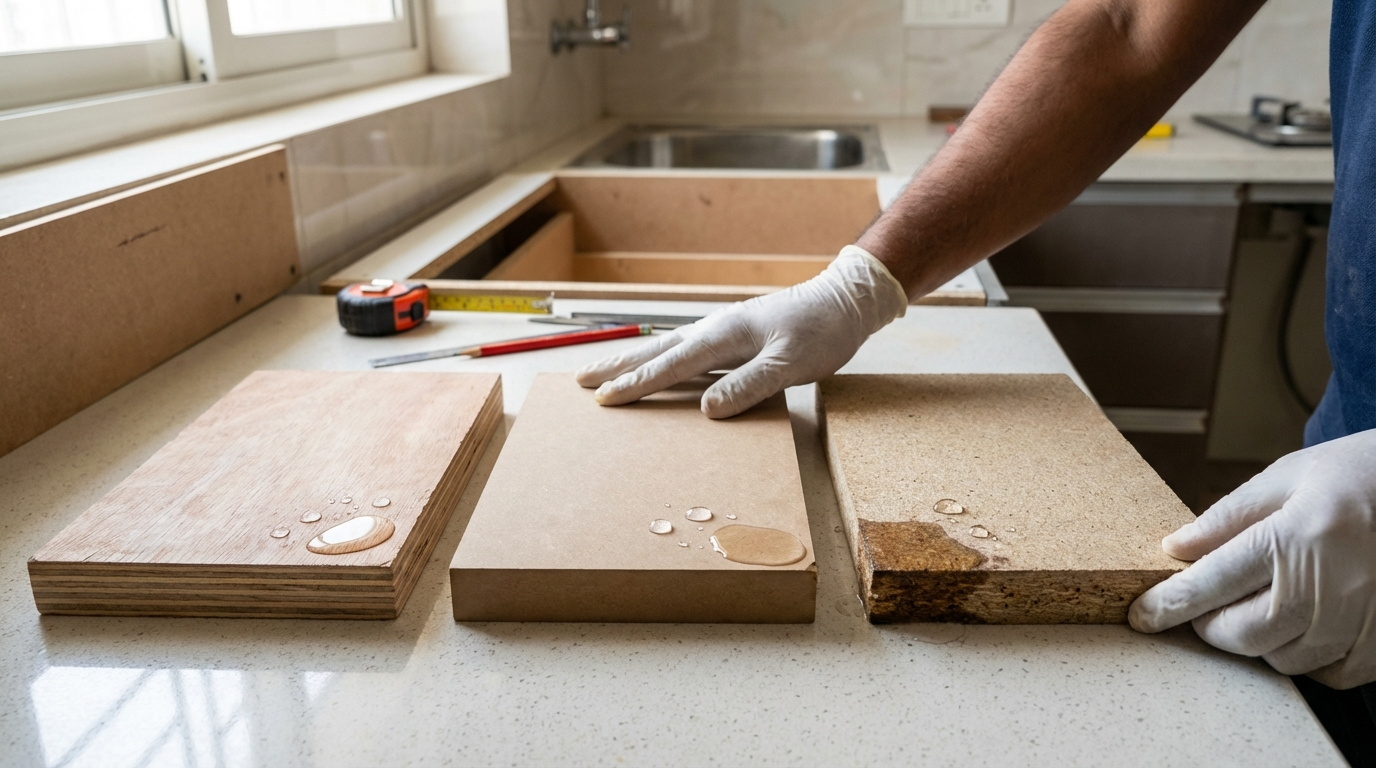
The most frequent failure cause involves applying veneer to improperly prepared surfaces. Substrates must be flat, smooth, clean, and appropriately sized for the adhesive system used. MDF and quality plywood work well; particle board and low-grade blockboard often cause problems.
Ignoring Humidity Considerations
Veneer and substrate should acclimate to the installation environment for at least 48 hours before application. Veneering in air-conditioned workshops then installing in non-AC rooms causes differential expansion and subsequent failures. During monsoon months in humid regions, additional precautions become necessary.
Incorrect Adhesive Selection
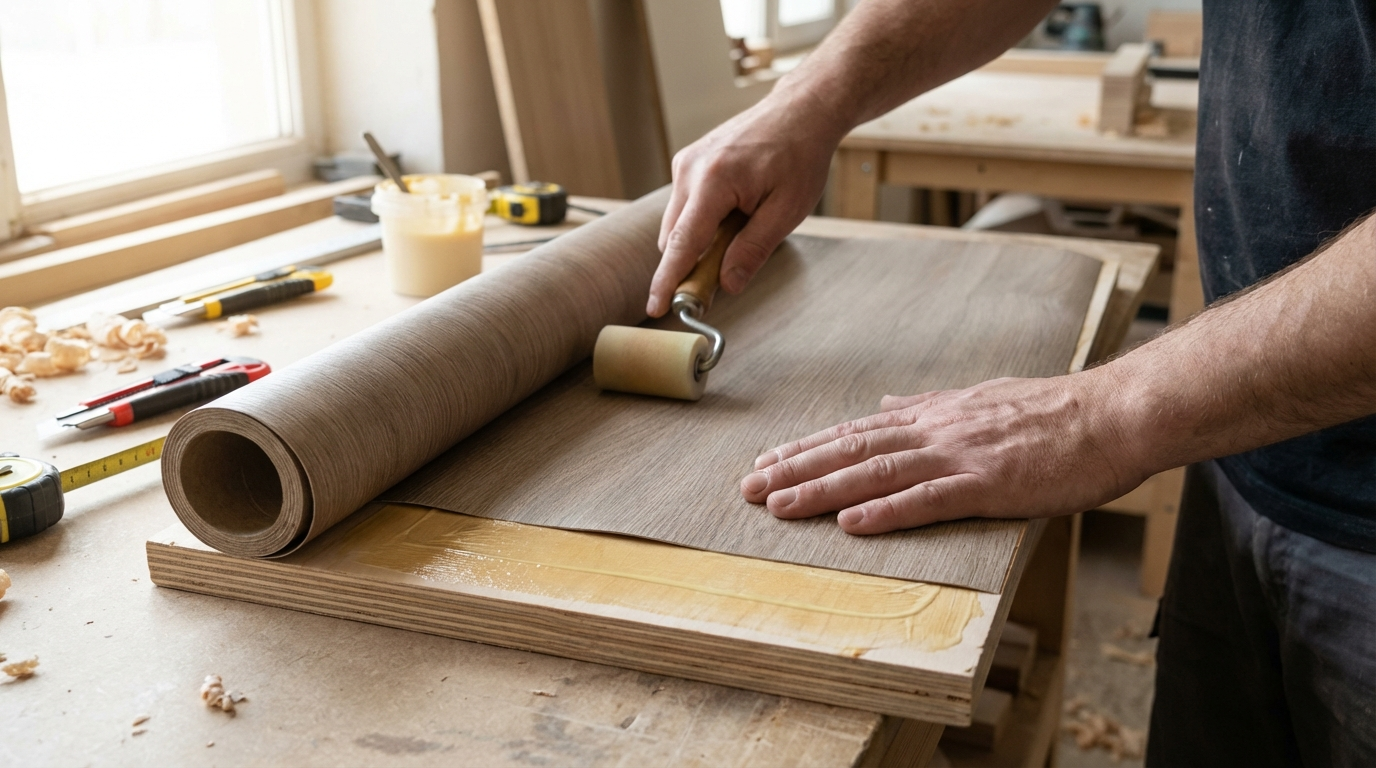
Contact cement, PVA glue, and hot-melt adhesives serve different purposes. Using general-purpose wood glue for veneer rarely succeeds. Proper veneer adhesives, applied correctly with appropriate pressure and curing time, are non-negotiable for lasting results.
Insufficient Pressure During Curing
Veneer adhesion requires uniform pressure across the entire surface during curing. Spot clamping, insufficient weights, or premature pressure release leads to bubbling and weak bonds. Professional shops use vacuum presses or hydraulic systems; home workshops need comprehensive clamping strategies.
Sanding Through the Veneer
Aggressive sanding on thin veneers quickly exposes the substrate, ruining the piece. This common mistake especially afflicts DIY enthusiasts unfamiliar with veneer limitations. Always use fine grits, light pressure, and careful attention to prevent sand-through.
Quick Inspection Checks
- Flex veneer sheets gently—excessive cracking indicates dryness or age
- Hold sheets against light to check for inconsistent thickness or voids
- Run fingers across surface to detect raised grain or roughness requiring additional prep
- Compare colour under multiple light sources—showroom lighting often flatters
Veneer Price Guide for the Indian Market
Veneer pricing in India varies dramatically based on species, thickness, grade, and source. Understanding price drivers helps buyers set realistic budgets and identify value opportunities.
| Veneer Type/Species | Thickness | Price Range (₹/sq ft) | Best For |
|---|---|---|---|
| Reconstituted (standard patterns) | 0.5mm | ₹25 – ₹45 | Commercial furniture, volume work |
| Natural Teak | 0.5mm | ₹80 – ₹150 | Premium furniture, doors |
| American Walnut | 0.6mm | ₹120 – ₹200 | High-end residential, office |
| White Oak | 0.6mm | ₹90 – ₹160 | Contemporary kitchens, panels |
| Sapele/African Mahogany | 0.5mm | ₹70 – ₹120 | Doors, architectural millwork |
| Burl/Figured (imported) | 0.5mm | ₹250 – ₹500+ | Accent panels, luxury furniture |
| Backed/Paper-backed | 0.3mm | ₹35 – ₹75 | Curved surfaces, DIY projects |
Price Variation Factors
Metro cities like Mumbai, Delhi, and Bangalore typically offer wider selection but at 10-15% premium over Tier-2 markets due to higher dealer overhead. However, quality assurance and return policies often justify the premium for high-value purchases.
Imported veneers carry significant duties, GST, and freight costs that inflate prices substantially. European and American species cost more than African or Southeast Asian alternatives, even when visual differences are minimal to untrained eyes.
Thickness directly impacts pricing—a 1mm veneer costs roughly double a 0.5mm version of the same species. Evaluate whether the additional thickness benefits your specific application before defaulting to thicker options.
Veneer Application: Working with Indian Carpenters
The gap between veneer's theoretical potential and real-world results often lies in application quality. In India, where furniture making relies heavily on traditional carpentry skills, veneering outcomes depend significantly on craftsman expertise.
Carpenter Skill Considerations
Traditional Indian carpenters excel at solid wood joinery but may lack formal training in veneer techniques. Before committing to veneer-heavy designs, assess your carpenter's experience level honestly. Request samples of previous veneer work, inspect seam quality, and evaluate edge treatments.
For complex projects, consider engaging specialists or using factory-veneered panels cut to size locally. This hybrid approach delivers professional results without requiring exceptional field skills.
Edge-Banding Realities
Exposed edges on veneer-faced panels require finishing. Options include matching veneer strips, solid wood lipping, or PVC/ABS edge-banding. Each requires different equipment and skills. Most urban carpenters now have access to portable edge-banding machines, but quality varies. Check edge samples before approving full production.
Finishing Requirements
Veneer requires protective finishing—typically polyurethane, lacquer, or melamine coatings. The finishing process demands dust-free environments and controlled application techniques. Factory finishing generally outperforms site-applied coatings, especially in dusty Indian workshop conditions.
Frequently Asked Questions
What is the full form of veneer in furniture?
Veneer doesn't have a full form as it's not an acronym. The word derives from the German "furnieren" meaning to furnish or to inlay. In furniture terminology, veneer specifically refers to thin slices of natural wood, typically between 0.3mm and 3mm thick, that are bonded to substrate materials like plywood, MDF, or blockboard to create decorative surfaces that showcase the beauty of various wood species.
Which is better, veneer or laminate for Indian homes?
The choice depends on budget, aesthetics, and usage. Veneer offers authentic wood appearance, natural texture, and can be refinished—ideal for premium furniture in low-traffic areas. Laminate provides superior scratch and moisture resistance, easier maintenance, and lower cost—better suited for kitchens, children's furniture, and high-use surfaces. In humid coastal cities, laminate often performs more reliably long-term.
What is the standard veneer thickness in India?
The most commonly used veneer thickness in Indian furniture manufacturing is 0.5mm to 0.6mm, which offers adequate durability for typical residential applications while keeping costs reasonable. Premium applications often use 0.8mm to 1mm veneers that allow light sanding and refinishing. Thicknesses below 0.4mm are primarily for backed decorative applications and edge-banding.
How to check veneer quality before buying?
Quality assessment involves visual inspection and physical testing. Check for uniform thickness using digital calipers, inspect for cracks or splits by flexing sheets gently, examine grain consistency and colour uniformity under natural light, and verify species authenticity through documentation. Reputable dealers allow customers to select specific sheets from inventory and provide return options for defective material.
Is veneer suitable for bathroom and kitchen use?
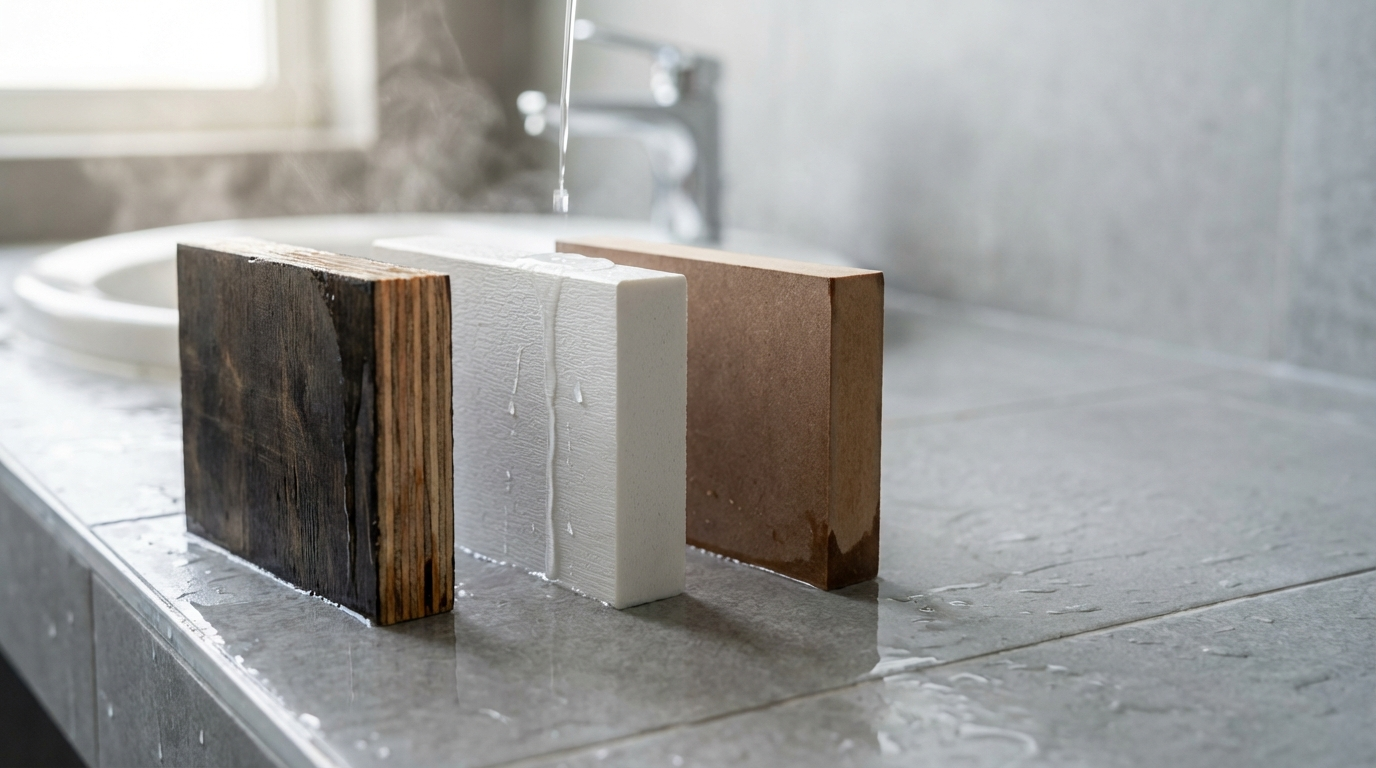
Veneer is generally not recommended for bathrooms due to constant humidity exposure and direct water contact. For kitchens, veneer can work on cabinet exteriors and door faces if properly sealed and maintained, but not on countertops or areas subject to frequent splashing. Marine-grade substrates and high-performance finishes are essential for any kitchen veneer application in Indian conditions.
What is the price of teak veneer in India?
Natural teak veneer prices in India typically range from ₹80 to ₹150 per square foot for standard 0.5mm thickness, depending on grade, grain quality, and source. Premium Burma teak veneer commands higher prices, while plantation teak and African teak alternatives cost less. Prices vary 10-20% between metropolitan and smaller city markets, with additional variation based on dealer markup and order quantity.
How long does veneer furniture last in Indian climate?
Properly manufactured and maintained veneer furniture can last 15-25 years in typical Indian residential conditions. Longevity depends on substrate quality, adhesive system, finishing quality, and environmental exposure. Furniture in air-conditioned spaces lasts longer than pieces exposed to humidity fluctuations. Coastal areas present greater challenges than inland cities with moderate climates.
Can veneer be repaired if damaged?
Minor veneer damage like small scratches and dents can often be repaired using colour-matched wax sticks, touch-up markers, or professional refinishing. More severe damage including delamination, bubbling, or large chips typically requires patch repairs or complete re-veneering of affected panels. Thicker veneers (0.8mm+) offer better repair options as they allow light sanding before refinishing.
Disclaimer: This content is provided for general informational purposes based on industry practices and publicly available information. Product specifications, standards, prices, and availability may vary by manufacturer, region, and time. Readers should independently verify details with manufacturers, dealers, or qualified professionals before making purchase or construction decisions.Want Plywood Suggestions?
Share a few details and a Apple Ply specialist will suggest suitable brands and connect you to responsive dealers.