Is “Termite-Proof” Plywood Real? Ways to Protect Plywood
Many plywoods claim to be ‘termite-proof’. Find out if termite-proof plywood really exists, what it means, and how to protect plywood from termites.
Demystifying "Termite-Proof" Plywood Claims
In the Indian plywood market, you'll often see bold labels like "termite-proof" splashed across packaging and showroom displays. Buyers in humid regions like Mumbai or Chennai naturally gravitate toward these promises, hoping for a one-time solution to a persistent pest problem. But here's the straightforward truth from decades in the industry: no plywood is truly termite-proof. What these claims really mean is termite-resistant—offering varying degrees of protection that can slow down or deter attacks, but never eliminate the risk entirely.
This distinction matters because plywood is fundamentally wood-based, derived from veneers glued together, and termites are nature's wood recyclers. They thrive on cellulose, the core component of wood fibers. Even the toughest chemical treatments fade over time due to exposure, moisture, and the insects' adaptability. In practical terms, "termite-proof" plywood might hold up for 5-10 years in ideal conditions, but in India's tropical climate, failures crop up sooner.
Why the hype? Manufacturers use the term loosely to stand out in a crowded market where termites destroy billions in furniture and structures annually. For Indian homeowners, especially those building wardrobes or kitchen cabinets, understanding this gap prevents costly disappointments. Instead of chasing an illusion, focus on layered protection: select resistant grades and pair them with preventive habits. This approach has saved countless projects I've advised on, from Delhi bungalows to Bangalore apartments.
Real-world logic backs this: lab tests show initial resistance, but field exposure reveals cracks. Termites tunnel through treated surfaces if the core remains vulnerable. Always probe deeper—ask dealers about treatment methods and expected lifespan under local conditions. This mindset shift empowers you to buy smarter, avoiding the myth while securing genuine durability.
How Termites Attack Plywood: The Hidden Process
Termites don't just chew through plywood; they orchestrate a stealthy invasion that starts invisibly. Subterranean species, dominant in India, live in colonies underground and build mud tubes to reach wood sources. Once inside your home's plywood furniture or flooring, they feast on the softer inner layers first, leaving a thin outer shell intact. This explains why wardrobes suddenly collapse after years of seeming fine.
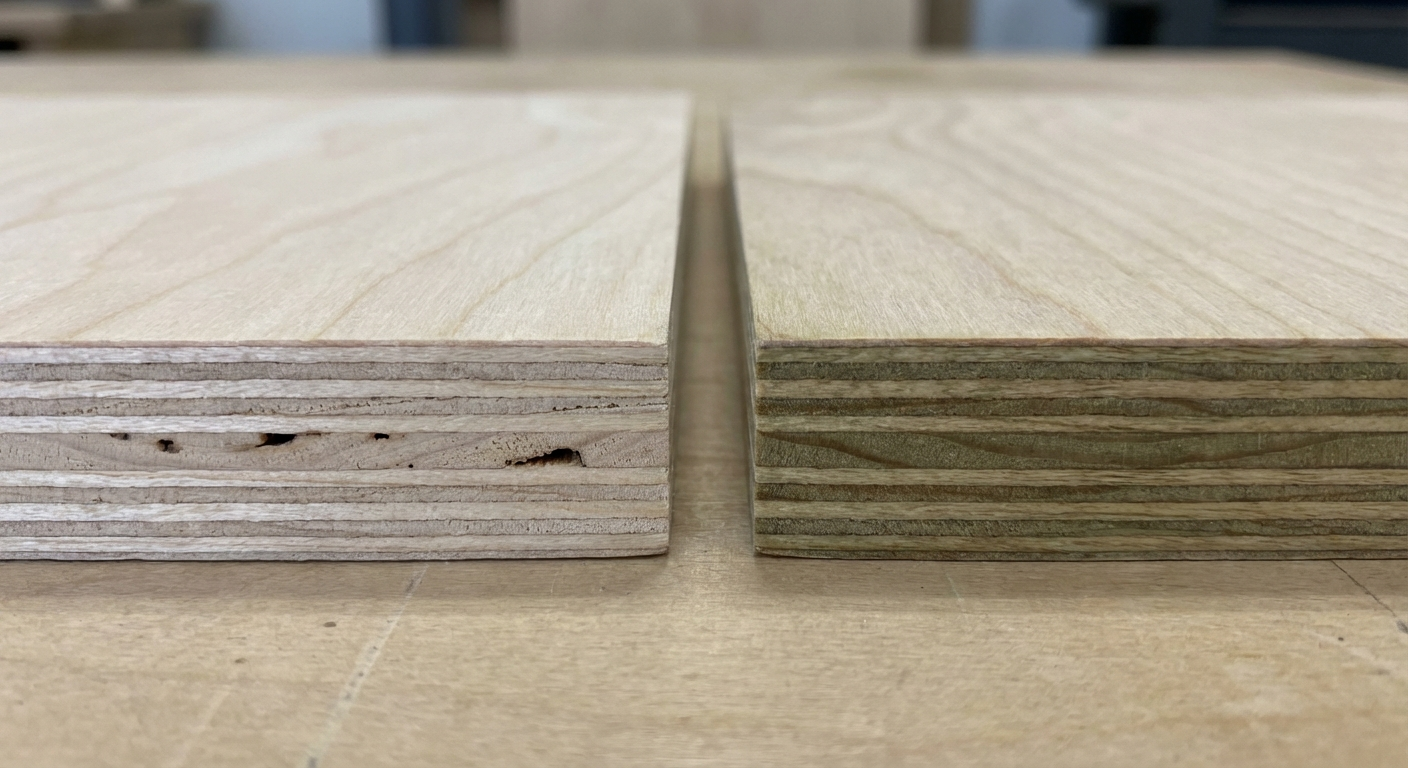
In plywood specifically, the glue lines act as highways for termites. Lower-grade adhesives break down faster, allowing quicker access to veneers. I've seen cross-sections from failed panels where termite galleries honeycomb the core, weakening structural integrity without visible external damage. Moisture accelerates this—damp kitchens or bathrooms swell plywood, creating entry points.
Indian homes amplify the issue. In monsoon-prone areas like Kolkata or coastal Gujarat, soil moisture keeps colonies active year-round. Drywood termites, less common but sneaky in air-conditioned spaces, fly in and infest without soil contact. For buyers, this means inspecting not just the surface but tapping edges for hollow sounds during purchase.
Prevention starts with awareness: elevate furniture off floors, ensure ventilation, and seal cracks. In modular kitchens, where plywood meets constant steam, untreated edges delaminate fastest. Carpenters often overlook this, routing joints poorly. By grasping the biology—termites need moisture, food, and shelter—you disrupt their lifecycle effectively. This knowledge turns passive buyers into proactive protectors.
Why Termite Protection Matters More in India
India's diverse climates make termite damage a national headache, costing the wood industry crores yearly. Tropical humidity, erratic monsoons, and warm soils create perfect breeding grounds. In North India, winter dryness drives termites indoors seeking moisture; South India's year-round warmth sustains massive colonies. Unlike temperate countries, our plywood faces constant siege.
Urban apartments compound risks—leaking pipes, potted plants near walls, and poor drainage invite subterranean invasions. I've consulted on Mumbai high-rises where termite tubes climbed concrete pillars to reach plywood false ceilings. Rural homes fare worse, with thatched roofs and earthen floors providing direct access.
For middle-class families investing in veneered furniture or laminate wardrobes, termite hits hurt deepest. A Rs. 50,000 kitchen redo collapses in two years, eroding trust in carpenters and dealers. Why this intensity? Our softwood plantations yield faster-growing but softer veneers, more appealing to termites than dense hardwoods.
Buyer scenarios highlight urgency: newlyweds in Pune furnish on EMI, only to face repairs amid Diwali rushes. Dealers push quick fixes, ignoring site-specific risks. Smart protection—resistant plywood plus barriers—extends life by 3-5 times. In trade hubs like Bhubaneswar, wholesalers stock resistant grades precisely for this. Prioritizing it isn't optional; it's essential for value retention in our unforgiving environment.
Common Termite-Resistant Treatments Explained
Plywood makers apply treatments during manufacturing to boost resistance, but effectiveness varies by method and depth. Phenolic resins in boiling water-resistant (BWR) grades naturally deter termites by hardening glue lines. Chemical preservatives like borates penetrate veneers, disrupting termite digestion—safe for homes, lasting 7-15 years indoors.
Surface coatings, like copper-based compounds, create barriers but wear off with abrasion or moisture. Vacuum pressure treatments infuse deeper protection, ideal for structural plywood. In India, IS standards guide these, though compliance isn't uniform across mills.
Logic of differences: shallow dips protect exteriors but not cores; full impregnation resists longer. Coastal areas need salt-resistant additives, as sea air corrodes standard treatments. Modular kitchen plywood benefits from dual-treated edges, exposed to spills.
From field experience, combine treatments: resinous core with borate overlay outperforms singles. Dealers demo by soaking samples—resistant ones show no swelling. Avoid over-reliance; even top-treated boards fail without maintenance. This layered manufacturing insight helps you question vague "proof" claims and demand specifics like treatment penetration depth.
Proven Ways to Protect Plywood from Termites
Beyond buying resistant plywood, a multi-pronged strategy ensures longevity. Start with site prep: treat soil around homes with nematodes or approved insecticides before construction. In apartments, insist on building-level barriers—physical sand or chemical meshes under slabs.
For installed plywood, apply annual sealants: oil-based varnishes or polyurethane on edges seal pores. Elevate furniture 12-18 inches on legs, preventing soil contact. Ventilation fans in humid wardrobes dry out moisture magnets.
Carpenter tips: use stainless screws over nails; route sealed joints. In kitchens, pair plywood with anti-termite paints pre-lamination. Regular inspections—tap for hollowness, sniff for mustiness—catch issues early.
Indian hacks: neem oil sprays repel naturally; silica gel packets absorb wardrobe humidity. For coastal villas, marine-grade sealers combat salt-termites synergy. Track record shows these extend life 5+ years. Cost-benefit: Rs. 5,000 upfront saves Rs. 20,000 repairs. Integrate habits like wiping spills, avoiding cardboard storage—simple shifts yield robust defense.
Common Mistakes Buyers and Carpenters Make
Buyers chase "termite-proof" labels without verifying grades, landing cheap commercial plywood that crumbles fast. Dealers hype untested imports; always demand lab reports or soak tests. Overlooking installation—flush floor contact invites tubes.
Carpenters skip edge sealing, leaving raw veneers exposed. In CNC shops, they program cuts ignoring treatment migration. Modular assemblies bolt poorly, trapping moisture. Pune carpenters I've trained fix this by pre-treating cut pieces.
Post-install neglect: storing damp clothes or ignoring leaks swells boards. South Indian mistake: monsoon storage without drying racks. Families repaint surfaces only, missing galleries underneath.
Edge cases: air-conditioned homes lull into complacency—drywood termites thrive there. Dealers mix resistant with regular stock; check batch consistency. Learning these pitfalls—via neighbor horror stories—prevents repeats. Insist on warranties tied to proper use; voided otherwise.
Trade-Offs and Limitations of Termite-Resistant Plywood
Resistant plywood costs 20-40% more than regular, straining budgets for large projects like full-home furniture. Thicker resins stiffen boards, complicating CNC bends for curved designs. Borates may yellow light finishes over time.
Durability trade: ultra-resistant grades sacrifice machinability—harder to nail, splinter-prone. In humid South India, over-treated boards warp if not acclimatized pre-install. Maintenance burden: re-seal every 2-3 years, unlike untreated needing none.
When not to choose: dry interiors like study tables—save money for moisture-heavy zones. Limitations hit extremes: flooded basements overwhelm any treatment. Coastal corrosion eats metal fittings faster than plywood.
Balanced view: resistance buys time, not immunity. Pair with habits for optimal ROI. In dealer negotiations, weigh lifespan gains against premiums—5-year extension justifies hikes for kitchens.
Decision Framework for Choosing and Protecting Plywood
Navigating options requires a structured approach tailored to your scenario. Assess location (coastal vs. inland), usage (kitchen vs. bedroom), and budget. High-risk? Prioritize BWR-grade with borate treatment. Low-risk? Standard with sealants suffices.
| Risk Level | Recommended Plywood | Additional Protections | Expected Lifespan | Cost Multiplier |
|---|---|---|---|---|
| Low (Dry interiors) | MR Grade + Sealant | Elevate, ventilate | 8-12 years | 1x |
| Medium (Wardrobes) | BWR + Borate | Annual oil, inspect | 10-15 years | 1.3x |
| High (Kitchens, Coastal) | BFWJ + Dual Treatment | Soil barrier, edge paint | 12-20 years | 1.5-2x |
Use this table: match your setup, then layer protections. South India modular buyers add humidity meters. Test dealer samples. This framework, honed from advising 100+ projects, ensures regret-free choices.
South India: Unique Termite Challenges and Solutions
South India's monsoon deluges, coastal salts, and relentless humidity supercharge termite activity. Kerala backwaters breed massive colonies; Chennai apartments leak fostering damp nests. Modular kitchens—Plyneer-style assemblies—face steam erosion thrice faster.
CNC carpentry booms here, but machined edges expose untreated inners unless pre-sealed. Dealer-driven buys favor quick stacks; demand vacuum-treated stock. Failures abound: Coimbatore wardrobes tunnel in monsoons from poor ventilation.
Solutions: acclimatize plywood 7 days pre-cut. Neem-barrier paints for cabinets. Elevate on tiled plinths. Trade insight: coastal salts corrode treatments—opt copper-amended. Humidity above 70%? Dehumidifiers mandatory. These tweaks extend life amid regional rigors.
Frequently Asked Questions on Termite-Proof Plywood
Can any plywood guarantee 100% termite protection?
No guarantee exists because termites evolve and environments vary. Resistant plywood delays attacks significantly, but combine with barriers for best results. In Indian homes, this realistic expectation prevents shocks.
How long does termite-resistant plywood last?
Typically 7-15 years indoors, less near soil. Factors like humidity shorten it; proper use extends. South Indian kitchens see 8-12 years with maintenance.
Is termite-proof plywood worth the extra cost?
Yes for high-exposure areas—ROI from avoided repairs. Low-risk spots, no. Calculate: premium pays back in 3-5 years via durability.
What if I already have untreated plywood infested?
Fumigate professionally, replace damaged sections, seal rest. Prevention post-cleanup is key—don't repeat vulnerabilities.
Do laminates protect plywood from termites?
Laminates shield surfaces but not edges or cores. Termites bypass; always use resistant base plywood underneath.
How to spot termite damage early?
Look for mud tubes, hollow knocks, frass pellets. Sniff mustiness. Monthly checks in humid zones catch it pre-collapse.
Are natural repellents enough for plywood?
Neem aids but insufficient alone—pair with chemical treatments. Good for maintenance, not primary defense.
Should I treat soil before installing plywood furniture?
Absolutely, especially ground floors. Creates frontline barrier, essential in termite hotspots like Hyderabad.
Disclaimer: This content is provided for general informational purposes based on industry practices and publicly available information. Product specifications, standards, prices, and availability may vary by manufacturer, region, and time. Readers should independently verify details with manufacturers, dealers, or qualified professionals before making purchase or construction decisions.Want Plywood Suggestions?
Share a few details and a Apple Ply specialist will suggest suitable brands and connect you to responsive dealers.