PU Polish Disadvantages: What You Need to Know
Know the disadvantages of PU polish finish before investing. Learn about durability issues, cost concerns & maintenance challenges.
Quick Answer
PU polish disadvantages include high application costs, lengthy curing times of 4-7 days, difficulty in on-site repairs, yellowing over time with certain formulations, and the requirement for skilled applicators working in controlled environments. While PU finish delivers a premium aesthetic, these limitations make it unsuitable for budget-conscious projects, high-humidity regions without climate control, or furniture requiring frequent touch-ups.
At a Glance: Key PU Polish Disadvantages
- Application cost runs 40-60% higher than melamine or NC lacquer finishes
- Requires 4-7 days curing time before furniture can be handled or installed
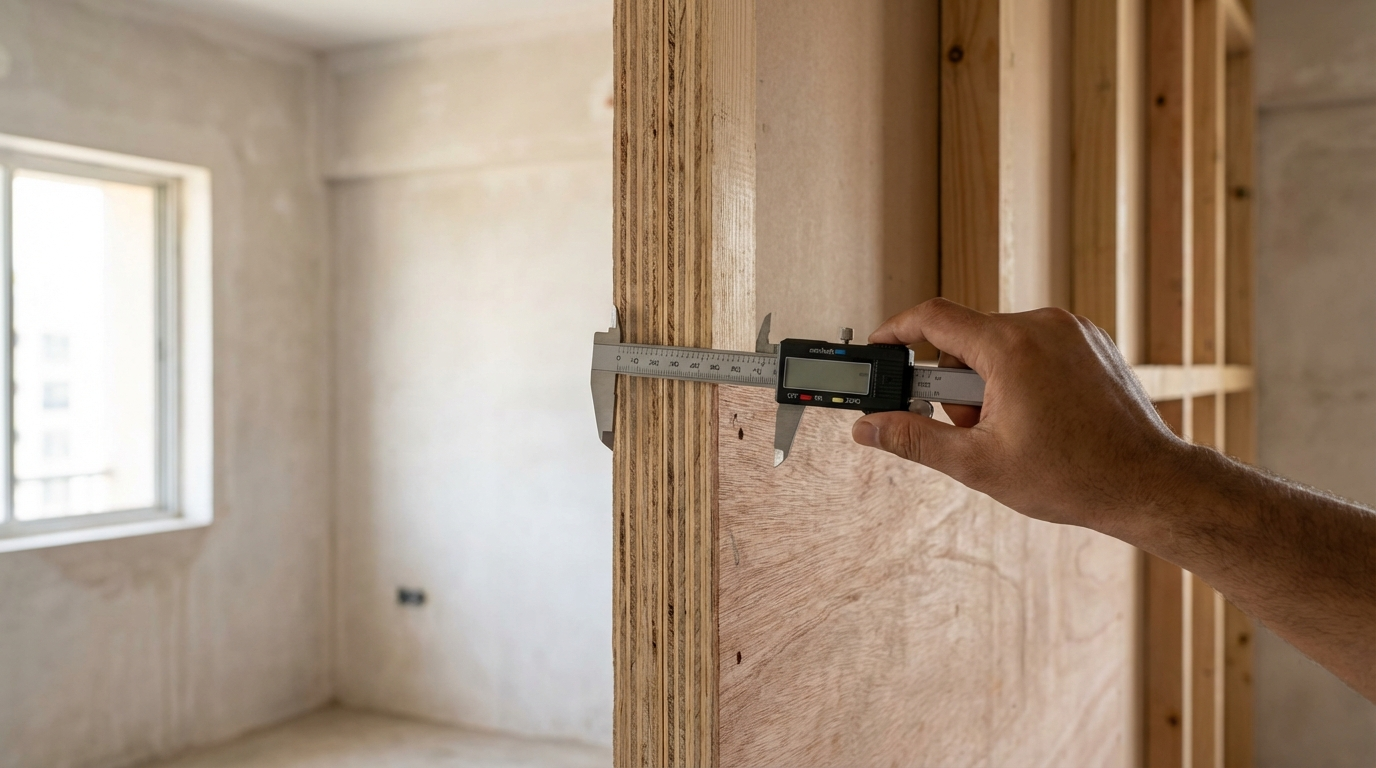
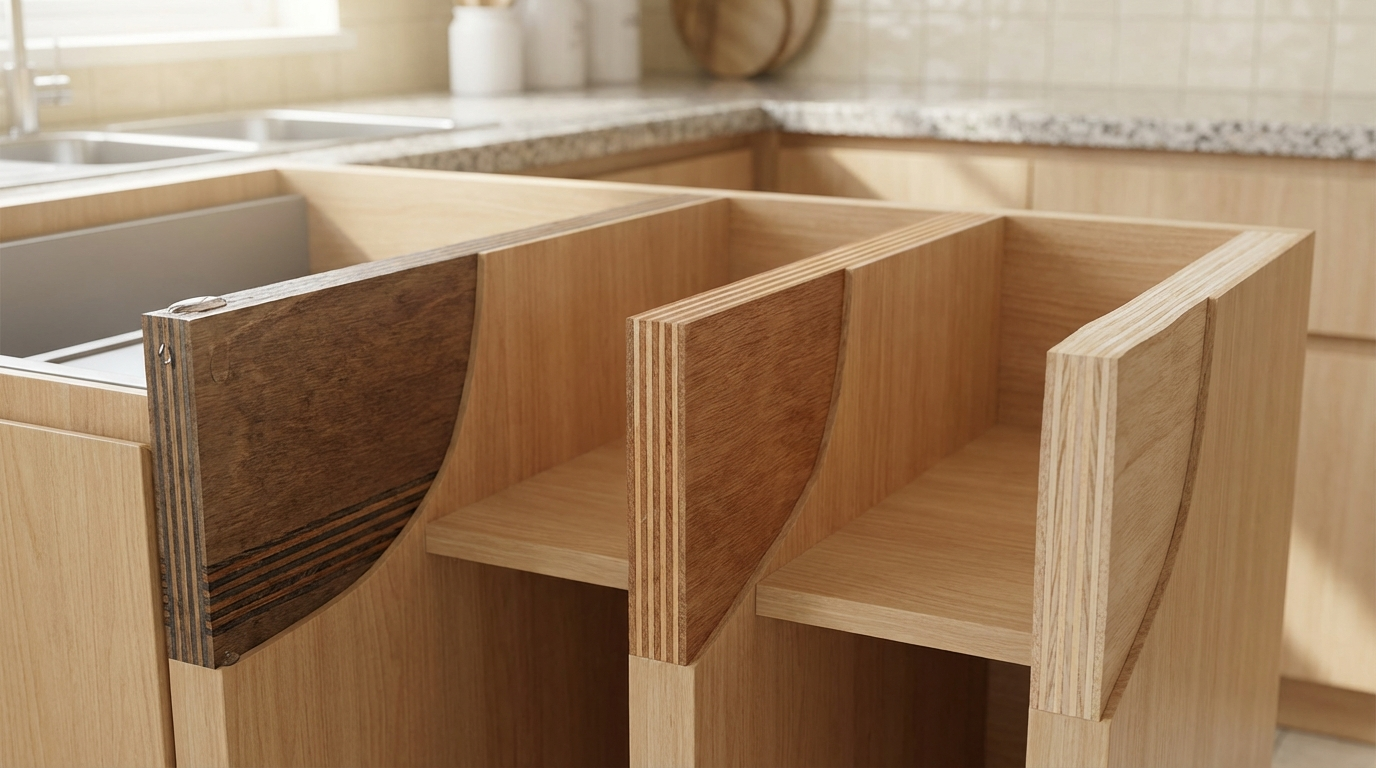
- Cannot be applied on raw plywood—needs MDF or properly sealed substrates
- Skilled manpower shortage makes quality inconsistent across Indian cities
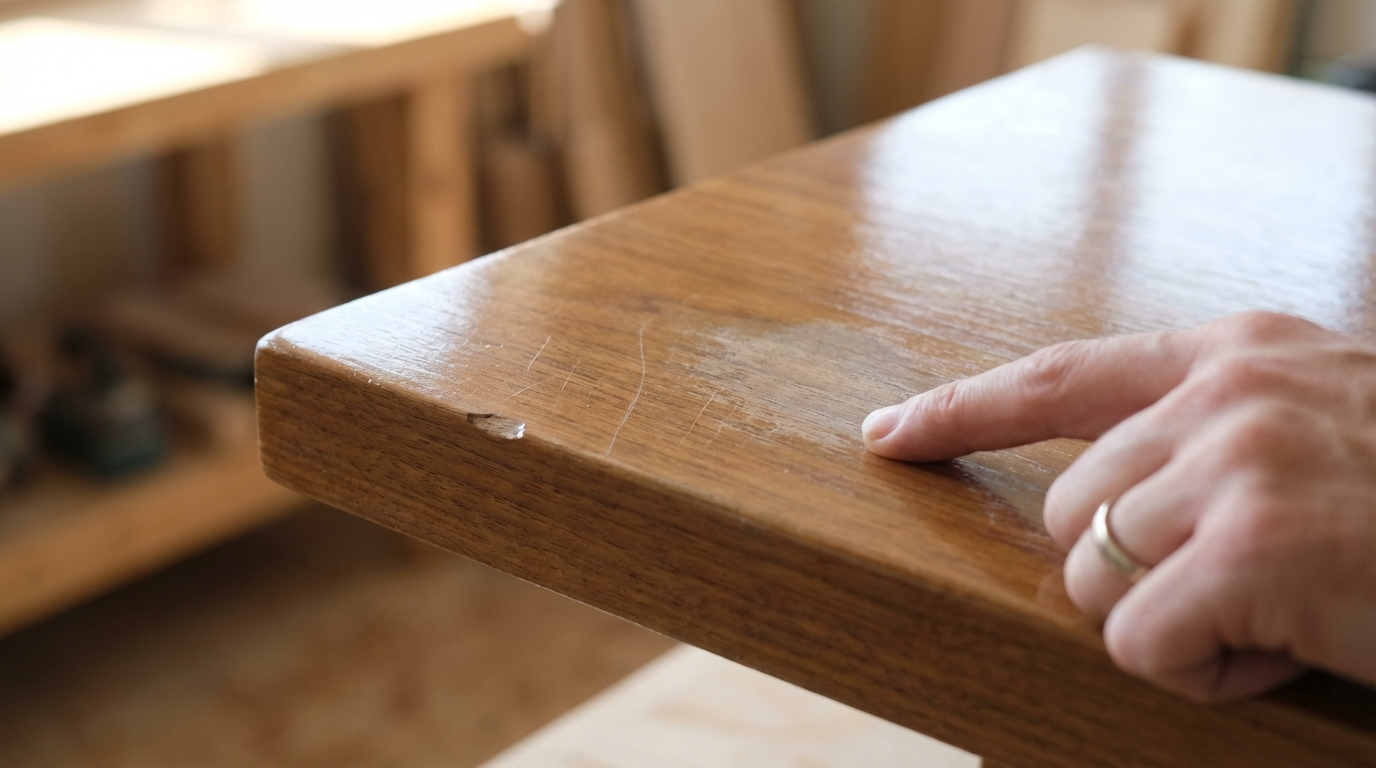
- On-site repairs are nearly impossible; damaged sections need complete refinishing
- Yellowing occurs in oil-based variants after 3-5 years of UV exposure
PU Polish Disadvantages Explained
Polyurethane polish, commonly known as PU finish, has earned its reputation as a premium wood coating solution in Indian interiors. However, understanding its limitations is equally important before committing to this finishing method for your furniture projects. The disadvantages of PU polish stem from its chemical composition, application requirements, and maintenance demands that don't always align with typical Indian home environments.
PU polish is a two-component system consisting of a synthetic resin and a hardener that chemically react to form a hard protective coating. This chemical curing process, while creating exceptional durability, introduces several practical challenges. Unlike simpler finishes that air-dry, PU requires precise mixing ratios, controlled humidity levels, and dust-free application environments—conditions rarely achievable in standard carpentry workshops across Tier-2 and Tier-3 Indian cities.
Why These Disadvantages Matter in Indian Conditions
The Indian context amplifies several PU polish drawbacks significantly. Monsoon humidity levels regularly exceed 80% in coastal cities like Mumbai, Chennai, and Kolkata, which can interfere with proper curing and cause blooming or hazing on the finish. Dust contamination during the lengthy drying process remains a persistent challenge even in metro cities, where construction activity generates airborne particles that embed into wet PU coatings.
Furthermore, the Indian furniture market operates predominantly through local carpenters and small-scale manufacturers who may lack spray booth facilities or climate-controlled workshops. This skill and infrastructure gap directly impacts the quality consistency of PU finishes, making the outcome highly dependent on individual applicator expertise rather than the product's inherent capabilities.
Types of PU Finish and Their Specific Drawbacks
Understanding the variants of PU polish helps identify which disadvantages apply to your specific situation. Each type carries its own set of limitations that buyers should evaluate against their requirements.
Oil-Based PU Polish Limitations
Oil-based polyurethane delivers the warmest amber tones and deepest wood grain enhancement, but comes with notable drawbacks. The most significant issue is yellowing over time—oil-based formulations continue to amber even after curing, which can significantly alter the appearance of light-coloured veneers and white or pastel-tinted finishes within 3-5 years. Additionally, oil-based PU emits strong volatile organic compounds during application, requiring extended ventilation periods of 48-72 hours before occupied spaces become habitable.
Water-Based PU Polish Challenges
Water-based PU addresses the yellowing concern with its non-ambering clarity, but introduces different limitations. The finish tends to raise wood grain, necessitating additional sanding between coats—adding both time and labour costs. Water-based formulations also demonstrate slightly lower scratch resistance compared to oil-based alternatives, making them less suitable for high-traffic surfaces like dining tables or office desks. In the Indian market, water-based PU products command a 15-25% premium over oil-based equivalents, further increasing the already high cost barrier.
1K vs 2K PU Systems
Single-component (1K) PU polish offers easier application but delivers inferior hardness and chemical resistance compared to two-component (2K) systems. The 2K variants, while superior in performance, demand precise mixing within a limited pot life of 2-4 hours, after which unused material must be discarded. This creates material wastage issues for small projects and requires applicators to carefully plan their work sequences.
Comparison: PU Polish vs Alternative Finishes
Evaluating PU polish against other common finishing options reveals where its disadvantages become deal-breakers and where they remain acceptable trade-offs.
| Parameter | PU Polish | Melamine Polish | NC Lacquer | Polyester Polish |
|---|---|---|---|---|
| Application Cost (₹/sq ft) | 45-80 | 25-40 | 20-35 | 85-150 |
| Curing Time | 4-7 days | 24-48 hours | 2-4 hours | 5-10 days |
| Scratch Resistance | High | Medium | Low-Medium | Very High |
| Repairability | Difficult | Moderate | Easy | Very Difficult |
| Yellowing Risk | Medium (oil-based) | Low | Medium | Low |
| Skilled Labour Requirement | High | Medium | Medium | Very High |
| Substrate Flexibility | MDF/sealed surfaces only | Most substrates | Most substrates | MDF preferred |
| Best For | Premium furniture, veneers | Budget-mid interiors | Quick projects | Luxury high-gloss |
This comparison highlights that PU polish occupies a middle ground—more expensive and demanding than melamine or NC lacquer, yet without the mirror-finish capability of polyester. For buyers seeking premium results without polyester's extreme costs, PU remains viable despite its disadvantages. However, those prioritising repairability or faster turnaround should consider alternatives.
Cost-Related Disadvantages of PU Polish
The financial implications of choosing PU polish extend beyond the quoted per-square-foot rates. Understanding the complete cost picture helps buyers make informed decisions aligned with their budgets.
Direct Application Costs
PU polish application typically costs between ₹45-80 per square foot in metro cities, with rates dropping to ₹35-60 in Tier-2 locations. These figures assume standard matte or satin finishes—high-gloss PU commands an additional 20-30% premium. Compared to melamine polish at ₹25-40 per square foot, the cost differential becomes substantial for large projects. A standard 3-bedroom apartment with 400 square feet of furniture surface area faces an additional cost burden of ₹8,000-16,000 when choosing PU over melamine.
Hidden and Indirect Costs
Beyond application charges, PU polish introduces several hidden costs that inflate the total investment. Substrate preparation demands MDF or properly sealed plywood, as PU cannot be directly applied on raw plywood faces—the porous surface absorbs the resin unevenly. This substrate requirement often necessitates using commercial-grade MDF at ₹45-65 per square foot instead of less expensive plywood alternatives.
Transportation costs also escalate when factory-finished PU furniture requires careful handling to prevent damage during delivery. Unlike site-applied finishes that allow touch-ups, factory PU work demands blanket wrapping, edge protection, and climate-controlled vehicles for long-distance transport—adding ₹15-25 per square foot for delivery within city limits.
Opportunity Cost of Extended Timelines
The 4-7 day curing period creates project timeline extensions that carry their own costs. Rental accommodation during renovation, delayed move-ins, or extended contractor payments accumulate when PU's curing requirements push project completion dates. For commercial projects like retail stores or offices, each day of delayed opening translates to direct revenue loss that should factor into the finish selection decision.
Application and Environmental Challenges
The application process for PU polish introduces challenges that directly impact finish quality and project feasibility across different Indian contexts.
Controlled Environment Requirements
Proper PU application demands dust-free environments with relative humidity between 40-65% and temperatures of 20-30°C. These conditions rarely exist in open carpentry workshops or on-site application scenarios common across India. Dust particles settling on wet PU create permanent texture defects, while high humidity causes blooming—a milky white haze that ruins the clarity of the finish. During monsoon months, even air-conditioned factories struggle to maintain optimal humidity levels, leading to seasonal quality variations.
Multiple Coat Requirements
Quality PU finishing requires 4-5 coats minimum, with intermediate sanding between each layer. This multi-step process extends application time to 3-4 days before the final curing period even begins. Each sanding stage must remove the previous coat's surface texture without cutting through to the substrate—a skill that develops only through extensive practice. Rushed applications with insufficient coats or inadequate sanding between layers produce finishes that peel, crack, or show brush marks within months of use.
Skilled Manpower Shortage
The Indian market faces a significant shortage of trained PU polish applicators. While spray equipment is increasingly accessible, the technique, mixing knowledge, and problem-solving skills remain concentrated among experienced craftsmen predominantly based in manufacturing hubs like Delhi NCR, Bengaluru, and Mumbai. Sourcing reliable PU polish services in smaller cities often means compromising on quality or paying premium rates for applicators travelling from major centres.
How to Choose: When to Avoid PU Polish
Recognising scenarios where PU polish disadvantages outweigh its benefits helps buyers select appropriate alternatives without sacrificing quality.
Decision Framework for Finish Selection
Consider your project's specific requirements against PU's known limitations. Budget-constrained projects, tight timelines, and situations requiring on-site application favour alternative finishes. Premium veneer work, smooth MDF surfaces, and factory-controlled environments represent ideal PU applications where its benefits justify the challenges.
Buyer Checklist: Evaluate Before Choosing PU
- Budget allows 40-60% premium over melamine finishing costs
- Project timeline accommodates 7-10 additional days for curing
- Substrate is MDF or properly sealed commercial plywood
- Factory application with climate control is feasible
- Skilled PU applicators are accessible in your city
- Furniture will be installed in climate-controlled interiors
- Future repair/refinishing access is not a priority concern
When NOT to Choose PU Polish
Certain situations make PU polish a poor investment regardless of its aesthetic appeal. Coastal homes without air conditioning expose PU finishes to continuous high humidity that accelerates degradation and yellowing. Outdoor furniture or semi-covered balcony installations lack the UV and moisture protection that PU requires for longevity. Kitchen cabinets near cooking zones face heat exposure that can cause PU to soften or discolour over time.
Budget renovation projects where melamine or laminate finishes would suffice represent another avoidance scenario. The premium paid for PU delivers diminishing returns when applied to basic furniture designs or rental property interiors where longevity isn't paramount. Similarly, projects requiring rapid completion for event deadlines or lease start dates cannot accommodate PU's extended curing requirements.
Common Mistakes with PU Polish
Understanding where projects go wrong with PU polish helps buyers set realistic expectations and identify quality issues before they become permanent problems.
Applicator Selection Errors
The most frequent mistake involves selecting applicators based solely on quoted rates rather than demonstrated expertise. Low-cost PU services often compromise on coat count, sanding quality, or product grades—resulting in finishes that appear acceptable initially but deteriorate within 12-18 months. Requesting samples on scrap material, checking previous project references, and verifying product brand usage helps identify capable applicators.
Substrate Preparation Failures
Applying PU over unsuitable substrates remains a persistent problem. Plywood faces contain natural pores that absorb PU resin inconsistently, creating blotchy, uneven finishes. Veneer surfaces require sealer coats before PU application to prevent grain raising and absorption issues. Skipping these preparation steps—common when carpenters attempt PU work without proper training—produces finishes that peel or crack at edges and corners.
Environmental Negligence
Ignoring dust and humidity during application causes defects that cannot be corrected without complete stripping and reapplication. Applying PU during monsoon months without dehumidification, or in workshops with ongoing sanding or woodworking activity, introduces contamination that embeds permanently in the finish.
Quick Inspection Checks for PU Finish Quality
- Run palm across surface—quality PU feels glass-smooth without texture bumps
- View at 45-degree angle under light—no dust nibs or brush marks should be visible
- Check edges and corners—finish should wrap consistently without bare spots
- Press fingernail gently on cured surface—no indentation should remain
- Look for orange peel texture—indicates spray distance or viscosity issues
Durability and Maintenance Concerns
While PU polish delivers good initial durability, long-term performance depends on usage conditions and maintenance practices that many buyers underestimate.
Yellowing and Colour Shift Issues
Oil-based PU formulations continue ambering throughout their lifespan, with noticeable yellowing appearing within 3-5 years on light-coloured surfaces. This natural characteristic becomes problematic when furniture pieces or panels are added later—colour mismatches between old and new PU work become clearly visible. White or cream-tinted PU finishes show the most dramatic shifts, sometimes turning distinctly yellow in UV-exposed locations near windows.
Repair and Touch-Up Limitations
PU polish resists spot repairs effectively—which becomes a disadvantage when damage occurs. Scratches, chips, or worn areas cannot be touched up without visible demarcation lines. Professional refinishing requires stripping the entire surface back to substrate, reapplying all coats, and matching sheen levels precisely. This makes repair costs for damaged PU furniture disproportionately high compared to the original application expense. A single deep scratch on a dining table necessitates refinishing the entire tabletop, costing ₹2,000-4,000 for what appears to be minor damage.
5-Year Durability Outlook
Quality PU polish applied under proper conditions maintains its appearance for 10-15 years in climate-controlled interiors with normal residential use. However, this lifespan drops significantly under adverse conditions. High-humidity coastal environments without air conditioning may see degradation within 5-7 years. Kitchen cabinets near cooking zones, bathroom vanities exposed to steam, and furniture receiving direct sunlight face accelerated wear that shortens effective lifespan to 4-6 years before refinishing becomes necessary.
Regional Considerations Across India
Geographic and climatic variations across India create distinct challenges for PU polish performance and applicability.
Coastal and High-Humidity Zones
Cities like Mumbai, Chennai, Kolkata, Visakhapatnam, and Kochi experience humidity levels exceeding 75% for extended periods. These conditions challenge both PU application and long-term durability. Application during monsoon months requires dehumidified factory environments, adding to costs. Post-installation, continuous humidity exposure can cause gradual dulling, blooming, and moisture ingress at edges where sealing is incomplete. Buyers in these regions should specifically request water-based PU with UV inhibitors and ensure edge-sealing is thorough.
Hot and Dry Climate Zones
Interior regions like Rajasthan, parts of Madhya Pradesh, and inland Gujarat present different challenges. Extreme summer temperatures reaching 45°C and above can cause PU finishes to soften slightly, making them more susceptible to scratching during peak summer months. The dramatic temperature fluctuations between seasons also stress the finish, potentially causing micro-cracking over years of thermal cycling.
Metro vs Tier-2 City Realities
Access to quality PU application services varies dramatically between metros and smaller cities. Delhi NCR, Bengaluru, Mumbai, and Hyderabad have established networks of trained applicators working in controlled factory environments. Tier-2 and Tier-3 cities often lack such infrastructure, forcing buyers to choose between transporting furniture to metro-based finishers (adding cost and damage risk) or accepting locally available skills of uncertain quality. This access disparity makes PU polish a more viable choice in major urban centres than in smaller towns.
Frequently Asked Questions
What is the full form of PU in PU polish?
PU stands for Polyurethane, a synthetic polymer formed by combining polyol and isocyanate compounds. In furniture finishing, PU polish refers to the protective coating created when polyurethane resin reacts with a hardener to form a durable, scratch-resistant layer. The term applies to both the raw material and the finished coating, with variations like 1K PU (single-component) and 2K PU (two-component) indicating different formulation types used in the Indian furniture industry.
Is PU polish good for kitchen cabinets?
PU polish works well for kitchen cabinets located away from the cooking zone, providing moisture resistance and easy cleaning. However, cabinets near stovetops face heat exposure that can cause PU to soften or discolour over time. The finish also shows grease marks readily, requiring frequent cleaning. For areas directly exposed to cooking heat and oil splatter, laminate or acrylic finishes offer better heat resistance and simpler maintenance compared to PU polish in typical Indian kitchen environments.
How long does PU polish take to dry completely?
PU polish requires 4-7 days for complete curing, though it becomes touch-dry within 2-4 hours between coats. The distinction matters significantly—touch-dry surfaces can accept subsequent coats but remain vulnerable to damage. Full chemical curing, which develops maximum hardness and scratch resistance, occurs over 5-7 days under optimal temperature and humidity conditions. Rushing installation before complete curing results in fingerprints, marks, and impressions that become permanent defects.
Which is better: PU polish or melamine polish?
The choice depends on budget, application context, and aesthetic priorities. PU polish delivers superior scratch resistance, moisture protection, and depth of finish, making it preferable for premium furniture and veneer applications. Melamine polish costs 40-50% less, cures faster, and allows easier touch-ups, making it suitable for budget projects and situations requiring on-site application. For coastal areas with humidity concerns, both finishes face challenges, but melamine's repairability gives it a practical advantage.
Can PU polish be applied on plywood?
PU polish cannot be directly applied on raw plywood surfaces. Plywood faces contain natural wood pores that absorb PU resin unevenly, creating blotchy, inconsistent finishes. The texture variations in plywood grain also telegraph through PU, revealing surface imperfections. Proper application requires either veneering the plywood first, applying sealer coats to fill pores, or using commercial-grade MDF as the substrate. This substrate limitation adds cost and complexity to PU-finished furniture projects.
Why does PU polish turn yellow over time?
Oil-based PU formulations contain compounds that continue oxidising after curing, gradually developing an amber tint that appears as yellowing on light surfaces. This chemical process accelerates with UV light exposure from sunlight or certain artificial lighting. Water-based PU formulations resist yellowing significantly better due to their different chemical composition. Buyers concerned about colour stability should specifically request water-based PU despite its higher cost and slightly reduced scratch resistance compared to oil-based alternatives.
How much does PU polish cost per square foot in India?
PU polish application costs range from ₹35-80 per square foot depending on location, finish type, and applicator expertise. Metro cities like Delhi, Mumbai, and Bengaluru typically charge ₹45-80 per square foot for quality work, while Tier-2 cities may offer rates of ₹35-55. High-gloss finishes command 20-30% premiums over matte options. These rates exclude substrate costs—MDF or veneer surfaces add ₹45-100 per square foot to the overall project investment.
How to repair scratches on PU polish furniture?
Minor surface scratches on PU polish can be addressed using automotive rubbing compound or polish-specific scratch removers that gently abrade the surrounding area to blend the damage. However, deep scratches penetrating through the PU layer cannot be spot-repaired without visible lines. Professional refinishing requires stripping the entire panel or surface back to substrate and reapplying all coats to achieve uniform appearance. This repair limitation makes PU polish less practical for high-use furniture like dining tables or children's study desks.
Disclaimer: This content is provided for general informational purposes based on industry practices and publicly available information. Product specifications, standards, prices, and availability may vary by manufacturer, region, and time. Readers should independently verify details with manufacturers, dealers, or qualified professionals before making purchase or construction decisions.Want Plywood Suggestions?
Share a few details and a Apple Ply specialist will suggest suitable brands and connect you to responsive dealers.