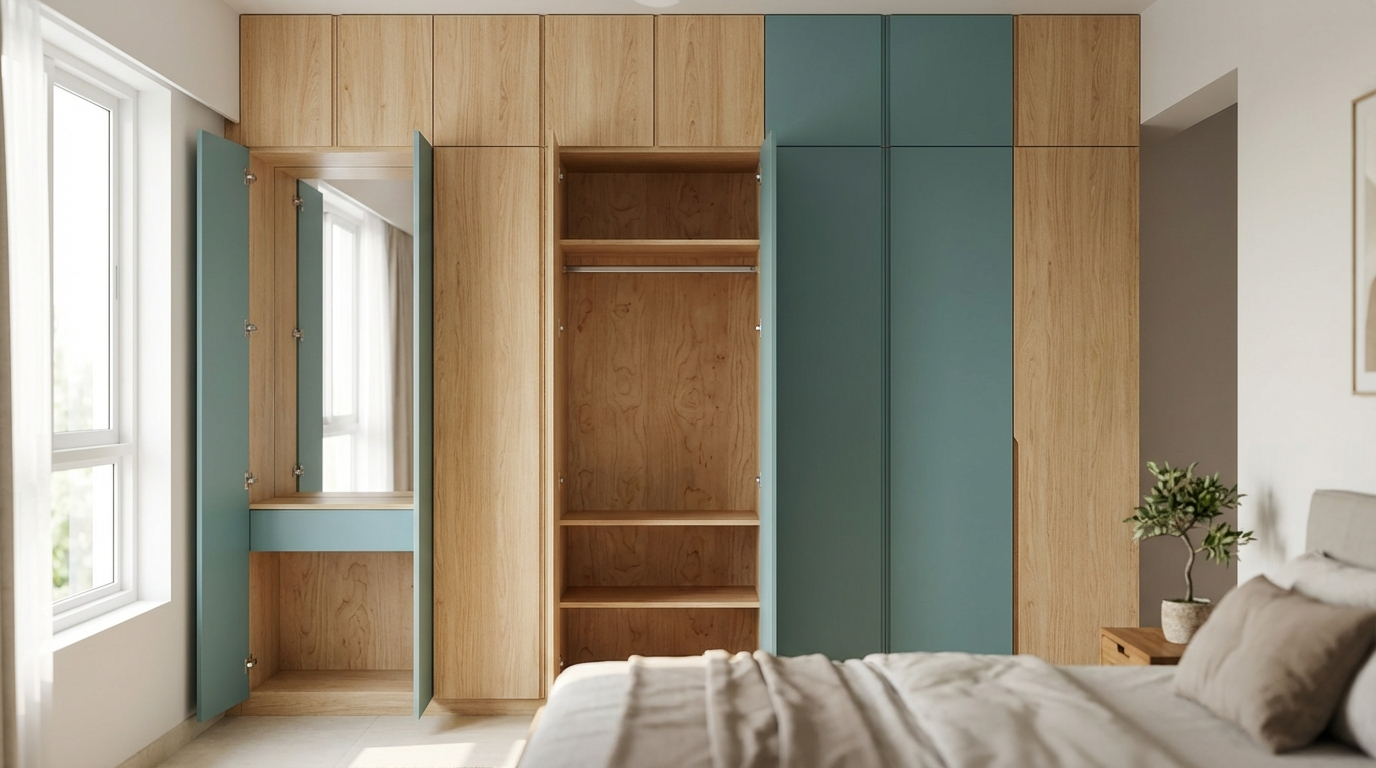
PU Finish Kitchen: Complete Guide to Polyurethane Kitchen Cabinets
Everything about PU finish kitchens - benefits, cost, pros & cons. Compare PU vs acrylic finish and design your perfect modular kitchen.
Quick Answer
PU finish kitchen cabinets refer to modular kitchens where cabinet doors and shutters are coated with polyurethane paint, delivering a factory-grade, smooth surface that resists moisture, heat, and daily kitchen wear. This finish has become the premium standard for Indian modular kitchens due to its durability, seamless appearance, and extensive colour customisation options.
At a Glance
- PU (polyurethane) finish is a multi-coat spray-applied paint system offering superior durability over standard enamel paints
- Requires factory application with spray booths; cannot be properly applied on-site by carpenters
- Price ranges from ₹450–800 per sq ft for shutters in most Indian metros, depending on colour complexity and brand
- Ideal for high-end modular kitchens where seamless aesthetics and moisture resistance are priorities
- Best applied on MDF substrates; not recommended for standard plywood due to grain telegraphing
- Requires 7–14 days factory turnaround time compared to ready laminates
PU Finish for Kitchen Cabinets Explained
Polyurethane finish in kitchen applications refers to a specialised paint coating system where multiple layers of primer, base coat, and topcoat are spray-applied onto cabinet surfaces under controlled factory conditions. Unlike conventional brush-applied paints, PU finish creates a chemically cross-linked film that bonds molecularly with the substrate, resulting in exceptional hardness and chemical resistance.
The process typically involves four to six coats: sanding sealer, primer coat, base colour coats, and finally one or two clear topcoats. Each layer requires curing time and intermediate sanding, making this a labour-intensive and equipment-dependent process. This explains why genuine PU finish work cannot be replicated at construction sites—the dust-free environment and spray equipment are essential for achieving the characteristic glass-smooth surface.
How PU Finish Differs from Regular Paint
Standard enamel or acrylic paints dry through solvent evaporation, leaving a relatively soft film. Polyurethane undergoes a chemical curing reaction that creates a thermoset polymer—once cured, it cannot be melted or softened by heat. This chemical nature gives PU finish its signature scratch resistance and ability to withstand hot vessels being placed momentarily on cabinet surfaces without damage.
In the Indian kitchen context, where cooking involves high heat, oil splatter, and frequent cleaning with wet cloths, this durability difference becomes practically significant. A well-executed PU finish can maintain its appearance for 8–12 years under normal use, whereas conventional painted surfaces typically show wear within 3–5 years.
Substrate Requirements
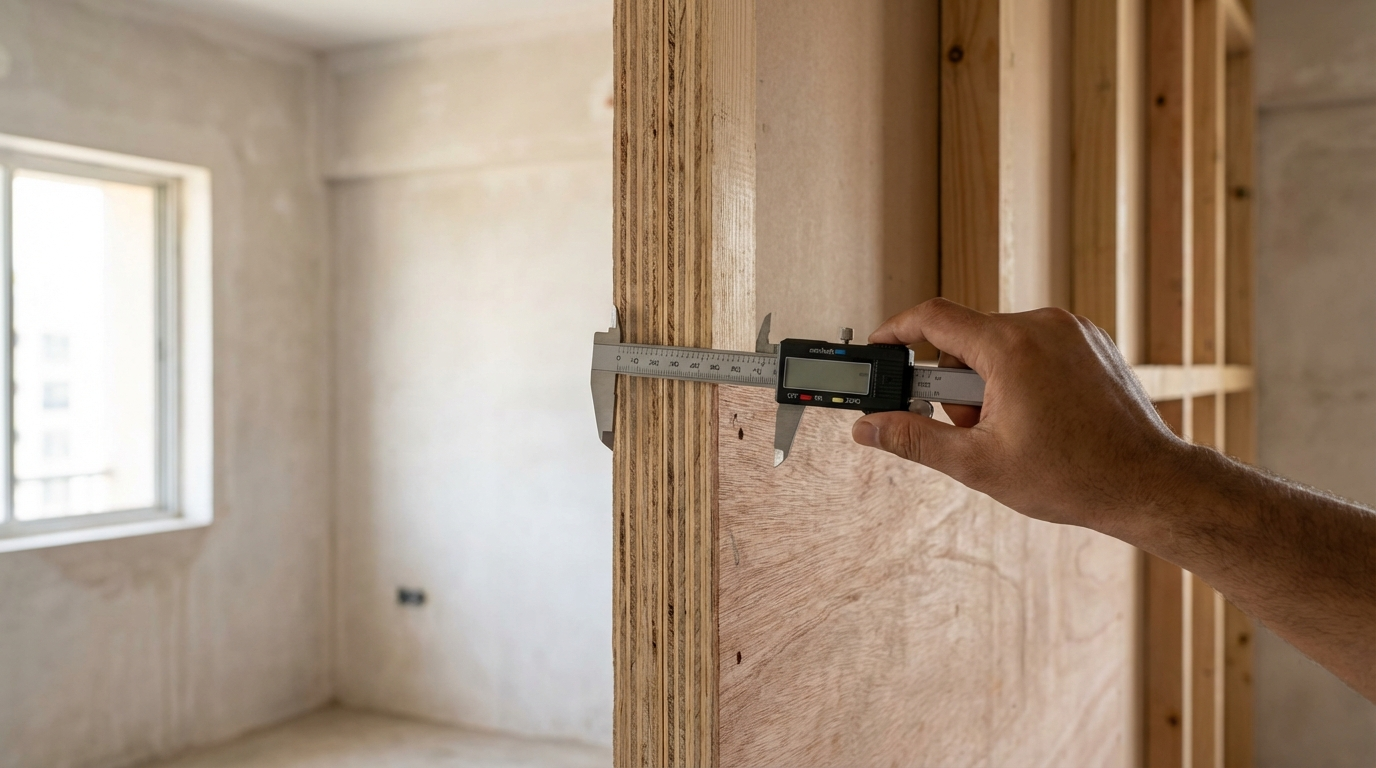
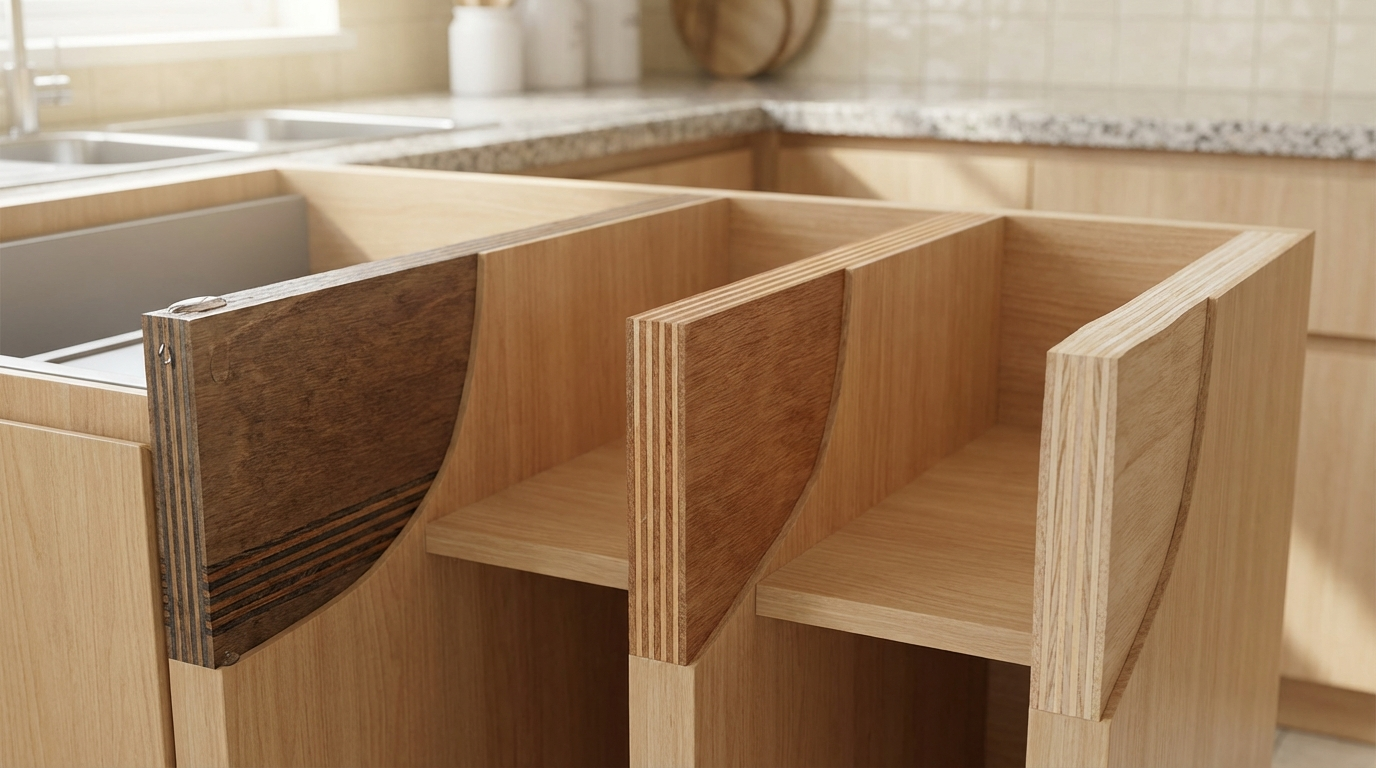
PU finish performs best on medium-density fibreboard (MDF) because its uniform, grain-free surface allows the paint to create a perfectly smooth finish. When applied on plywood, even high-grade varieties, the natural wood grain tends to telegraph through the paint over time, creating visible texture lines. Most reputable modular kitchen manufacturers in India use 18mm moisture-resistant MDF specifically for PU-finished components.
Types of PU Finish for Kitchens
Understanding the variants available helps buyers specify exactly what they need and avoid paying premium prices for standard options marketed under fancy names.
Gloss Levels
PU finishes are classified by their sheen level, measured in gloss units. High-gloss PU (above 80 gloss units) creates a mirror-like reflective surface popular in contemporary Indian kitchens. Semi-gloss (40–60 gloss units) offers a softer sheen that hides fingerprints better while maintaining visual depth. Matt PU (below 20 gloss units) provides a sophisticated, non-reflective surface that has gained popularity in recent years for its European aesthetic appeal.
From a practical standpoint, high-gloss finishes show fingerprints, water spots, and dust more readily—a consideration for Indian homes where household help may clean surfaces with varying attention to detail. Matt finishes are more forgiving but can be slightly harder to wipe clean of oil residue.
Solid Colours vs Special Effects
Solid colour PU finish uses opaque pigmented coatings in any RAL or custom colour. Metallic PU incorporates aluminium or mica particles for a shimmering effect popular in modern kitchen designs. Textured PU includes additives that create subtle surface patterns, though this variant is less common in Indian markets. Pearl finishes use interference pigments to create colour-shifting effects visible at different angles.
Oil-Based vs Water-Based Polyurethane
Traditional oil-based polyurethane offers deeper colour saturation and slightly superior durability but has higher VOC emissions and may yellow slightly on white colours over extended periods. Water-based polyurethane dries faster, has lower odour, and maintains colour stability better on lighter shades. Premium Indian modular kitchen brands increasingly use water-based systems due to environmental regulations and better performance on white and pastel colours.
PU Finish vs Other Kitchen Cabinet Finishes: Comparison
Indian buyers often face confusion when comparing PU finish against acrylic, laminate, and lacquer options. This comparison addresses practical differences relevant to typical usage patterns.
| Parameter | PU Finish | Acrylic Finish | Laminate (HPL) | Lacquer |
|---|---|---|---|---|
| Surface Hardness | Very High | High | Medium-High | Medium |
| Scratch Resistance | Excellent | Good | Good | Fair |
| Moisture Resistance | Excellent | Very Good | Good (edges vulnerable) | Good |
| Colour Options | Unlimited custom | Limited catalogues | Fixed catalogues | Limited |
| Repairability | Difficult (factory only) | Very Difficult | Not repairable | Moderate |
| Price Range (₹/sq ft) | 450–800 | 550–950 | 180–350 | 300–500 |
| Lead Time | 10–18 days | 7–12 days | 3–7 days | 7–10 days |
| Best For | Custom colours, seamless look | High-gloss modern designs | Budget kitchens | Traditional aesthetics |
PU vs Acrylic: The Common Confusion
Many Indian buyers conflate PU and acrylic finishes because both deliver high-gloss, handleless kitchen aesthetics. The key distinction lies in application method: PU is sprayed paint that coats the substrate, while acrylic typically refers to pre-manufactured acrylic sheets (like Senosan or similar brands) that are bonded to MDF. Acrylic sheets offer marginally higher gloss levels and depth but come in fixed colour ranges. PU allows exact colour matching to walls, curtains, or specific design requirements—a significant advantage for interior designers working with custom palettes.
How to Choose PU Finish for Your Kitchen
Selecting the right PU specification requires balancing aesthetics, budget, and practical usage patterns. Here is a structured decision framework.
Decision Criteria
Start by assessing your cooking patterns. Heavy Indian cooking with daily tadka preparation generates more oil vapour than Continental or minimal cooking styles. For oil-intensive kitchens, matt or semi-gloss finishes prove more practical than high-gloss options that require frequent wiping.
Consider your colour commitment. PU finish involves significant upfront investment, and changing colours later means complete refinishing. Choose timeless neutrals for carcasses and reserve bold colours for easily replaceable elements like back panels or open shelving.
Evaluate your maintenance expectations. High-gloss PU demands regular microfibre wiping to maintain its appearance. If household help will handle cleaning, specify semi-gloss variants that tolerate variable maintenance quality.
Buyer Checklist
- Confirm substrate material is MDF (specifically moisture-resistant grade for areas near sink and hob)
- Request sample panels in actual finish and colour, not digital representations
- Verify the number of coats included in quoted price (minimum four coats for quality work)
- Check warranty terms—reputable manufacturers offer 5–8 year finish warranties
- Confirm edge finishing method (wrapped edges are stronger than painted edges)
- Ask about touch-up provisions for minor damage during installation
- Verify colour matching capability if matching to existing interiors
When NOT to Choose PU Finish
PU finish may not suit every situation. Avoid it if your budget is constrained below ₹4–5 lakh for a standard modular kitchen, as cutting corners on PU execution produces poor results. Skip PU for rental properties where investment recovery is uncertain. Reconsider if your location lacks established modular kitchen brands with proper spray facilities—local carpenter-applied "PU paint" rarely matches factory quality. Also avoid PU in extremely humid coastal areas unless combined with marine-grade MDF substrates, as moisture can cause adhesion failure over time.
Common Mistakes to Avoid with PU Finish Kitchens
Understanding typical failures helps buyers ask the right questions and inspect work properly.
Substrate Selection Errors
The most common mistake involves applying PU finish on regular commercial plywood instead of MDF. While this may initially appear acceptable, wood grain telegraphing becomes visible within 12–18 months, especially in high-gloss finishes. Some unscrupulous vendors offer lower quotes by using standard MDF instead of moisture-resistant (MR) grade, leading to swelling near sink areas within two monsoon seasons.
Inadequate Coating Layers
Budget-oriented manufacturers sometimes skip primer coats or apply single topcoats instead of double. This produces finishes that appear acceptable initially but show wear patterns and lose gloss rapidly. Ask specifically about the coating schedule—quality work involves minimum sanding sealer, two primer coats, two colour coats, and one or two clear topcoats.
Edge Treatment Shortcuts
Proper PU finishing includes wrapping paint around panel edges or using colour-matched edge banding. Some manufacturers paint only front faces, leaving edges with different appearance or vulnerability. Inspect sample work or installed kitchens carefully—edges are typically the first failure points.
Quick Inspection Checks
- Run your palm across the surface—quality PU feels glass-smooth with no orange-peel texture
- View panels at oblique angles under bright light to detect surface undulations
- Check colour consistency between different panels from the same batch
- Examine edges with a magnifying glass for complete coverage
- Look for dust nibs or debris trapped under clear coats—indicates poor spray booth conditions
Colour Matching Failures
When ordering PU finish to match existing interiors, always provide physical samples rather than relying on digital colours or RAL codes alone. Lighting conditions affect colour perception dramatically—kitchen lighting differs from showroom lighting. Request panels to be viewed under your actual kitchen lighting before final approval.
PU Finish Kitchen Price Guide for India
Understanding pricing structures helps buyers evaluate quotes meaningfully and avoid both overpaying and suspiciously cheap offerings.
Price Breakdown by Finish Type
| Finish Variant | Price Range (₹/sq ft) | Typical Application | City Tier Impact |
|---|---|---|---|
| Matt PU (Standard Colours) | 450–550 | Cabinet doors, drawer fronts | +10–15% in metros |
| Semi-Gloss PU | 480–600 | All-purpose kitchen use | +10–15% in metros |
| High-Gloss PU | 550–700 | Modern handleless kitchens | +15–20% in metros |
| Metallic PU | 650–850 | Feature panels, islands | +15–20% in metros |
| Custom Colour Matching | +50–100 over base | Designer specifications | Limited availability |
What Drives Price Variations
Several factors create legitimate price differences between vendors. Brand reputation and warranty backing add 15–25% premium but provide recourse for failures. The MDF substrate quality significantly impacts cost—moisture-resistant MDF costs 25–30% more than standard grades. Number of coating layers directly affects material costs and labour time. Complexity of colour mixing for non-standard shades adds setup costs that vendors amortise across the order.
Geographic factors also matter. Metropolitan cities have higher labour costs and commercial rents reflected in pricing. However, Tier-2 cities may have limited competition, sometimes resulting in equivalent or higher prices despite lower overheads. Transport costs for factory-finished components add ₹15–30 per sq ft depending on distance from manufacturing facility.
Total Kitchen Cost Estimation
For a standard L-shaped kitchen (approximately 80–100 sq ft of shutter area), PU finish adds ₹40,000–70,000 over laminate options. A complete PU finish modular kitchen in metros typically ranges from ₹2.5–4.5 lakh for budget-premium segments, excluding appliances and countertops. Ultra-premium imported PU systems can exceed ₹6–8 lakh for similar configurations.
Design Ideas for PU Finish Kitchens
PU finish offers design flexibility unavailable with catalogue-based laminate or acrylic options. Here are practical approaches that work well in Indian contexts.
Two-Tone Combinations
Combining neutral base cabinets with accent colour uppers creates visual interest while maintaining resale appeal. Popular Indian combinations include white lower cabinets with sage green or dusty blue uppers, grey bases with mustard yellow accent panels, and cream cabinets with terracotta or rust-toned island fronts. PU finish enables exact shade matching to interior design schemes—a significant advantage over fixed laminate catalogues.
Handleless Configurations
PU finish excels in handleless kitchen designs where J-profile or grip-channel mechanisms replace visible hardware. The seamless, uninterrupted surfaces emphasise the smooth finish quality. However, handleless designs require precise CNC machining and careful installation—ensure your chosen manufacturer has demonstrated capability with this configuration.
Integration with Other Materials
Contemporary Indian kitchens increasingly combine PU-finished cabinets with open wooden shelving, fluted glass inserts, or metal framework. PU provides the clean backdrop that allows these accent elements to stand out. Consider specifying matt PU in neutral tones for base cabinets while reserving textured or patterned materials for feature elements.
Lighting Considerations
Finish sheen interacts significantly with lighting. High-gloss PU under recessed ceiling lights can create harsh reflections; consider positioning lights to avoid direct reflection angles or opt for semi-gloss finishes. Under-cabinet LED strips beautifully highlight the smooth surfaces of quality PU work—factor in lighting design alongside finish selection.
Maintenance and Care for PU Finish Cabinets
Proper maintenance maximises the lifespan of your PU finish investment and keeps kitchens looking fresh for years.
Daily Cleaning Protocol
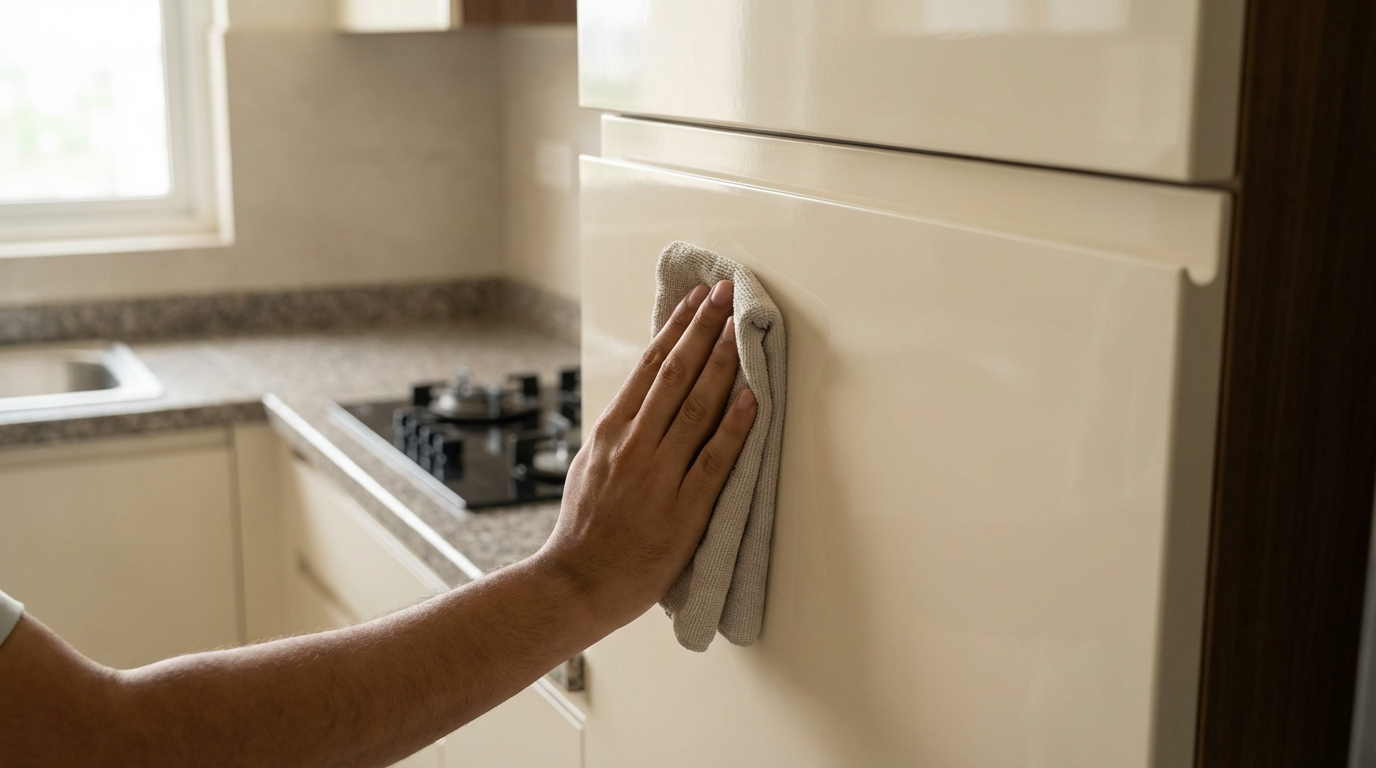
For routine cleaning, use a soft microfibre cloth dampened with plain water. For oil residue, add a few drops of mild dish soap to water. Wipe in the direction of any visible finish pattern (though quality PU should be pattern-free). Avoid abrasive scrubbers, steel wool, or harsh chemicals including bleach-based cleaners. Dry surfaces after wet cleaning to prevent water spotting, particularly on dark colours.
Handling Common Kitchen Stains
Turmeric stains—common in Indian kitchens—should be addressed immediately as the pigment can penetrate clear coats if left overnight. Wipe with mild soap solution, then rinse with clean water. For stubborn residue, a paste of baking soda and water left for 10–15 minutes usually works without damaging the finish. Avoid using lemon or vinegar solutions frequently as acidity can dull the finish over time.
Long-Term Care
Annually, inspect all PU surfaces for signs of peeling, bubbling, or adhesion loss, particularly around edges and near moisture sources. Minor chips can sometimes be touched up by the original manufacturer—maintain your warranty documentation and purchase records. Keep silica gel packets or moisture absorbers in closed cabinets during monsoon months if you live in humid regions.
Regional Considerations for Indian Homes
India's diverse climate conditions affect PU finish performance differently across regions.
Coastal and High-Humidity Areas
Mumbai, Chennai, Kolkata, and other coastal cities experience sustained high humidity that can compromise MDF substrate integrity even through small finish breaches. Specify marine-grade MR MDF and ensure all edges are fully sealed. Some premium manufacturers offer additional moisture barrier coatings for coastal installations at 10–15% price premium—a worthwhile investment for longevity.
Hot and Dry Regions
Extreme heat in Rajasthan, Gujarat interiors, and parts of Madhya Pradesh can cause differential expansion between MDF and PU coatings, potentially leading to micro-cracking over extended periods. Ensure kitchen installations include adequate ventilation and avoid placing cabinets directly against sun-facing walls without thermal insulation.
Metro vs Tier-2 City Availability
Major metropolitan cities have multiple established modular kitchen brands with proper spray facilities and trained applicators. Tier-2 and Tier-3 cities often have limited options—buyers may need to work with metro-based manufacturers who ship finished components. This adds transport costs but ensures quality execution. Local carpenters offering "PU finish" work typically lack the spray booths and controlled environments necessary for professional results.
Frequently Asked Questions
What is the full form of PU finish in kitchen cabinets?
PU stands for Polyurethane, a polymer compound formed by reacting polyols with isocyanates. In kitchen cabinet applications, polyurethane refers to the paint coating system where multiple layers create a hard, durable, chemically-resistant surface. The term encompasses both the paint chemistry and the multi-coat application process. Sometimes called PU paint or PU lacquer in Indian markets, all refer to the same polyurethane-based coating technology applied through spray systems in controlled factory environments.
Which is better for kitchen: PU finish or acrylic finish?
Both deliver excellent results for different priorities. PU finish offers unlimited custom colour options and slightly better repairability, making it ideal when matching specific interior schemes. Acrylic finish provides marginally higher gloss depth and comes in consistent factory-made sheets, ensuring colour uniformity across large installations. PU typically costs 15–25% less than premium acrylic options. For custom colour requirements, choose PU; for catalogue colours with maximum gloss, consider acrylic. Both outperform laminate for premium kitchen applications.
How long does PU finish last in Indian kitchens?
Quality PU finish from reputable manufacturers typically maintains its appearance for 8–12 years under normal Indian kitchen conditions. This assumes proper substrate selection (MR-grade MDF), adequate coating layers (minimum 4–6 coats), and reasonable maintenance practices. Factors reducing lifespan include excessive moisture exposure, harsh chemical cleaners, and poor original application quality. Coastal area installations may require more attention to edge sealing and may show earlier signs of wear around moisture-prone zones.
Can PU finish be applied on plywood kitchen cabinets?
While technically possible, applying PU finish on plywood is not recommended for quality-conscious installations. Plywood's natural wood grain eventually telegraphs through the paint surface, creating visible texture lines within 12–24 months, particularly noticeable in high-gloss finishes. MDF provides the grain-free, uniform surface that allows PU coatings to achieve their characteristic glass-smooth appearance. If plywood must be used for structural reasons, consider laminate or veneer finishes instead of PU.
Is PU finish kitchen waterproof and heat resistant?
PU finish provides excellent moisture resistance but is not technically waterproof—prolonged water exposure, especially through finish breaches at edges or joints, can damage the MDF substrate underneath. The finish itself withstands normal kitchen moisture exposure including steam and splashes without degradation. Heat resistance extends to brief contact with moderately hot vessels but not direct flame or sustained high-temperature exposure. Use trivets for hot cookware and avoid placing cabinets directly adjacent to gas hob flame zones.
What is the price of PU finish kitchen per sq ft in India?
PU finish for kitchen shutters typically ranges from ₹450–800 per square foot in Indian markets as of 2025–26. Standard matt and semi-gloss finishes in common colours occupy the lower end, while high-gloss, metallic, and custom colour-matched finishes command premium pricing. Metropolitan cities generally add 10–20% over Tier-2 pricing due to higher operational costs. Complete modular kitchen costs including carcass, hardware, and installation typically range from ₹2,500–4,500 per square foot for PU finish configurations.
How to clean and maintain PU finish kitchen cabinets?
Daily maintenance requires only a damp microfibre cloth for dust and light soil removal. For oil residue common in Indian cooking, use mild dish soap diluted in water and wipe clean. Avoid abrasive pads, scouring powders, and harsh chemicals including bleach or ammonia-based cleaners. Address turmeric stains immediately as they can penetrate clear coats if left overnight. Dry all surfaces after wet cleaning to prevent water spotting. Annual inspection of edges and joints helps identify early signs of moisture damage before they spread.
Can PU finish kitchen cabinets be repaired if damaged?
Minor surface scratches can sometimes be buffed out using automotive-grade polishing compounds on high-gloss finishes. Deeper damage, chips, or finish failure typically requires factory repair—the area must be stripped, re-primed, and recoated under spray booth conditions to achieve acceptable results. Field touch-ups rarely match factory finish quality and often remain visible. Maintain your purchase documentation and warranty certificates, as reputable manufacturers include provisions for repair services. Complete refinishing of individual panels is possible but economically sensible only for limited damage.
Disclaimer: This content is provided for general informational purposes based on industry practices and publicly available information. Product specifications, standards, prices, and availability may vary by manufacturer, region, and time. Readers should independently verify details with manufacturers, dealers, or qualified professionals before making purchase or construction decisions.Want Plywood Suggestions?
Share a few details and a Apple Ply specialist will suggest suitable brands and connect you to responsive dealers.