Plywood Care & Maintenance: Tips for Long-Lasting Woodwork
Keep your plywood furniture and panels looking great. Follow these care and maintenance tips to extend the life and beauty of your plywood pieces.
Understanding Plywood Fundamentals for Lasting Durability
Plywood, as an engineered wood product made by gluing thin veneers of wood together, demands specific care to maintain its structural integrity and aesthetic appeal. The core principle of plywood maintenance revolves around protecting its layered construction from moisture, physical damage, and environmental stressors. In practical terms, this means regular gentle cleaning, controlled humidity levels, and avoiding abrasive treatments that could delaminate the layers over time.
Why does this matter right from the start? Plywood's strength lies in its cross-grained veneers, which provide stability but make it vulnerable to swelling if water penetrates the edges or surfaces. For Indian households, where plywood is ubiquitous in furniture, cabinets, and wall panels, neglecting these basics leads to warping, peeling laminates, or fungal growth within 2-5 years. A clear early strategy: wipe surfaces daily with a soft, dry microfiber cloth to remove dust, and use a diluted mild soap solution weekly only if needed. Seal exposed edges with matching paint or edge banding immediately upon installation to block moisture entry points.
In South India, particularly in coastal areas like Chennai or Kochi, this foundational care is non-negotiable due to relentless humidity levels often exceeding 80% year-round. Modular kitchens here, fabricated via CNC machines for precision fitting, showcase beautiful plywood carcasses, but unchecked steam from cooking accelerates glue breakdown. Dealers often advise first-time buyers to invest in boiled water-resistant (BWR) or marine-grade plywood for such zones, but even these require vigilant edge sealing. Real-world failure cases abound: a Bangalore apartment's wardrobe doors sagged after two monsoons because unsealed bottoms absorbed floor moisture, costing owners a full replacement.
Trade-offs emerge here too—optical laminates offer easy wipeability but scratch easily, while natural veneer finishes demand more delicate handling yet age gracefully with proper waxing. The decision framework for beginners: assess your plywood's finish type (laminated, veneered, or painted), usage intensity (kitchen vs bedroom), and local climate to prioritize actions. High-use areas get daily attention; low-use ones suffice with monthly checks. This layered approach ensures plywood outlasts alternatives like solid wood in cost-effectiveness, often serving 15-20 years with discipline.
Expanding on Indian buyer scenarios, middle-class families in Mumbai or Delhi face dust-laden air from construction booms, embedding particles into unsealed pores. A practical carpenter insight: always test cleaners on hidden spots first, as alkaline soaps erode UV coatings on laminates. By internalizing these fundamentals, you transform plywood from a budget material into a heirloom-quality investment.
Daily and Weekly Cleaning Routines Tailored for Indian Homes
Establishing a consistent cleaning routine prevents the gradual degradation that plagues most plywood installations. Start daily with a soft-bristle brush or microfiber cloth to sweep away dust and debris, which in India's polluted urban environments acts like fine sandpaper on finishes. Avoid vacuum attachments with beater bars, as they snag edges and veneers. Weekly, prepare a solution of lukewarm water mixed with a few drops of pH-neutral dish soap—never ammonia-based cleaners, which strip protective layers and expose glue lines to air.
Dip the cloth lightly, wring thoroughly to near-dryness, and wipe in straight lines following the grain to minimize swirl marks. Rinse with a clean damp cloth and dry immediately with a towel. This method suits laminated plywood furniture like beds or study tables, preserving the high-pressure laminate's gloss without dulling it. In humid Kerala homes, where post-monsoon stickiness lingers, add a quick fan-dry step to evaporate residual moisture swiftly.
Why this matters in India: Urban apartments accumulate cooking oil vapors and incense soot, creating greasy films that attract dirt. A common oversight—using kitchen sponges transfers abrasive residues, leading to micro-scratches that harbor bacteria in modular kitchen cabinets. Edge cases include pet-owning households; trim pet nails and restrict access to finished surfaces, or use protective mats. Carpenter wisdom: for CNC-cut modular units popular in Hyderabad, clean crevices with compressed air cans monthly to prevent particle buildup in joints.
Real-world pitfalls: A Pune family ruined their TV unit by daily wet-mopping, causing laminate bubbling from trapped water. Trade-off—convenience of wet wipes versus longevity; opt for dry methods 90% of the time. For painted plywood, a 1:10 vinegar-water mix gently cuts grease without yellowing. This routine, clocking under 5 minutes daily, yields visible results: surfaces stay vibrant, hinges operate smoothly, and resale value holds if relocating.
Scaling for larger installations like wardrobes, divide into zones—tops weekly, interiors monthly. In dealer-driven buys common across Tamil Nadu, insist on care instruction pamphlets, but customize to your lifestyle. Discipline here compounds: consistent care halves repair needs over a decade.
Moisture Protection Strategies Essential for Monsoon-Prone Regions
Moisture is plywood's arch-nemesis, causing swelling, delamination, and mold in as little as weeks if unmanaged. Prime protection: maintain indoor humidity below 60% using dehumidifiers or silica gel packs in cabinets during monsoons. Elevate furniture legs by 4-6 inches off floors with risers, preventing capillary wicking from damp tiles—a staple in Mumbai's high-rises.
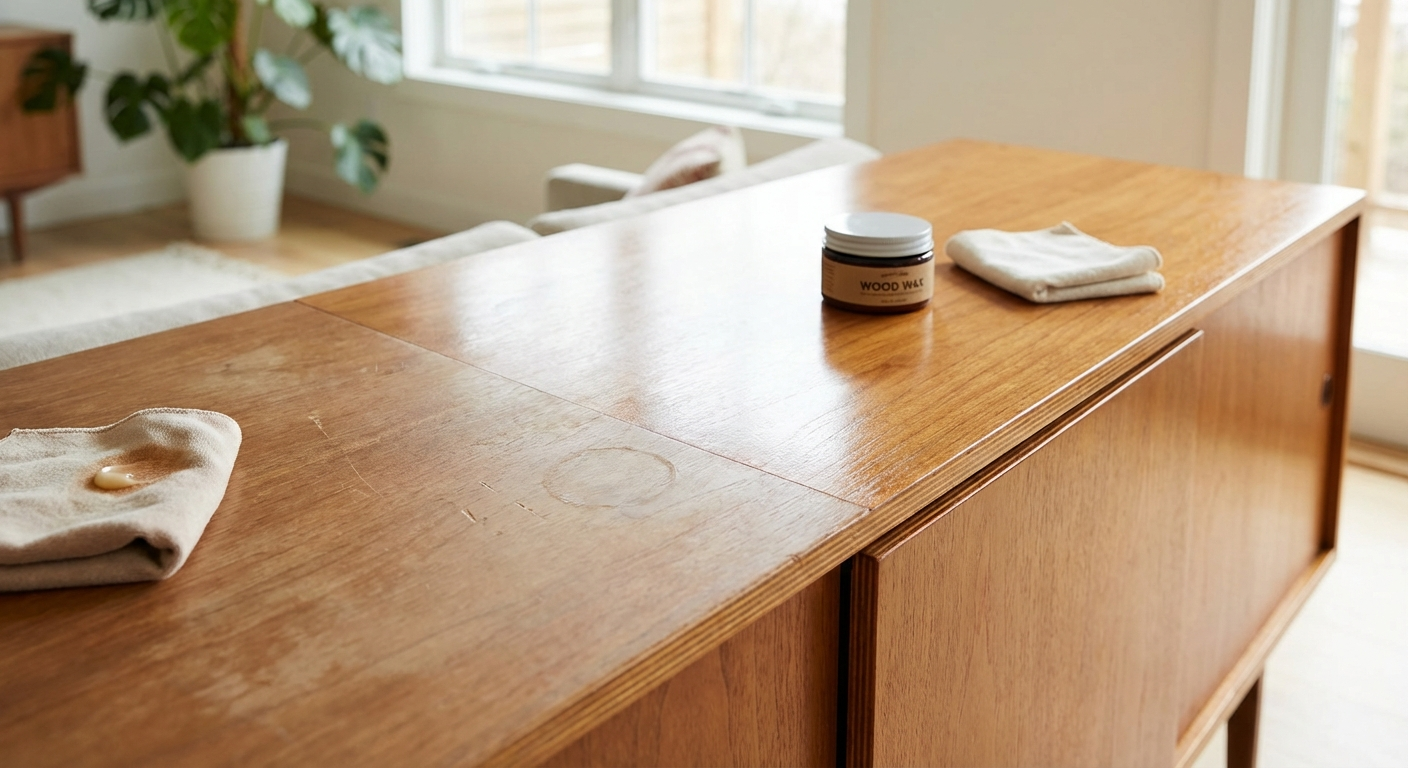
Seal all edges, cuts, and screw holes with waterproof varnish or epoxy immediately after installation. For veneered plywood, apply paste wax quarterly to create a hydrophobic barrier. In South India's coastal belts like Vizag, salt-laden air exacerbates corrosion on metal fittings, indirectly stressing plywood joints; opt for stainless steel hardware and ventilate rooms cross-breeze style.
Why this matters in India: Monsoons dump 70-90% humidity nationwide, but South India's prolonged rainy seasons (June-October) turn modular kitchens into steam chambers. Failure cases: Chennai homes report bubbling laminates in vanities from shower splashes, as unsealed edges absorb and expand unevenly. Carpenter tip: For CNC-fabricated island counters, under-mount sinks demand silicone caulking around perimeters.
Trade-offs—plastic laminates repel water better than wood veneers but fade under UV; veneers offer warmth but need vigilant sealing. Decision framework: Map high-moisture zones (kitchens, bathrooms) and assign grades—BWR plywood for moderate, marine for extreme—then layer protections like ventilation fans exhausting outdoors. Avoid humidifiers with standing water nearby, as leaks delaminate bases.
Practical scenarios: In Delhi winters, dry air cracks finishes, so balance with room humidifiers at 40-50%. Dealer insights from Kerala emphasize termite-proof treatments alongside moisture guards, as damp wood invites infestations. Proactive measures like annual professional humidity audits in large homes prevent 80% of warping claims.
Shielding Plywood from Heat, Sunlight, and Temperature Swings
Excessive heat warps plywood by softening glues, while UV rays bleach and brittle finishes. Position furniture away from direct sunlight, using sheer curtains or UV films on windows. In hot climates, maintain room temperatures below 35°C, avoiding proximity to radiators or air conditioner vents that cause uneven expansion.
For exposed pieces like shelves, apply UV-resistant topcoats yearly. Rotate or cover items seasonally to even wear. South India's scorching summers (up to 40°C in Bengaluru) amplify this; reflective paints on walls reduce indoor heat gain.
Indian context: Power outages leave ACs off, spiking temperatures in wardrobes and trapping heat. Failures: Ahmedabad godrej-style almirahs yellowed from balcony exposure. Mistakes—placing hot utensils directly on surfaces; always use trivets.
Trade-offs: Dark finishes absorb heat faster, light ones show dust more. Framework: Assess exposure level—low (interior): minimal action; high (verandas): full shielding. Carpenter advice: CNC laminates with metallic sheens resist fading best.
Edge cases: Festival decorations with lights generate localized heat—limit to 24 hours. This section ensures plywood retains color fidelity for 10+ years.
Proper Handling, Usage, and Avoiding Physical Damage
Treat plywood gently to preserve its engineered stability. Lift rather than drag furniture to avoid veneer tears. Overload limits: standard 18mm shelves hold 20-30kg per meter evenly distributed.
Use coasters, mats for hotspots. In kids' rooms, add corner bumpers. South India modulars: Secure wall cabinets with L-brackets against quakes.
Why India: Crowded homes overload shelves. Failures: Collapsed racks from books. Mistakes: Overtightening screws strips holes.
Trade-offs: Thicker plywood costs more but handles abuse. Framework: Usage chart by thickness.
| Thickness | Recommended Load/meter | Best For |
|---|---|---|
| 12mm | 10-15kg | Partitions, light cabinets |
| 18mm | 20-30kg | Shelves, furniture carcasses |
| 25mm | 40kg+ | Worktops, heavy storage |
Carpenter insight: Pre-drill for hardware.
Repairing Minor Damages Before They Escalate
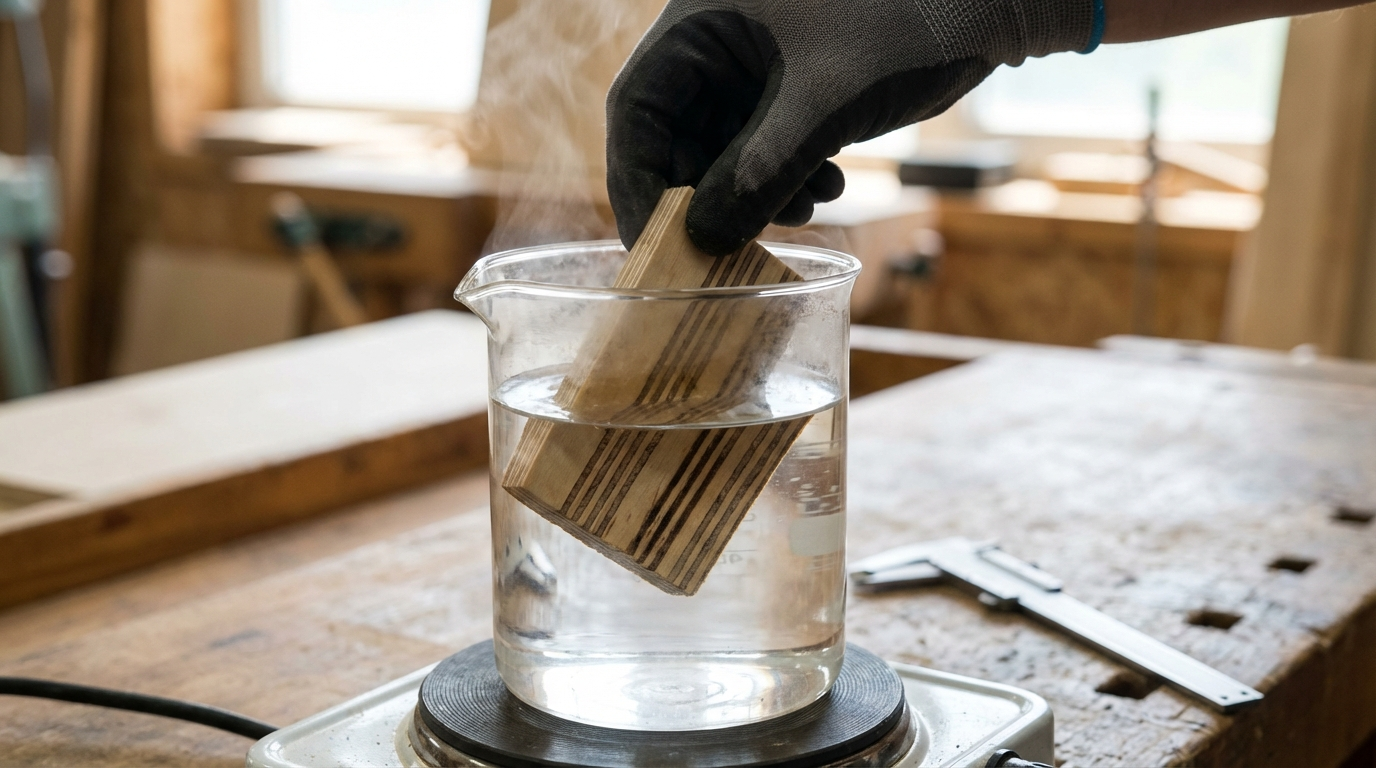
Address scratches with matching fillers, dents via steam-moisture technique. Loose joints: PVA glue and clamps. Bubbles: Slit, glue, press.
India specifics: Monsoon repairs urgent. Tools: Basic kit for homes.
Mistakes: Ignoring small issues leads to spread. Trade-offs: DIY vs pro.
Framework: Damage type matrix.
Seasonal and Long-Term Maintenance Calendar
Monsoon: Dehumidify. Summer: UV check. Winters: Hydrate.
Annual: Full inspection. India: Festival deep cleans.
Why South: Humidity cycles demand rigor.
Common Mistakes, Pitfalls, and Pro Carpenter Advice
Top errors: Excess water, harsh chemicals, neglect edges. India cases: Dust neglect, overload.
Avoidance framework: Checklist.
Frequently Asked Questions on Plywood Care
Can I use furniture polish on plywood?
Furniture polishes provide temporary shine but build residues dulling surfaces long-term. Opt for paste wax sparingly on veneers for natural protection, avoiding silicones on laminates that attract dust. In oily Indian kitchens, plain dry cloths suffice.
How often should I clean plywood furniture?
Daily dust-off, weekly wipe-downs, monthly deep cleans. Adjust for dust in North India or humidity South.
What to do if plywood warps?
Dry gradually, flatten under weight. Severe: Replace affected panel. Prevention beats cure.
Is plywood safe for kitchens in humid areas?
Yes with BWR grades, sealing, ventilation. South modulars thrive with care.
How to remove stains from laminated plywood?
Baking soda paste for grease, hydrogen peroxide for organics. Test first.
Does plywood need termite treatment maintenance?
Reapply barriers yearly, especially post-monsoon.
Can I paint over old plywood finishes?
Sand lightly, prime, paint. Matches new seamlessly.
When to call a professional for maintenance?
Structural issues, large repairs. DIY minors saves costs.
Disclaimer: This content is provided for general informational purposes based on industry practices and publicly available information. Product specifications, standards, prices, and availability may vary by manufacturer, region, and time. Readers should independently verify details with manufacturers, dealers, or qualified professionals before making purchase or construction decisions.Want Plywood Suggestions?
Share a few details and a Apple Ply specialist will suggest suitable brands and connect you to responsive dealers.