Moulded Skin Doors (Masonite): Types, Benefits & Applications
Everything about moulded skin doors - types, benefits, price & installation. Compare Masonite doors with other options for your home.
Quick Answer
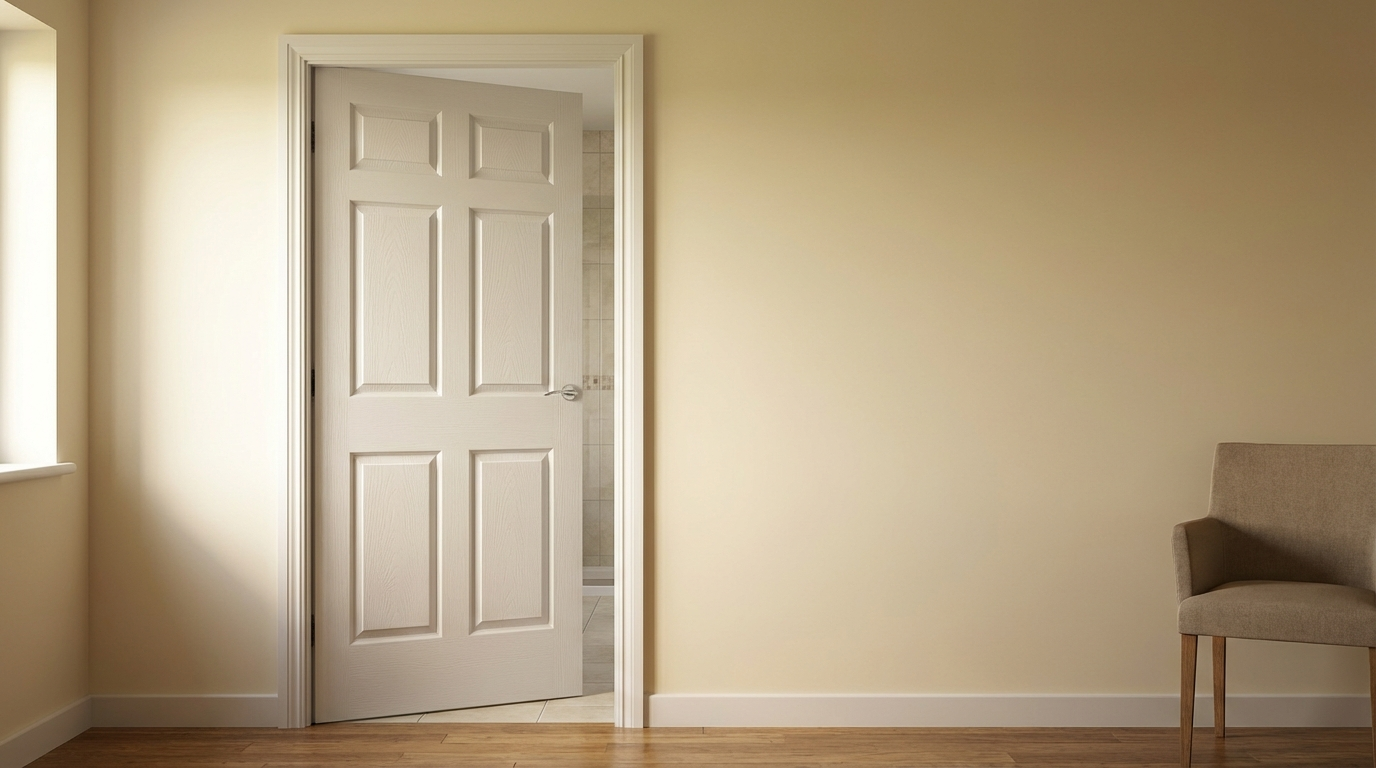
Moulded skin doors, commonly known as Masonite doors in India, are engineered interior doors featuring decorative pressed fibreboard skins bonded to a wooden frame core. These doors replicate the appearance of solid wood panel doors at a fraction of the cost, making them the most popular choice for residential interior applications across Indian homes, offering consistent quality, dimensional stability, and excellent value.
At a Glance
- Masonite is a brand name that has become synonymous with moulded skin door technology in India
- Available in hollow core (budget) and solid core (premium sound-dampening) variants
- Price range: ₹1,800–₹6,500 per door depending on core type, skin quality, and brand tier
- Ideal for bedrooms, bathrooms, offices, and all interior partition doors
- Not suitable for exterior applications or high-moisture direct contact areas
- Requires minimal maintenance compared to solid wood doors
Moulded Skin Doors Explained: What Makes Them Different
Moulded skin doors represent a significant advancement in door manufacturing technology that addresses the limitations of traditional solid wood doors. The term "Masonite" originates from the Masonite Corporation, which pioneered the hardboard manufacturing process in the early twentieth century. In India, this terminology has become generic, with many buyers using "Masonite door" to refer to any moulded skin door regardless of actual brand.
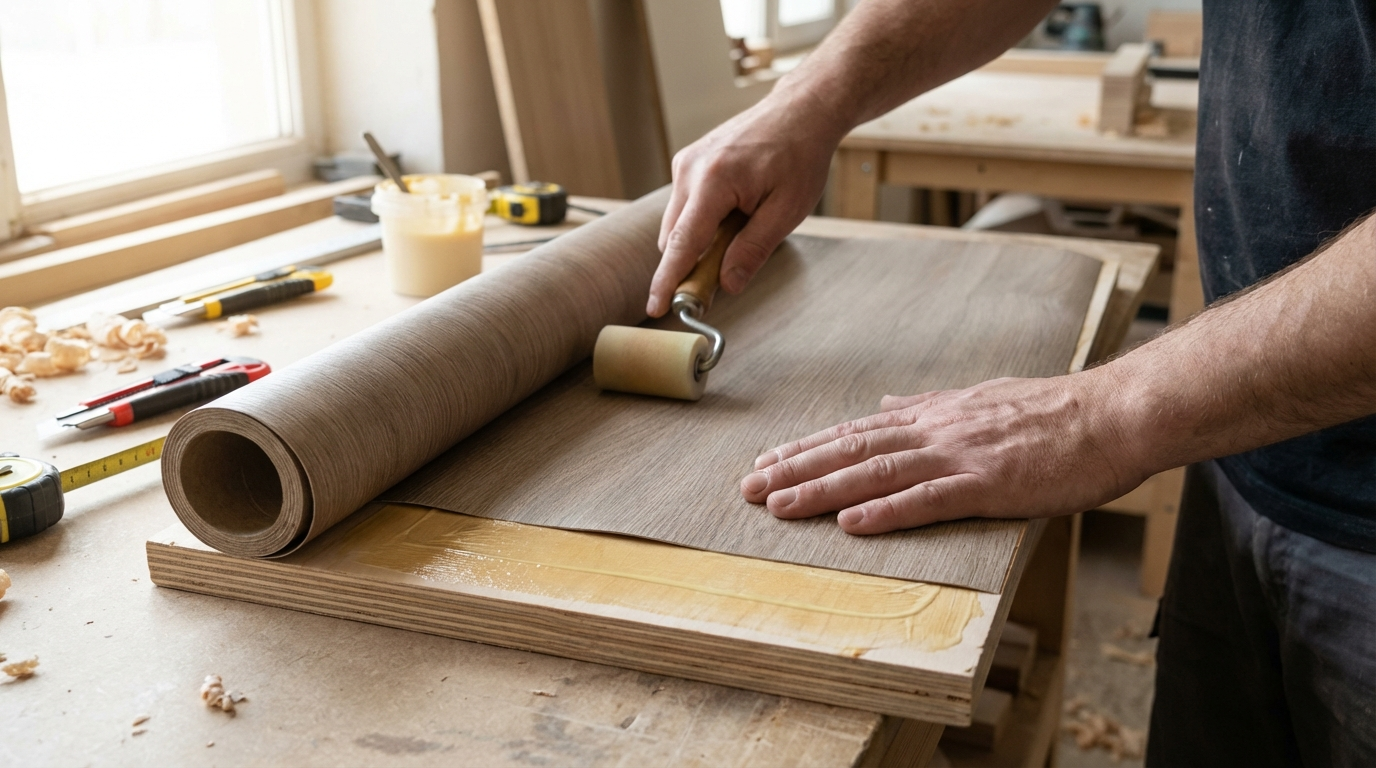
The manufacturing process involves creating High-Density Fibreboard (HDF) or Medium-Density Fibreboard (MDF) skins through a combination of wood fibres, resins, and heat pressing. These skins are moulded under high pressure to create decorative panel patterns that mimic traditional raised or recessed wood panel designs. The skins are then bonded to a structural frame, typically made from engineered wood or solid wood rails and stiles.
Core Construction Types
The internal structure of moulded skin doors significantly impacts their performance, weight, and cost. Hollow core doors feature a honeycomb cardboard or tubular core structure that provides basic stability while keeping weight minimal. This construction suits low-traffic areas where sound insulation is not critical. Solid core doors, conversely, contain particleboard, MDF, or composite wood filling that adds substantial weight and dramatically improves sound-dampening capabilities—a crucial consideration for home offices, bedrooms, and bathrooms in Indian homes where joint family living is common.
In the Indian market context, hollow core moulded doors dominate budget housing projects and rental properties, while solid core variants are increasingly specified in premium residential construction and renovation projects. The weight difference is immediately noticeable: hollow core doors typically weigh 12-18 kg, while solid core versions range from 25-35 kg for standard sizes.
Types of Moulded Skin Doors Available in India
Understanding the variety of moulded skin doors available helps buyers match their specific requirements with the right product. The Indian market offers several distinct categories based on panel design, core construction, and special features.
By Panel Design
Two-panel designs remain the most popular configuration in India, offering a balanced traditional aesthetic that complements most interior styles. Three-panel and five-panel variants provide more visual interest and work well in larger door openings. The panel patterns can feature raised edges (traditional look) or recessed/flat designs (contemporary appearance). Flush doors with smooth, unpanelled skins cater to minimalist modern interiors and are easier to paint or laminate.
By Skin Material Quality
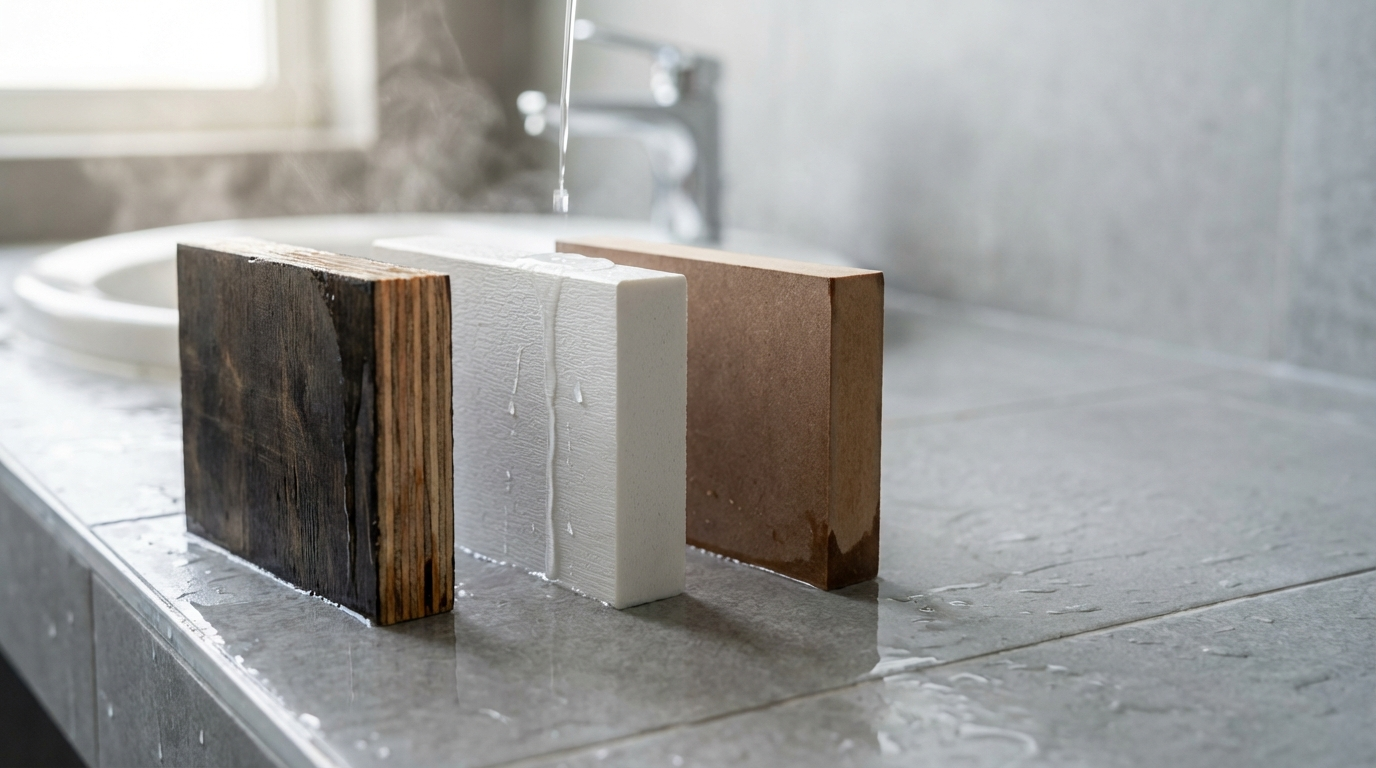
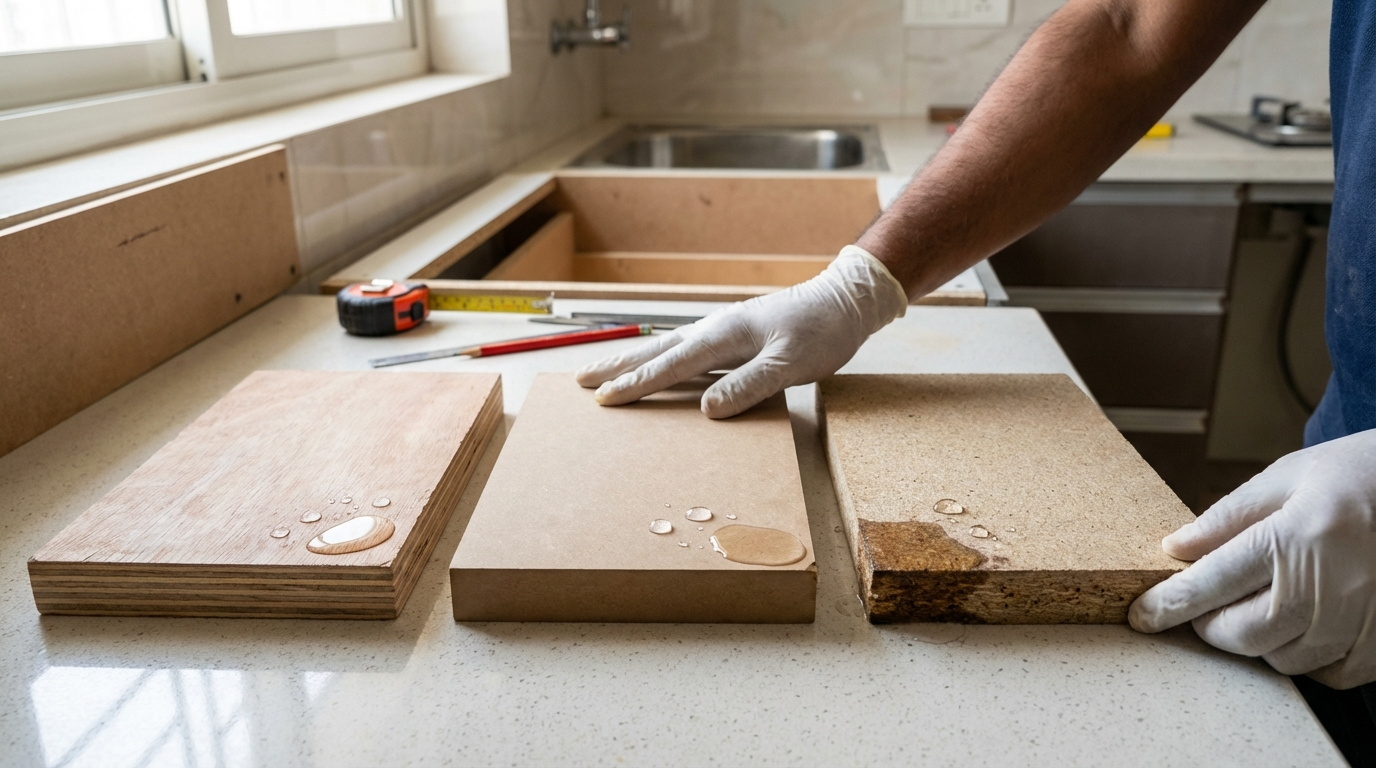
Standard HDF skins offer good durability and paint adhesion for typical residential use. Premium skins with higher density and smoother surfaces accept paint more evenly and resist minor impacts better. Moisture-resistant skins incorporate special resins that provide limited water resistance, though these should not be confused with waterproof doors—no moulded skin door is truly waterproof.
By Core Construction
Hollow core doors suit closets, storage areas, and low-budget interior applications. Solid core doors are recommended for bedrooms, bathrooms, and home offices where noise reduction matters. Tubular core doors represent a middle ground, using cardboard tubes for moderate strength and some sound dampening at a price point between hollow and solid options.
Speciality Variants
Fire-rated moulded doors meet specific fire resistance standards for commercial and high-rise residential buildings. Louvered moulded doors incorporate ventilation slats for utility rooms and pantries. Pre-finished doors come factory-painted or laminated, saving on-site finishing time but limiting colour customisation options.
Moulded Skin Doors Comparison Table
| Feature | Hollow Core Moulded | Solid Core Moulded | Solid Wood Door | Flush Door (Block Board) |
|---|---|---|---|---|
| Price Range (₹ per door) | 1,800–2,800 | 3,500–6,500 | 8,000–25,000 | 2,500–5,000 |
| Weight (Standard Size) | 12–18 kg | 25–35 kg | 30–50 kg | 20–30 kg |
| Sound Dampening | Poor | Good to Excellent | Excellent | Moderate |
| Moisture Resistance | Low | Moderate | Variable (wood type) | Moderate |
| Warping Risk | Very Low | Very Low | High | Moderate |
| Paint Finish Quality | Good | Good to Excellent | Excellent | Fair |
| Maintenance Required | Minimal | Minimal | Regular | Low |
| Best Application | Closets, Storage | Bedrooms, Offices | Premium Interiors | General Interior |
Benefits of Choosing Moulded Skin Doors
The widespread adoption of moulded skin doors in Indian residential construction reflects several practical advantages that address real-world concerns of homeowners, builders, and contractors.
Dimensional Stability
Unlike solid wood doors that expand and contract with humidity changes—a significant concern during Indian monsoons—moulded skin doors maintain their dimensions consistently. This stability prevents the common problems of doors sticking in frames during humid months or developing gaps during dry seasons. For coastal cities like Mumbai, Chennai, and Kolkata, this characteristic alone justifies the choice over traditional wood doors.
Cost-Effectiveness
Moulded doors deliver the aesthetic appeal of panelled wood doors at thirty to fifty percent of the cost. This savings becomes substantial in apartment projects or homes with ten or more interior doors. The consistent factory quality also eliminates the variability associated with carpenter-made doors, reducing callbacks and rework costs.
Uniform Appearance
Factory production ensures every door has identical panel dimensions, consistent skin thickness, and uniform surface quality. When painting multiple doors in a home, this consistency results in professional, matching finishes across all rooms—something difficult to achieve with site-made doors.
Environmental Considerations
Moulded doors use wood fibres more efficiently than solid wood doors, often incorporating recycled wood content. For environmentally conscious buyers, this represents a more sustainable choice while still achieving a wood-like appearance.
Ease of Installation
Standard sizing and pre-hung options simplify installation for carpenters. The lighter weight of hollow core variants also makes handling easier on upper floors where lifting heavy solid wood doors presents challenges. Many dealers now offer pre-hung door sets with frames, further reducing installation complexity and time.
How to Choose the Right Moulded Skin Door
Selecting the appropriate moulded door requires evaluating several factors specific to your application, budget, and long-term expectations. A systematic approach prevents costly mistakes and ensures satisfaction with your purchase.
Decision Framework
Start by identifying the room's function and traffic level. Bedrooms and home offices benefit from solid core doors that reduce sound transmission—particularly important in Indian homes where multiple generations often share living spaces. Closets, pantries, and storage rooms can use hollow core doors without compromising functionality. Bathrooms require careful consideration: while solid core doors provide privacy through sound reduction, the higher moisture environment demands doors with better moisture-resistant skins.
Buyer Checklist
- Measure door openings accurately—standard Indian sizes differ from Western dimensions
- Check if existing frames are suitable or require replacement
- Decide between pre-hung (with frame) and slab-only options based on renovation scope
- Compare skin thickness: 3mm HDF skins are standard, 4mm offers better durability
- Verify the core material specification in writing, not just verbal assurance
- Request sample pieces to assess surface quality and paint adhesion
- Confirm warranty terms and what conditions void coverage
When NOT to Choose Moulded Skin Doors
Avoid moulded doors for external applications—they lack weathering resistance regardless of marketing claims. High-security applications require solid wood or metal doors instead. If you expect frequent impact or rough handling, particularly in commercial settings, solid wood or commercial-grade steel doors provide better durability. For areas with standing water exposure, such as certain bathroom configurations common in older Indian homes with floor-level drainage, moulded doors will deteriorate regardless of moisture-resistant treatments.
Common Mistakes to Avoid When Buying Moulded Doors
Years of market observation reveal recurring errors that buyers make when selecting and installing moulded skin doors. Awareness of these pitfalls helps ensure a successful purchase.
Confusing Hollow Core for Solid Core
The most frequent complaint involves receiving hollow core doors when solid core was expected. This typically occurs due to unclear specifications in quotations or deliberate misrepresentation by unscrupulous dealers. The simplest verification method: knock on the door surface. Hollow core doors produce a distinctly hollow sound, while solid core doors emit a dull thud. Also, lift the door—solid core doors are noticeably heavier.
Ignoring Moisture Exposure Realities
Installing standard moulded doors in poorly ventilated bathrooms or near kitchen sinks leads to skin delamination within two to three years. The edges are particularly vulnerable where the HDF skin meets the frame. Either choose moisture-resistant variants or ensure adequate ventilation to prevent sustained humidity contact.
Inadequate Edge Sealing
Many buyers focus on the door faces while neglecting edge treatment. Unsealed top and bottom edges absorb moisture rapidly, leading to swelling and delamination. Insist on proper edge sealing during painting or finishing, particularly for bathroom doors.
Wrong Size Assumptions
Indian door sizes vary significantly between regions and building types. Standard apartment doors typically measure 2050mm x 810mm, but older constructions and independent houses often have non-standard openings. Always measure existing openings before ordering—assuming standard sizes leads to costly modifications.
Quick Inspection Checks
- Run your palm across the door face to detect surface irregularities or bubbles
- Check all four edges for consistent bonding without visible gaps
- Examine panel recesses for uniform depth and clean moulding definition
- Verify that the door lies flat without warping or twisting
- Inspect for any cracks at panel intersections
Overlooking Installation Quality
Even premium moulded doors fail prematurely with poor installation. Ensure frames are plumb and level, hinges are properly mortised, and adequate clearance exists at the bottom for floor finish transitions. Indian carpenters sometimes force-fit doors, creating stress that causes eventual warping.
Price Guide for Moulded Skin Doors in India
Door pricing varies significantly based on multiple factors, making broad generalizations potentially misleading. Understanding what drives price differences helps buyers evaluate quotations accurately.
Price Range by Category
| Door Type | Metro Cities (₹) | Tier-2 Cities (₹) | Factors Affecting Price |
|---|---|---|---|
| Hollow Core Basic | 1,800–2,200 | 2,000–2,500 | Transport costs, local demand |
| Hollow Core Premium Skin | 2,200–2,800 | 2,500–3,200 | Skin quality, brand reputation |
| Solid Core Standard | 3,500–4,500 | 4,000–5,200 | Core material density |
| Solid Core Premium | 5,000–6,500 | 5,500–7,500 | Brand warranty, skin thickness |
| Pre-Hung with Frame | Add ₹800–1,500 | Add ₹1,000–1,800 | Frame material, hardware quality |
What Causes Price Variation
Brand tier significantly impacts pricing, with established manufacturers commanding fifteen to thirty percent premiums over unbranded alternatives. This premium often reflects better quality control, consistent skin bonding, and actual warranty support. Core density directly correlates with sound performance and cost—denser solid cores cost more to manufacture and transport.
Geographic location affects prices through transport costs and local competition density. Metro markets like Delhi NCR and Mumbai typically offer lower prices due to intense competition among dealers, while Tier-2 and Tier-3 cities often pay premiums for the same products. GST at eighteen percent applies uniformly, but transport adds three to eight percent depending on distance from manufacturing hubs in Gujarat, Maharashtra, and Tamil Nadu.
Budget Allocation Recommendations
For a typical three-bedroom apartment with eight to ten interior doors, expect to allocate ₹25,000–₹40,000 for hollow core doors with installation, or ₹50,000–₹80,000 for solid core throughout. A practical approach uses solid core for bedrooms and bathrooms while selecting hollow core for closets and utility areas, balancing performance requirements with budget constraints.
Installation and Maintenance Best Practices
Proper installation and ongoing care maximise the lifespan and appearance of moulded skin doors. These practices apply regardless of brand or price point.
Installation Essentials
Pre-hung doors simplify installation but require accurate frame sizing. Verify that door frames are plumb and level before mounting—out-of-square frames create permanent stress on the door. Maintain consistent gaps around the door perimeter: 3mm on sides and top, 8-12mm at bottom depending on floor finish. Use minimum three hinges for doors above standard height to prevent sagging over time.
Carpenter's Perspective
Experienced carpenters emphasise the importance of letting doors acclimatise to site conditions for forty-eight to seventy-two hours before installation, particularly during monsoon season. This allows moisture content to equilibrate, reducing post-installation movement. They also recommend sealing all exposed edges, including hinge mortises and lock bores, before hanging the door.
Painting and Finishing
Moulded skins accept paint well, but surface preparation determines final quality. Light sanding with 180-grit sandpaper followed by primer ensures optimal paint adhesion. Two coats of acrylic or enamel paint provide durable finishes suitable for Indian conditions. For bathrooms, specify moisture-resistant paint systems and pay particular attention to edge sealing.
Ongoing Maintenance
Clean doors periodically with damp cloth and mild soap—avoid soaking the surface. Check and tighten hinge screws annually, as door weight creates gradual loosening. Address any paint chips or scratches promptly to prevent moisture ingress. In humid climates, periodic inspections of door bottoms help catch early signs of moisture damage before extensive delamination occurs.
Frequently Asked Questions
What is the full form of Masonite door?
Masonite is not an acronym but a brand name derived from the Masonite Corporation, founded by William H. Mason in the 1920s in the United States. The company developed the process of creating hardboard from wood fibres under high pressure and heat. In India, "Masonite door" has become a generic term for any moulded skin door, similar to how "Xerox" became synonymous with photocopying. Technically, these are properly called "moulded HDF skin doors" or "moulded panel doors."
Which is better: moulded door or flush door?
The better choice depends on your priorities. Moulded doors offer aesthetic panel designs that replicate traditional wood doors, making them preferable for visible living spaces where appearance matters. Flush doors have smooth, flat surfaces better suited for modern minimalist interiors or where laminate/veneer finishing is planned. In terms of durability, quality flush doors with block board cores may outperform cheap moulded doors, but premium moulded doors with solid cores offer superior sound insulation. For most Indian residential applications, moulded doors provide better value in living areas while flush doors work well for utility spaces.
Are moulded skin doors good for bathrooms?
Moulded skin doors can work in bathrooms with proper precautions, but require careful selection and installation. Choose solid core variants with moisture-resistant skins specifically designed for humid environments. Ensure the door bottom maintains clearance from wet floors—never allow the door to contact standing water. Proper edge sealing and moisture-resistant paint finishes are essential. In bathrooms with poor ventilation or those prone to flooding during monsoons, consider alternative materials. Many homeowners successfully use moulded doors in bathrooms for years with proper care, while others experience delamination within months due to installation oversights.
What is the price of moulded door in India?
Moulded door prices in India range from approximately ₹1,800 for basic hollow core doors to ₹6,500 or more for premium solid core variants. Standard-size doors (2050mm x 810mm) from recognized brands typically cost ₹2,500–₹4,000 for hollow core and ₹4,500–₹6,000 for solid core in metro markets. Prices increase by ten to twenty percent in Tier-2 and Tier-3 cities due to transport costs. Pre-hung options with frames add ₹800–₹1,800. Always get itemized quotations specifying core type, skin thickness, and warranty terms to enable accurate comparisons across suppliers.
How to check moulded door quality before buying?
Quality verification involves several practical checks. First, knock on the door surface—hollow core produces a distinctly hollow sound while solid core gives a dull thud. Lift the door to verify weight consistency with claimed core type. Examine the surface for bubbles, dents, or uneven skin bonding by running your palm across it. Check edges for secure skin adhesion without gaps or lifting. Verify panel definition is crisp and uniform, not blurred or inconsistent. Ask for cut-section samples showing actual core construction. Finally, confirm warranty documentation and dealer authorisation for the brand being purchased.
Can moulded skin doors be used for main entrance?
No, moulded skin doors are not suitable for main entrance or any external application. These doors lack weather resistance, UV protection, and security features required for exterior use. Exposure to rain, direct sunlight, and temperature fluctuations causes rapid deterioration of HDF skins and core materials. For main entrances, consider solid wood doors, engineered wood doors with weather-resistant treatments, or metal doors specifically designed for exterior applications. Some buyers confuse heavy solid core moulded doors with exterior-grade products—regardless of weight, no standard moulded skin door is engineered for outdoor exposure.
How long do moulded skin doors last?
With proper installation and maintenance, quality moulded skin doors typically last fifteen to twenty years in appropriate indoor applications. Hollow core doors in low-traffic areas may last even longer due to minimal wear. Solid core doors in bedrooms and bathrooms often remain functional for the building's lifetime if moisture exposure is controlled. However, poor installation, inadequate edge sealing, or bathroom use without proper precautions can reduce lifespan to three to five years. Brand warranties typically cover five to seven years for manufacturing defects, though actual longevity often exceeds warranty periods in well-maintained homes.
What is the difference between HDF and MDF moulded door skins?
HDF (High-Density Fibreboard) and MDF (Medium-Density Fibreboard) differ primarily in density and resulting performance characteristics. HDF skins, with density above 800 kg/m³, offer superior hardness, better resistance to minor impacts, and improved moisture resistance compared to MDF skins. Most quality moulded doors use HDF skins because they hold paint better, resist denting, and maintain surface integrity longer. MDF-skinned doors cost less but are more prone to damage from impact and moisture. When purchasing, verify skin material specification—many dealers loosely use these terms interchangeably despite meaningful performance differences. Premium moulded doors consistently specify HDF skins in their technical documentation.
Disclaimer: This content is provided for general informational purposes based on industry practices and publicly available information. Product specifications, standards, prices, and availability may vary by manufacturer, region, and time. Readers should independently verify details with manufacturers, dealers, or qualified professionals before making purchase or construction decisions.Want Plywood Suggestions?
Share a few details and a Apple Ply specialist will suggest suitable brands and connect you to responsive dealers.