FRP Doors: Complete Guide to Fiber Reinforced Plastic Doors for Your Home
Discover everything about FRP doors - benefits, price range, installation tips & top manufacturers in India. Best FRP door solutions for homes & offices.
Quick Answer
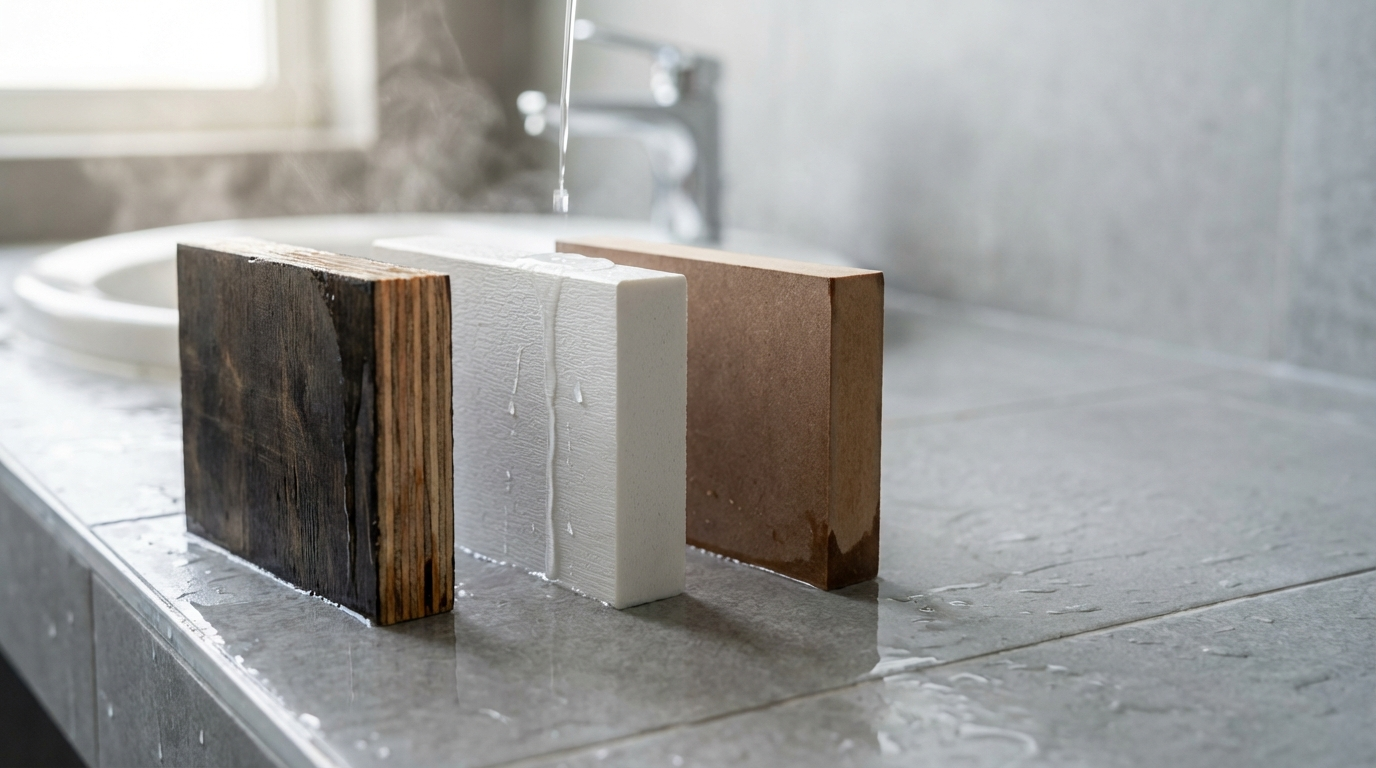
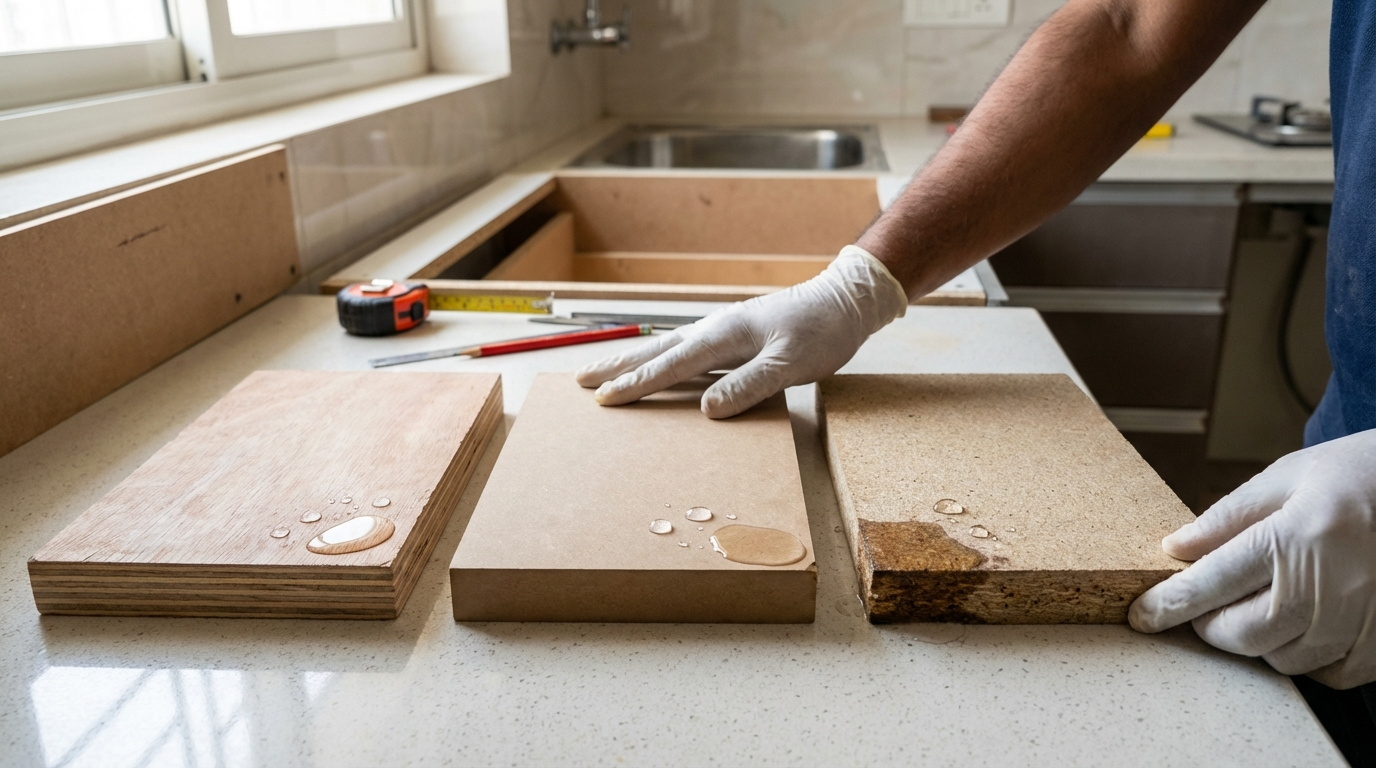
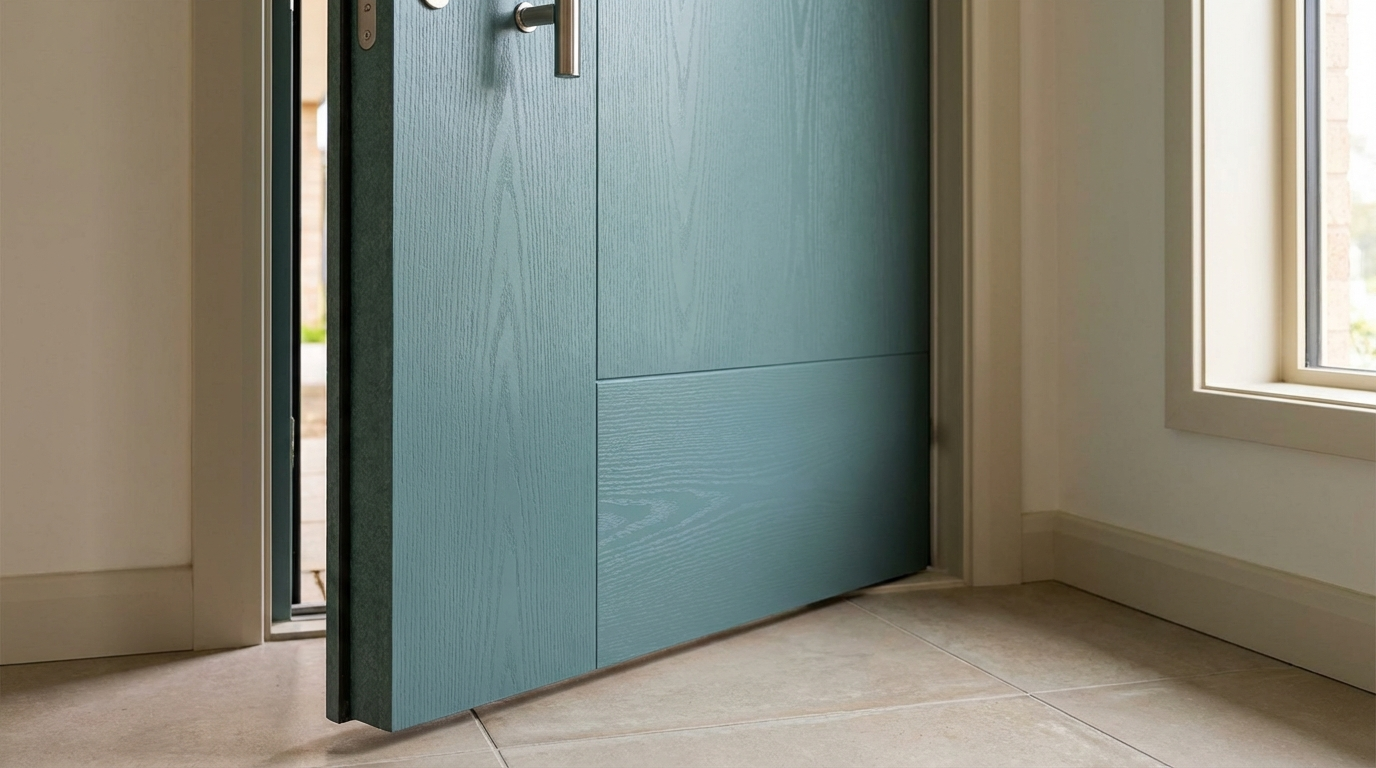
FRP doors, or Fiber Reinforced Plastic doors, are composite doors made from fiberglass and polymer resins that offer exceptional water resistance, termite-proof properties, and low maintenance requirements. These doors have become a preferred alternative to traditional wooden doors in Indian homes, particularly for bathrooms, kitchens, and areas exposed to moisture.
At a Glance
- Full Form: FRP stands for Fiber Reinforced Plastic (also called Fiberglass Reinforced Plastic)
- Price Range: ₹150–350 per sq ft for standard doors; ₹400–650 per sq ft for designer variants
- Best Applications: Bathrooms, kitchens, balconies, commercial spaces, and coastal area homes
- Key Advantage: 100% waterproof and termite-proof unlike wooden alternatives
- Lifespan: 15–25 years with minimal maintenance in typical Indian conditions
- Core Types: Solid core, hollow core, and foam-filled variants available
Understanding FRP Doors: Complete Breakdown
FRP doors are manufactured by combining fiberglass reinforcement with unsaturated polyester resin to create a composite material that outperforms traditional wood in moisture-prone environments. The manufacturing process involves either hand lay-up techniques or compression moulding, where fiberglass mat is saturated with resin and pressed into door-shaped moulds. This creates a non-porous, dimensionally stable product that does not absorb water or expand with humidity changes.
In practical Indian market terms, FRP doors have gained significant traction over the past decade due to their ability to withstand the harsh monsoon conditions that cause wooden doors to swell, warp, and deteriorate. The material composition typically includes chopped strand mat (CSM) fiberglass embedded in fire-retardant grade polyester resin, with a UV-stabilized gel coat finish on the outer surface for weather resistance.
How FRP Doors Are Constructed
A standard FRP door consists of multiple layers working together. The outer surface features a smooth or textured gel coat that provides the aesthetic finish and UV protection. Beneath this lies the structural FRP laminate, typically 3–5mm thick on each face. The core varies based on door type—solid wood frames with wooden blocks at hardware mounting points for panel doors, or honeycomb/foam fill for flush doors. This construction ensures excellent screw-holding capacity while maintaining the lightweight advantage FRP is known for.
The internal wooden frame and blocks are typically made from seasoned wood, strategically placed at hinge points, lock positions, and tower bolt locations. This hybrid construction allows standard hardware installation without compromising the door's waterproof properties, as the wood remains encapsulated within the FRP shell.
Types of FRP Doors Available in India
The Indian market offers several FRP door variants, each suited to specific applications and budget requirements. Understanding these types helps in making informed purchasing decisions based on your actual usage needs.
FRP Flush Doors
These are flat-surfaced doors with a smooth or lightly textured finish, commonly used in bathrooms and service areas. The core is typically filled with thermocol or PUF (polyurethane foam) insulation, making them lightweight yet sturdy. Standard thickness ranges from 25mm to 35mm, with 30mm being the most common trade size. FRP flush doors are the most economical option in the category, priced between ₹150–250 per sq ft depending on finish quality.
FRP Panel Doors
Conforming to IS 14856:2000, these doors feature raised panels with rails and stiles, mimicking traditional wooden door aesthetics. The construction involves 3mm thick FRP laminate for panels and hollow FRP sections for rails and styles, with internal wooden frames for structural integrity. These are commonly specified in government contracts (CPWD, PWD, MES, Railways) and residential projects where appearance matters alongside performance.
FRP Designer/Textured Doors
These premium variants feature wood grain finishes, contemporary patterns, or custom textures that replicate the look of teak, walnut, or other decorative woods. The textured surface is achieved through specialized moulds during manufacturing. Priced at ₹300–650 per sq ft, these doors serve living rooms, bedrooms, and main entrances where aesthetic appeal is prioritized.
Fire-Rated FRP Doors
Manufactured with fire-retardant grade resins and specialized core materials, these doors meet specific fire resistance ratings required in commercial buildings, kitchens near gas lines, and high-rise apartments. They cost approximately 30–50% more than standard FRP doors but provide critical safety benefits in emergency situations.
FRP Doors vs Other Door Materials: Comparison
Choosing the right door material requires understanding how FRP stacks up against alternatives commonly available in the Indian market. Each material has distinct advantages depending on installation location and usage patterns.
| Feature | FRP Doors | Wooden Doors | PVC Doors | WPC Doors |
|---|---|---|---|---|
| Water Resistance | Excellent (100% waterproof) | Poor (swells, warps) | Good | Very Good |
| Termite Resistance | Excellent (termite-proof) | Poor (requires treatment) | Excellent | Excellent |
| Strength/Impact Resistance | High | High | Low to Medium | Medium |
| Weight | Light to Medium | Heavy | Very Light | Medium |
| Aesthetic Options | Good (wood-grain textures available) | Excellent (natural grain) | Limited | Good |
| Price Range (₹/sq ft) | 150–650 | 300–1,500+ | 80–180 | 200–450 |
| Maintenance | Very Low | High (polishing, treatments) | Low | Low |
| Lifespan | 15–25 years | 10–20 years (with care) | 8–12 years | 12–18 years |
| Best For | Bathrooms, kitchens, coastal areas | Main doors, living rooms | Budget bathrooms | All-purpose interior |
When FRP Outperforms Wood
In coastal cities like Mumbai, Chennai, and Kochi, where salt-laden air and high humidity are constant factors, FRP doors significantly outperform wooden alternatives. The same applies to bathroom installations across India, where daily exposure to water and steam would rapidly deteriorate wooden doors. Industrial and commercial spaces with chemical exposure or frequent cleaning requirements also benefit from FRP's corrosion-resistant properties.
How to Choose the Right FRP Door
Selecting an FRP door involves matching the product specifications to your specific installation requirements. The wrong choice leads to either overspending on features you don't need or underspecifying for conditions that demand better performance.
Decision Framework by Application
For bathroom installations, prioritize fully waterproof flush doors with smooth finishes that don't trap moisture. Thickness of 25–30mm is adequate since these doors face limited impact but constant humidity. For main entrances and living spaces, invest in designer panel doors with solid cores that offer better impact resistance and aesthetic appeal. Commercial installations require fire-rated options where regulations mandate, with reinforced cores for high-traffic durability.
Buyer Checklist
- Verify IS 14856:2000 compliance for panel doors—check for stamp on product or manufacturer certificate
- Confirm core type—solid wood frame for hardware mounting points versus foam-filled for lightweight requirements
- Check gel coat quality—UV-stabilized coating essential for outdoor-facing installations
- Measure frame compatibility—FRP doors work best with FRP, PVC, or WPC frames rather than wooden frames in wet areas
- Assess thickness—30mm standard for residential, 35–40mm for heavy-duty commercial use
- Request fire retardancy certification if installing near cooking areas or in commercial buildings
- Verify warranty terms—reputable manufacturers offer 5–10 year warranties
When NOT to Choose FRP Doors
FRP doors are not ideal for heritage restoration projects where authentic wooden aesthetics are non-negotiable. They also underperform in applications requiring exceptional sound insulation—solid wood or specialized acoustic doors serve better for recording studios or home theaters. For budget-constrained projects where moisture exposure is minimal, standard plywood flush doors offer adequate performance at lower cost. Additionally, FRP doors cannot be easily modified on-site—unlike wood, they cannot be planed, trimmed significantly, or have their design altered post-manufacture.
FRP Door Price Guide for India
FRP door pricing varies significantly based on construction type, finish quality, brand positioning, and regional factors. Understanding these variables helps in setting realistic budgets and identifying fair pricing.
| Door Type | Thickness | Price Range (₹/sq ft) | Price per Standard Door (7×3 ft) | Typical Application |
|---|---|---|---|---|
| Basic FRP Flush Door | 25–30mm | ₹150–220 | ₹3,150–4,620 | Budget bathrooms |
| Standard FRP Flush Door | 30mm | ₹220–300 | ₹4,620–6,300 | Residential bathrooms, kitchens |
| FRP Panel Door (IS 14856) | 35–40mm | ₹350–500 | ₹7,350–10,500 | Government projects, offices |
| Designer/Textured FRP Door | 30–35mm | ₹400–650 | ₹8,400–13,650 | Living rooms, bedrooms |
| Fire-Rated FRP Door | 40mm+ | ₹500–800 | ₹10,500–16,800 | Commercial, kitchens |
What Drives Price Variation
Gel coat quality significantly impacts pricing—UV-stabilized, scratch-resistant finishes cost more but deliver longer aesthetic life. Core construction matters too; doors with seasoned hardwood internal frames command premium pricing over softwood alternatives. Brand positioning plays a role, with established manufacturers like Astral, Everest, and Ventura pricing 15–25% higher than regional producers for similar specifications.
Geographic factors affect final cost substantially. Metro cities typically see higher retail margins, while transport costs add ₹30–80 per door for deliveries beyond 200km from manufacturing hubs in Gujarat, Karnataka, and Tamil Nadu. GST at 18% applies to finished FRP doors, adding to the landed cost. When comparing quotes, ensure you're comparing identical specifications—door price versus door-with-frame price, and factory pickup versus delivered pricing.
Common Mistakes to Avoid When Buying FRP Doors
Years of market observation reveal recurring errors that buyers and even contractors make when specifying or purchasing FRP doors. Avoiding these mistakes saves money and prevents premature door failure.
Specification Errors
Choosing hollow-core for exterior use: Hollow FRP doors are designed for interior bathroom applications. Using them for exterior or high-traffic installations leads to panel flexing and eventual cracking. Always specify solid-core or reinforced variants for main doors and commercial entrances.
Ignoring frame compatibility: Installing FRP doors in untreated wooden frames in wet areas defeats the purpose. The wooden frame absorbs moisture and swells, causing door misalignment even though the door itself remains unaffected. Use FRP, PVC, or WPC frames in bathrooms and kitchens.
Skipping UV resistance verification: Standard FRP doors without UV-stabilized gel coat will yellow and chalk when exposed to sunlight. For balcony doors or those receiving direct sunlight, confirm UV resistance in product specifications.
Installation Mistakes
Over-tightening hardware: Unlike wood that compresses gradually, FRP can crack around screw holes if hardware is over-torqued. Pre-drill at recommended sizes and tighten just until firm.
Cutting without proper tools: FRP requires carbide-tipped blades or diamond cutting wheels. Standard wood-cutting blades cause delamination and rough edges. Minor trimming should not exceed 10mm on any side.
Quick Inspection Checks
- Tap test: Knock across the door surface—consistent sound indicates uniform construction; hollow spots suggest manufacturing defects
- Edge examination: Check edges for complete sealing—exposed fiberglass strands indicate poor finishing
- Flex test: Apply moderate pressure to center—excessive flexing suggests inadequate core support
- Surface inspection: Look for gel coat bubbles, pinholes, or waviness that indicate manufacturing issues
- Hardware insert verification: Confirm wooden blocks are present at hinge and lock positions by tapping those areas
FRP Door Maintenance and Longevity
One of FRP's primary advantages is minimal maintenance requirement compared to wooden alternatives. However, following basic care practices extends service life and maintains appearance.
Routine Cleaning
Clean FRP doors monthly with mild soap solution and soft cloth. Avoid abrasive scrubbers that scratch the gel coat surface. For textured finishes, use soft-bristled brushes to clean grooves without damaging the texture. Never use harsh chemicals, acetone, or bleach-based cleaners as these degrade the resin surface over time.
Hardware Maintenance
Lubricate hinges every six months with light machine oil. Check and tighten screws annually—FRP doesn't grip screws as tightly as hardwood, so periodic checking prevents hardware loosening. For doors in coastal areas, use stainless steel or brass hardware to prevent corrosion staining on the door surface.
5-Year Durability Outlook
In typical residential use, well-manufactured FRP doors show minimal degradation over five years. The gel coat may dull slightly in sun-exposed applications but remains structurally intact. In high-humidity bathroom installations, FRP doors maintain dimensional stability while equivalent wooden doors would show significant warping by year three. The primary failure point in FRP doors is typically hardware attachment zones rather than the FRP material itself, which is why proper installation with correctly positioned wooden inserts matters.
Regional Considerations for FRP Doors in India
India's diverse climate zones and regional market dynamics affect both FRP door selection and purchasing experience.
Coastal Regions
In Mumbai, Chennai, Kochi, Goa, and other coastal cities, FRP doors are often the default specification for all wet area applications. The salt-laden air corrodes metal hardware faster, making stainless steel fittings essential despite higher cost. Dealer networks in coastal metros stock extensive FRP door ranges given consistent demand. Premium pricing of 10–15% over inland markets reflects higher logistics costs and elevated demand.
High Humidity Zones
Northeast India, Kerala, and other high-rainfall regions present similar challenges to coastal areas. FRP doors perform exceptionally in these conditions, though local dealer availability may be limited in smaller towns. Ordering from regional distributors in Kolkata (for Northeast) or Bangalore/Chennai (for South) is common, with 2–3 week delivery timelines.
Metro vs Tier-2/Tier-3 Availability
Major metros and state capitals have multiple FRP door dealers offering brand variety and competitive pricing. In Tier-2 and Tier-3 cities, availability concentrates with building material dealers who stock limited variants from one or two regional manufacturers. For specific requirements like fire-rated doors or designer finishes, pre-ordering with 3–4 week lead time is advisable in smaller markets.
Frequently Asked Questions
What is the full form of FRP door?
FRP stands for Fiber Reinforced Plastic, also commonly called Fiberglass Reinforced Plastic. The material is manufactured by combining fiberglass strands with polyester or vinyl ester resin to create a composite that offers excellent strength-to-weight ratio. In the door industry, FRP specifically refers to this composite material formed into door panels, distinct from other plastic door types like PVC or WPC. The term GRP (Glass Reinforced Plastic) is sometimes used interchangeably in technical specifications.
Which is better: FRP door or wooden door?
FRP doors are better for moisture-prone areas like bathrooms, kitchens, and coastal locations where water resistance and termite-proofing are priorities. Wooden doors excel in main entrances and living spaces where natural aesthetics, sound insulation, and the option for on-site customization matter. For long-term value in wet areas, FRP offers lower total ownership cost due to zero maintenance requirements. However, wooden doors remain superior for applications requiring carving, custom sizing, or authentic traditional appearance.
Is FRP door good for bathroom use?
FRP doors are excellent for bathroom use and are specifically designed for such applications. Their 100% waterproof construction prevents the swelling, warping, and deterioration that affects wooden doors in humid bathroom environments. The non-porous surface doesn't harbor mold or mildew, making hygiene maintenance simple. Standard 25–30mm thickness FRP flush doors are the most common specification for residential bathrooms, offering the right balance of durability and cost-effectiveness.
What is the price of FRP door in India?
FRP door prices in India range from ₹150 to ₹650 per square foot depending on type and quality. A standard 7×3 feet bathroom FRP flush door costs approximately ₹3,500–6,000. Designer panel doors with wood-grain textures range from ₹8,000–14,000 for the same size. Prices vary based on thickness, core type, finish quality, and brand. Add ₹800–2,500 for FRP or PVC door frames. Metro cities typically have 10–15% higher pricing than Tier-2 markets due to retail margins.
How long do FRP doors last?
FRP doors typically last 15–25 years with minimal maintenance in standard residential conditions. The fiberglass-resin composite doesn't degrade with moisture exposure, rust, or termite attack—the primary factors that limit wooden door lifespan. In bathroom installations with daily water exposure, FRP doors routinely outlast wooden alternatives by 2–3 times. The limiting factors for FRP door life are usually hardware wear and gel coat surface dulling rather than structural failure of the composite material itself.
Can FRP doors be repaired if damaged?
Minor FRP door damage like surface scratches and small chips can be repaired using automotive-grade fiberglass repair kits available at hardware stores. Deep cracks or punctures require professional repair involving resin application and gel coat refinishing. Unlike wooden doors that can be sanded and refinished entirely, FRP repairs remain visible on close inspection. Severe damage typically necessitates door replacement rather than repair. Most manufacturers offer 5–10 year warranties covering manufacturing defects but not physical damage.
Are FRP doors fire resistant?
Standard FRP doors have inherent fire-retardant properties due to the polyester resin composition but are not fire-rated by default. Fire-rated FRP doors are manufactured with specialized fire-retardant grade resins and core materials to achieve specific fire resistance ratings (typically 30–120 minutes). These cost 30–50% more than standard FRP doors. For kitchen installations near gas cooking areas or commercial buildings with fire safety requirements, specifically request fire-rated FRP doors with certification documentation.
How to check FRP door quality before buying?
Quality FRP doors should have consistent thickness across all edges, smooth gel coat finish without bubbles or pinholes, and properly sealed edges without exposed fiberglass strands. Perform a tap test across the surface—uniform sound indicates consistent construction while hollow spots suggest defects. Check for IS 14856:2000 marking on panel doors. Verify wooden inserts at hinge and lock positions by tapping those areas. Request manufacturer warranty documentation and confirm the dealer is an authorized stockist for the brand you're purchasing.
Disclaimer: This content is provided for general informational purposes based on industry practices and publicly available information. Product specifications, standards, prices, and availability may vary by manufacturer, region, and time. Readers should independently verify details with manufacturers, dealers, or qualified professionals before making purchase or construction decisions.Want Plywood Suggestions?
Share a few details and a Apple Ply specialist will suggest suitable brands and connect you to responsive dealers.