Flush Doors vs Panel Doors: Which is Better for Your Home?
Choosing interior doors? Compare flush doors vs panel doors on design, strength, cost, and maintenance – see which suits your style and budget.
Defining Flush Doors and Panel Doors: Core Differences at a Glance
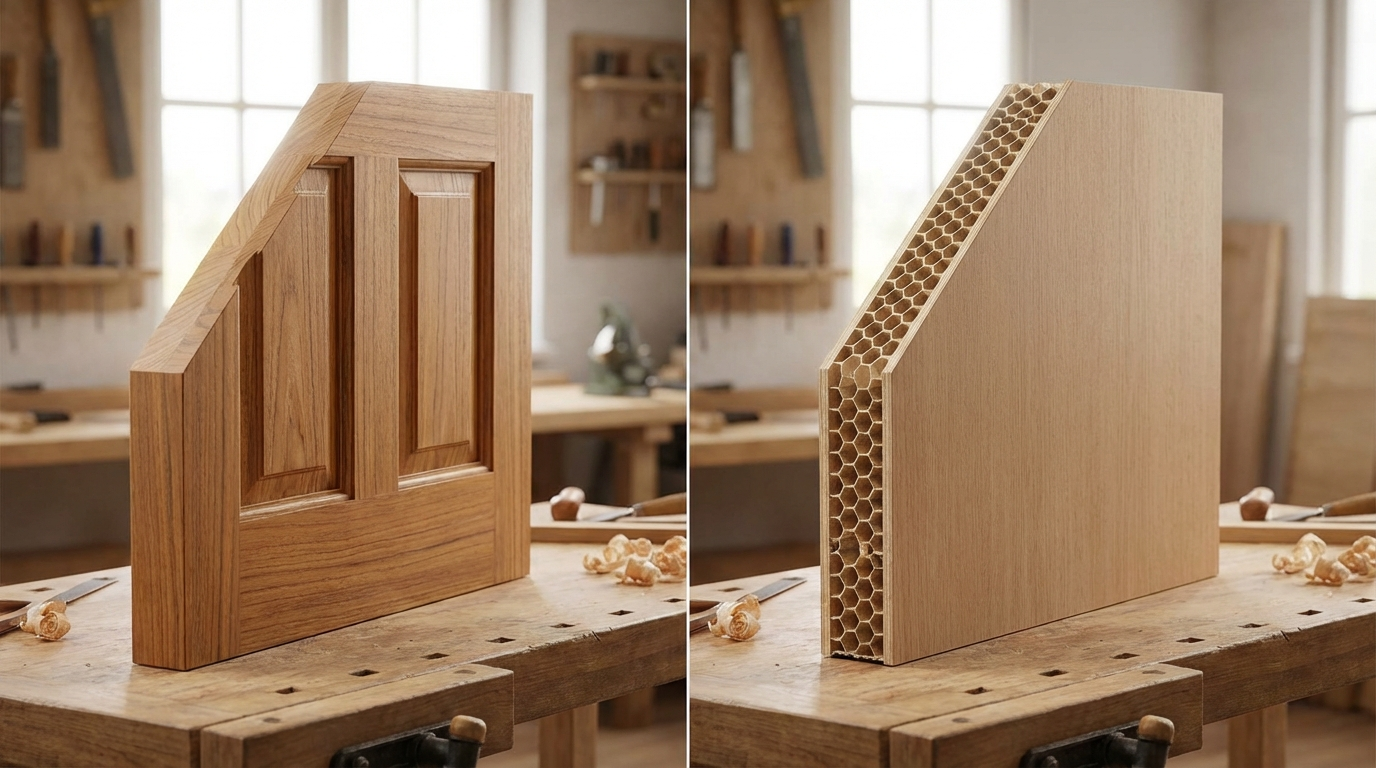
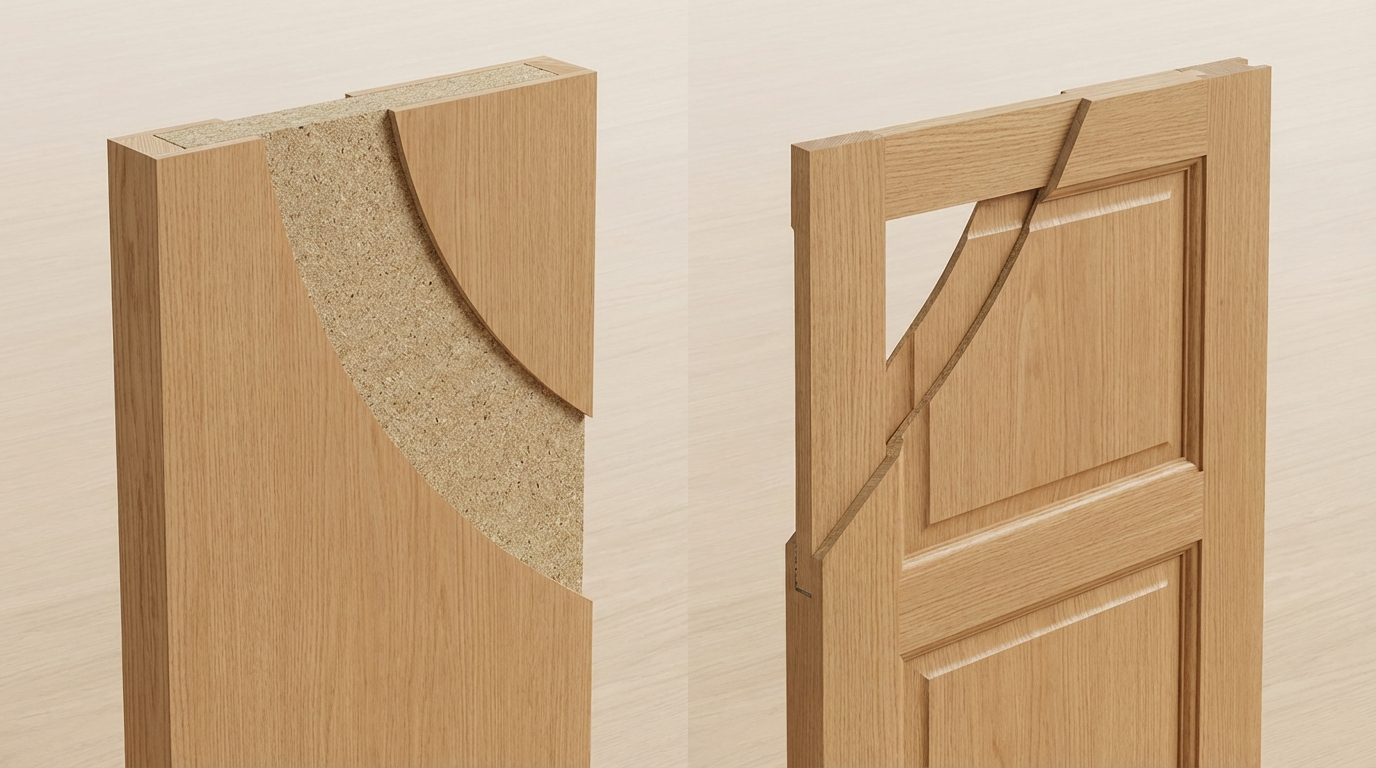
Flush doors and panel doors represent two foundational approaches to interior door design, each rooted in distinct construction philosophies that influence everything from appearance to performance in Indian homes. Flush doors feature a completely flat, seamless surface, typically built with a lightweight core of solid blockboard, particleboard, or hollow chambers sandwiched between thin plywood or MDF skins, often finished with laminates, veneers, or paint. This design prioritizes uniformity and simplicity, making them a staple in contemporary apartments and offices where minimalism reigns.
Panel doors, on the other hand, embody traditional craftsmanship with a framed structure incorporating raised or recessed panels within stiles and rails—vertical and horizontal wooden frameworks. These can be solid hardwood throughout or engineered with plywood panels fitted into solid wood frames, allowing for intricate detailing like mouldings or carvings. The result is a door with visual depth and texture, evoking heritage bungalows or classic Indian villas.
Right from the start, here's the straightforward verdict for most Indian homeowners: neither is outright "better"—flush doors excel in modern, space-constrained urban settings for their affordability and ease, while panel doors shine in larger homes needing durability and character. In humid coastal regions like Chennai or Mumbai, flush doors with moisture-resistant cores resist warping better under monsoons, but panel doors with kiln-dried hardwood frames hold up in high-traffic areas if properly sealed. Your choice hinges on lifestyle, architecture, and budget, as we'll unpack next.
This distinction matters because Indian buyers often face dealer push towards cheaper options without context. A flush door might seem ideal for a 2BHK flat's bedrooms, offering quick CNC-cut installations for modular kitchens, but in a South Indian joint family home with heavy daily use, a sturdy panel door prevents sagging over decades. Consider a typical scenario: a young couple in Bengaluru opts for flush doors to match their minimalist interiors, saving on painting costs, while an extended family in Hyderabad chooses panel doors for the pooja room entrance to add cultural gravitas. Understanding these builds confidence in dealer negotiations.
Construction-wise, flush doors weigh 20-30% less, easing handling during installation in high-rise buildings with narrow lifts. Panel doors, denser at 30-50 kg per door, demand skilled carpenters to avoid frame distortions. In practice, flush doors dominate new constructions (over 70% in metro projects), but panel doors persist in renovations for their repairability—replace a single panel without discarding the whole door.
Design and Aesthetic Appeal: Matching Your Home's Style
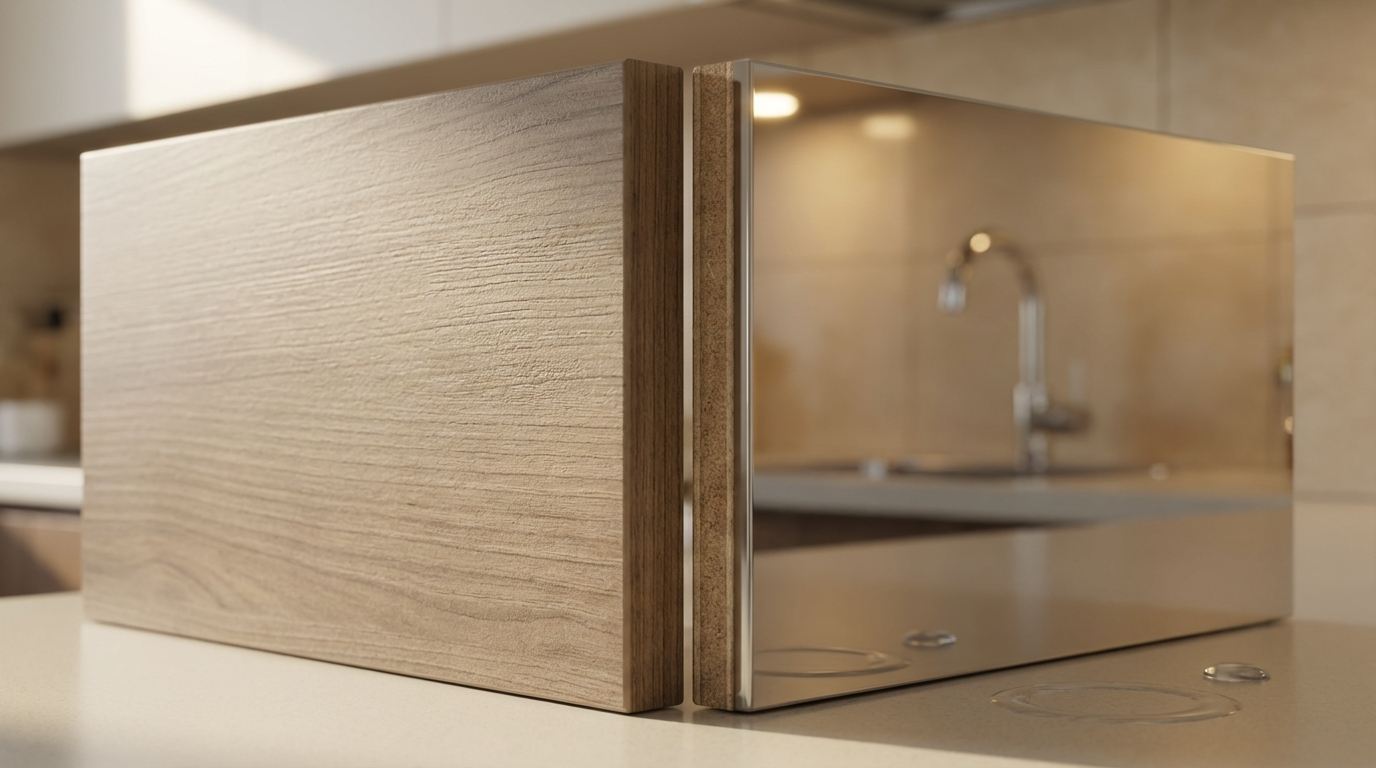
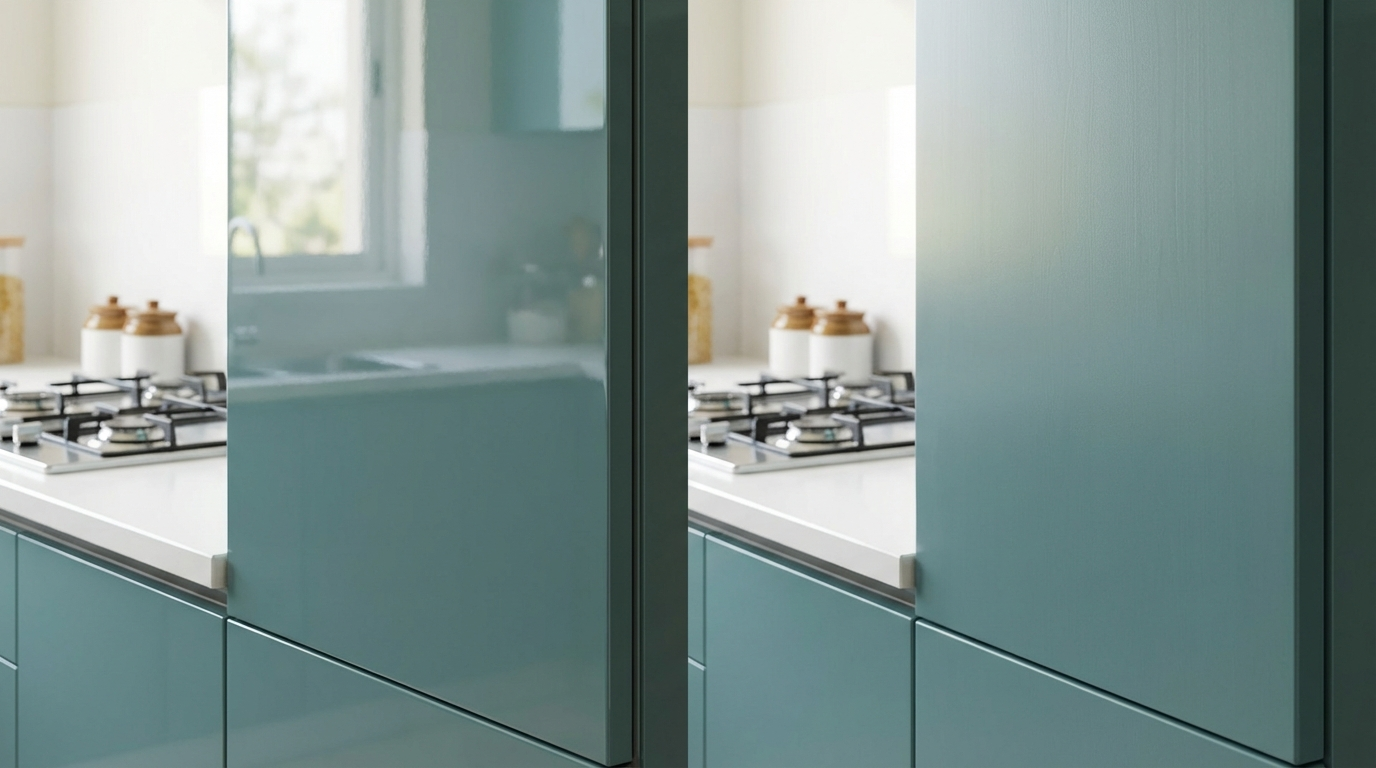
Design sets flush and panel doors apart most visibly, directly impacting your home's ambiance. Flush doors deliver a sleek, uninterrupted plane that's perfect for modern Indian aesthetics—inspired by Scandinavian minimalism but adapted to our vibrant color palettes. Painted in neutral shades or wrapped in wood-look laminates, they create an illusion of larger spaces in compact 800 sq ft flats common in Delhi or Pune. Without protruding elements, they pair seamlessly with flush-to-wall cabinets in modular kitchens, a booming trend in South India where CNC machines precision-cut matching finishes.
Panel doors offer architectural drama through their multi-layered profiles. Raised panels catch light and shadow, adding warmth and depth ideal for traditional or eclectic interiors. In Kerala-style homes with wooden beams, carved panel doors on bedroom entrances enhance heritage charm, while simpler flat-panel variants bridge to contemporary tastes. This texture allows personalization—engrave motifs for festive appeal or distress for a rustic vibe in hill-station retreats like Ooty.
Why does this matter in India? Urbanization pushes flush doors into 60-70% of new apartments for their clean lines against glossy tiles and false ceilings, but in rural or semi-urban villas, panel doors preserve cultural identity amid concrete sprawl. A common pitfall: mismatched doors clashing with flooring—flush works universally, but panels risk overwhelming small rooms if overly ornate.
Practical insight from carpenters: Flush doors hide imperfections in wall plastering, crucial in monsoon-hit areas where dampness causes bubbling. Panel doors showcase craftsmanship but amplify minor flaws. For coastal South India, UV-resistant veneers on flush doors prevent fading from salty air, while panel doors need annual oiling to maintain lustre. Homeowners often overlook scale—oversized panels dominate narrow corridors, whereas flush doors' subtlety suits passageways.
Edge case: Rental properties favor flush for neutral appeal to diverse tenants, repaintable in hours. Luxury villas experiment with hybrid designs—flush cores with panel overlays—for bespoke luxury without full solid wood costs.
Strength and Durability: Withstanding Daily Indian Wear and Tear
Durability boils down to core materials and engineering, where panel doors often edge out flush ones in raw strength, but flush doors punch above their weight in consistent performance. Panel doors' solid wood frames distribute stress evenly, resisting slams from rowdy kids or heavy winds in balcony doors. Hardwood like teak or sal can last 25-40 years, with panels flexing independently to prevent cracks—vital in earthquake-prone Gujarat or high-humidity Kerala where solid flush cores might delaminate.
Flush doors rely on glued assemblies; high-quality blockboard cores (18-25mm thick) handle moderate abuse, but hollow types sag under frequent use. Waterproof boils and phenolic resins in premium flush doors boost termite and moisture resistance, outperforming basic panel doors in bathrooms or kitchens exposed to steam.
In Indian contexts, panel doors thrive in heavy-traffic zones like main entrances or living rooms, where their mass (35-50kg) dampens noise and provides security feel. Flush doors suit bedrooms and wardrobes, lighter for soft-closing hinges in kids' rooms. Real-world failure: Cheap flush doors warp in Mumbai monsoons due to poor edge sealing, leading to misalignment; panel doors twist if frames aren't seasoned.
Carpenter wisdom: Reinforce flush doors with internal battens for longevity in joint families. Panel doors demand precise joinery—loose mortise-tenon fails fast. South India's CNC shops excel at flush door reinforcements, embedding metal struts invisibly. Trade-off: Panel doors' weight strains cheap frames in lightweight partitions, risking collapse.
Testing scenarios: A vigorously slammed flush door holds if BWR-grade, but panels absorb impact better. In coastal areas, marine plywood panels fend off termites better than MDF flush cores. Long-term, both last 15-30 years with care, but panels repair incrementally.
Cost Breakdown: Balancing Upfront and Lifetime Expenses
Cost is a decisive factor for budget-conscious Indian buyers, with flush doors typically 20-40% cheaper upfront due to factory automation. A standard 32x78-inch flush door in commercial-grade laminate costs ₹3,000-6,000, while equivalent panel doors range ₹5,000-12,000, factoring solid frame premiums. Installation adds ₹800-1,500 for flush (simpler fitting) vs ₹1,500-3,000 for panels (custom adjustments).
Long-term, flush doors save on maintenance—laminates resist scratches, no panel shrinkage gaps. Panel doors incur polishing (₹500/year) but retain resale value in heritage homes. Hidden costs: Flush doors' lightweight needs stronger hinges (extra ₹200/pair); panels require skilled labor, inflating rural installs by 30%.
Indian market nuance: Dealer markups hit panels harder (40-50%) due to customization, while flush doors benefit from bulk metro supplies. In South India, monsoon-proof flush variants add ₹1,000 but prevent ₹5,000 replacements. Budget scenario: For a 3BHK, five flush doors total ₹25,000 vs ₹40,000 panels—savings fund better hardware.
Edge cases: Luxury veneered flush rivals panel aesthetics at similar cost. Avoid low-end panels (under ₹4,000)—they splinter fast. Lifetime ROI: Flush for flips (quick, cheap); panels for inheritable homes.
Pro tip: Negotiate bundles—flush doors pair with pre-hung frames, cutting labor 20%.
Maintenance and Longevity: Effortless Care vs Traditional Upkeep
Flush doors demand minimal maintenance, a boon for working professionals. Wipe laminates with damp cloth; repainting every 5-7 years costs ₹500/door. Sealed edges repel humidity, crucial in humid Chennai where unchecked moisture swells cores.
Panel doors need proactive care: Annual teak oiling (₹300/door) prevents cracking; polish brass fittings. Repairs are straightforward—sand and refinish panels—but neglect leads to termite havens in frames.
In India, flush wins for low-effort in nuclear families; panels suit hands-on owners valuing patina. Common mistake: Ignoring flush edge tapes, causing peeling in kitchens. South coastal tip: Anti-fungal sprays for both, but panels' grooves trap salt.
Longevity edge: Well-maintained panels outlast (30+ years); flush 20-25. Bulk buys reduce per-door polish costs.
Installation Insights: Practical Fit for Indian Homes and Climates
Installation favors flush doors' uniformity—fit into standard frames in 1-2 hours per door, ideal for high-rise retrofits with space constraints. CNC precuts ensure plumb alignment in modular South Indian kitchens.
Panel doors require on-site tweaks for reveals and architraves, taking 3-4 hours, suiting custom villas. Weight demands two carpenters; poor handling warps frames.
Monsoon strategy: Install flush post-rains to avoid swelling. Dealer reality: Pushback on panels due to labor quotes. Coastal edge: Flush with SS hinges resist rust.
Framework: Match door thickness to wall (flush 30-35mm standard). Hybrids ease transitions.
Common Mistakes Indian Buyers and Carpenters Make
Top error: Choosing aesthetics over usage—flush in high-traffic doors sag; panels in moist baths rot. Dealers upsell cheap veneers hiding poor cores.
Carpenter pitfalls: Undersized frames for panels cause binding; skipping adhesives on flush skins leads to delamination. Ignore monsoon prep—unsealed doors fail Year 1.
South India specifics: CNC over-reliance warps flush without acclimation; coastal salt erodes panels sans galvanised screws. Family scenario: Joint homes pick lightweight flush, then reinforce late.
Avoid: Skipping thickness checks (panels need 35mm+). Test slams pre-pay. Educate for longevity.
Trade-offs and Limitations: No Perfect Door
Flush limitations: Bland look fatigues; poor sound insulation in noisy neighborhoods. Lightweight feels cheap; hard to repair cosmetically.
Panel downsides: Costly repairs; dust traps in grooves; heavy for kids. Shrinkage gaps in AC rooms.
India trade-offs: Flush for urban speed, panels for rural durability. Monsoon flips—flush warps less. Not for exteriors without upgrades.
Balance: Hybrids mitigate.
Decision Framework: Step-by-Step Guide to Choosing Your Doors
Assess style: Modern/minimal? Flush. Traditional/textured? Panel.
Budget: Under ₹6,000/door? Flush. Long-term investment? Panel.
Usage: Light bedrooms—flush; heavy living—panel.
Climate: Humid/coastal—moisture-grade flush/panel.
| Factor | Flush Doors | Panel Doors | Best For |
|---|---|---|---|
| Cost | Low upfront | Higher, better ROI | Budget homes vs Villas |
| Durability | Moderate, moisture-resistant | High impact | Kitchens vs Entrances |
| Maintenance | Minimal | Regular polishing | Urban pros vs Heritage |
| Aesthetics | Sleek modern | Rich traditional | Apts vs Bungalows |
Score priorities; hybrids for ties. South modular: Flush.
Frequently Asked Questions on Flush vs Panel Doors
Are flush doors strong enough for main bedroom doors?
Yes, premium 25mm blockboard flush doors with phenolic glue handle daily slams equivalent to panels, especially with quality hinges. In Indian homes, reinforce with bottom locks for security. Avoid hollow cores for bedrooms—opt solid for noise reduction.
Can panel doors be used in humid South Indian kitchens?
Absolutely, if frames use marine-grade plywood and panels are BWP-rated. Seal joints with silicone; annual anti-fungal treatment counters steam. Better than basic flush in heavy cooking, but flush laminates edge in spills.
How much weight difference affects installation?
Flush at 20-30kg vs panels 35-50kg means solo handling for flush, duo for panels—critical in multi-storey without elevators. Coastal corrosion demands SS hardware for both.
Which is better for soundproofing in noisy areas?
Panel doors' density blocks more noise; add rubber seals. Flush needs acoustic laminates. For Mumbai traffic, panels win.
Do flush doors warp in monsoons?
Quality ones don't—edge-banded BWR grades acclimate 48 hours pre-install. Cheapies do; panels twist if unseasoned.
Customization options for each?
Flush: Laminates galore, CNC cuts. Panels: Carvings, glass inserts. CNC hybrids best for modern twists.
Resale value impact?
Panels boost heritage homes; flush suits quick flips. Match buyer demographics.
Best for modular furniture integration?
Flush doors align perfectly with slab cabinets in South Indian kitchens—seamless flow.
Disclaimer: This content is provided for general informational purposes based on industry practices and publicly available information. Product specifications, standards, prices, and availability may vary by manufacturer, region, and time. Readers should independently verify details with manufacturers, dealers, or qualified professionals before making purchase or construction decisions.Want Plywood Suggestions?
Share a few details and a Apple Ply specialist will suggest suitable brands and connect you to responsive dealers.