Chequered Plywood: Complete Guide to Anti-Slip Plywood
Complete guide to chequered plywood - anti-slip surface, applications, sizes & price. Perfect for vehicles, ramps & industrial flooring.
Quick Answer
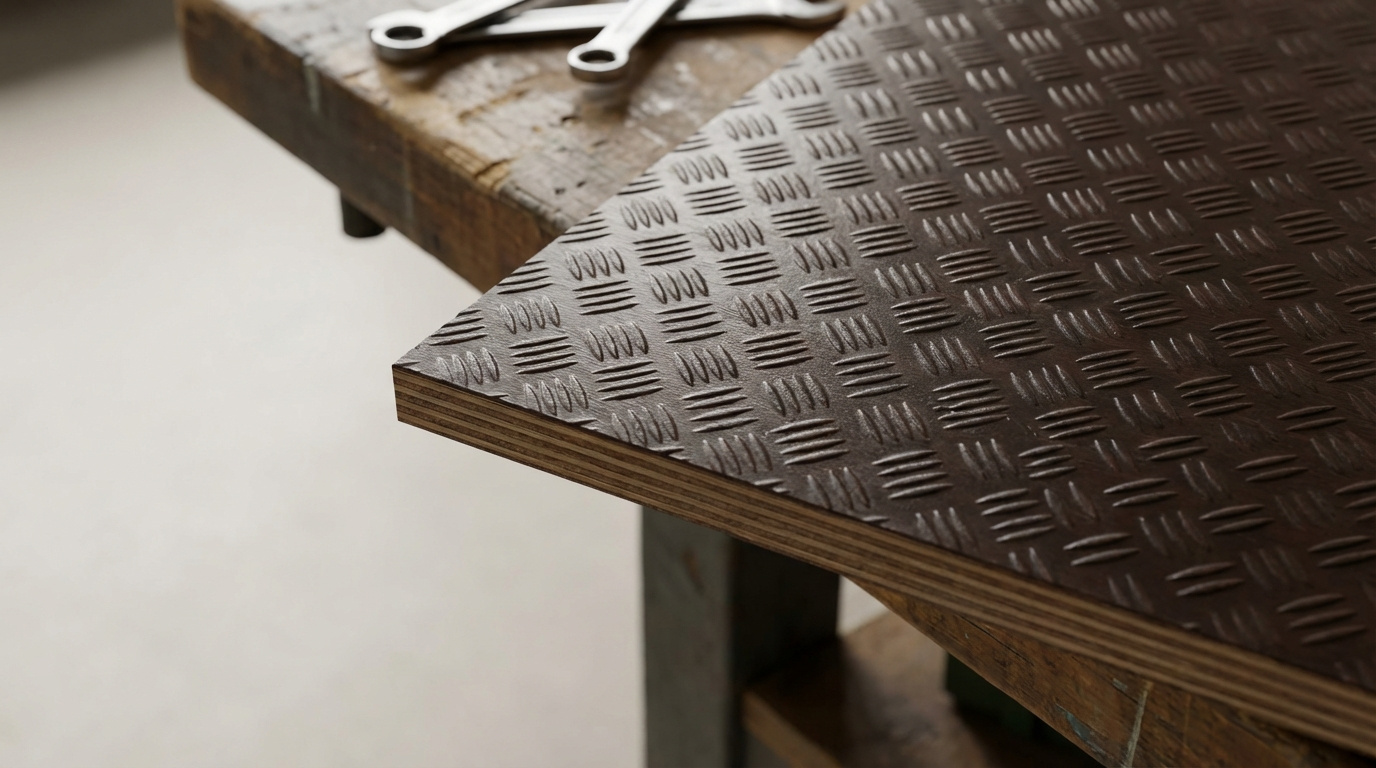
Chequered plywood is a specialized anti-slip plywood featuring a raised diamond or bar pattern on its surface, designed to provide superior grip and traction in environments where slipping hazards exist. In the Indian market, this product combines a plywood base with an aluminium or phenolic-coated chequered surface, making it ideal for vehicle flooring, industrial ramps, loading docks, and wet-area walkways where safety is paramount.
At a Glance:
- Surface pattern provides 35-40% better slip resistance compared to plain plywood
- Available in 12mm to 25mm thickness range for varied load requirements
- Common patterns include 5-bar (tread plate), diamond, and propeller designs
- Price ranges from ₹85 to ₹180 per sq ft depending on core quality and surface material
- Primary applications: commercial vehicles, tempo bodies, industrial flooring, ramps
- Requires proper edge sealing in humid Indian conditions to prevent moisture ingress
Chequered Plywood Explained: What Makes It Different
Chequered plywood represents a composite solution that addresses a specific problem—slippery surfaces in high-traffic or moisture-prone areas. Unlike standard plywood with smooth or film-faced surfaces, chequered plywood incorporates a textured top layer that creates friction between the walking surface and footwear or goods being transported.
The construction typically involves bonding a patterned aluminium sheet or embossed phenolic layer onto a structural plywood core. The raised pattern—whether five parallel bars, diamond shapes, or propeller-style ridges—disrupts the smooth contact plane, channeling away water, oil, or debris while maintaining grip points.
How the Anti-Slip Mechanism Works
The physics behind anti-slip plywood is straightforward but effective. The raised pattern creates multiple contact points rather than a single flat plane. When liquid accumulates on the surface, it flows into the recessed channels between the raised bars, leaving the elevated portions relatively dry for foot contact. This design reduces the friction coefficient drop that occurs when smooth surfaces get wet.
In practical Indian market terms, this translates to safer loading and unloading operations during monsoon months, reduced accident liability for commercial fleet operators, and compliance with factory safety requirements in industrial settings.
Core Construction and Material Layers
A quality chequered plywood panel consists of three primary components: the structural plywood core, the adhesive bonding layer, and the textured surface material. The plywood core is typically BWR (boiling water resistant) grade when intended for vehicle or outdoor applications, using phenolic resin bonding between veneers. The surface layer—usually aluminium in the 1.5mm to 2.5mm thickness range—is bonded using industrial-grade epoxy or polyurethane adhesives capable of withstanding vibration, temperature fluctuation, and moisture exposure.
For applications demanding lighter weight or lower cost, some manufacturers offer phenolic-film chequered surfaces with embossed patterns, though these provide less durability than aluminium variants under heavy mechanical wear.
Types and Variants of Chequered Plywood
The Indian market offers several configurations of anti-slip plywood, each suited to specific applications. Understanding these variants helps buyers match product specifications to their actual requirements rather than over-specifying or under-building.
Aluminium 5-Bar Tread Plate on Plywood
This is the most common variant in India, featuring a 5-bar raised pattern running diagonally across the aluminium surface. The five parallel ridges provide excellent traction for both foot traffic and wheeled equipment like hand trolleys. This variant dominates the commercial vehicle segment—tempo bodies, delivery van floors, and truck cargo areas. The aluminium thickness typically ranges from 1.5mm to 3mm, with thicker options chosen for heavy industrial use.
Diamond Pattern Chequered Plywood
The diamond or checker pattern creates a grid of raised diamond shapes across the surface. This design offers multi-directional grip, making it preferable for areas where movement occurs in multiple directions—such as staircase treads, platform edges, and manufacturing floor sections. The diamond pattern tends to be slightly more expensive due to the more complex forming process.
Propeller Pattern Anti-Slip Plywood
Less common but available through specialized suppliers, the propeller pattern features curved raised elements that provide grip while being easier to clean than angular patterns. This variant finds use in food processing areas and pharmaceutical environments where hygiene cleaning is frequent.
Phenolic Film Embossed Anti-Slip Plywood
A budget-friendly alternative, this variant uses thick phenolic film with embossed patterns rather than aluminium. While less durable under abrasive wear, phenolic embossed surfaces work adequately for pedestrian-only areas, temporary installations, and applications where weight savings matter. The embossed pattern degrades faster than raised aluminium but offers 60-70% of the anti-slip performance at roughly half the cost.
Comparison Table: Chequered Plywood Variants
| Variant Type | Surface Material | Typical Thickness | Slip Resistance | Price Range (₹/sq ft) | Best For |
|---|---|---|---|---|---|
| 5-Bar Aluminium Tread | Aluminium 1.5-3mm | 15mm to 25mm total | Excellent | ₹120-180 | Vehicle flooring, heavy industrial |
| Diamond Pattern Aluminium | Aluminium 1.5-2.5mm | 12mm to 21mm total | Excellent | ₹130-190 | Stair treads, multi-directional traffic |
| Propeller Pattern | Aluminium 2mm | 15mm to 19mm total | Very Good | ₹140-200 | Food processing, easy-clean areas |
| Phenolic Film Embossed | Phenolic resin film | 12mm to 18mm total | Good | ₹85-120 | Light pedestrian, temporary use |
| Mild Steel Checker on Ply | Galvanized steel 2-3mm | 18mm to 25mm total | Excellent | ₹100-150 | Heavy-load industrial, not weight-sensitive |
Applications of Chequered Plywood in India
The practical use cases for anti-slip plywood span multiple industries, with the Indian market showing particularly strong demand in specific segments. Understanding where chequered plywood performs optimally—and where it may be unnecessary—helps buyers make cost-effective decisions.
Commercial Vehicle and Tempo Body Flooring
The largest application segment in India is commercial vehicle flooring. Tempo bodies, delivery vans, goods carriers, and pickup truck beds all benefit from chequered surfaces. The anti-slip property protects both cargo from shifting and workers from falls during loading and unloading operations. Vehicle manufacturers and body builders typically specify BWR-grade plywood cores with 2mm aluminium checker surfaces for this application. The vibration resistance of properly bonded panels is critical—poor adhesive selection leads to delamination within 12-18 months of heavy use.
Industrial Flooring and Walkways
Factory floors, warehouse aisles, and machine shop walkways increasingly use chequered plywood sections where concrete is impractical or additional slip protection is needed. Areas around CNC machines where cutting oil accumulates, zones near wash stations, and pathways through cold storage facilities all present slip hazards that chequered surfaces mitigate effectively.
Ramps and Loading Docks
Loading ramps experience the highest stress on anti-slip surfaces—inclined planes combined with heavy wheeled traffic and potential water exposure. Chequered plywood ramps require the thickest constructions (21-25mm total) and most robust edge protection. In coastal cities like Chennai, Mumbai, and Kolkata, the humidity and salt-air exposure demand additional protective treatments on exposed plywood edges.
Staircase Treads and Platform Edges
Factory staircases, external building access stairs, and mezzanine platforms use chequered plywood treads for safety compliance. The standard tread depth of 250-300mm accommodates standard panel widths with minimal cutting waste. For this application, diamond patterns often outperform 5-bar designs due to their multi-directional grip characteristics.
How to Choose the Right Chequered Plywood
Selecting appropriate anti-slip plywood requires matching specifications to actual use conditions rather than defaulting to the highest-grade available. Over-specification wastes budget; under-specification creates safety and durability problems.
Decision Framework for Buyers
Load Assessment: Calculate the maximum point load the surface will experience. Pedestrian-only areas differ vastly from pallet jack traffic or forklift wheels. Heavier loads require thicker plywood cores and more substantial aluminium surfaces.
Moisture Exposure Level: Distinguish between occasional splash exposure, regular wet conditions, and fully outdoor applications. Each level demands different core specifications—MR grade may suffice indoors, while outdoor applications need BWR or marine-grade cores.
Traffic Type and Frequency: Light foot traffic several times daily differs from continuous industrial worker movement. Abrasive footwear patterns, dragged equipment, and metal wheel traffic all accelerate surface wear differently.
Buyer Checklist
- Verify plywood core grade certification (IS 303 for MR, IS 710 for BWR)
- Check aluminium sheet thickness with calipers—2mm is minimum for vehicle use
- Inspect adhesive type—polyurethane outperforms standard epoxy for vibration resistance
- Confirm edge sealing provision, especially for humid region installations
- Request sample panels for load testing before bulk orders
- Verify anti-slip rating if manufacturer claims specific slip resistance standards
When NOT to Choose Chequered Plywood
Chequered plywood is unsuitable for purely decorative applications where the industrial aesthetic isn't desired. It's also inappropriate for areas requiring easy cleaning of fine particles—the grooves trap debris and complicate thorough sanitation. For food preparation surfaces requiring daily wash-downs, stainless steel checker plate directly mounted is preferable to aluminium-on-plywood constructions. Additionally, in extreme high-temperature environments above 80°C, adhesive degradation risks make solid metal alternatives safer choices.
Common Mistakes to Avoid with Chequered Plywood
Field experience reveals recurring errors that compromise performance and lifespan of anti-slip plywood installations. Avoiding these mistakes during selection and installation prevents costly replacements.
Ignoring Edge Sealing Requirements
The most common failure mode in Indian conditions is moisture ingress through unsealed edges. While the aluminium surface sheds water effectively, exposed plywood edges act as wicks, drawing moisture into the core during monsoon months. Within two seasons, this causes internal delamination that compromises structural integrity. Always specify edge banding or waterproof sealant application—standard carpenter practice for furniture plywood doesn't automatically extend to industrial applications.
Using MR Grade for Outdoor Applications
Cost-cutting by specifying MR (moisture resistant) grade plywood for partially outdoor or high-humidity installations leads to premature failure. The price difference between MR and BWR grades—typically ₹15-25 per sq ft—is negligible compared to replacement costs and downtime when panels fail.
Incorrect Fastening Methods
Drilling through aluminium checker surfaces without proper technique creates burrs that tear the aluminium away from the plywood bond line over time. Use stepped drill bits, pre-drill pilot holes, and avoid over-torquing fasteners. The aluminium sheet should be compressed, not stretched, when fastened.
Underestimating Vibration Stress
Vehicle applications subject panels to continuous vibration that standard wood adhesives cannot withstand. Specifying panels bonded with rigid epoxies instead of flexible polyurethane or modified phenolic adhesives results in edge lifting and eventual delamination. Ask suppliers specifically about vibration-rated adhesive systems.
Quick Inspection Checks
- Tap the surface across the panel—hollow sounds indicate poor bonding or voids
- Examine edge cross-sections for adhesive coverage between aluminium and plywood
- Flex small sample pieces to check aluminium-to-plywood bond under stress
- Check for orange-peel texture on aluminium that indicates poor-quality sheet material
- Verify pattern depth consistency across the panel surface
Price Guide for Chequered Plywood in India
Pricing for anti-slip plywood varies significantly based on construction quality, surface material, and regional availability. These ranges reflect current market conditions for standard commercial quantities.
Price Breakdown by Configuration
| Configuration | Thickness Range | Metro City Price (₹/sq ft) | Tier-2 City Price (₹/sq ft) | Key Price Driver |
|---|---|---|---|---|
| Budget phenolic embossed | 12mm | ₹85-95 | ₹90-105 | Core quality |
| Standard 5-bar aluminium | 15mm | ₹110-130 | ₹120-145 | Aluminium thickness |
| Heavy-duty 5-bar aluminium | 19mm | ₹140-165 | ₹150-180 | Core grade + aluminium |
| Premium marine-core with 2.5mm aluminium | 21-25mm | ₹165-195 | ₹175-210 | Marine certification |
What Causes Price Variation
Aluminium Sheet Thickness: Each 0.5mm increase in aluminium thickness adds approximately ₹12-18 per sq ft to the panel cost. Thicker aluminium provides better wear resistance and dent protection but increases weight.
Plywood Core Grade: The progression from commercial MR to BWR to marine-grade cores adds cost at each step. BWR cores cost 15-20% more than MR; marine-grade adds another 25-30% over BWR.
Panel Size: Standard 8x4 feet panels cost less per sq ft than custom-cut pieces. Odd dimensions may require cutting from larger sheets with associated wastage charged to the buyer.
Transport and GST: Chequered plywood is heavy—a 19mm panel weighs approximately 25-30 kg for 8x4 feet. Freight costs from manufacturing hubs in Gujarat, Tamil Nadu, and Karnataka significantly impact delivered prices in remote locations. GST at 18% applies to manufactured panels.
Regional Considerations for Indian Buyers
Geographic factors influence both product selection and sourcing strategy for chequered plywood in different parts of India.
Coastal and High-Humidity Regions
Chennai, Mumbai, Kolkata, and coastal Karnataka face elevated humidity levels exceeding 80% for extended periods. In these regions, even BWR-grade cores benefit from additional protective treatments. The aluminium surface itself resists corrosion well, but the exposed plywood edges and any cut sections require immediate sealing with epoxy or polyurethane coatings. Salt air near coastal installations accelerates any corrosion at fastener points.
Northern Plains and Dry Regions
Delhi NCR, Rajasthan, and parts of Gujarat experience extreme temperature variation—from near-freezing winters to 45°C+ summers. This thermal cycling stresses adhesive bonds differently than humid-climate exposure. Select adhesives rated for thermal cycling, and allow for slight dimensional movement in installation designs. The lower humidity makes MR-grade cores more viable for indoor-only applications, potentially reducing costs.
Dealer Availability Patterns
Major manufacturing and distribution of chequered plywood concentrates around industrial hubs. Buyers in metro cities find multiple suppliers with competitive pricing, while Tier-3 city buyers often work through regional distributors with limited stock variety and higher margins. For bulk requirements in smaller cities, direct sourcing from manufacturing regions may prove economical despite freight costs.
Frequently Asked Questions
What is chequered plywood called in the Indian market?
In India, chequered plywood goes by several names including anti-slip plywood, checker plate plywood, tread plate ply, and diamond plate plywood. Vehicle body fabricators commonly call it "tempo ply" or "vehicle flooring ply." The aluminium surface is sometimes referred to as "5-bar pattern" or "diamond pattern" depending on the raised design. When ordering from suppliers, specifying "chequered aluminium on BWR plywood" provides the clearest description of the product configuration you need.
Can chequered plywood be used for kitchen flooring?
While technically possible, chequered plywood is not recommended for residential kitchen flooring. The raised pattern traps food particles, grease, and moisture in the grooves, making thorough cleaning difficult and creating hygiene concerns. The industrial aesthetic also clashes with typical home décor. For kitchens requiring slip resistance, textured vinyl flooring, anti-slip ceramic tiles, or slip-resistant epoxy coatings over concrete provide better alternatives that balance safety with cleanability and appearance.
How long does chequered plywood last in vehicle flooring applications?
Properly specified and installed chequered plywood in vehicle flooring typically lasts 5-8 years under normal commercial use conditions. Lifespan depends heavily on the quality of edge sealing, adhesive type used for bonding, and whether the vehicle operates in wet-loading environments. Premium constructions with marine-grade cores, polyurethane adhesives, and proper edge protection can exceed 10 years. Budget constructions with inadequate moisture protection may fail within 2-3 monsoon seasons.
Is aluminium checker plate better than steel for plywood surfaces?
Aluminium checker plate offers significant advantages over steel for most Indian applications. Aluminium weighs approximately one-third of equivalent steel, reducing vehicle payload penalty and handling difficulty during installation. Aluminium naturally resists corrosion without coatings, while steel requires galvanization that can scratch and expose base metal to rust. However, steel checker plate costs less initially and provides superior impact and abrasion resistance for extremely heavy-duty industrial flooring where weight isn't critical.
What thickness of chequered plywood is best for loading ramps?
Loading ramps require robust constructions due to inclined loading angles and wheeled traffic. For hand trolley and manual pallet jack use, 18-19mm total thickness with 2mm aluminium surface provides adequate strength. For powered pallet jacks and light forklifts, specify 21-25mm total thickness with BWR or marine-grade cores. The plywood core should carry structural grading—F14 or F17 equivalent under Australian standards commonly referenced by quality Indian manufacturers. Always verify load rating from the supplier for your specific traffic requirements.
How do you cut chequered plywood without damaging the surface?
Cutting chequered plywood requires specific techniques to prevent aluminium tearing and burring. Use circular saws with carbide-tipped blades designed for non-ferrous metals, running at lower RPM than wood cutting. Cut with the aluminium face down when using table saws to prevent tear-out on the visible surface. Apply cutting oil or WD-40 to the blade to reduce friction and prevent aluminium from welding to the blade teeth. Smooth cut edges with a metal file before installation to remove burrs that could tear the aluminium-plywood bond over time.
Does chequered plywood require special maintenance?
Regular maintenance extends chequered plywood lifespan significantly. Clean surfaces monthly with warm soapy water, scrubbing the pattern grooves to remove accumulated debris that traps moisture. Avoid abrasive cleaners or wire brushes that can scratch the aluminium surface, reducing its corrosion resistance. Inspect edges quarterly for sealant deterioration and reapply waterproof coating as needed. In vehicle applications, check fastener tightness monthly and retorque any loose screws before they allow panel movement that damages bond lines.
What is the price difference between regular plywood and chequered plywood?
Chequered plywood costs approximately 2-3 times more than equivalent plain BWR plywood of similar core thickness. A standard 19mm BWR plywood sheet (8x4 feet) costs ₹55-75 per sq ft in metro markets, while chequered plywood of the same core with 2mm aluminium surface ranges from ₹140-165 per sq ft. This premium reflects aluminium material cost, specialized bonding processes, and the additional manufacturing complexity. For applications genuinely requiring anti-slip properties, the safety benefits and extended service life justify the cost differential.
Disclaimer: This content is provided for general informational purposes based on industry practices and publicly available information. Product specifications, standards, prices, and availability may vary by manufacturer, region, and time. Readers should independently verify details with manufacturers, dealers, or qualified professionals before making purchase or construction decisions.Want Plywood Suggestions?
Share a few details and a Apple Ply specialist will suggest suitable brands and connect you to responsive dealers.