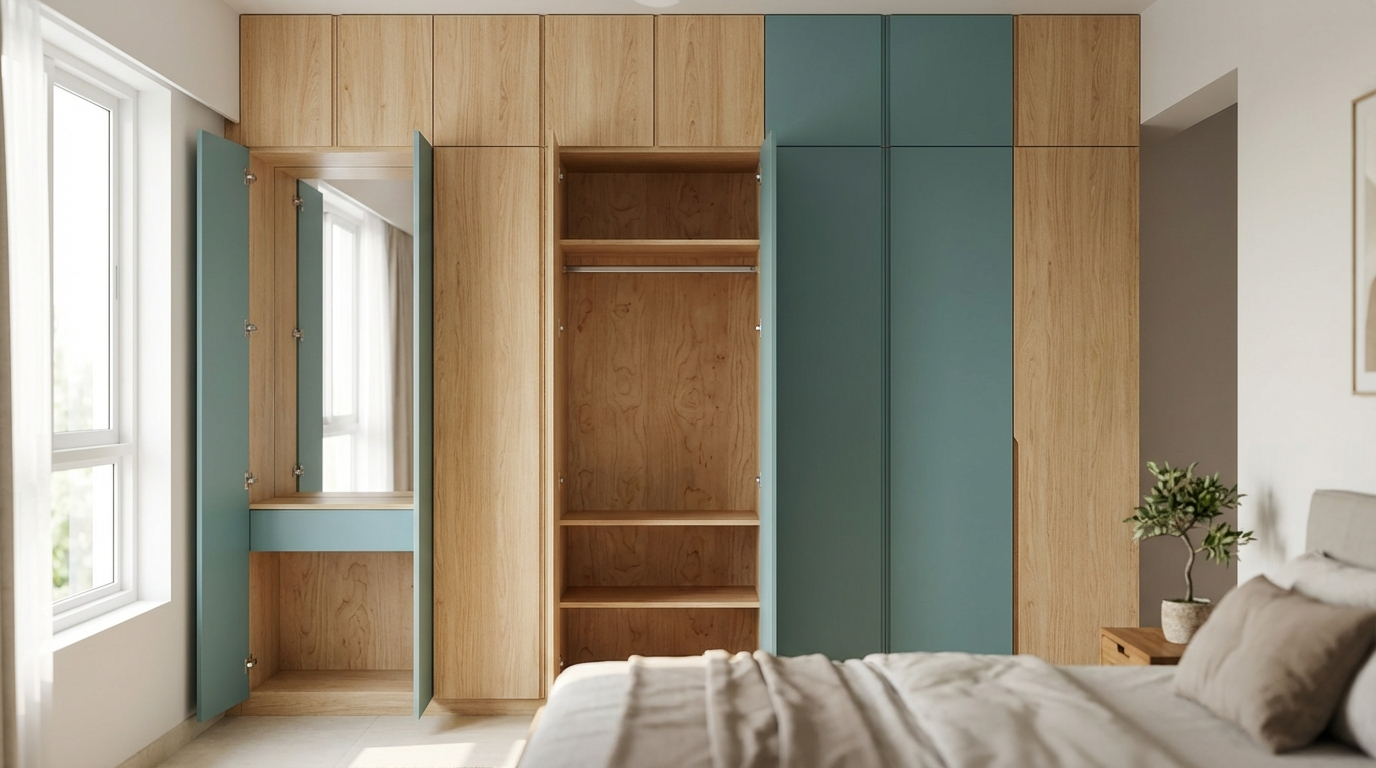
Best Plywood for Wall Paneling & Interior Decor – Create Stunning Walls
Find out which plywood works best for wall paneling. We cover what grade of plywood to use for interior walls and tips to get a beautiful wood wall finish.
Quick Answer
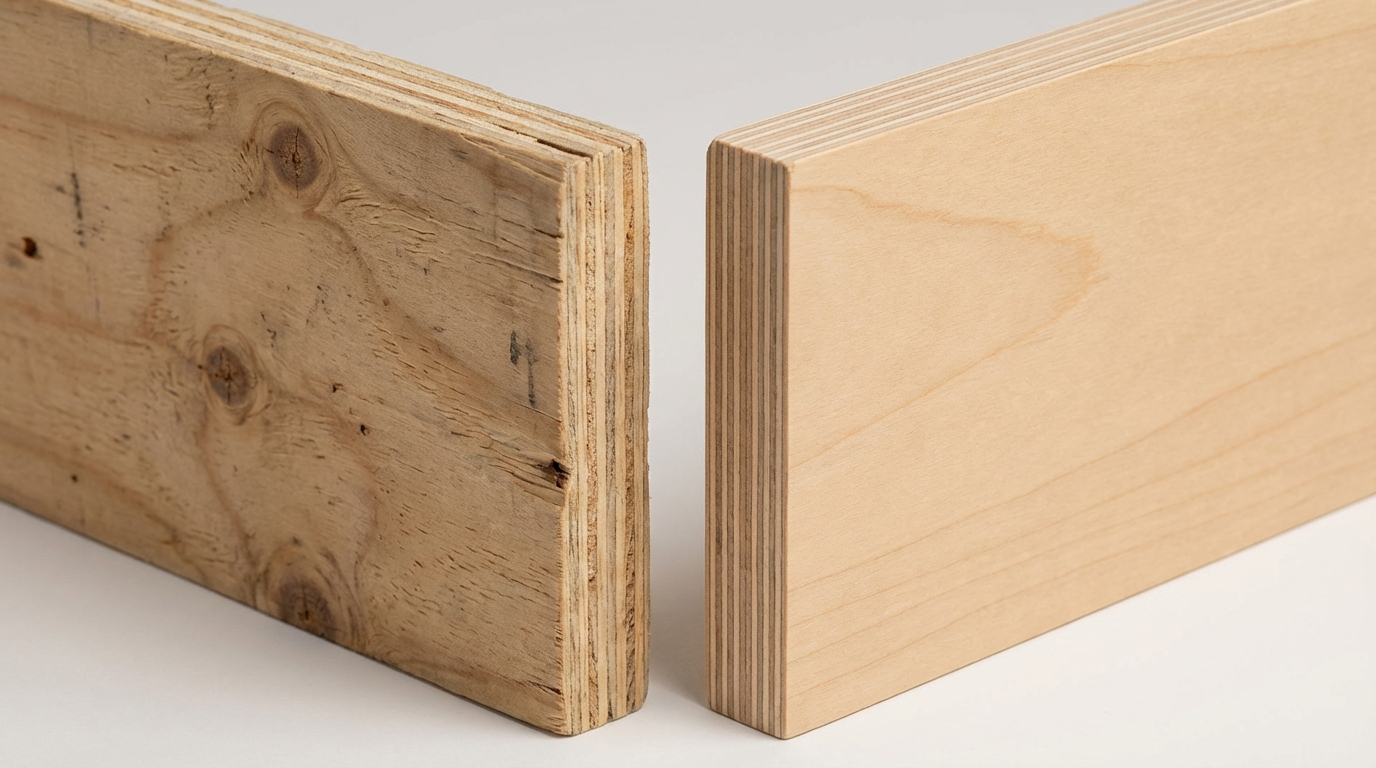
For the best plywood for wall paneling in interior decor, opt for Boiling Water Resistant (BWR) grade plywood in 6mm to 12mm thickness. This handles India's humidity without warping, offers smooth faces for veneers or laminates, and holds screws firmly for mounting. Avoid basic Moisture Resistant (MR) grades in damp areas; pair with termite-proof treatments for longevity. In practical Indian market terms, this setup delivers stunning wood-look walls at ₹90-150 per sq ft installed, balancing cost and durability.
- Top choice: BWR grade, 8-12mm thick for stability.
- Key feature: Smooth surface (S grade faces) for flawless finishes.
- Essential: Termite and borer resistant core.
- Budget tip: Tier-2 cities offer 10-15% lower rates than metros.
- Pro advice: Verify IS markings on edges before buying.
- Finish goal: Laminate or veneer over plywood for premium appeal.
How to Choose Plywood for Wall Paneling (Decision Framework)
Selecting the right plywood for wall paneling starts with understanding your space's demands in an Indian home—humidity levels, installation method, and finish type. Begin by assessing moisture exposure: interiors like bedrooms suit MR grades, but living rooms or kitchens near monsoons need BWR for delamination resistance. Thickness matters too; 6mm works for lightweight veneers on straight walls, while 12mm handles curves or heavier laminates without sagging. Surface quality is non-negotiable—look for uniform, knot-free faces that take polish or foil evenly.
Core construction influences screw-holding, vital for panel clips or battens. Hardwood cores from poplar or eucalyptus provide density without excess weight. Glue line strength determines if panels survive humid shifts without bubbling. Termite resistance via treatments like boron compounds is standard now, but confirm even distribution.
Practical checklist for dealers or sites:
- Measure wall area and add 10% for cuts/waste.
- Feel faces for smoothness; reject patches or repairs.
- Tap edges for solid core sound, no hollow echoes.
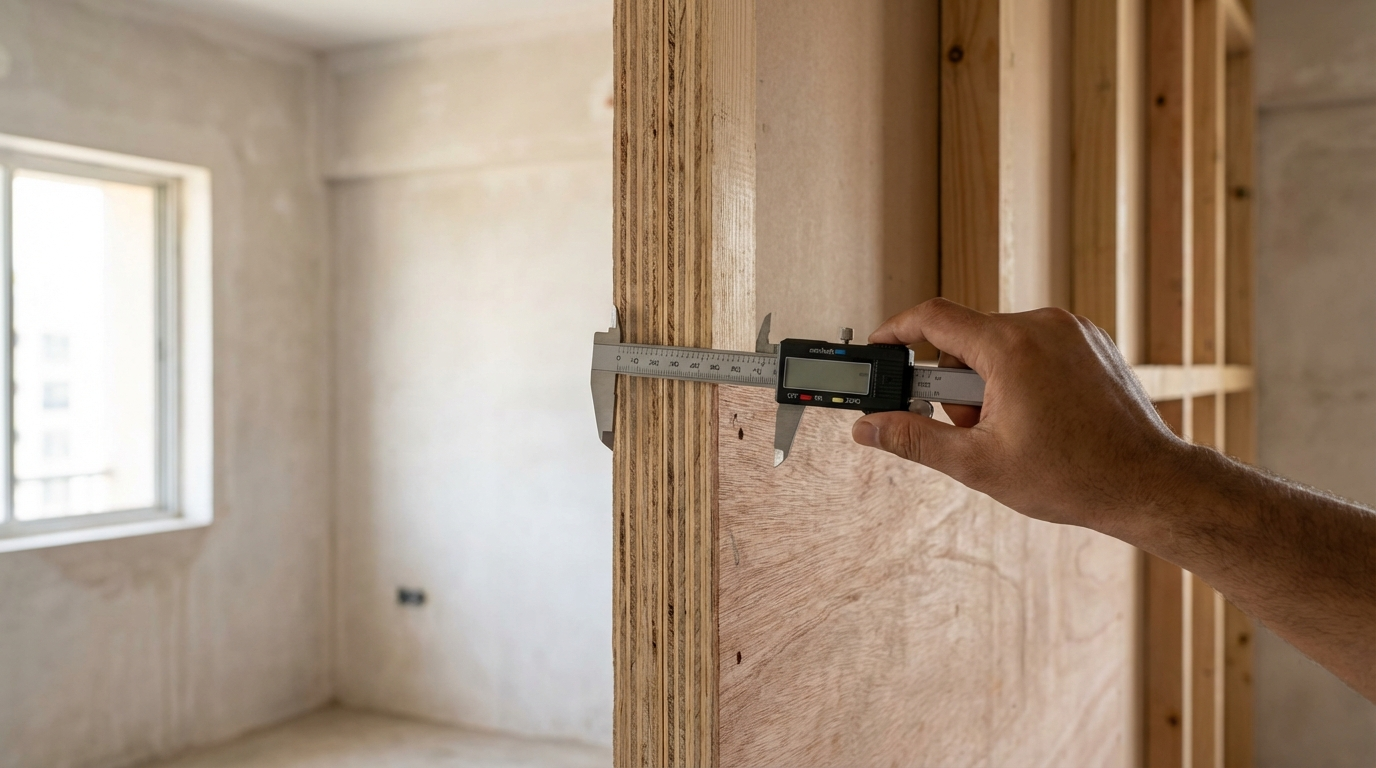
- Check thickness uniformity with calipers if possible.
- Prioritize calibrated sheets (true 18mm, not nominal).
- Ask for BWR/IS:710 stamp on long edges.
When NOT to choose BWR: Pure dry bedrooms on tight budgets—MR saves 20-30% but risks minor swelling in AC fluctuations. Skip marine grades unless coastal walls face direct spray; overkill adds 40% cost. Framework boils down to matching grade-thickness-finish to your climate and carpenter's skills, ensuring walls that impress for 10+ years.
In tier-1 cities like Mumbai, logistics inflate costs by 15%, so source locally. Dealers often push stock; insist on samples. This approach cuts rework by 80%, common in rushed Indian projects.
Best Plywood Grades for Wall Paneling
BWR grade plywood stands out as the best plywood for wall paneling due to its glue bonds surviving repeated boiling tests, mimicking monsoon cycles. In India, where 70% of homes face seasonal humidity above 80%, this prevents the bubbling seen in cheaper MR sheets after one rainy season. Faces are typically S-grade (smooth), ideal for overlaying teak or oak veneers that mimic solid wood without the price tag.
MR grades suffice for air-conditioned bedrooms but falter in open living areas. Their urea-formaldehyde glue softens above 70% RH, leading to edge lifting under laminates. For premium decor, select 100% hardwood ply with 9-11 layers in 12mm; fewer layers mean flexing on walls. Fire-retardant variants add value in apartments but check for genuine low-spread ratings via char tests.
Thickness sweet spot: 8mm for flat panels saves weight (under 20kg/sheet), easing solo installs; 12mm for textured or acoustic panels resists dents from daily bumps. Why differences? Poplar cores are lighter and cheaper (North India norm), eucalyptus denser for South (termite-prone). Polish or laminate compatibility hinges on sanding quality—rough faces need extra primer, hiking labor 20%.
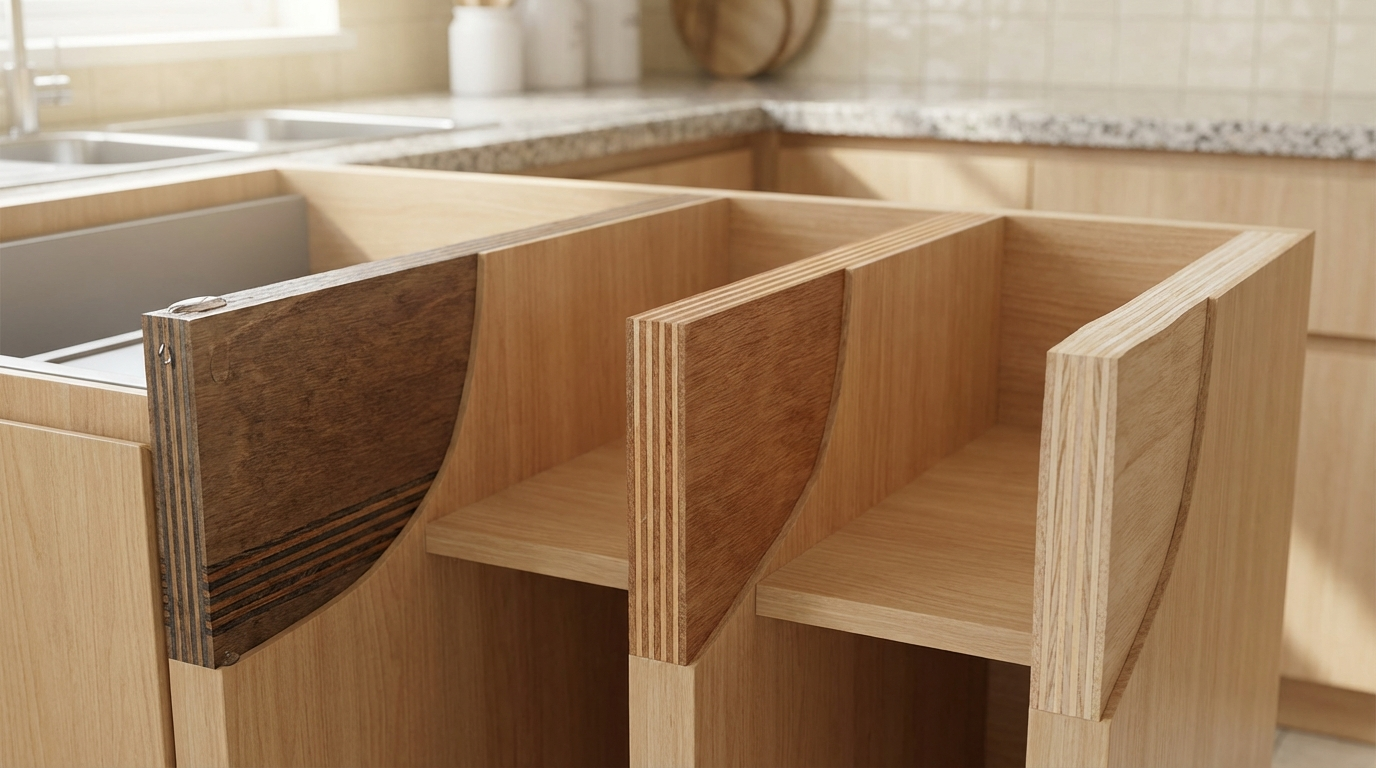
Indian buyer scenario: In Delhi summers, AC condensation warps thin MR; BWR holds via phenolic resins. Coastal Chennai? Elevate with BFWP underlay if walls touch bathrooms. Always verify layer count by peeling a sample edge—7+ layers signal quality. This grade choice turns basic walls into focal points, outperforming MDF which swells faster.
Plywood Comparison Table for Wall Paneling
Comparing plywood options clarifies trade-offs for interior walls. Prices reflect typical Indian wholesale ranges (tier-2 cities, 2025 rates, 12mm thickness, per sq ft excluding GST/transport). Variations stem from core wood (poplar vs mixed), face quality (S vs standard), and brand tier.
| Grade | Best For | Moisture Resistance | Typical Price Range (₹/sq ft) | Screw Holding | Indian Use Case |
|---|---|---|---|---|---|
| MR (IS:303) | Dry bedrooms | Moderate (up to 65% RH) | 65-95 | Good | Budget AC rooms; North India dry zones |
| BWR (IS:710) | Living rooms, kitchens | High (boiling cycles) | 95-140 | Excellent | Monsoon areas; veneer overlays |
| BFWP (IS:1658) | Coastal/high humidity | Very High | 140-200 | Superior | Bathroom-adjacent walls; South India |
| FR Grade | Apartments/hotels | Varies + fire retardant | 110-160 | Good | Fire safety norms; urban high-rises |
What changes the range? Metro surcharges (add 20%), 8mm vs 12mm (subtract 15-20%), or pre-laminated sheets (add 30%). Dealers in Gujarat hubs like Surat offer lowest due to milling proximity. Use this table to negotiate: BWR at under ₹110 signals mixed core—walk away.
Why Plywood Choices Matter in Indian Homes
In India, plywood for wall paneling faces unique stresses like monsoon humidity spiking to 95% RH, causing untreated sheets to swell 5-10% in width. BWR's phenolic glues maintain bonds, unlike MR's urea variants that hydrolyze, leading to veneer peel-off within 2 years. Coastal cities like Kochi amplify this via salt-laden air corroding untreated cores—BFWP's wax additives repel it effectively.
Modular interiors boom in urban flats demands screw-holding; thin MR pulls out under wall-hung cabinets, cracking finishes. Thicker BWR with cross-band layers distributes load, vital for CNC-cut panels in modern decor. Dealer dynamics play in: Bulk buys in Kerala hubs yield calibrated sheets (precise 11.9mm), avoiding carpenter complaints on site-fitting.
GST at 18% plus 5-10% transport from mills (Kerala/Gujarat) explains why local sourcing cuts 15%. In high-rise Pune projects, fire-retardant grades meet RERA nods without extra inspections. Why care? Poor choices mean repaneling costs double the initial outlay, plus downtime in family homes. Opting right ensures walls endure 15-20 years, enhancing resale value in humid metros.
Common Mistakes in Wall Paneling Plywood Selection
Buyers often grab cheapest MR from roadside dealers, ignoring core voids that telegraph through veneers post-install. In humid Mumbai, this swells edges, bubbling laminates after first rains—carpenters blame glue, but it's grade mismatch. Another pitfall: Nominal thickness like "18mm" that's actually 16mm, flexing under weight and popping screws.
Carpenters err by skipping edge-sealing; exposed plywood drinks moisture, warping panels outward. Dealers push overstock MR as "interior grade," hiding BWR shortages. Inspection checks you can do: Stack sheets—warped ones rock; scratch core with nail—if soft fibers pull, reject. Weigh a sheet: Genuine 12mm hardwood hits 25-30kg, lighter signals fillers.
Failure case: Delhi family chose 6mm MR for TV wall; summer AC drips delaminated it in 18 months, costing ₹50k rework. Pro move: Demand cut samples, soak in water 24hrs—BWR stays rigid. In tier-3 towns, verify no white-ant nibbles on edges. These habits save 30% on callbacks, standard in Indian carpentry chaos.
Trade-offs and Limitations of Plywood for Walls
Durability vs cost: BWR lasts 15+ years but costs 40% more than MR, justified only if humidity exceeds 70% regularly. Moisture resistance trades aesthetics—BWR faces may need extra sanding vs MR's smoother defaults. Finish compatibility: Oily teak veneers grip BWR better, but matte laminates suit both; mismatch yellows prematurely.
Screw-holding excels in dense cores (eucalyptus) but adds weight, straining wall plugs in old masonry. Limitations hit curves: Thick plywood resists bending, needing kerf cuts that weaken spans. Termite treatments fade after 5-7 years in soil-contact zones, though walls rarely touch ground.
Edge case: Budget modular kitchens—MR with sealant works short-term but delams near sinks. Vs MDF: Plywood wins on strength, loses on machinability (CNC dustier). Balance via hybrids: BWR base with laminate faces halves labor. In practice, prioritize moisture over gloss; shiny fails first in dust-prone India. Know limits to avoid over-spec'ing dry zones, wasting 25% budget.
Installation Tips for Beautiful Wood Wall Finishes
Prep walls by leveling plaster—uneven bases telegraph through panels, ruining aesthetics. Use wooden battens at 400mm centers for ventilation, preventing moisture trap behind plywood. Fix with 2-inch screws into studs; pre-drill to avoid splits. For veneers, apply PU glue evenly, press 24hrs under clamps.
Finishing sequence: Sand to 220 grit, seal edges first (prevents swelling), then prime faces. Laminate via vacuum press for bubble-free bond; hand-rolling risks air pockets in humid shops. Polish with wax for depth, avoiding oil-based in kitchens (grease traps).
Carpenter constraint: Rushed jobs skip acclimation—let sheets site-condition 72hrs or shrinkage gaps appear. Indian scenario: Monsoon installs? Use dehumidifiers or delay. Tools like routers for grooves enhance 3D effects without extra plywood. End result: Seamless walls mimicking ₹500/sq ft solid wood at half cost. Verify plugs hold 50kg each for art hangs.
Frequently Asked Questions
What thickness of plywood is best for wall paneling?
8mm to 12mm strikes the ideal balance for wall paneling in Indian interiors. Thinner 6mm suits lightweight veneers on stable walls, minimizing weight for easy mounting. 12mm handles textured or acoustic panels, resisting dents from furniture shifts. Thicker options like 18mm are overkill unless structural loads apply, adding unnecessary cost and labor. Factors like wall flatness and finish weight dictate—carpenters in humid areas prefer 10mm calibrated for zero sagging. Always match to batten spacing; too thin bows between supports.
MR or BWR plywood for interior wall paneling?
BWR is superior for most Indian wall paneling due to boiling-resistant glues handling 80%+ RH swings without delamination. MR works in perpetually dry, AC bedrooms but swells edges in living areas post-monsoon. In coastal or kitchen-adjacent walls, BWR prevents veneer lift-off seen in 60% of MR failures. Trade-off: BWR costs 30-50% more, but longevity offsets via no repaints. Verify via edge stamps; mixed dealer stock often mislabels.
How to check plywood quality at the dealer?
Inspect faces for knots, patches, or color variance—smooth S-grade ensures even finishes. Tap edges for solid thud, no hollowness signaling voids. Peel a tiny core edge: Even layers, no gaps. Measure thickness at four corners; calibrated means uniform. Soak scrap in water overnight—quality resists warp. In India, demand termite test marks; bargain if absent. Avoid stacked yard buys without unpeeling—hidden rejects common.
Can plywood walls handle humid Indian monsoons?
Yes, with BWR or higher grades and proper install. Seal all edges, ventilate behind via battens, and use moisture-barrier paints. Monsoon humidity causes MR to expand 3-5%, cracking laminates; BWR limits to 1%. Coastal tweaks: Elevate battens, add silica packs during storage. Real-world: Treated installs in Kerala last 12+ years unscathed, vs untreated MR rework every 3. AC use helps, but standalone ventilation rules.
What finish options pair best with plywood paneling?
Veneers (teak/oak 0.6mm) for natural wood grain, laminates (1mm) for prints/colors, or polish for matte luxury. Veneers demand smooth BWR faces; laminates forgive minor sands. PU topcoats seal against dust, vital in Indian homes. Avoid direct paint—ply absorbs unevenly. Pro combo: Laminate base + veneer accent strips for depth. Labor: Vacuum press best, hand-glue risks bubbles in humidity.
Is termite-proof plywood necessary for walls?
Essential in 80% of India due to subterranean threats migrating up walls. Treatments like boron penetrate cores, repelling for 7-10 years. Untreated hardwood invites hidden galleries, weakening screw holds. Walls rarely touch soil, but proximity counts—elevate battens. Check uniform green tint in core; patchy signals surface-only spray. Annual sprays maintain; cheaper than termite invasion repairs at ₹200/sq ft.
How much does plywood wall paneling cost in India?
Total ₹120-220 per sq ft installed, varying by grade, thickness, finish. BWR 12mm material ₹100-140, labor ₹30-50 (metros higher), veneer/laminate ₹20-40. Assumptions: Tier-2 city, 100 sq ft wall, standard carpenter. Metros add 20% logistics/GST; budgets cut via MR + paint (₹90-130). Extras like battens/primers 10%. Negotiate bundles; dealer margins 25% negotiable.
Alternatives to plywood for wall paneling?
MDF for ultra-smooth laminates in dry zones, but swells double plywood in humidity—no match for walls. PVC panels cheap/quick but flex and yellow fast. Solid wood too costly/heavy. Hybrids like blockboard offer strength but rougher faces. Stick plywood for screw-holding/moisture wins; best for Indian durability needs without MDF's water woes.
Disclaimer: This content is provided for general informational purposes based on industry practices and publicly available information. Product specifications, standards, prices, and availability may vary by manufacturer, region, and time. Readers should independently verify details with manufacturers, dealers, or qualified professionals before making purchase or construction decisions.Want Plywood Suggestions?
Share a few details and a Apple Ply specialist will suggest suitable brands and connect you to responsive dealers.