Best Plywood for Outdoor Use – Weatherproof Options for Exterior Projects
Find the best plywood for outdoor use. Discover which weatherproof plywood grades and alternatives ensure your outdoor project stands up to harsh weather.
Quick Answer
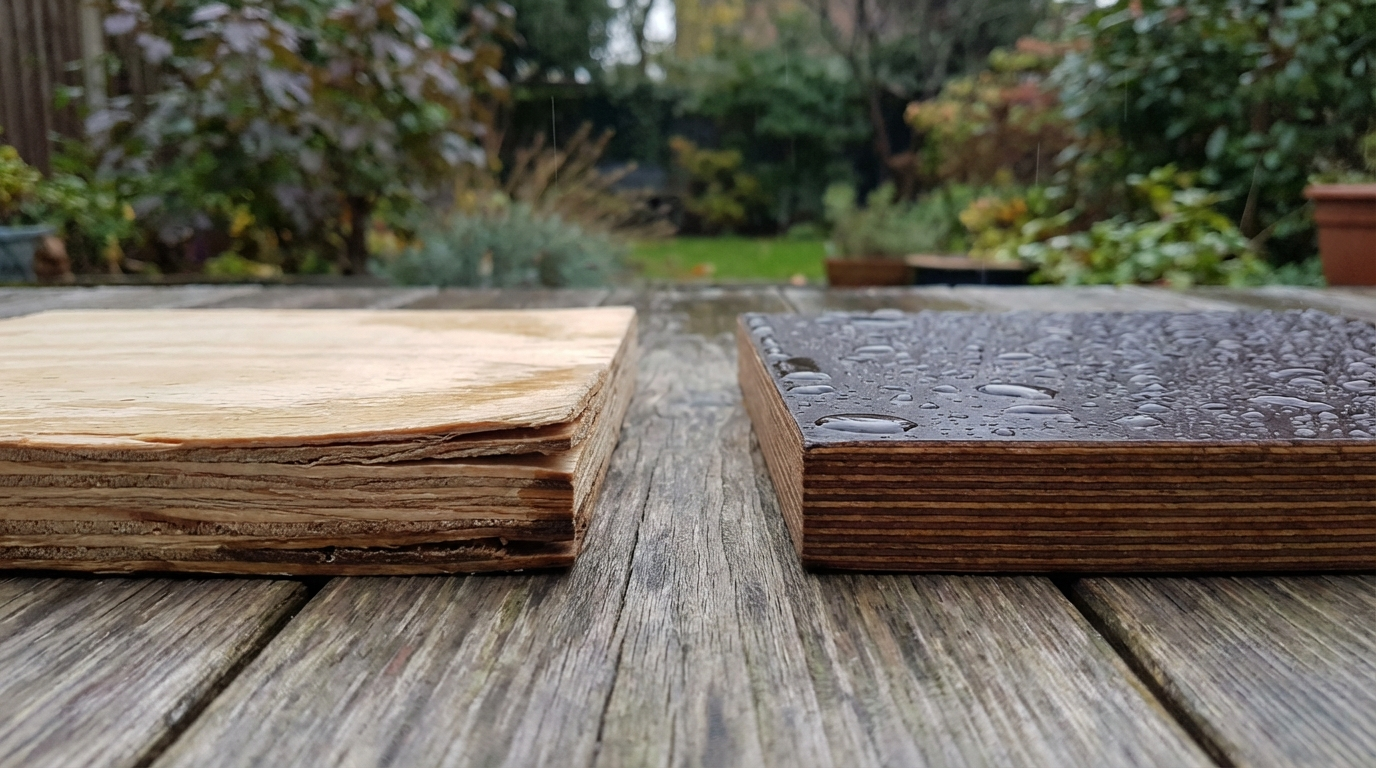
For the best plywood for outdoor use in India, prioritize Boiling Water Proof (BWP) or marine-grade plywood with phenolic resin impregnation and anti-fungal treatments. These withstand monsoons, UV exposure, and humidity without delaminating or warping. Standard MR grades fail quickly outdoors, so always select exterior-grade options certified for boiling water resistance. Thicknesses from 12mm to 25mm suit most projects like pergolas, facades, and gates, with prices varying by brand tier and city logistics.
- Top picks: BWP (IS-associated) for cost-effective durability; marine for extreme coastal exposure.
- Key check: Verify edge-sealing and dark glue lines on cross-sections.
- Avoid: Interior MR or commercial grades exposed to rain.
- Typical thickness: 18mm for structural; 6-12mm for cladding.
- Budget range: ₹90-₹180 per sq ft for 18mm BWP (tier-2 cities, mid-brand).
- Pro tip: Pair with weatherproof paints for 10+ years lifespan.
Best Plywood for Outdoor Use: Essential Grades and Features
Selecting the best plywood for outdoor use starts with understanding grades engineered for relentless exposure. In practical Indian market terms, BWP plywood stands out because its glue bonds endure boiling water tests, mimicking prolonged rain cycles. This contrasts with Moisture Resistant (MR) plywood, which swells in humidity alone. Marine-grade plywood takes it further with denser cores and preservatives against marine borers, ideal for coastal homes in Mumbai or Chennai.
Core composition matters: Poplar or hardwood mixes provide strength without excessive weight. Phenolic films or resins coat surfaces, repelling water penetration. Thickness influences load-bearing—18mm handles pergola rafters, while 12mm works for decorative louvers. Indian manufacturers vary glue formulations, so darker, rubbery glue lines signal quality BWP over brittle urea-formaldehyde in cheaper boards.
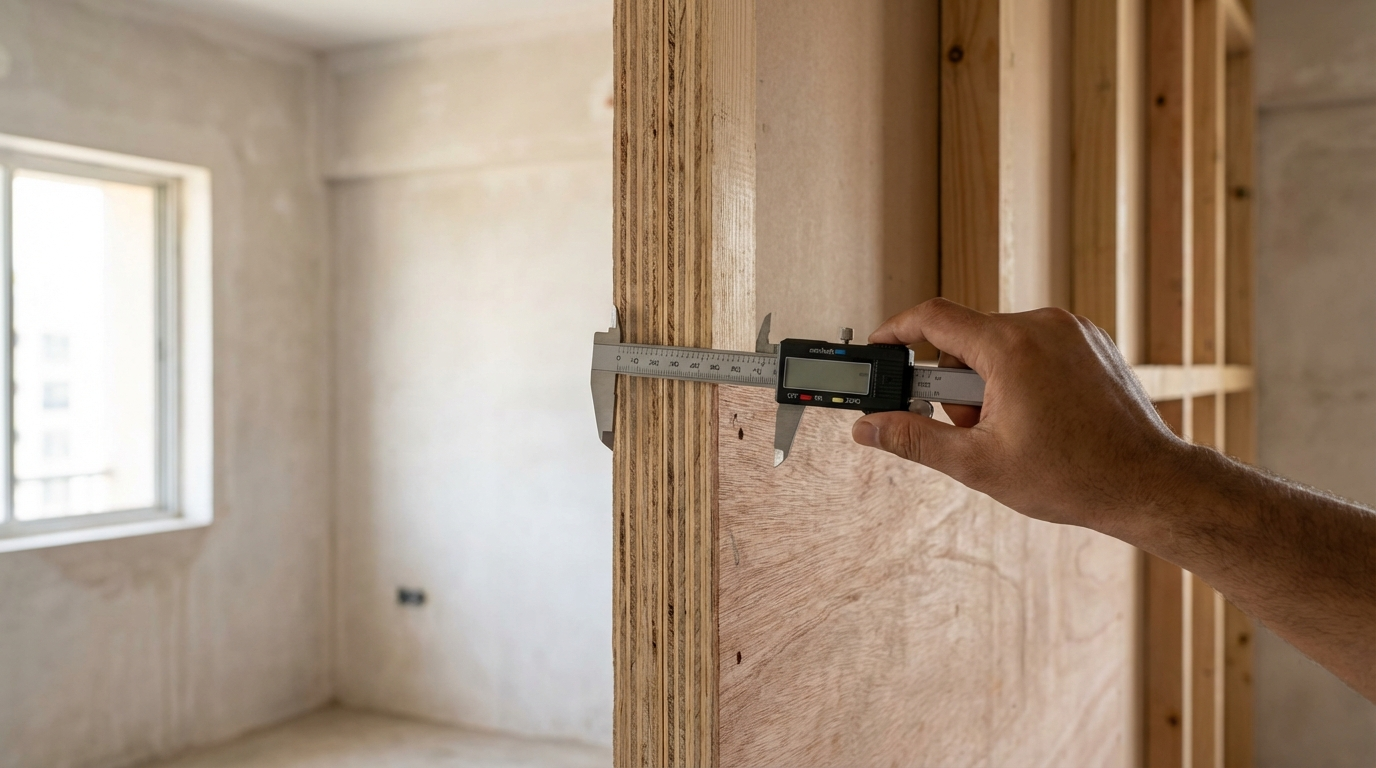
Why differences exist? Regional sourcing affects density—northern poplar is lighter but needs tighter gluing for monsoons, while southern hardwoods resist termites better. UV stabilizers prevent surface cracking in Delhi summers. For exterior projects, untreated plywood warps within months; treated versions last 8-15 years with maintenance. Always inspect for uniform thickness, as Indian dealer stocks mix metric and imperial naming (18mm vs 19mm).
Real-world use: In balcony cladding, BWP avoids the peeling seen in MR after one rainy season. Gates and sheds demand marine if near sea spray. Budget buyers lean BWP; premium projects add HMR overlays. Logical progression: Match grade to exposure—mild shade gets BWP, direct rain needs marine.
This foundation ensures your outdoor investment holds up, saving rework costs common in humid belts.
How to Choose the Best Plywood for Outdoor Use (Decision Framework)
A structured decision framework simplifies picking plywood for patios, fences, or exterior cabinets. Start by mapping exposure: High rain (coastal Kerala) demands marine; moderate (inland Pune) suits BWP. Budget next—mid-tier brands balance quality without premium pricing. Then, verify specs: Boiling water resistance, thickness consistency, and screw-holding for fittings.
Checklist for Indian buyers:
- Confirm BWP/marine stamp on edges; ignore verbal dealer claims.
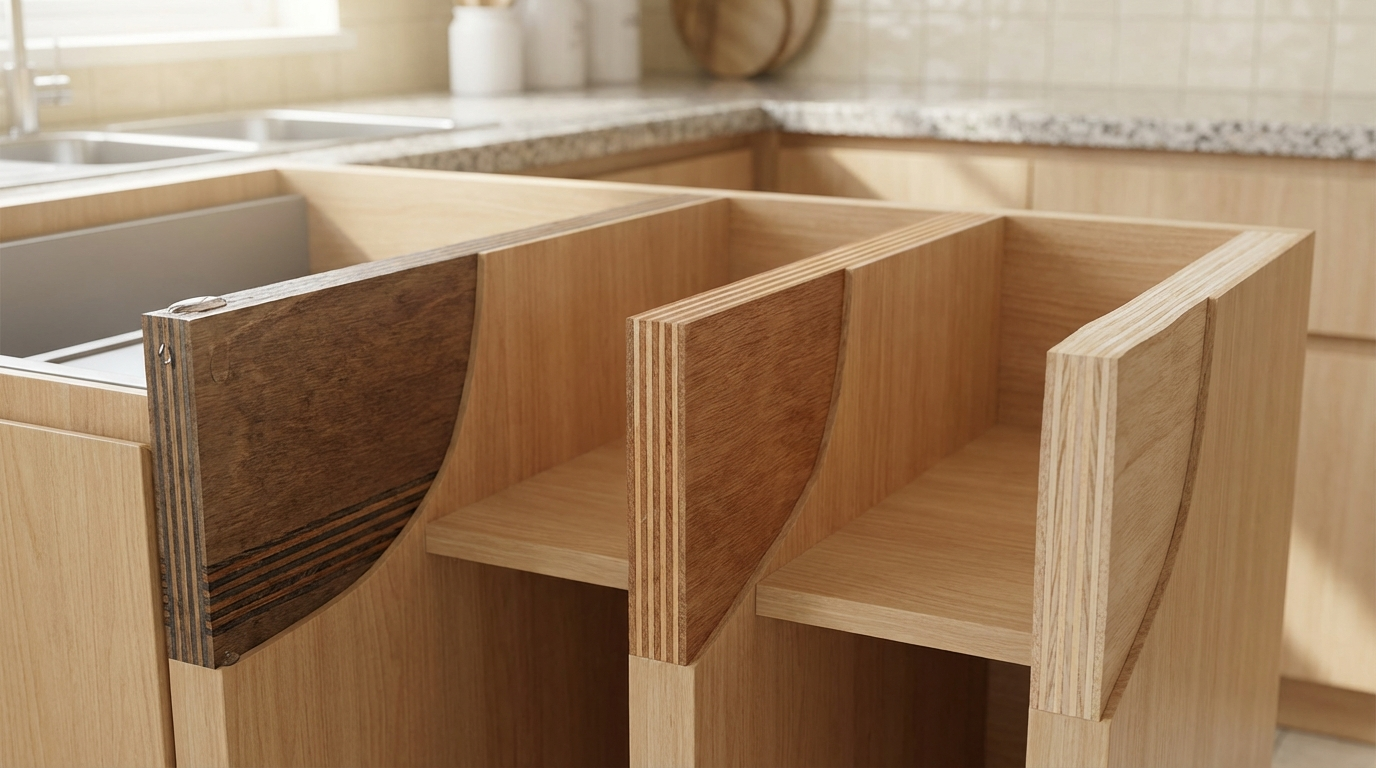
- Test cross-cut: Glue should be dark, flexible, not flaky.
- Check core voids—minimal gaps prevent water trapping.
- Assess weight: Heavier signals denser, moisture-resistant wood.
- Match thickness to load: 18-25mm structural, 6-12mm non-load.
- Factor logistics: Tier-1 cities add 10-20% transport premium.
When NOT to choose BWP/marine: Indoor-only projects waste money; opt MR there. Avoid if carpenter insists on cheaper cuts—leads to failures. Skip thin sheets (<12mm) for high-wind areas like Rajasthan gusts. In modular CNC work, ensure machinability ratings match. This framework empowers dealer negotiations, focusing on verifiable traits over promises.
Indian scenario: During monsoons, untreated boards delaminate at joints. Prioritize sealed edges. For budgets under ₹100/sqft, scout tier-2 dealers for overlooked stock. Carpenter input: They prefer screw-grip BWP for easy outdoor installs.
Weatherproof Plywood Comparison Table
Comparing plywood grades clarifies trade-offs for outdoor projects. Prices reflect 18mm sheets in tier-2 cities (e.g., Jaipur, Coimbatore), mid-brand, GST-included. Ranges shift with hardwood content, city transport, and bulk buys—northern mills cheaper inland, coastal add preservatives.
| Grade/Type | Best For | Key Strengths | Limitations | Price Range (₹/sq ft, 18mm) | Expected Lifespan (Maintained) |
|---|---|---|---|---|---|
| BWP (Boiling Water Proof) | Pergolas, gates, facades | High moisture resistance, good screw hold, affordable | Less UV protection than marine | ₹90-₹140 | 8-12 years |
| Marine Grade | Coastal sheds, boat decks | Termite/salt resistance, dense core | Heavier, pricier | ₹130-₹180 | 12-18 years |
| BWR (Boiling Water Resistant) | Covered balconies | Balanced cost, decent rain hold | Not for direct immersion | ₹80-₹120 | 5-10 years |
| Film Faced (Phenolic) | Concrete formwork reuse | Reusable, smooth finish | Brittle edges if damaged | ₹110-₹160 | 10-15 years (reuses) |
| MR (Interior - Avoid Outdoors) | Not recommended | Cheap | Swells/delaminates fast | ₹50-₹80 | <2 years |
Table insights: BWP dominates 70% of Indian outdoor buys for value. Marine justifies cost in salty air. Prices rise 15-25% in metros due to logistics. Always cross-check sheet stamps against table traits.
Why Weatherproof Plywood Matters in India's Diverse Climates
India's weather extremes make weatherproof plywood non-negotiable for exterior longevity. Monsoon humidity (90%+ in Mumbai July) infiltrates porous boards, causing core rot. BWP's phenolic glue repels this, unlike MR's urea bonds that hydrolyze. Coastal regions like Goa face salt-laden winds eroding surfaces—marine grades with copper preservatives counter this.
Inland dry heat (Rajasthan 45°C) cracks untreated faces; UV-stabilized overlays prevent fading. Why regional variance? Sourcing: Kerala rubberwood resists fungi naturally, northern eucalyptus warps easier without treatments. Tier-2 cities like Nagpur see dealer mixes—buyers must inspect amid humid storage.
Practical case: Pergola in Bangalore rains—BWP holds vs. MR collapse. Cost logic: Initial ₹120/sqft saves ₹500/sqft rework. Carpenter constraint: CNC routers prefer consistent BWP densities. Why it matters: 60% outdoor failures trace to wrong grade, per market patterns. Pair with monsoon sealants for peak performance.
Logistics factor: GST + 500km trucking adds ₹10-20/sqft. Bulk dealer buys mitigate this.
Common Mistakes When Buying Plywood for Outdoor Use
Buyers often overlook basics, leading to expensive fixes. Top error: Trusting dealer "outdoor-ready" labels on MR plywood—swells post-monsoon. Inspect yourself: Cut a sample edge; flaky white glue screams interior grade.
Carpenter pitfalls: Over-spec'ing thickness (25mm unnecessary for cladding) inflates bills. Or skimping on edge-sealing, trapping water at joints. Dealer tricks: Mixing rejected sheets in bulk deals—check for uniform color, no patches.
Quick inspection checks:
- Tap test: Dull thud = solid core; hollow = voids.
- Moisture meter (borrow from carpenter): Under 12% ideal.
- Weight per sheet: Lighter signals low density.
- Edge finish: Sealed, not raw wood.
- Stamp verification: BWP/marine markings crisp, not faded.
Indian scenario: Festival rushes push subpar stock. Budget under ₹80/sqft? Walk away for outdoors. Failure case: Warped balcony partitions from uncoated BWR—replacements cost double. Educate carpenters on glue lines pre-cut. Avoid "imported" hype; local BWP matches with better acclimation.
Trade-offs and Limitations of Outdoor Plywood Options
No plywood is perfect; trade-offs define smart choices. BWP excels in moisture but lags marine in termite zones—add pre-treatment. Cost vs durability: ₹100/sqft BWP lasts 10 years; ₹150 marine stretches 15 but weighs 20% more, straining installs.
Finish limitations: Phenolic overlays scar easily, needing paints. Screw-holding strong in BWP cores drops in humid storage—use fresh stock. Thickness trade: Thicker resists warp but hikes price 30% per mm.
Edge cases: High-wind cyclones (Odisha)—reinforce with metal frames, not thicker ply alone. CNC precision? BWP okays but marine's density dulls bits faster. When NOT to use: Fully submerged (pools)—go metal/composites.
Indian buyer balance: Monsoon priority over UV for most. Limitations: All organic—expect 1-2mm swell yearly without sealants. Vs alternatives: MDF crumbles outdoors; solid wood warps unevenly. Logical pick: Match exposure to grade, accept 10-15% premium for peace.
Maintenance trade: Annual recoating doubles life, offsets initial cost.
Installation and Maintenance Tips for Long-Lasting Outdoor Plywood
Proper setup maximizes outdoor plywood life. Acclimate sheets 48 hours in project shade—prevents cupping from Kerala humidity jumps. Fix with rust-proof screws, 50mm spacing; pre-drill to avoid splits.
Seal all edges twice with epoxy or oil-based primers before painting. Why? Exposed ends wick moisture fastest. For facades, leave 5mm gaps for expansion in summer heats.
Maintenance routine: Clean quarterly with mild soap; recoat paint yearly pre-monsoon. Check joints for cracks—caulk immediately. Indian tip: Coastal? Rinse salt monthly. Avoid pressure washing—erodes films.
Carpenter best practice: Stagger seams like bricks for strength. Modular kitchens outdoors? Ventilate backs. Failure avoided: Ungapped installs buckle in 40°C + rain cycles. With care, expect 12+ years even in Lucknow monsoons.
Dealer advice integration: Buy 5% extra for cuts/waste.
Frequently Asked Questions
Is BWP plywood truly waterproof for outdoor use?
BWP plywood resists boiling water immersion, making it highly suitable for India's heavy monsoons, but it's not 100% waterproof like plastics. Water beads off treated surfaces, and sealed edges prevent penetration. In practical terms, exposed BWP in Pune rains holds without delamination for years, unlike MR. Verify dark glue lines and apply edge sealant for optimal performance. Coastal tweaks add marine preservatives, balancing exposure levels common in tier-2 cities.
What's the difference between BWP and marine plywood for exteriors?
BWP focuses on glue bond strength for rain and humidity, sufficient for most inland outdoor projects like gates. Marine plywood amps density, termite salts, and fungal resistance for sea-facing or submerged edges. Price gap: 20-30% higher for marine. Indian logic: BWP for 80% uses; marine for Chennai balconies. Both beat BWR outdoors—check core hardness to distinguish at dealers.
How thick should plywood be for outdoor pergolas?
For pergolas, 18-25mm BWP/marine handles wind loads and spans 1-1.5m between supports. Thinner 12mm suits decorative tops only. Why range? Local winds—Rajasthan gusts need thicker. Carpenter spacing dictates: Closer rafters allow slimmer sheets. In humid Nagpur, prioritize density over thickness to fight warp. Always load-test small sections pre-full build.
Can regular plywood be treated for outdoor use?
MR or commercial plywood can get coatings, but gains are temporary—core moisture still causes swelling. Phenolic sprays add minor protection, yet glue fails first. Better: Upgrade to BWP outright. Indian hack: Budget cases use oil-treated MR under overhangs only. Long-term? No substitute for factory-engineered exteriors. Inspect post-treatment flex—no brittle boards.
What causes outdoor plywood to warp or delaminate?
Unsealed edges trap monsoon water, softening glue bonds. Poor storage pre-install swells cores unevenly. UV cracks faces, letting rain in. Indian culprits: High humidity storage, no acclimation, weak screws. Prevention: Seal generously, gap joints, use galvanized fixings. Delamination hits MR fastest; BWP delays it years. Check dealer humidity control.
Are there affordable weatherproof plywood alternatives?
BWR offers entry-level resistance at lower cost, good for covered patios. Film-faced plywood reuses well for temporary formwork. HDF boards with lamination work for low-load cladding but avoid direct rain. Trade-off: Shorter life than BWP. In tier-3 towns, scout mid-brands like Greenply for ₹90/sqft deals. Solid timber edges out ply on cost sometimes, but uniformity favors sheets.
How do I verify plywood quality at Indian dealers?
Physically cut or request cross-sections: Dark, rubbery glue = BWP/marine. Minimal voids, consistent layers. Moisture under 12%, no musty smell. Tap for solidity. Ignore labels alone—match stamps. Bulk buy? Test 10% sheets. Carpenter allies spot fakes from weight alone. Post-GST, compare 5 dealers for logistics savings.
Does outdoor plywood need special paints or finishes?
Yes—oil/alkyd exterior emulsions or polyurethanes lock in protection. Two coats minimum, edges first. Why? Bare BWP oxidizes; paints block UV/moisture. Indian pick: Weatherproof brands for 5-year fade resistance. Matte for gates, gloss for facades. Recoat yearly cuts warping 50%. Avoid interiors paints—they blister outdoors.
Disclaimer: This content is provided for general informational purposes based on industry practices and publicly available information. Product specifications, standards, prices, and availability may vary by manufacturer, region, and time. Readers should independently verify details with manufacturers, dealers, or qualified professionals before making purchase or construction decisions.Want Plywood Suggestions?
Share a few details and a Apple Ply specialist will suggest suitable brands and connect you to responsive dealers.