Best Plywood for Modular Kitchen Cabinets (BWR vs BWP?)
Choosing plywood for kitchen cabinets? Learn which type is best (MR, BWR, or BWP) for modular kitchens, considering moisture, durability, and budget.
Why Modular Kitchen Cabinets Demand Superior Plywood
Modular kitchens have transformed Indian homes, especially in urban apartments and villas where space efficiency meets modern aesthetics. These cabinets endure daily assaults from spills, steam, splashes, and fluctuating humidity levels that define Indian cooking environments. Water from sink areas, oil vapors from stoves, and monsoon ingress through windows create a perfect storm for plywood degradation. Inferior choices lead to swelling, delamination, and fungal growth within months, turning a dream kitchen into a costly repair nightmare.
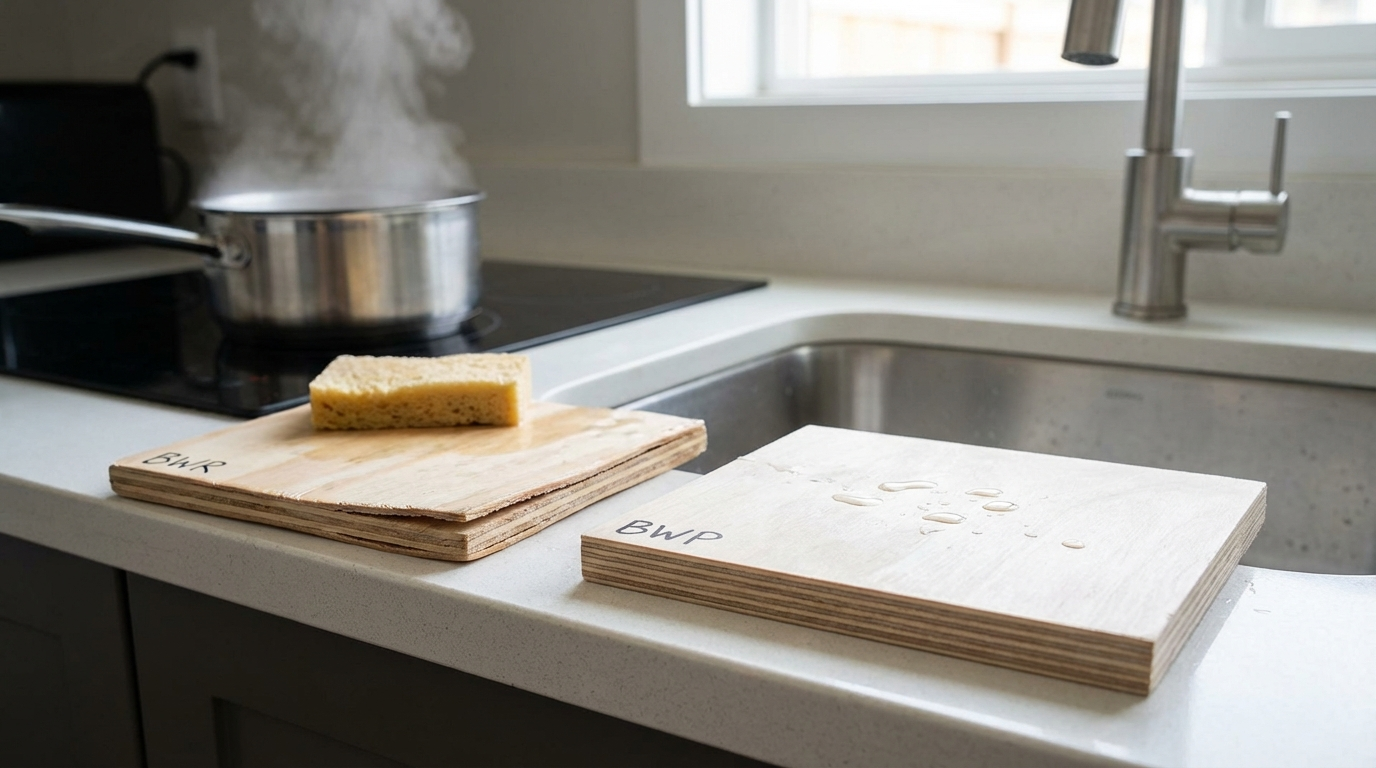
The core question every buyer faces: which plywood withstands these rigors without compromising on strength or finish? From experience across thousands of installations, BWP grade emerges as the undisputed leader for modular kitchen cabinets. Unlike MR, which buckles under brief moisture exposure, or even BWR, which handles moderate humidity but falters in prolonged wet conditions, BWP maintains structural integrity through boiling water tests and real-world kitchen abuse. This isn't hype—it's physics: BWP's phenolic resin binders create a waterproof barrier, preventing water molecules from penetrating the core layers.
In India, where kitchens double as family hubs amid chaotic meal preps, this durability translates to 15-20 years of service life versus 5-7 for lesser grades. Consider a typical Mumbai flat: high humidity year-round, plus Diwali sweets boiling over. BWP cabinets shrug it off, while MR variants warp visibly. South Indian homes face amplified risks—Kerala's coastal monsoons or Chennai's relentless downpours seep into cabinets if not sealed perfectly. Here, opting for less invites white ants and mold, common failure points I've seen dismantle budgets prematurely.
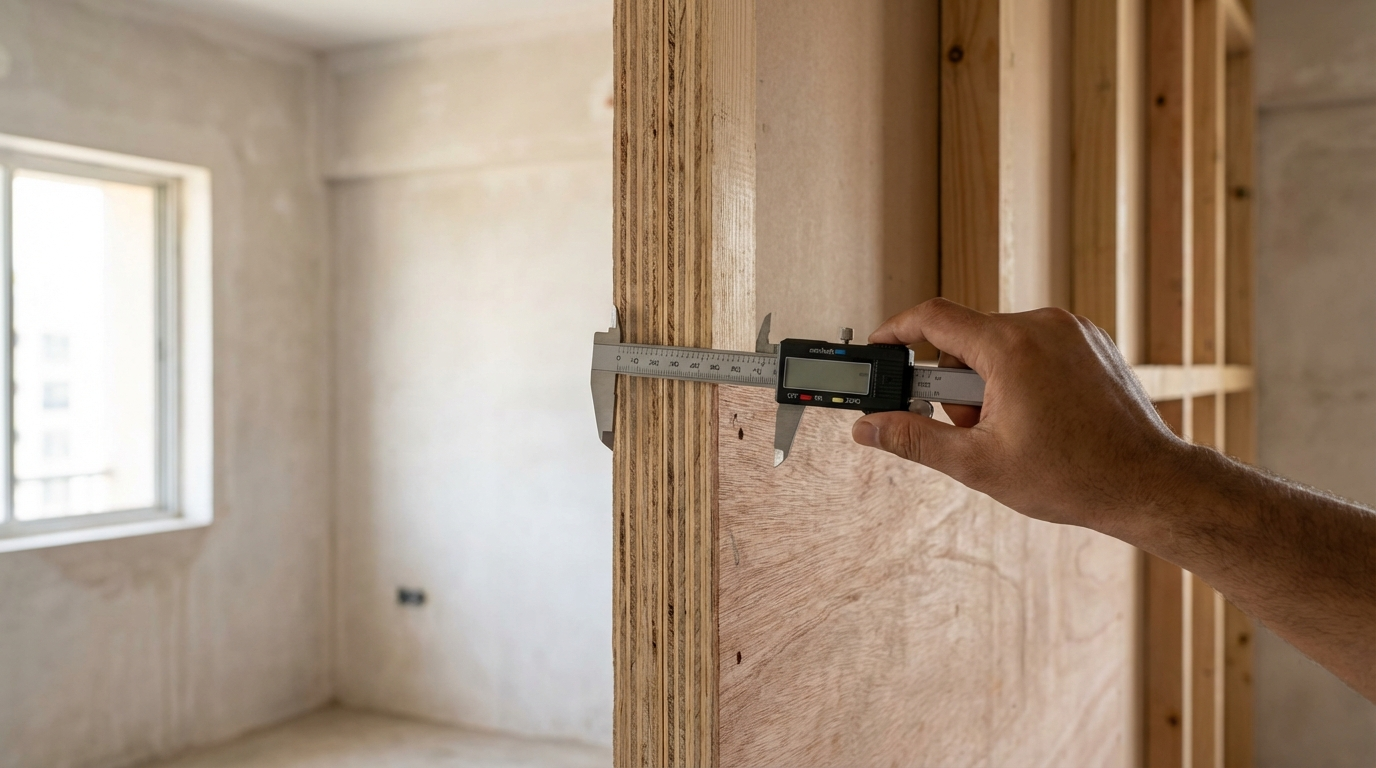
Beyond moisture, modular designs rely on precise CNC machining. BWP's stability under router bits and edge banding ensures clean cuts without chipping, vital for that seamless look. Weight-bearing shelves for mixers and utensils demand high screw-holding strength, where BWP excels due to its dense crossbands. Early decision: prioritize BWP thickness of 18mm for cabinets and 16mm for shutters to balance load and aesthetics. This foundation sets your kitchen for longevity, avoiding the regret of patchwork fixes.
Real-World Indian Kitchen Scenarios
Picture a Bangalore couple installing modular cabinets during pre-monsoon rush. They chose BWR to save costs, only to watch shelves sag under pressure cookers after six months of idli steaming. Contrast with a Hyderabad villa using BWP: identical setup, zero issues a decade later. These cases highlight why thickness and grade interplay—thinner BWP outperforms thick MR every time.
Plywood Grades Decoded: MR, BWR, and BWP for Kitchens
IS:303 standards classify plywood by moisture resistance, tested via boil cycles. MR (Moisture Resistant) survives 2-6 hours in boiling water but swells in ambient humidity. BWR (Boiling Water Resistant) endures 8-14 hours, suitable for bathrooms but marginal for kitchens. BWP (Boiling Water Proof) withstands 72+ hours, the gold standard for wet zones.
Core composition drives these differences. MR uses urea-formaldehyde, cheap but hygroscopic—absorbs moisture like a sponge. BWR upgrades to melamine-fortified resins, offering interim protection. BWP employs full phenolic BWR-grade resins throughout, from face veneers to inner plies, creating a monolithic shield. In Indian markets, face finishes vary: MR often has basic paper overlays, while BWP boasts natural teak or commercial veneers for laminate adhesion.
Density matters too—BWP hovers at 700-800 kg/m³, resisting dents from dropped utensils, unlike MR's 500-600 kg/m³. Screw withdrawal strength in BWP exceeds 1500N, holding heavy hinges securely, while MR dips below 1000N, leading to loose doors. For modular kitchens, where cabinets stack floor-to-ceiling, this prevents catastrophic failures.
Why this hierarchy exists: resin chemistry. Phenolics in BWP cross-link under heat and pressure, forming insoluble networks impervious to water. Urea in MR hydrolyzes, breaking bonds on exposure. Indian carpenters confirm: BWP edges never lift post-lamination, crucial for high-gloss finishes in premium modular setups.
Testing in Indian Lab Conditions
Simulate a kitchen: expose samples to 90% RH, steam blasts, and turmeric spills. MR delaminates in weeks; BWR holds 1-2 years; BWP remains pristine. This reasoning stems from polymer science tailored to tropical climates.
Why BWP is the Best Plywood for Kitchen Cabinets
BWP plywood stands out for modular kitchens because it addresses every vulnerability head-on. In high-moisture zones like sink cabinets, it prevents core swelling that plagues others—veneers stay flat, laminates adhere flawlessly. Durability metrics: tensile strength over 50 MPa, bending at 40+ MPa, far surpassing BWR's 35-40 MPa.
Indian cooking amplifies needs: frequent wiping with wet cloths, pressure cooker overflows, and gas leaks corroding unprotected wood. BWP's formaldehyde emission is low (E1/E0 levels in quality mills), safer for homes with kids inhaling vapors. Termite resistance shines too—phenolics deter borers better than urea alternatives.
For South India, where Kochi homes battle 80%+ humidity and salt-laden air, BWP's corrosion-resistant screws and fittings integrate seamlessly. CNC compatibility is unmatched: zero tear-out during routing for soft-close drawers. Cost? 20-40% premium over BWR, but ROI via zero replacements justifies it.
Edge cases: outdoor-facing kitchens or villas with aquariums nearby—BWP handles incidental flooding. Paired with PU edge tapes, it creates bombproof cabinets. Buyers report 25% less maintenance, freeing budgets for appliances.
BWP in Modular Designs
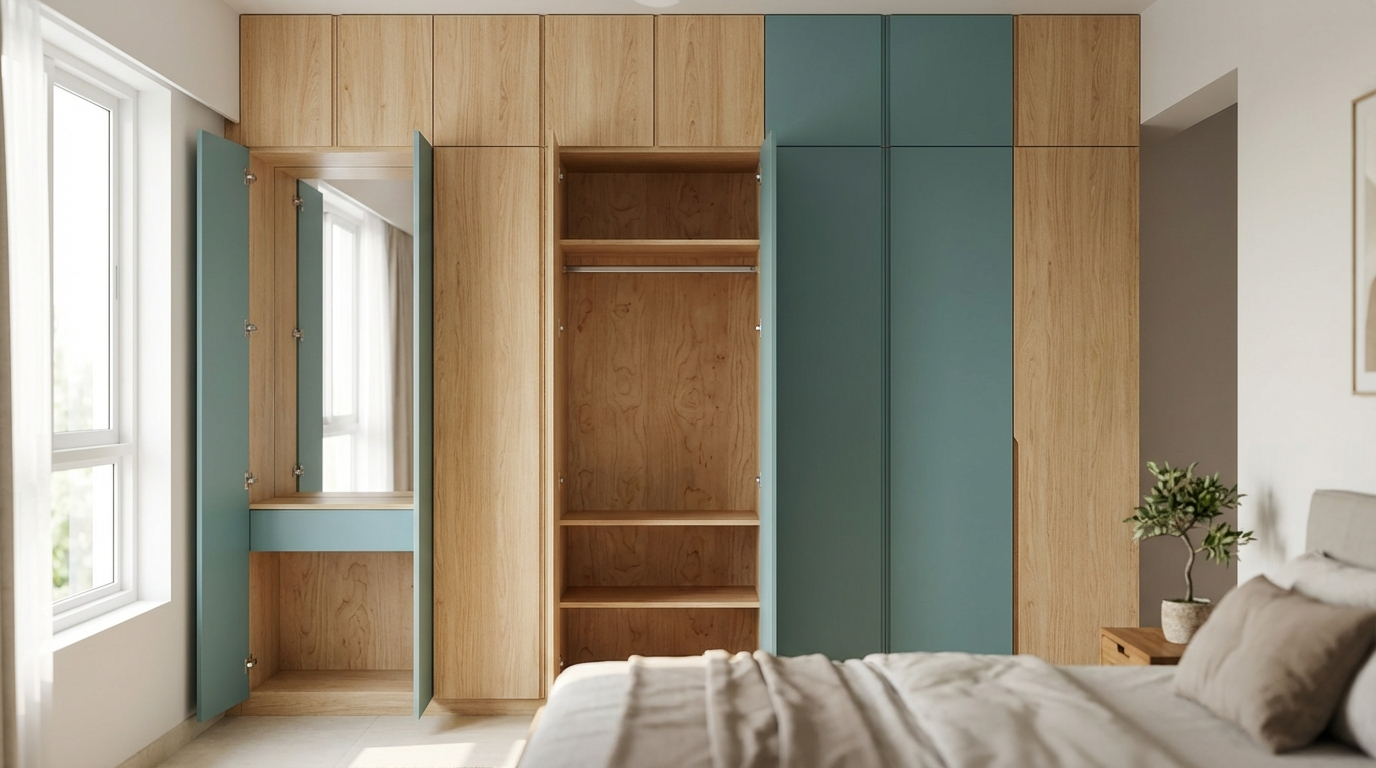
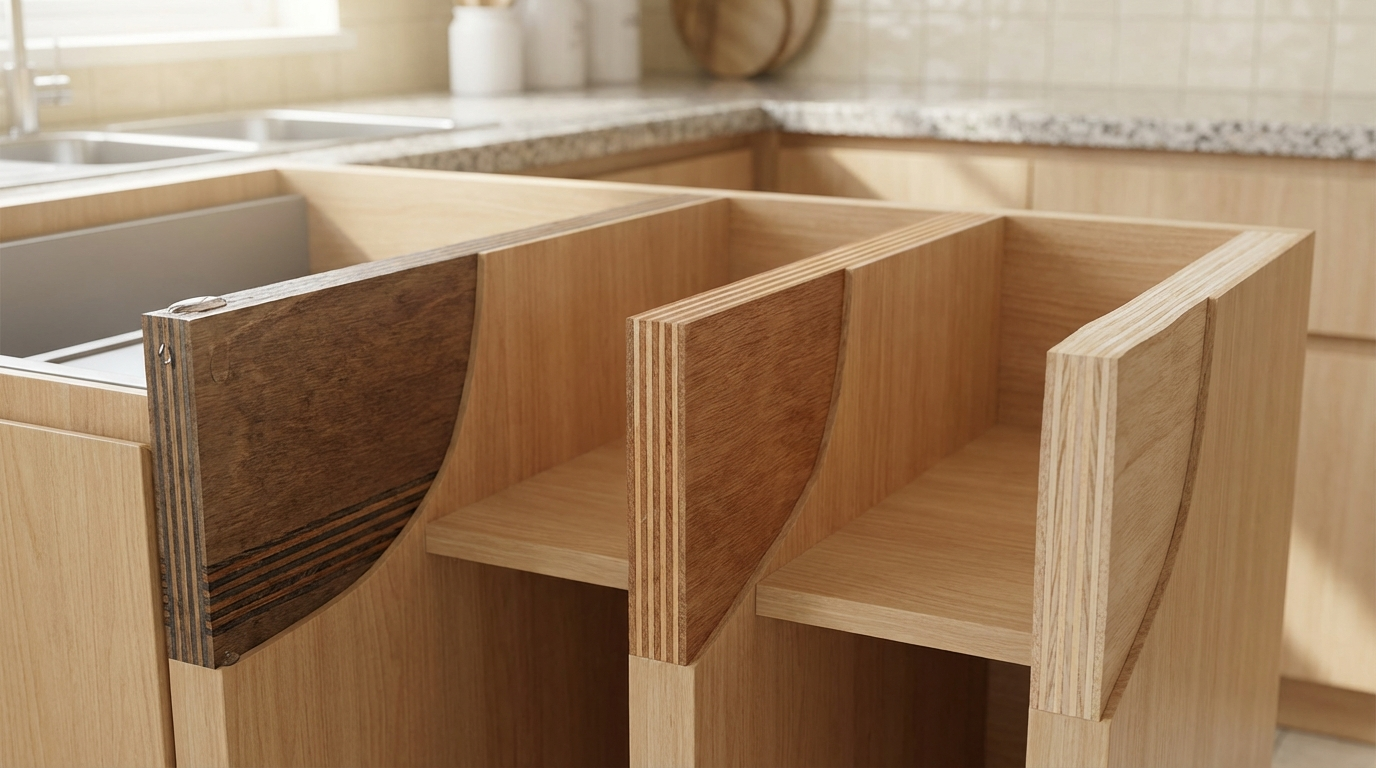
18mm BWP carcasses with 16mm shutters optimize strength-to-weight. V-grooved joints enhance rigidity, unseen in cheaper grades.
BWR Plywood: Viable for Budget Modular Kitchens?
BWR offers a middle ground, resisting 8-10 boil hours and moderate spills. In dry interiors like North Indian homes, it performs adequately for 7-10 years. Thicker variants (19mm) boost screw hold for heavy pots.
However, limitations surface in steam-heavy environments. Dal splatters penetrate over time, causing ply separation. In Pune's humid summers, I've seen BWR cabinets bow under microwaves. Compared to BWP, formaldehyde is higher, and density lower (650 kg/m³), risking dents.
When to choose BWR: rental properties or low-use kitchens (bachelors). Pair with silicone sealants and ventilation. South India? Avoid—monsoons overwhelm it. Trade-off: halves upfront cost but doubles long-term expenses.
Carpenters note: BWR laminates bubble sooner, needing frequent touch-ups. For modular, it suffices if cabinets avoid direct wet zones, but island units demand better.
Edge Cases for BWR Success
Dry Delhi pantries: yes. Coastal Goa wet bars: no. Logical fit over blanket adoption.
MR Plywood: Why It Fails in Kitchen Cabinets
MR suits wardrobes or furniture, surviving dry spells but crumbling in kitchens. Brief sink exposure swells cores 10-15%, warping doors. Indian masala grinding releases moisture-laden air, accelerating decay.
Common in budget modulars, it delaminates within a year—face veneers peel, exposing glue lines to fungi. Screw pull-out is weak, hinges rattle post-install. In humid Kolkata, whitewash blooms overnight.
Avoid entirely for kitchens. Even with paints, moisture migrates. South Indian carpenters shun it for cabinets, reserving for partitions. Mistake multiplier: dealers push it as "kitchen grade," ignoring realities.
Failure cascade: swelling leads to laminate cracks, then termite entry. Replacement costs exceed savings threefold.
Visual Signs of MR Failure
Bubbling edges, sagging shelves—hallmarks after 6 months of use.
Indian Kitchen Challenges: Humidity, Monsoons, and Coastal Exposures
India's climate varies wildly: Rajasthan's arid heat contrasts Kerala’s 90% RH monsoons. Kitchens amplify this—cooking generates 50-70% relative humidity spikes. Modular cabinets, often wall-hung, trap steam.
South India intensifies: Chennai cyclones fling salt spray, corroding fittings; Bangalore fog condenses on cools. BWP's hydrophobicity repels this; lesser grades absorb, fostering mold.
Dealer insights: coastal buyers need BWP + marine-grade hinges. CNC shops prefer BWP for precision in humid mills. Ventilation gaps are mandatory—without, even BWP strains.
Monsoon prep: seal all joints. Failures peak July-September, with warped cabinets flooding floors.
South vs North: Tailored Choices
North: BWR viable inland. South: BWP non-negotiable for modular longevity.
Common Mistakes in Selecting Plywood for Kitchen Cabinets
Buyers chase "lowest price per sheet," ignoring grade—MR dealers label as BWR. Carpentry error: using 12mm sheets; minimum 16-18mm needed for spans.
Mistake: skipping thickness checks. 16mm BWP outperforms 19mm BWR. No moisture testing: tap sheet—if dull thud, poor density.
South India pitfall: ignoring coastal salt—rusts internal screws. Modular rush: unseasoned plywood warps post-install. Dealers hide core with fancy faces.
Fix: demand BIS stamps, weigh sheets (heavier = denser). Carpenter tip: boil scrap—BWP survives unscathed.
Avoiding Dealer Traps
"Kitchen special" often means MR. Insist on lab reports verbally verified.
Trade-Offs and Decision Framework for Kitchen Plywood
Budget vs lifespan: MR cheapest (Rs. 50-70/sqft), shortest life; BWP priciest (Rs. 100-150/sqft), eternal. BWR middles at Rs. 80-110.
Thickness trade: 18mm rigid but heavy; 16mm lighter, needs bracing. Finish: veneered BWP best for laminates.
Decision table:
| Factor | MR | BWR | BWP |
|---|---|---|---|
| Moisture Resistance | Poor | Moderate | Excellent |
| Kitchen Lifespan (Years) | 3-5 | 7-10 | 15-25 |
| Cost per Sqft (18mm) | Low | Medium | High |
| South India Suitability | No | Maybe | Yes |
| CNC Compatibility | Fair | Good | Excellent |
Framework: Assess exposure (high= BWP), budget (under 20% total? BWR max), location (South= BWP). Score 1-10 per factor, pick highest total.
Installation, Maintenance, and Longevity Tips
CNC-cut BWP with 0.5mm clearances for expansion. Use SS hinges, silicone sealants. South India: elevate cabinets 150mm off floors.
Maintenance: wipe dry, ventilate post-cooking. Annually inspect edges. Avoid abrasive cleaners—soft cloths suffice.
Carpenter hacks: pre-drill screws, V-groove joints. Modular pros use laser levels for plumb.
Extending Life in Humid Zones
Dehumidifiers in cabinets, anti-fungal paints inside.
Frequently Asked Questions on Kitchen Plywood
Is BWP really necessary for every modular kitchen?
Not for ultra-dry zones like air-conditioned deserts, but 90% of Indian homes benefit. Steam and spills are universal—BWP future-proofs against surprises like floods.
Can BWR work in South Indian kitchens?
Only with caveats: impeccable sealing, no sink proximity, and AC always on. Monsoons tip scales to BWP for peace.
How thick should plywood be for cabinets?
18mm carcasses, 16mm shutters. Thinner risks sagging; thicker adds needless weight/cost.
Does plywood grade affect laminate adhesion?
Absolutely—BWP's smooth, stable surface prevents bubbling over years.
What if budget forces MR?
Hybrid: MR for uppers, BWP lowers. Still risky—better save for full BWP.
Termites in kitchen plywood?
BWP resists naturally; treat others chemically. Elevate and ventilate universally.
CNC cutting: any grade issues?
BWP cuts cleanest, least dust. MR frays, wasting material.
Cost savings: BWR vs BWP long-term?
BWP pays back in 5 years via no repairs. Modular kitchens demand investment.
Disclaimer: This content is provided for general informational purposes based on industry practices and publicly available information. Product specifications, standards, prices, and availability may vary by manufacturer, region, and time. Readers should independently verify details with manufacturers, dealers, or qualified professionals before making purchase or construction decisions.Want Plywood Suggestions?
Share a few details and a Apple Ply specialist will suggest suitable brands and connect you to responsive dealers.