Best Plywood for Home Furniture (Beds, Tables & More)
Building furniture like beds or tables? Learn which type of plywood is best for different furniture pieces, balancing strength, looks, and budget.
Key Factors in Choosing the Best Plywood for Home Furniture
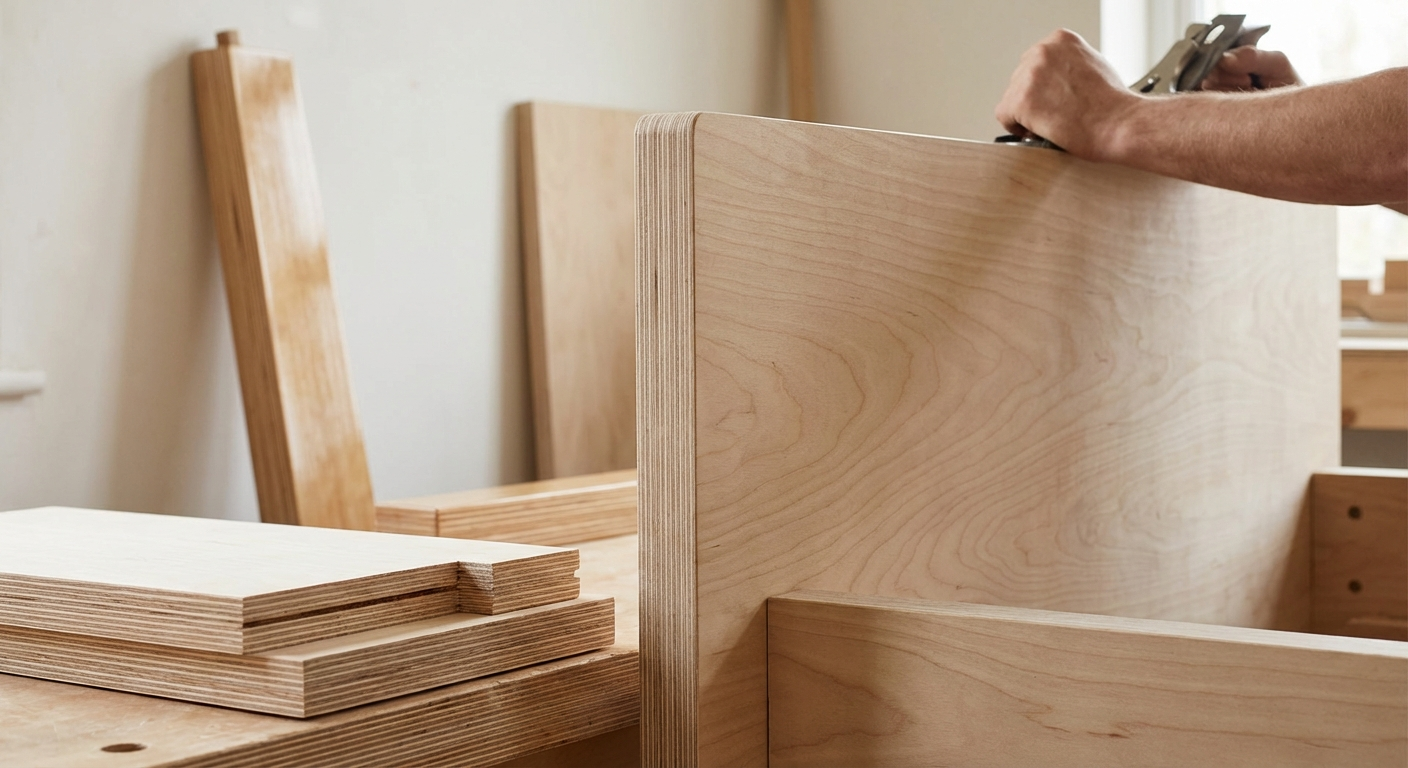
When building or buying furniture like beds, tables, shelves, and cabinets, the right plywood makes all the difference in longevity and performance. For most Indian homes, especially those dealing with fluctuating humidity, the best choice starts with BWR (Boiling Water Resistant) or BWP (Boiling Water Proof) grades in 18mm thickness. These grades resist moisture better than basic MR plywood, preventing warping and delamination that plague cheaper options during monsoons. Why 18mm? It provides the structural strength needed for load-bearing pieces like bed frames or dining tables without sagging over time.
Strength comes from the number of plies—more layers mean better screw-holding and impact resistance. Aesthetics play a role too: opt for plywood with a smooth surface for laminates or veneers, avoiding rough patches that show through finishes. In India, where furniture often faces daily wear from families, prioritize termite-resistant treatments infused during manufacturing. Budget-wise, expect to pay more for higher grades, but the investment pays off in fewer repairs. This combination—grade, thickness, and treatment—ensures your furniture lasts 15-20 years, even in humid coastal regions.
Real-world logic: A bed base in thin MR plywood might buckle under a mattress and sleeper weight within a year, while BWP holds firm. Tables need similar robustness to handle plates, books, or laptops without vibrations. Always check core quality; hardwood cores like poplar or eucalyptus outperform softwood in screw grip. For modular setups popular in urban apartments, compatibility with CNC cutting is key—uniform thickness prevents machine jams.
Why this matters in India: With 70-90% humidity in many areas during rains, untreated plywood swells, leading to glue failure. BWR/BWP glues survive boiling tests, mimicking real exposure. In dealer-driven markets, insist on IS-marked sheets to avoid fakes.
Best Plywood for Beds and Wardrobes: Strength Under Load
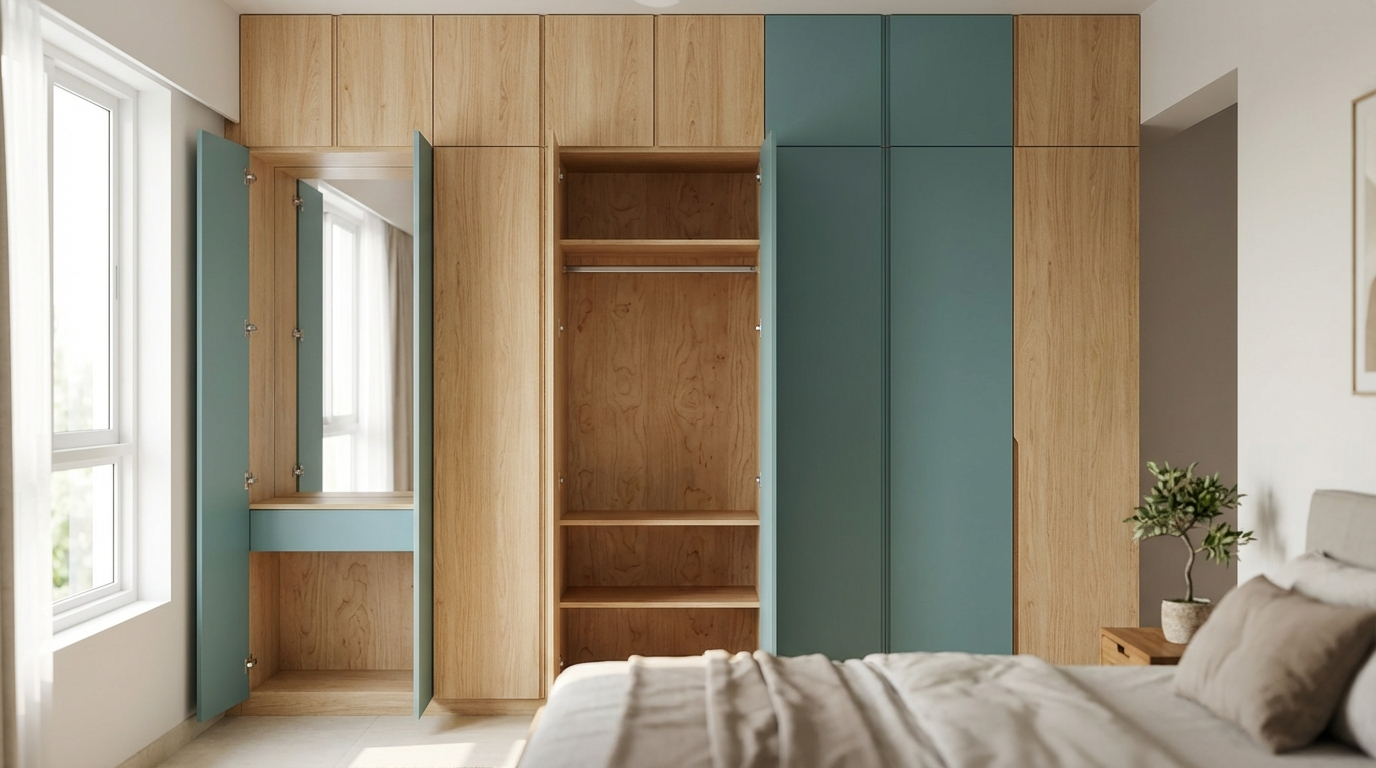
Beds and wardrobes bear the heaviest loads in any home, so plywood here demands top-tier durability. Recommend 18mm or 19mm BWP grade as the gold standard—its fully waterproof glue and high-density core resist the constant pressure from mattresses, pillows, and hanging clothes. For wardrobes, the sides and doors need this to prevent bowing when loaded with 50-100kg of garments.
Consider the design: Slatted bed bases require plywood with excellent screw retention; undersized screws pull out in softer cores, causing rattles. In wardrobes, shelves spanning 1-1.5m need 18mm to avoid sagging under linen stacks. Why BWP over BWR? BWP endures edge exposure to spills or steam from attached bathrooms, common in compact Indian homes.
Practical Indian scenario: In Mumbai apartments, wardrobes face humidity swings; cheaper MR grades delaminate at joints, inviting termites. Opt for phenolic resin-treated BWP to block pests. For headboards, 12mm suffices if framed, but unify with 18mm for seamless looks. Carpenters often reinforce with battens, but quality plywood minimizes this need.
Edge cases: In kids' rooms, impact-resistant cores prevent dents from play. Avoid veneer-only finishes on high-touch areas—they chip easily. Thickness trade-off: 16mm saves cost but flexes more; test by loading a sample sheet. In South India’s modular wardrobes, CNC-cut BWP ensures precise joints for sliding doors.
Longevity tip: Seal all edges with putty and laminate fully; exposed wood absorbs moisture fastest. This setup withstands 10+ years of daily use without major fixes.
Optimal Plywood for Tables and Desks: Balancing Stability and Finish
Dining tables, coffee tables, and study desks prioritize flatness and vibration resistance, making 18mm BWR plywood the sweet spot for most budgets. BWR handles kitchen spills and handwashing better than MR, while its smoother face suits polished laminates or paint. For heavy oak-look finishes, choose cross-band veneers for even glue spread.
Why 18mm? Legs and aprons need rigid support; thinner sheets wobble under elbow leans or family meals. Desks for work-from-home setups carry laptops and monitors—up to 20kg point loads—so high screw-holding is crucial. Hardwood cores excel here, gripping hinges without pilot holes.
Indian buyer insight: In joint families, tables host 6-8 people; sagging centers ruin meals. Monsoon condensation warps untreated tops—BWR’s moisture resistance keeps surfaces level. For foldable or extendable designs, uniform thickness prevents misalignment.
Customization logic: Coffee tables at 12-16mm work if topped with glass, but standalone dining needs 18mm+. Avoid softwood cores; they dent under hot utensils. In coastal Tamil Nadu, salt-laden air accelerates corrosion—BWP edges out BWR for tabletops near windows.
Failure case: A dealer-sold thin MR table top bows after two Diwalis. Solution: Load-test at purchase. Finish with melamine for matte durability, hiding minor core imperfections. This choice delivers stable, attractive tables for decades.
Plywood Choices for Shelves, Cabinets, and Storage: Versatility Rules
Shelves in living rooms, kitchen cabinets, and TV units demand versatility—lightweight yet sturdy. Here, 12-18mm BWR grade shines: 12mm for open shelves spanning under 1m, stepping to 18mm for deeper cabinets holding utensils or books. BWR’s balance of cost and water resistance suits splash-prone kitchens.
Structural why: Shelves sag proportionally to span squared; 12mm limits to 80cm gaps without brackets. Cabinets need carcass strength—18mm sides prevent racking when doors slam. For modular storage, tongue-groove joints rely on precise ply dimensions.
South India context: In humid Kerala homes, kitchen cabinets face steam and spills; BWP upgrades protect against warping. Coastal exposure adds salt—treated BWR resists better than plain. CNC popularity means shim-free fits in prefab units.
Edge cases: Wall-mounted shelves for spices? 9mm MR if rarely loaded, but upgrade for safety. Avoid overloading: 12mm holds 20kg/m evenly distributed. Carpenter tip: Notch for brackets invisibly; quality ply hides cuts cleanly.
Trade-off: Lighter grades save weight for easy install but compromise load. Real failure: Overloaded MR shelves crashing during monsoons. Seal undersides too—moisture rises. This approach creates clutter-free, enduring storage.
Why Plywood Thickness and Core Material Matter Most
Thickness dictates 70% of furniture success; 18mm is the benchmark for frames and tops, dropping to 12mm for partitions. Why? Physics—deflection formula shows thicker ply halves sag under weight. Indian furniture evolves with heavier mattresses (120-150kg), demanding this robustness.
Core materials vary: Poplar offers lightness and machinability for CNC; eucalyptus adds density for screws. Softwood cores cut costs but compress under hinges. Multi-layered cores distribute stress evenly, ideal for beds.
Why this matters in India: Termites thrive in monsoon-softened softwood; phenolic cores deter them naturally. Urban apartments limit sheet sizes—16x6ft standards fit most rooms. Dealer insight: Thicker ply commands premium but reduces waste.
Testing logic: Press center of a sample; bounce indicates weakness. For tables, heel-drop test simulates kids jumping. South India’s modular kitchens favor 12mm carcasses with 18mm shutters—CNC precision shines.
Limitations: Over-thick (21mm+) adds weight, complicating hangs. Match to use: Desks 19mm for stability, shelves variable. Informed choices prevent mid-use failures.
Common Mistakes Indian Buyers and Carpenters Make with Furniture Plywood
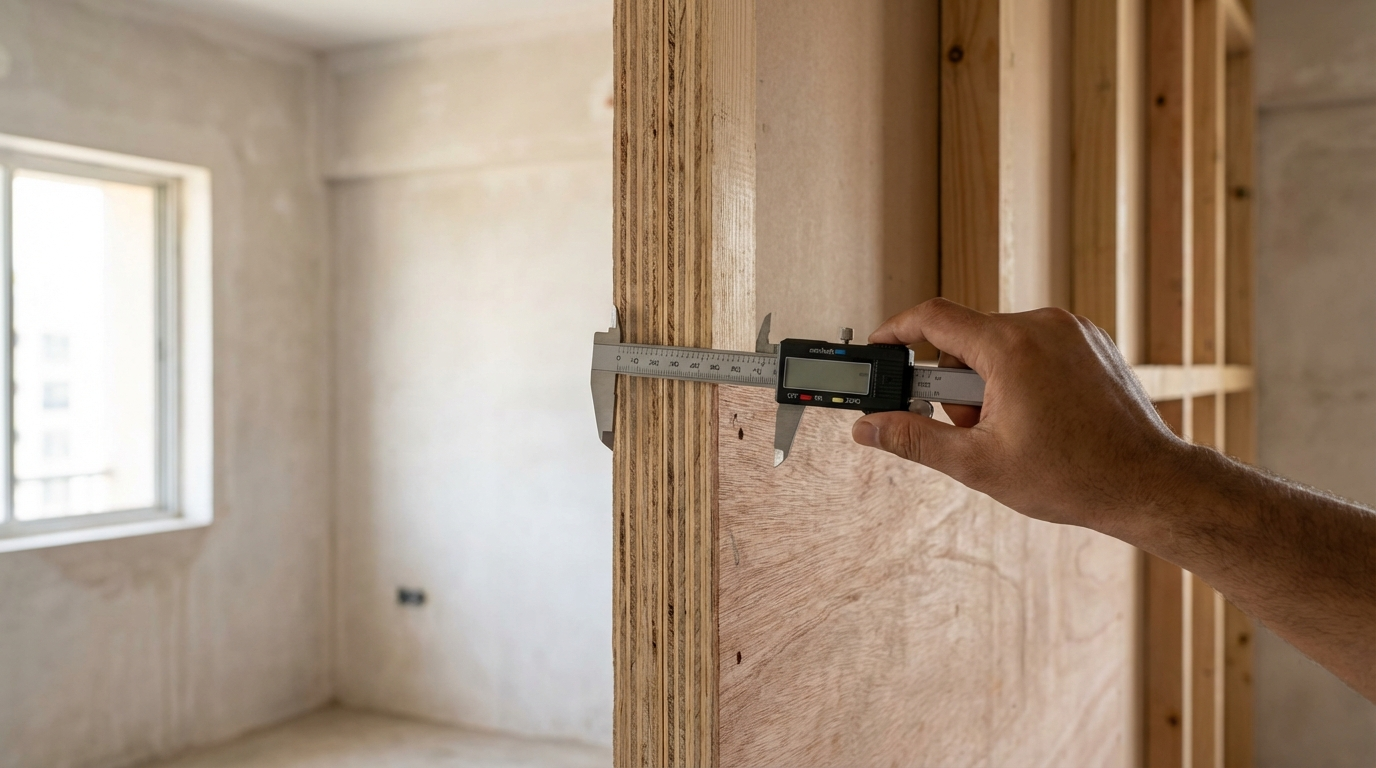
Top error: Prioritizing price over grade—MR plywood in kitchens delaminates post-monsoon, costing repairs. Buyers trust dealers pushing thin stocks; always verify thickness with calipers. Carpenters skimp on screws, loosening in soft cores.
Another pitfall: Ignoring edge sealing—raw edges wick moisture, swelling cores. In humid Bengalore, unsealed beds warp seasonally. Finish mismatch: Glossy laminates on rough faces bubble.
Overlooking load: Wardrobe shelves at 9mm collapse under blankets. Solution: Bracket every 60cm. Termite neglect—untreated ply invites swarms in wooden-floor homes.
Carpenter habits: Dry-fitting without clamps warps wet glue. South India dealers mix grades; demand core samples. Bulk buys tempt fakes—check glue lines for voids.
Fix framework: Consult specs first, test samples, seal everything. Avoids 80% of regrets, saving thousands long-term.
Trade-offs and Limitations: When Compromises Are Necessary
Higher grades like BWP cost 30-50% more than MR but last twice as long—ideal for heirs, not rentals. BWR splits difference: Good for bedrooms, upgrade kitchens. Thickness trade: 16mm saves 20% but needs framing.
Aesthetics vs strength: Smooth faces add cost; textured hides defects cheaply. Limitations: No plywood is fireproof—pair with treatments. CNC limits to uniform sheets; wavy cores jam bits.
Indian realities: Budget homes use MR interiors, BWR exteriors. Coastal salt erodes laminates faster—frequent recoat. Monsoon logic: Pay upfront or replace often.
When NOT to choose plywood: Outdoors (use marine), ultra-heavy loads (MDF blocks). Edge case: Tiny kids' furniture—light MR suffices briefly. Balance via priorities: Durability first, then looks.
Decision Framework for Picking Plywood for Your Furniture
Start with use: Load-bearing (beds/tables)? 18mm BWP. Display (shelves)? 12mm BWR. Budget under 100/sqft? MR with reinforcements. Humidity high? Waterproof glue mandatory.
| Furniture Type | Recommended Thickness | Best Grade | Key Reason | Indian Tip |
|---|---|---|---|---|
| Beds/Wardrobes | 18-19mm | BWP | Heavy load resistance | Termite treatment essential |
| Tables/Desks | 18mm | BWR | Flatness under pressure | Spill-proof top |
| Shelves/Cabinets | 12-18mm | BWR | Span-dependent sag control | Bracket for monsoons |
| Headboards/Partitions | 12mm | MR | Lightweight | Seal edges fully |
Layer on: Core hardwood, smooth face. Test locally. This matrix simplifies choices for confident builds.
South India Considerations: Humidity, Coast, and Modular Trends
Monsoon humidity (80%+) demands BWP everywhere—MR fails fast. Coastal areas like Chennai add salt corrosion; marine-grade edges help. Modular kitchens boom with CNC-cut BWR carcasses—precise, lightweight.
Dealer markets favor bulk BWP; negotiate for treatments. Why matters: Traditional teak wanes, plywood fills gap durably. Failures: Unsealed modulars swell in steam.
Best practice: Ventilation gaps, full lamination. Urban villas use 19mm for luxury beds.
Frequently Asked Questions on Plywood for Home Furniture
Can I use 12mm plywood for a full bed frame?
No, not standalone—12mm flexes dangerously under adult weight. Frame it with battens or upgrade to 18mm. In Indian guest rooms, occasional use allows hybrids, but daily beds risk collapse. Carpenters reinforce cheaply, but thicker ply simplifies.
Is BWR plywood enough for kitchen furniture?
Yes for cabinets away from sinks, but BWP for exposed shelves. BWR handles splashes; repeated steam needs waterproofing. South Indian idli steam tests it—seal joints extra.
How do I check plywood quality at the dealer?
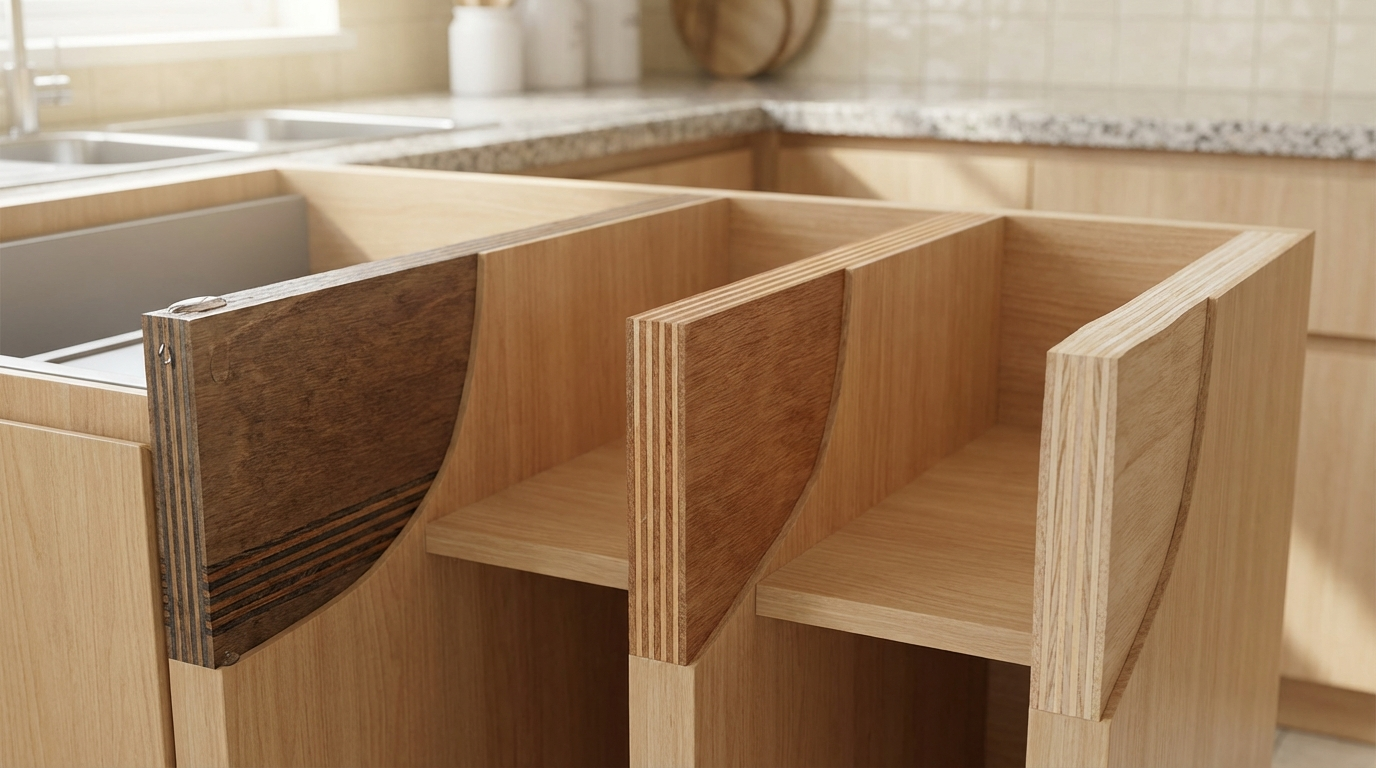
Inspect glue lines (no voids), tap for hollows, measure thickness. Load center—minimal bend good. Smell for chemicals (formaldehyde high? Avoid). Indian dealers show edges; reject wavy cores.
What's better for painting: BWR or BWP?
BWR’s smoother face takes paint evenly without sanding much. BWP denser but pricier. Prime always—raw ply absorbs unevenly. Matte finishes hide imperfections best.
Does thickness affect furniture weight significantly?
Yes, 18mm vs 12mm adds 20-30% heft per sheet. Matters for wall units or upstairs delivery. Lighter poplar cores mitigate without strength loss—CNC favorites.
Can plywood replace solid wood entirely for furniture?
For interiors, yes—cheaper, stable. Exteriors no. Indian shifts: Plywood beds outlast sal wood in humidity. Laminates mimic teak convincingly.
How often should I maintain plywood furniture?
Dust monthly, recoat laminate yearly. Check screws biannually. Monsoon wipe-downs prevent moisture. Quality builds need minimal—10-year gaps common.
Is termite-proof plywood truly effective?
Phenolic-infused lasts 10+ years; re-treat edges. Pair with boric barriers. In termite-hotspots like Hyderabad, it’s non-negotiable—untreated invites colonies fast.
Disclaimer: This content is provided for general informational purposes based on industry practices and publicly available information. Product specifications, standards, prices, and availability may vary by manufacturer, region, and time. Readers should independently verify details with manufacturers, dealers, or qualified professionals before making purchase or construction decisions.Want Plywood Suggestions?
Share a few details and a Apple Ply specialist will suggest suitable brands and connect you to responsive dealers.