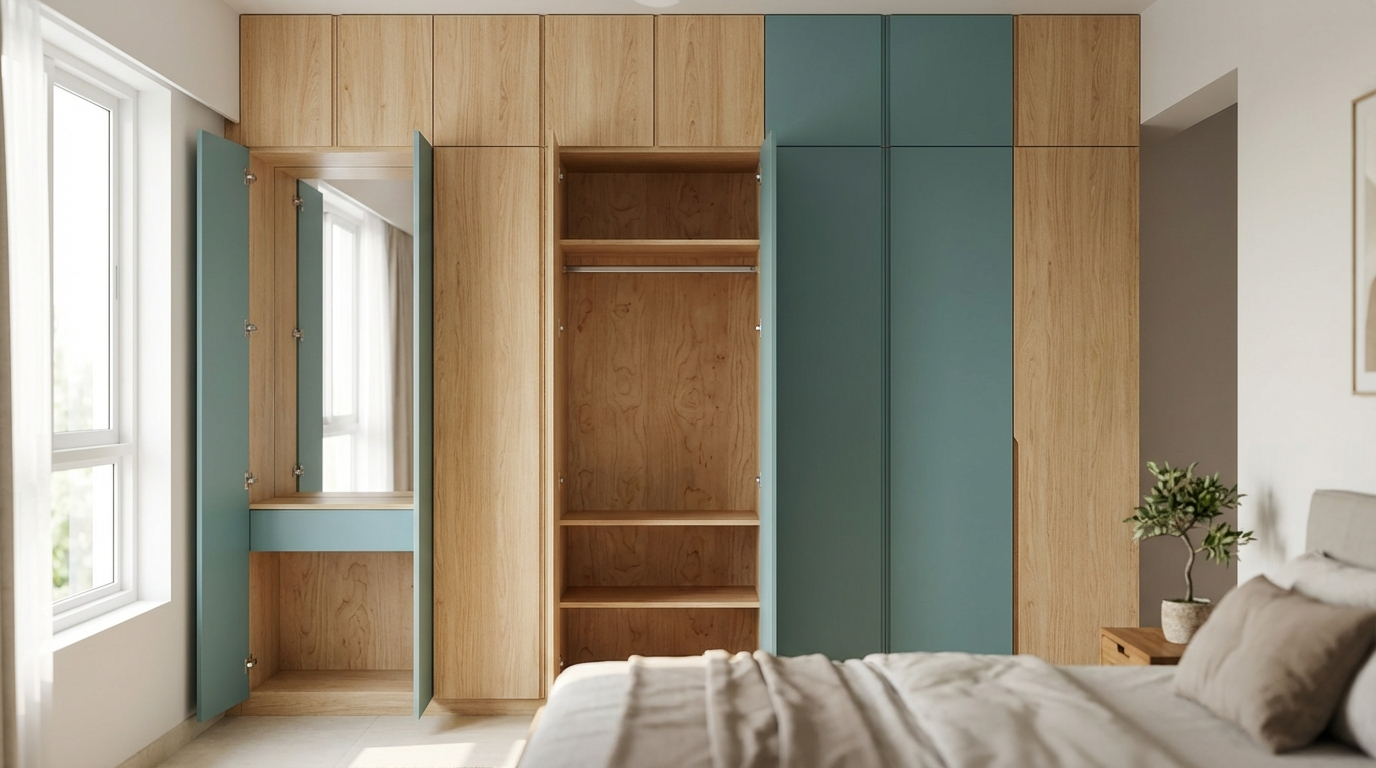
Best Plywood for Bathroom Cabinets & Vanities
Building a bathroom vanity or cabinet? Discover which plywood grade is best for high-moisture bathrooms and how to ensure it lasts.
The Best Plywood Choice for Bathroom Cabinets: Go for BWP Grade
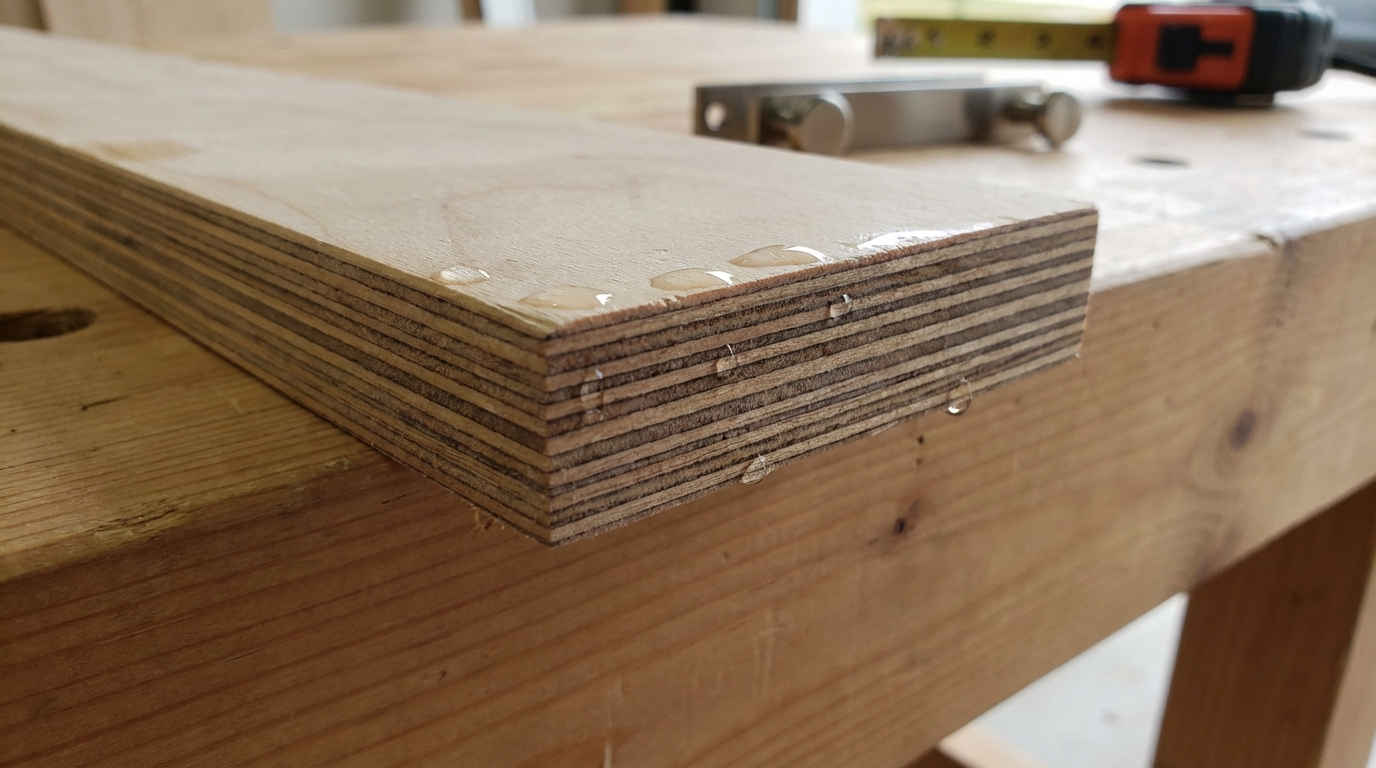
In high-moisture environments like bathrooms, the standout choice for cabinets and vanities is Boiling Water Proof (BWP) grade plywood. This isn't just another sheet of wood—it's engineered to withstand prolonged exposure to water, steam, and humidity without delaminating or warping. Regular plywood swells and crumbles under these conditions, but BWP holds its structural integrity through boiling water tests, making it ideal for Indian bathrooms where showers run hot and humid air lingers.
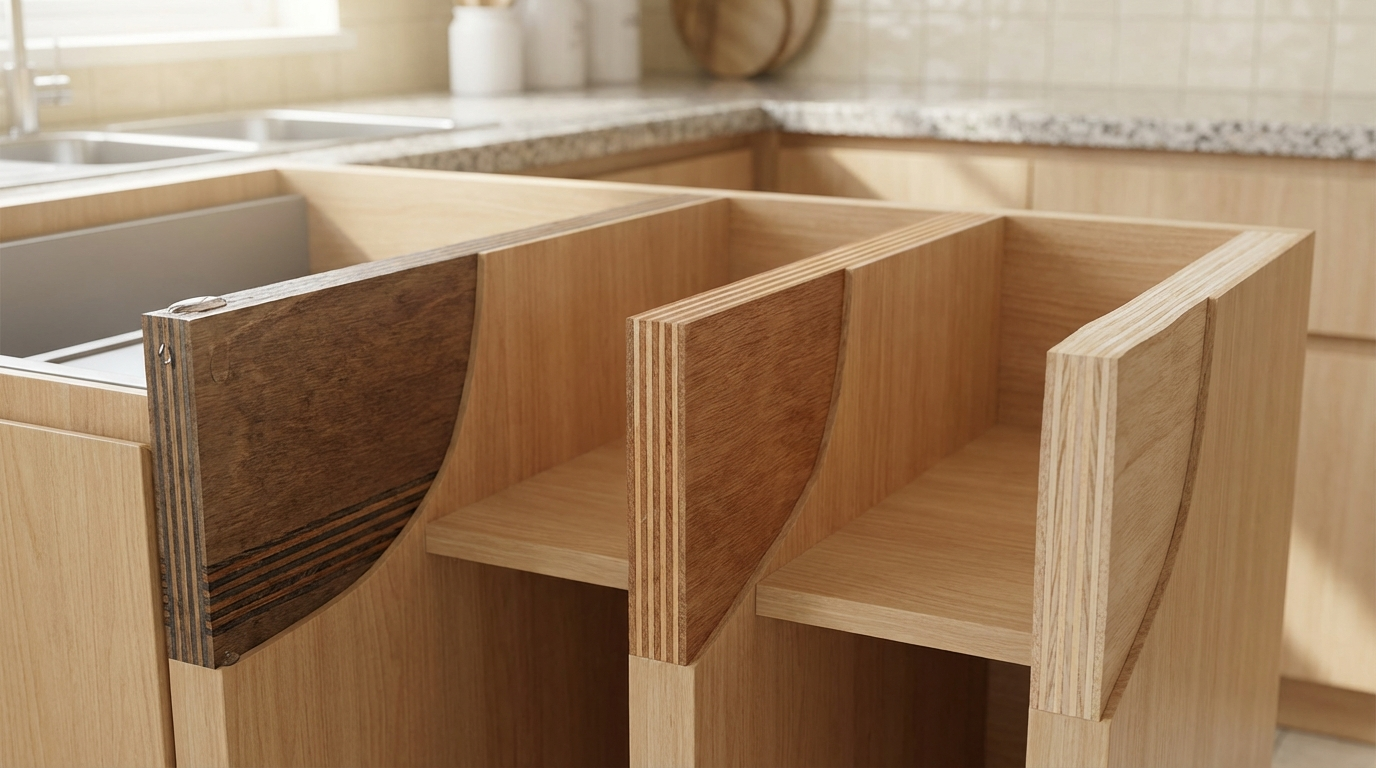
Why BWP specifically? Its phenolic resin bonding penetrates deep into the layers, creating a waterproof barrier that marine-grade applications demand. For vanities under sinks or cabinets near showers, this means no bubbling edges or sagging shelves after a few monsoons. Thickness matters too—opt for 18mm for load-bearing cabinets and 12mm for lighter vanity doors. In practice, I've seen BWP vanities last 15+ years in coastal homes, while cheaper alternatives fail within two.
Early decision point: If your budget allows, pair BWP with a moisture-resistant laminate or paint for extra protection. This combo addresses the core issue—water infiltration at joints and edges—ensuring your investment endures daily use. Skipping this for cost savings leads to callbacks for carpenters, which no homeowner wants.
Indian buyers often overlook that bathrooms aren't just wet; they're steamy and chemical-laden from soaps and cleaners. BWP resists these too, preventing the breakdown that plagues lesser grades. Start here, and the rest of your build falls into place reliably.
Why Moisture Resistance Defines Plywood Success in Bathrooms
Bathrooms are plywood's toughest test. Steam from hot showers condenses on surfaces, drips find their way into edges, and humidity spikes turn the air into a breeding ground for swelling. Standard plywood, glued with urea-formaldehyde, absorbs this moisture, causing layers to separate—a process called delamination that starts invisibly but ends with cabinets literally falling apart.
BWP plywood flips this script using synthetic resins boiled under pressure, achieving 100% water impermeability. This matters because Indian bathrooms average 70-90% humidity daily, far higher in South India during monsoons. In Kerala or Tamil Nadu homes, where coastal salt air adds corrosion, untreated wood molds within months. BWP's density—typically 700-800 kg/m³—resists this penetration, keeping cabinets rigid.
Consider a typical Mumbai apartment: Compact bathrooms mean cabinets hug wet zones. Here, BWP prevents the "soft spots" that make doors sag. Logically, moisture resistance scales with resin quality; cheaper glues hydrolyze (break down in water), while BWP's don't. This is why vanities in five-star hotels use it—they can't afford failures.
Beyond water, think mildew. Humid Indian climates foster fungal growth on porous surfaces. BWP's tight bonding leaves no gaps, and when sealed, it stays mold-free. For families, this means healthier spaces without constant wiping. Prioritizing this property upfront saves replacement costs, which can hit 20-30% of your remodel budget if things go wrong.
Key Features to Inspect in Bathroom-Grade Plywood
Not all BWP plywood performs equally—focus on these must-haves. First, core quality: Hardwood cores like poplar or eucalyptus provide screw-holding strength up to 300 kg/m² without pilot holes stripping. Avoid softwood mixes that compress under vanity weights like towels or toiletries.
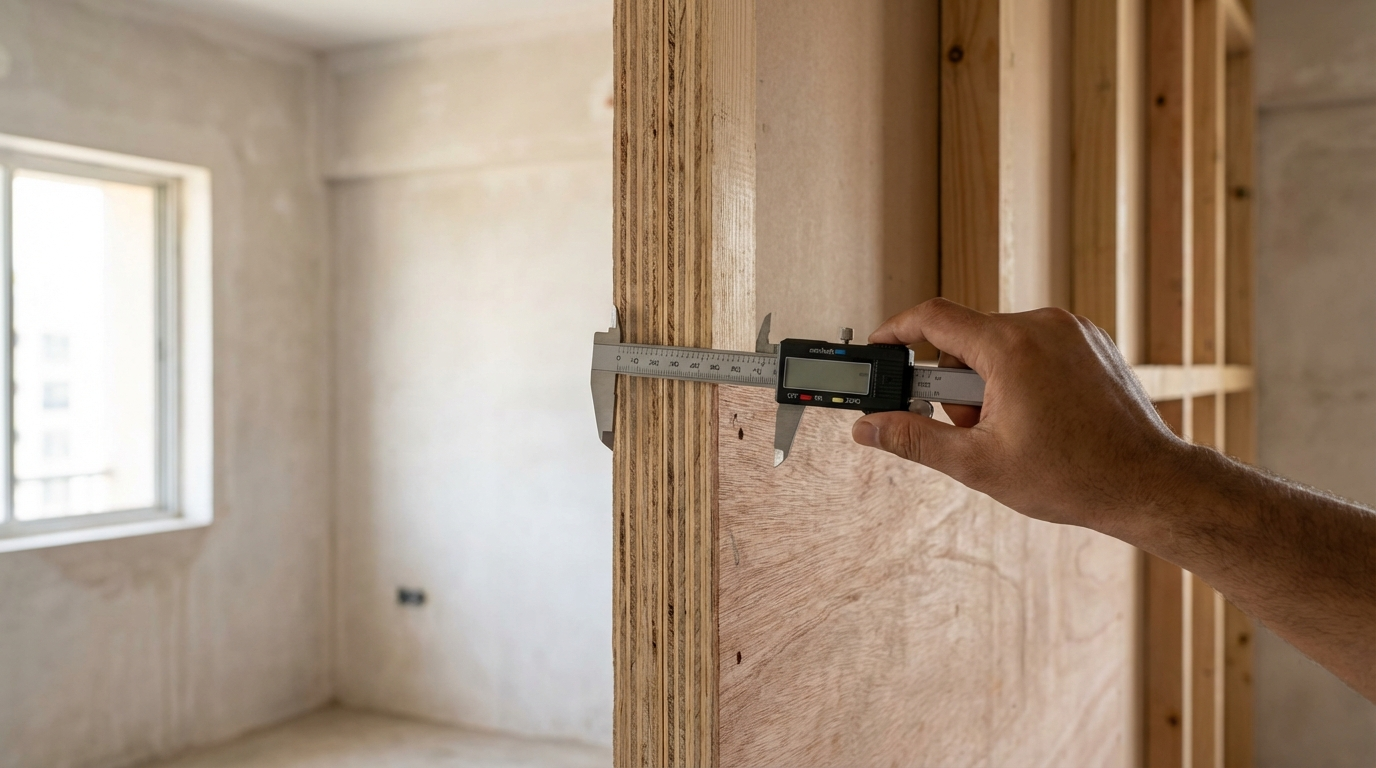
Surface flatness is next. Look for sheets with less than 1mm deflection when laid flat; warpage from poor drying ruins laminate adhesion. Edge sealing matters too—pre-sealed edges prevent capillary action pulling water inward. Thickness uniformity ensures even CNC cuts, crucial for modular bathroom fits in urban India.
Glue line count: 9-11 for 18mm sheets means stronger bonds. Test by tapping—a uniform thud signals no voids. Formaldehyde emission (E1 or better) keeps indoor air safe, vital in sealed modern bathrooms. Density grading helps: Higher means less swelling, down to 5% max in tests.
In dealer yards, insist on seeing boil tests—submerge samples overnight; survivors prove claims. For South Indian buyers, prioritize termite resistance via phenolic treatments, as coastal borers thrive in humidity. These features compound: Strong core + tight glue + sealed edges = a vanity that shrugs off floods.
Practical tip: Weight the sheet—good BWP feels hefty. Lightweight fakes delaminate fast. Specifying these turns vague purchases into durable outcomes.
Comparing Plywood Grades: MR, BWR, BWP for Bathroom Use
| Grade | Water Resistance | Best For | Limitations in Bathrooms | Cost Relative to BWP | Indian Lifespan Expectancy |
|---|---|---|---|---|---|
| MR (Moisture Resistant) | Short-term humidity; swells in standing water | Dry cabinets only | Fails in steam; delams after 6-12 months | 40-50% cheaper | 1-2 years |
| BWR (Boiling Water Resistant) | 3-hour boil; good for splashes | Low-use vanities | Warp under constant humidity; edge rot | 20-30% cheaper | 3-5 years |
| BWP (Boiling Water Proof) | 72-hour boil; fully waterproof | High-moisture cabinets/vanities | Minimal; needs edge sealing | Baseline | 10-15+ years |
This table cuts through hype. MR suits wardrobes but buckles in bathrooms—its urea glue dissolves in steam. BWR handles occasional splashes, like a guest bathroom, but prolonged exposure softens it. BWP dominates because its PF resin survives immersion, matching marine standards.
In India, where plywood prices swing with timber imports, BWR tempts budget buyers but leads to callbacks. Real-world: A Chennai hotel switched from BWR after monsoon failures; BWP fixed it. Choose based on exposure—daily showers demand BWP. Thickness amplifies this: 18mm BWP bears 50kg shelves effortlessly.
Edge case: Powder rooms can use BWR, but family bathrooms can't risk it. This comparison empowers dealer negotiations—demand BWP proofs.
Common Mistakes Indian Buyers and Carpenters Make with Bathroom Plywood
Buyers grab the "waterproof" label without verifying grade, landing MR sheets that puff up post-install. Dealers push these for margins, claiming "it's fine for India." Result: Cabinets sagging by Diwali. Always ask for boil test certificates—verbal assurances crumble like the plywood.
Carpenters skip edge sealing, exposing raw sides to humidity. In South India, monsoons wick water in, causing delam layers within weeks. Another pitfall: Undersizing thickness—12mm for cabinets holds light loads but fails under toilet paper stacks. Pilot holes matter; screwing directly into thin faces strips holding power.
Overlooking ventilation: Sealed modular cabinets trap steam, even BWP benefits from vents. Chemical mismatch—harsh cleaners etch laminates off poor bases. In coastal Goa, ignoring salt resistance leads to corrosion at hinges.
Family scenario: A Bangalore couple chose BWR for their vanity, skimping on silicone seals. Six months later, leaks warped it amid rains. Lesson: Holistic build—plywood, sealant, hardware. Carpentry pros now checklist these, avoiding 30% rework rates. Buyers, visit sites mid-install; spot issues early.
Trade-Offs and Limitations: When BWP Isn't the Full Answer
BWP excels but isn't cheap—20-40% pricier than BWR, straining small budgets. In tier-2 cities, this hikes vanity costs by ₹5,000-10,000. Trade-off: Durability vs. upfront spend. Short-term rentals might opt BWR; long-term homes demand BWP.
Weight penalty: Denser BWP (35-40kg/sheet) complicates handling for solo carpenters. Aesthetic limits—raw BWP needs laminates, adding steps. In extreme cases, like flooded ground-floor bathrooms, no plywood beats tiles or metal.
Limitations surface in hybrids: Veneered BWP warps if glue fails. South Indian heat (40°C+) accelerates adhesive fatigue if not UV-stabilized. Maintenance trade-off: Neglect sealing, and even BWP edges absorb over decades.
Edge case: CNC-heavy modulars favor lighter grades for machining, but BWP's density dulls bits faster. Balance via 16mm compromises. When not to choose: Pure aesthetics over function—use MDF for painted vanities, but seal religiously. Reasoning: Match material to stress; overkill wastes money, underkill wastes time.
Installation Insights for India's Monsoon and Coastal Bathrooms
South India's monsoons (June-September) and coastal humidity demand tailored installs. Elevate cabinets 150-200mm off floors using legs—floodwater bypasses. In Kerala backwaters, this prevents total submersion damage.
Seal all edges thrice: PVA primer, silicone, then polyurethane. Joints get generous caulk; gaps invite steam. Hardware: Stainless steel hinges resist rust in salty air. Ventilation slits or exhaust-linked fans cut internal RH below 60%.
CNC carpentry shines here—precision cuts minimize exposed wood. Modular vanities snap-fit, reducing site errors. Scenario: Chennai apartment with sea views—BWP cabinets with IP65 fittings lasted 12 years sans issues.
Carpenter tip: Acclimatize sheets 48 hours on-site; humidity mismatches cause gaps. Screw spacing: 100mm edges, 150mm centers. For vanities, under-sink traps need double-sealed ply. Post-monsoon checks catch early warps. These steps extend life 50%, making BWP viable even in humid hells.
Decision Framework: Step-by-Step Guide to Selecting Bathroom Plywood
Step 1: Assess exposure—daily showers? BWP mandatory. Occasional use? BWR viable. Map wet zones: Sink undersides get double thickness.
Step 2: Budget check—allocate 15-20% remodel cost to plywood. Factor longevity ROI: BWP pays back in 3 years via no repairs.
Step 3: Spec sheet—demand 18mm BWP, E0 emissions, termite-proof. Test samples: Knock, weigh, probe edges.
Step 4: Supplier vet—local dealers with boil demos over distant mills. South India bonus: Coastal yards stock marine-spec.
Step 5: Build plan—seal, ventilate, elevate. Simulate: Wet-test mockups.
Narrative: A Hyderabad family weighed options. High-use master bath tipped to BWP 18mm. Result: Seamless 8-year run. Framework avoids paralysis—score each step 1-10; total >40? Proceed confidently. Tables help, but logic drives buys.
Frequently Asked Questions About Bathroom Plywood
Can I use regular plywood if I seal it well?
No, sealing helps but doesn't waterproof regular plywood. Urea glues inside dissolve over time, leading to delamination despite surface protection. In Indian humidity, unsealed edges wick moisture inward, failing the core. BWP's internal resins make sealing effective as backup, not savior. Save headaches—upgrade upfront.
What's the minimum thickness for bathroom cabinets?
18mm for cabinets, 12mm for doors/shelves. Thinner risks sagging under 20kg loads like stacked towels. Indian vanities often overload; 18mm holds 50kg+ safely. Thicker (21mm) for heavy coastal use, but adds weight/cost. Match to design—don't skimp.
How do I spot fake waterproof plywood?
Lightweight sheets, uneven glue lines, or no boil test are red flags. Genuine BWP sinks slowly in water; fakes float or split. Tap test: Dull thuds mean voids. Demand immersion proof from dealers—reputable ones oblige. In markets, cross-check multiple yards.
Is BWP plywood termite-proof for bathrooms?
Not inherently, but most include phenolic preservatives effective against subterranean termites common in India. Coastal South needs extra sprays. Pair with borate treatments for 10-year guarantees. Moisture control starves termites anyway.
Can laminates make cheaper plywood work?
Temporarily yes, but steam penetrates joints, rotting cores eventually. Laminates protect surfaces, not internals. BWP + laminate is ideal; on MR, it's a band-aid. Failures spike post-monsoon.
How often should I maintain bathroom cabinets?
Monthly wipe-downs, annual edge reseals, bi-annual vent checks. Monsoon specials: Dry interiors post-floods. Good builds need little; neglect halves lifespan.
What's better for modular bathrooms: Plywood or MDF?
BWP plywood for strength; MDF for machining ease but swells easier. Hybrids win in CNC South India—ply cores with MDF faces. Depends on fab method.
Does plywood grade affect health in bathrooms?
Yes—low-emission BWP (E1/E0) minimizes VOCs from steam-activated glues. Cheap grades off-gas formaldehyde, worsening in humidity. Insist on tested sheets for family safety.
Disclaimer: This content is provided for general informational purposes based on industry practices and publicly available information. Product specifications, standards, prices, and availability may vary by manufacturer, region, and time. Readers should independently verify details with manufacturers, dealers, or qualified professionals before making purchase or construction decisions.Want Plywood Suggestions?
Share a few details and a Apple Ply specialist will suggest suitable brands and connect you to responsive dealers.