Austin Plywood vs Greenply: Which Brand Delivers Better Value?
Compare Austin Plywood vs Greenply - pricing, quality, warranty & product range. Detailed analysis to help you choose the right brand.
Quick Answer
The key difference between Austin Plywood and Greenply lies in market positioning and accessibility. Austin Plywood operates as a regional brand with competitive pricing primarily in North and East India, while Greenply is a national industry leader with wider product range, established dealer networks, and premium positioning. For budget-conscious buyers in regions where Austin is available, it offers reasonable value; however, Greenply provides more consistent quality assurance, better warranty support, and broader availability across India.
At a Glance: Austin Plywood vs Greenply
- Market Presence: Greenply has pan-India availability; Austin Plywood is stronger in North and East India
- Price Positioning: Austin is typically 15–25% more affordable than comparable Greenply grades
- Product Range: Greenply offers wider variety including MDF, doors, veneers; Austin focuses primarily on plywood
- Warranty Coverage: Greenply offers up to 30 years on premium grades; Austin typically offers 10–15 years
- Quality Consistency: Greenply has more standardised manufacturing; Austin quality can vary by region
- Best For: Choose Austin for budget projects in available regions; choose Greenply for premium interiors and consistent nationwide quality
Understanding Austin Plywood and Greenply as Brands
When comparing Austin Plywood vs Greenply, understanding each brand's background, manufacturing philosophy, and market approach helps buyers make informed decisions. Both brands serve the Indian plywood market but cater to different segments and buyer expectations.
Austin Plywood: Brand Profile
Austin Plywood is a regional plywood manufacturer with manufacturing facilities primarily serving North and East Indian markets. The brand has built its reputation on offering reasonable quality at competitive price points, making it popular among cost-conscious buyers and contractors working on budget projects. Austin produces MR grade and BWR grade plywood suitable for general interior applications, with a focus on standard furniture-making requirements.
The brand's distribution network is concentrated in specific regions, which means availability can be inconsistent in South and West India. This regional focus allows Austin to maintain lower overhead costs, translating to more competitive pricing where available. However, the narrower distribution also means limited warranty servicing infrastructure compared to national brands.
Greenply: Brand Profile
Greenply Industries Limited stands as one of India's largest interior infrastructure companies, established with manufacturing facilities across multiple states. The brand has invested significantly in technology, quality control systems, and dealer network development over decades. Greenply's product portfolio extends beyond plywood to include MDF boards, decorative veneers, doors, and laminates, making it a comprehensive interior solutions provider.
According to industry positioning observed across Indian markets, Greenply maintains premium pricing justified through consistent quality, extensive warranty programmes, and nationwide service support. The brand's marketing emphasises certifications, emission standards, and environmental compliance—factors increasingly important to urban homeowners and architects specifying materials for residential projects.
Product Range Comparison: Austin vs Greenply
The product portfolios of these two brands differ significantly in depth and specialisation. Understanding what each brand offers helps match your specific project requirements with available options.
Austin Plywood Product Categories
Austin Plywood primarily focuses on core plywood products for furniture and interior applications. Their range typically includes:
- MR Grade Plywood: Standard moisture-resistant plywood for dry interior furniture like wardrobes, beds, and study tables
- BWR Grade Plywood: Boiling water-resistant options for kitchens and areas with moderate moisture exposure
- Commercial Plywood: Economy-grade options for temporary or budget applications
- Blockboards: For door shutters and large panel applications requiring dimensional stability
The product range is functional but limited compared to comprehensive brands. Austin does not typically offer marine-grade plywood, fire-retardant variants, or zero-emission certified products that premium projects may require.
Greenply Product Categories
Greenply offers an extensive range designed to address diverse interior requirements. Their portfolio includes multiple plywood grades such as Greenply MR 303 for interior furniture, Greenply Green Gold for wardrobes requiring enhanced strength, and Greenply Gold 2.0 for moisture-prone kitchen applications. For high-humidity environments, Greenply 710 Marine Plywood provides specialised water resistance.
Beyond plywood, Greenply manufactures MDF and HDMR boards for modular furniture, decorative veneers for premium finishes, flush doors, and block boards. This comprehensive range allows architects and interior designers to source multiple materials from a single brand, ensuring consistency and simplified procurement for large projects.
Austin Plywood vs Greenply: Detailed Comparison Table
| Parameter | Austin Plywood | Greenply | Winner |
|---|---|---|---|
| Market Presence | Regional (North/East India) | Pan-India with 15,000+ dealers | Greenply |
| Price Range (18mm BWR) | ₹75–110 per sq ft | ₹95–145 per sq ft | Austin (budget) |
| Maximum Warranty | Up to 15 years | Up to 30 years | Greenply |
| Product Variety | Plywood and blockboards only | Plywood, MDF, doors, veneers | Greenply |
| Marine Grade Available | Limited availability | Yes (710 Marine range) | Greenply |
| Zero Emission (E0) Options | Not commonly available | Yes, across premium ranges | Greenply |
| Fire Retardant Options | Not available | Available in select grades | Greenply |
| CNC Machining Suitability | Moderate (thickness variation) | Good (calibrated options) | Greenply |
| Dealer Network Strength | Limited to specific regions | Nationwide with service centres | Greenply |
| Best For | Budget furniture projects | Premium interiors, modular kitchens | Depends on need |
Quality and Manufacturing Standards
Quality consistency represents one of the most significant differentiators between regional and national plywood brands in India. Understanding manufacturing practices helps predict long-term performance of the plywood you purchase.
Austin Plywood Quality Factors
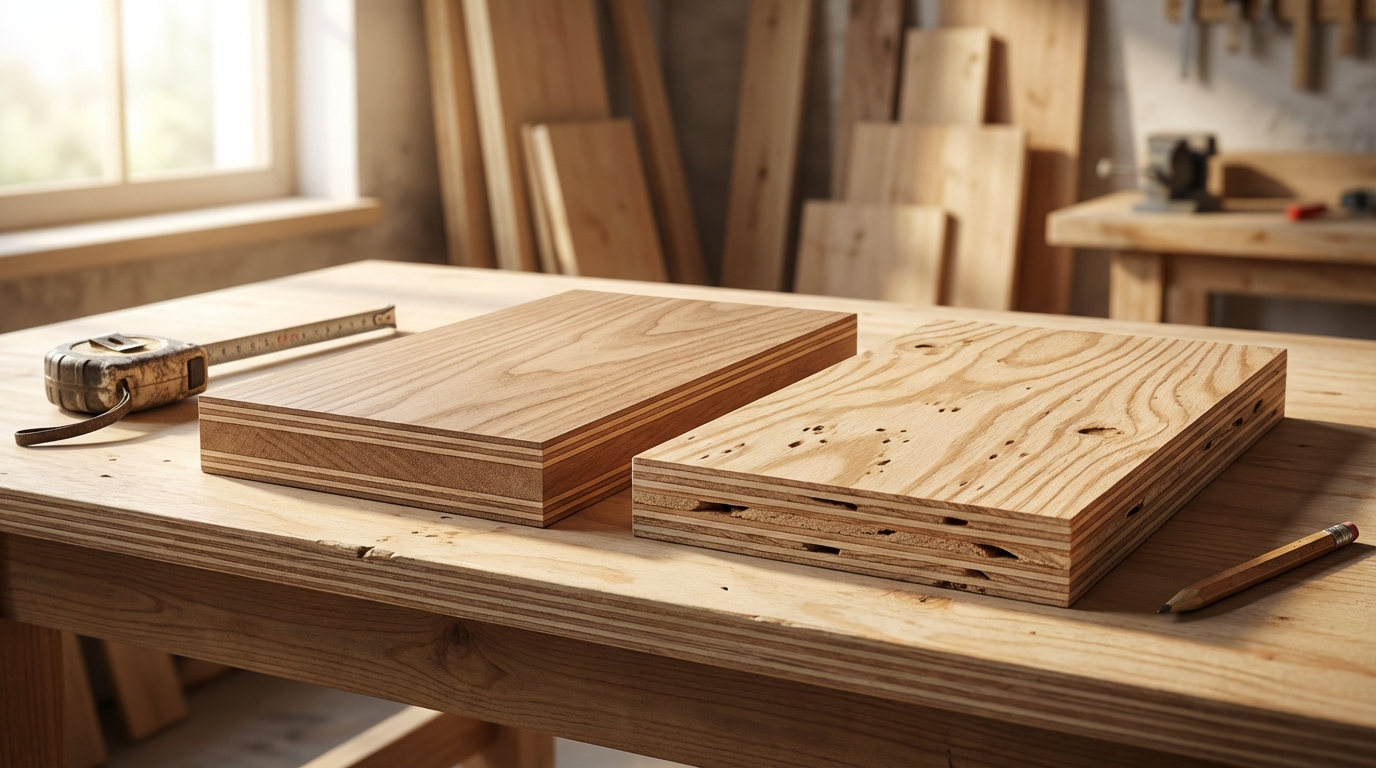
Austin Plywood manufactures products that generally meet ISI standards for their respective grades. However, quality consistency can vary based on the specific manufacturing unit and batch. In practical Indian market terms, regional brands sometimes face challenges maintaining uniform quality across all production—core composition, glue-line strength, and veneer quality may show more variation compared to brands with centralised quality control systems.
For buyers in regions where Austin operates strongly, physically inspecting sheets before purchase becomes more important. Checking for core voids, veneer quality, and edge straightness helps ensure you receive acceptable quality. Many experienced carpenters in North India work successfully with Austin plywood for standard furniture, though they typically inspect more carefully than with established national brands.
Greenply Quality Factors
Greenply invests significantly in manufacturing technology and quality control processes. Their products commonly carry ISI certification, and premium ranges offer additional certifications for emission standards and environmental compliance. The brand's calibrated plywood options suit modular kitchen factories and CNC machining operations where consistent thickness matters.
Greenply's nationwide presence means quality expectations are more standardised across different purchase locations. The brand's warranty programmes—ranging up to 30 years on premium products like Green Club 700—reflect confidence in manufacturing consistency. For buyers who cannot physically inspect every sheet or who purchase through online channels, this quality assurance provides valuable peace of mind.
Core Construction Differences
Both brands use hardwood timber for core construction in their standard ranges. However, the species selection, veneer thickness uniformity, and adhesive application processes differ. Greenply's premium ranges feature what they describe as calibrated construction with consistent layer bonding, while Austin's products, though functional, may show more variation in these parameters. For furniture exposed to monsoon humidity or in coastal areas, the adhesive quality and core construction significantly impact long-term durability.
Price Guide: Austin Plywood vs Greenply
Pricing represents a primary decision factor for most buyers. Understanding what drives price differences helps assess whether the premium commanded by Greenply justifies the additional investment for your specific application.
Thickness-Wise Price Comparison
| Thickness | Austin MR Grade (₹/sq ft) | Greenply MR Grade (₹/sq ft) | Austin BWR Grade (₹/sq ft) | Greenply BWR Grade (₹/sq ft) |
|---|---|---|---|---|
| 6mm | ₹38–52 | ₹50–70 | ₹48–65 | ₹65–95 |
| 12mm | ₹55–75 | ₹75–100 | ₹70–95 | ₹95–130 |
| 18–19mm | ₹75–100 | ₹95–130 | ₹95–125 | ₹140–190 |
Note: Prices are indicative ranges based on typical market observations across Tier-1 and Tier-2 cities. Actual prices vary by location, dealer, quantity, and current market conditions. GST and transportation costs apply additionally.
What Drives the Price Difference?
The 15–30% price premium for Greenply over Austin reflects several factors beyond raw material costs. Greenply's nationwide dealer network, warranty servicing infrastructure, marketing investments, and quality control systems all add to operational costs that reflect in product pricing. Additionally, Greenply's premium ranges include features like zero-emission adhesives and fire-retardant treatments not available in Austin's range.
For budget-constrained projects where basic furniture functionality matters more than long-term warranties or premium features, Austin's lower pricing offers genuine value. However, for kitchen cabinets, bedroom wardrobes in humid climates, or any application where you expect 15+ years of service life, Greenply's pricing premium often proves worthwhile through reduced replacement and repair costs.
Metro vs Tier-2 City Pricing Reality
In metro cities like Mumbai, Delhi, and Bangalore, Greenply availability is excellent with competitive pricing due to dealer competition. Austin plywood may be harder to find or priced similarly to Greenply due to supply constraints. In Tier-2 and Tier-3 cities of North India, Austin often has stronger dealer presence and better pricing, making it the more practical choice for budget projects. Always compare local dealer prices for both brands rather than relying solely on published price lists.
How to Choose Between Austin Plywood and Greenply
Selecting the right brand requires matching your specific project requirements, budget constraints, and regional availability. Use this decision framework to guide your choice.
Choose Austin Plywood When:
- Your project budget is constrained and cost savings are priority
- You're located in North or East India where Austin has strong dealer presence
- The application involves standard interior furniture without high moisture exposure
- You or your carpenter can physically inspect sheets before purchase
- Project timeline allows for potential replacement if quality issues emerge
- You're building rental property furniture where premium finishes aren't required
Choose Greenply When:
- You're investing in premium interiors expected to last 15+ years
- Kitchen and bathroom applications require reliable moisture resistance
- Your project requires specialised products like marine-grade or fire-retardant plywood
- You're using CNC machining or modular kitchen manufacturing requiring calibrated thickness
- Nationwide warranty support and service accessibility matter
- You're specifying materials for clients and need brand credibility
- Environmental certifications like zero-emission are project requirements
When NOT to Choose Either Brand
If your project involves exterior applications with direct rain exposure, neither standard Austin nor Greenply BWR plywood is suitable—consider marine-grade options specifically. For highly structural applications like concrete formwork, both brands' furniture-grade plywood is inappropriate; commercial shuttering plywood serves better. If your region has neither brand's strong dealer presence, local established brands with service support may offer better practical value than either option.
Common Mistakes to Avoid When Comparing Plywood Brands
Brand comparison often leads buyers into common traps that result in poor purchasing decisions. Awareness of these mistakes helps you navigate the Austin vs Greenply choice more effectively.
Mistake 1: Comparing Different Grades as Equals
Some buyers compare Austin's BWR plywood price with Greenply's premium BWP grades and conclude Greenply is overpriced. This comparison ignores fundamental quality differences. Always compare equivalent grades—MR with MR, BWR with BWR—and account for certification levels and warranty periods.
Mistake 2: Ignoring Regional Availability
Choosing a brand unavailable in your area creates problems when you need additional sheets mid-project or require warranty service. Before committing, verify actual dealer presence and stock availability in your city. A theoretically superior brand provides no advantage if you cannot practically purchase it.
Mistake 3: Overlooking Thickness Variations
Both brands sell "18mm" plywood, but actual thickness can vary between 17.5mm and 19mm depending on the specific product line. For modular furniture with precise fitting requirements, these variations matter. Ask for actual thickness specifications, not nominal sizes, especially when mixing brands in a single project.
Mistake 4: Assuming Price Equals Quality
Some buyers assume Austin's lower price automatically means inferior quality for all applications. For standard bedroom furniture in dry climates, Austin plywood often performs adequately. Conversely, paying Greenply's premium for commercial-grade applications where aesthetics don't matter wastes money unnecessarily.
Quick Inspection Checks for Both Brands
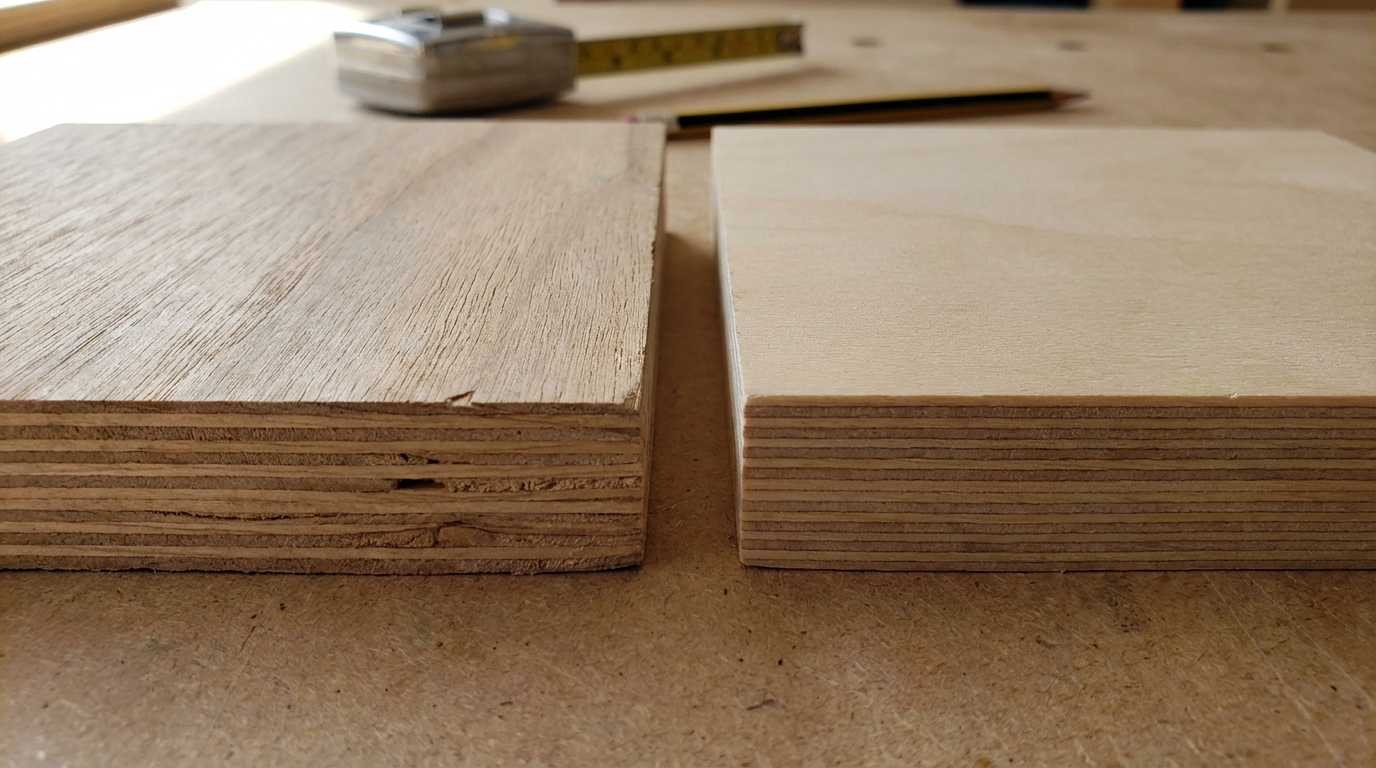
- Core check: Look at the edge—gaps between layers indicate poor bonding
- Flatness test: Place the sheet on flat ground; gaps underneath suggest warping
- Weight assessment: Unusually light sheets may have low-density cores
- Surface inspection: Check for patches, repairs, or veneer defects
- ISI mark verification: Ensure the certification stamp matches claimed grade
Warranty and After-Sales Support Comparison
Warranty programmes reveal brand confidence in product quality and provide practical recourse if problems emerge. Understanding warranty terms helps assess true long-term value.
Austin Plywood Warranty Structure
Austin typically offers warranties ranging from 7–15 years depending on the product grade. Warranty claims require purchase documentation and are processed through the selling dealer. In regions where Austin has limited presence, warranty servicing can prove challenging. The warranty typically covers manufacturing defects like delamination but excludes damage from improper installation, water exposure beyond rated specifications, or normal wear.
Greenply Warranty Structure
Greenply's warranty programmes extend up to 30 years on premium ranges like Green Club 700. The brand maintains dedicated customer service channels and processes claims through their extensive dealer network. For products like Greenply Gold 2.0 BWP, warranties commonly cover 25 years with specific terms for different failure types. The broader service infrastructure means warranty claims are generally processed more efficiently regardless of purchase location.
Practical Warranty Considerations
Long warranty periods sound impressive but require practical assessment. Will you retain purchase bills for 25 years? Will the dealer still operate when you need warranty service? For most buyers, the first 5–7 years represent the practical warranty window—any manufacturing defects typically manifest within this period. Beyond this, proper installation and usage determine plywood longevity more than brand warranties.
Application-Specific Recommendations
Different interior applications have varying performance requirements. Matching brand strengths to application demands ensures optimal results.
Modular Kitchens
Recommended: Greenply Gold 2.0 or BWP grade
Kitchen environments combine moisture from cooking, occasional water splashes, and heat exposure. Greenply's BWP ranges with calibrated thickness suit CNC-cut modular components better. Austin's BWR grade can work for budget kitchen projects in drier climates, but moisture resistance may prove inadequate for heavy-use kitchens over time.
Bedroom Wardrobes
Both brands work acceptably
Standard wardrobe applications in air-conditioned or dry environments don't stress plywood significantly. Austin's MR grade offers good value for basic wardrobes. For premium bedrooms where you want better edge-banding adhesion and long-term stability, Greenply MR 303 or Green Gold provides advantages worth the price difference.
Bathroom Vanities
Recommended: Greenply Marine Grade
Bathroom applications demand genuine water resistance that neither brand's standard BWR provides adequately. Greenply's 710 Marine Plywood offers appropriate specifications. Austin's limited marine-grade availability makes Greenply the practical choice for bathroom furniture.
Office Furniture
Either brand based on budget
Commercial office furniture prioritises cost-effectiveness for large-volume production. Austin's competitive pricing makes it suitable for standard office desks and storage units. For executive furniture or reception areas where finish quality matters, Greenply's smoother surface accepts laminates better.
Frequently Asked Questions
Is Austin Plywood good quality for furniture making?
Austin Plywood offers acceptable quality for standard furniture applications, particularly in regions where the brand has established manufacturing and dealer presence. For bedroom furniture, study tables, and basic storage units in dry environments, Austin provides reasonable value at competitive prices. However, for moisture-prone areas like kitchens or bathrooms, or for premium furniture expected to last beyond 10–15 years, Greenply's quality consistency and warranty support offer better long-term value despite higher upfront costs.
What is the price difference between Austin Plywood and Greenply?
Austin Plywood typically costs 15–30% less than comparable Greenply grades. For 18mm BWR grade plywood, Austin ranges approximately ₹95–125 per square foot while Greenply ranges ₹140–190 per square foot in most markets. This difference reflects manufacturing scale, quality control investments, warranty coverage, and dealer network costs. The actual price gap varies by city, dealer relationships, and purchase quantity. In regions where Austin lacks strong presence, pricing may equalize or reverse.
Which plywood is better for modular kitchen: Austin or Greenply?
For modular kitchens, Greenply offers distinct advantages over Austin Plywood. Kitchen environments expose plywood to steam, water splashes, and temperature variations that require consistent moisture resistance. Greenply's BWP grades like Gold 2.0 provide calibrated thickness essential for CNC-machined modular components, better edge-banding adhesion, and longer warranties. Austin's BWR grade can work for budget kitchen projects, but long-term performance in moisture-prone kitchen environments typically favours Greenply's premium construction.
Does Austin Plywood have ISI certification?
Austin Plywood products generally carry ISI certification for their respective grades where applicable. The IS 303 mark indicates MR grade compliance, while IS 710 indicates BWR or BWP grade compliance. However, certification alone doesn't guarantee quality consistency across all batches. When purchasing Austin plywood, verify the ISI stamp on individual sheets and cross-check the grade marking matches your requirements. Some economy-range products may not carry ISI certification, so always confirm before purchase.
How does Greenply warranty compare to Austin Plywood warranty?
Greenply offers significantly longer warranty periods than Austin Plywood—up to 30 years on premium ranges compared to Austin's typical 10–15 year coverage. More importantly, Greenply's nationwide dealer network makes warranty claims practically feasible across India, while Austin's regional presence limits service accessibility. Both warranties cover manufacturing defects but exclude misuse or installation errors. For high-investment furniture, Greenply's warranty infrastructure provides meaningful protection that Austin's limited service network cannot match in many regions.
Is Greenply plywood worth the extra cost over Austin?
Greenply's premium over Austin proves worthwhile for specific applications: kitchen cabinets, bathroom furniture, premium residential interiors, and projects requiring long-term durability. The extra cost reflects better quality control, superior moisture resistance in BWP grades, calibrated thickness for modular furniture, and accessible warranty support. For budget projects, rental property furniture, or temporary applications, Austin's lower pricing offers genuine value without compromising basic functionality. Evaluate based on application requirements rather than assuming premium always means better.
Where can I buy Austin Plywood and Greenply in India?
Greenply maintains pan-India availability through 15,000+ authorised dealers across all states, with easy access in metros and Tier-2 cities. Austin Plywood concentrates its dealer network in North and East India, with stronger presence in states like Uttar Pradesh, Bihar, West Bengal, and Jharkhand. For reliable purchasing, locate authorised dealers through brand websites or local building material markets. Avoid purchasing from unauthorised sellers, as counterfeit products and warranty issues become more likely. Both brands also have presence on online platforms, though physical inspection before bulk purchase remains advisable.
Can Austin Plywood be used for bathroom vanities?
Standard Austin Plywood BWR grade is not recommended for bathroom vanities due to inadequate water resistance for sustained moisture exposure. Bathroom environments subject plywood to humidity, water splashes, and occasional flooding that exceed BWR specifications. For bathroom furniture, marine-grade plywood rated IS 710 BWP provides appropriate protection. Since Austin's marine-grade availability is limited in most regions, Greenply 710 Marine Plywood or similar marine-rated products from available brands represent safer choices for bathroom applications where plywood must withstand high-moisture conditions.
Disclaimer: This content is provided for general informational purposes based on industry practices and publicly available information. Product specifications, standards, prices, and availability may vary by manufacturer, region, and time. Readers should independently verify details with manufacturers, dealers, or qualified professionals before making purchase or construction decisions.Want Plywood Suggestions?
Share a few details and a Apple Ply specialist will suggest suitable brands and connect you to responsive dealers.