Apple Ply vs Plyneer: Which Plywood Brand is Better?
Unbiased comparison of Apple Ply and Plyneer plywood brands in quality, price, durability, and range – find out which suits your needs best.
Quick Verdict: Which Plywood Brand Wins for Indian Homes?
In the crowded Indian plywood market, neither Apple Ply nor Plyneer emerges as the absolute winner across all scenarios. Apple Ply often edges ahead for high-end modular kitchens and moisture-prone areas like South India's coastal regions, thanks to its consistent glue line strength and smoother surface finishes that hold laminates better during humid monsoons. Plyneer, on the other hand, pulls ahead in budget-conscious projects such as rental renovations or bulk wardrobes, where its competitive pricing and decent screw-holding capacity deliver reliable performance without breaking the bank.
The real choice boils down to your priorities: if durability under heavy use and superior finish quality matter most—especially in CNC-cut furniture or termite-vulnerable interiors—Apple Ply typically justifies the 15-25% premium. For everyday applications where cost savings allow for faster ROI in dealer-driven purchases, Plyneer performs adequately without major compromises. This isn't about one brand dominating; it's about matching the plywood to your local climate, carpenter's workflow, and long-term maintenance expectations. Over the next sections, we'll break down quality, pricing, durability, and more with practical Indian buyer insights to help you decide confidently.
Why does this matter in India? Our diverse climates—from Delhi's dry heat to Kerala's relentless humidity—demand plywood that resists delamination and warping. A poor choice here leads to callbacks for carpenters, swollen edges in modular setups, and costly replacements within 2-3 years. Experienced dealers in Chennai or Mumbai often stock both, advising based on project scale: Apple Ply for premium villas, Plyneer for apartments.
Quality Breakdown: Glue Strength, Core Density, and Surface Finish
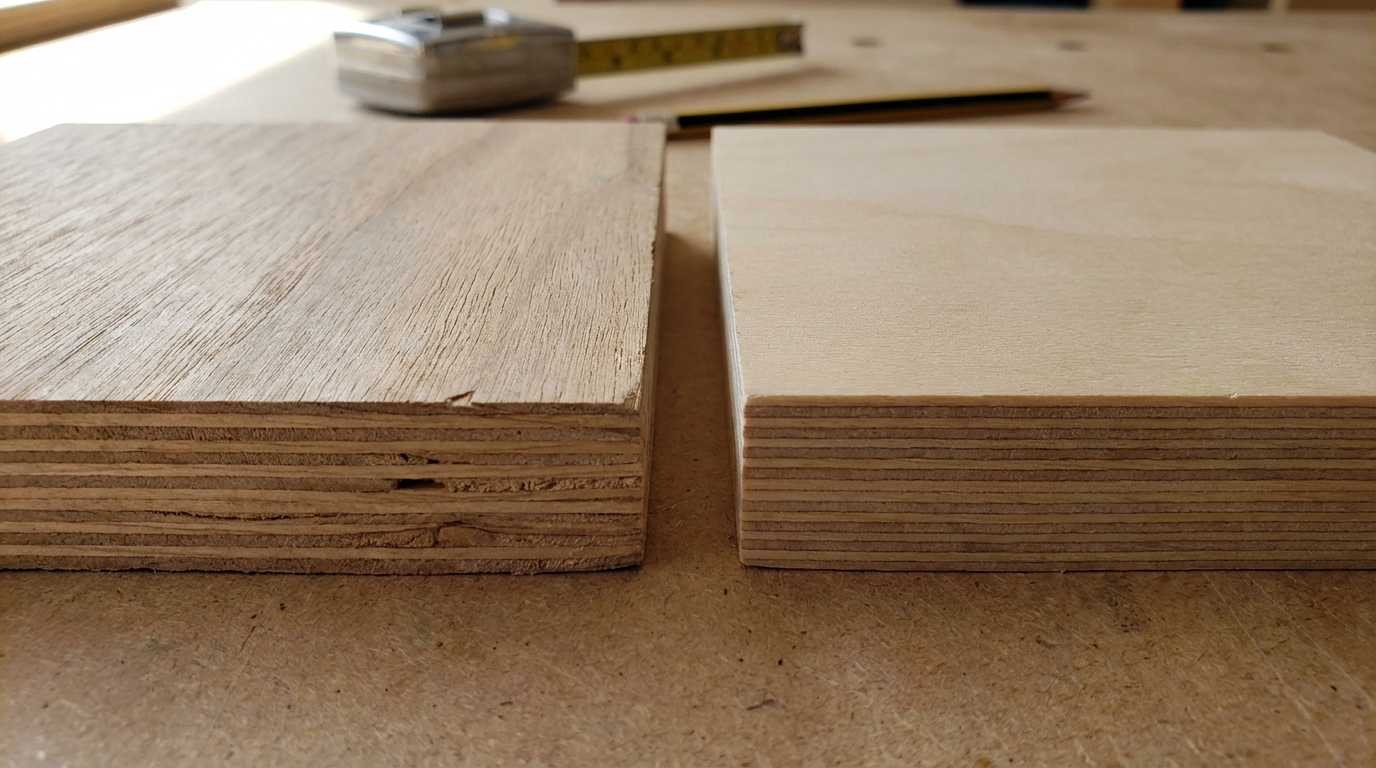
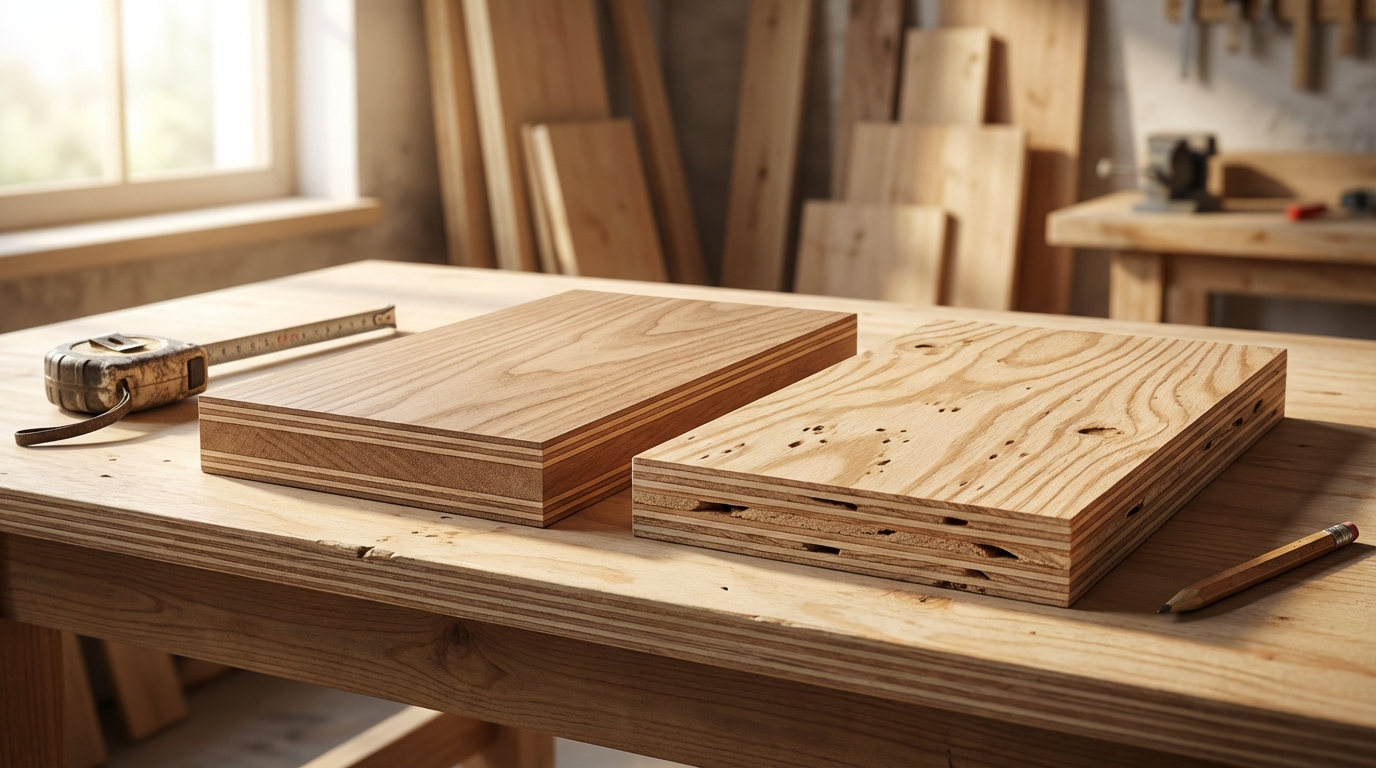
Quality in plywood starts with the glue line, where Apple Ply uses a higher-grade phenolic resin blend that withstands boiling water tests longer than Plyneer's standard urea-formaldehyde mix. This difference shines in Indian kitchens, where steam from cooking causes many cheaper boards to bubble and separate. Apple Ply's core, often denser with uniform hardwood veneers, minimizes voids—those hidden gaps that carpenters curse during routing for hinges.
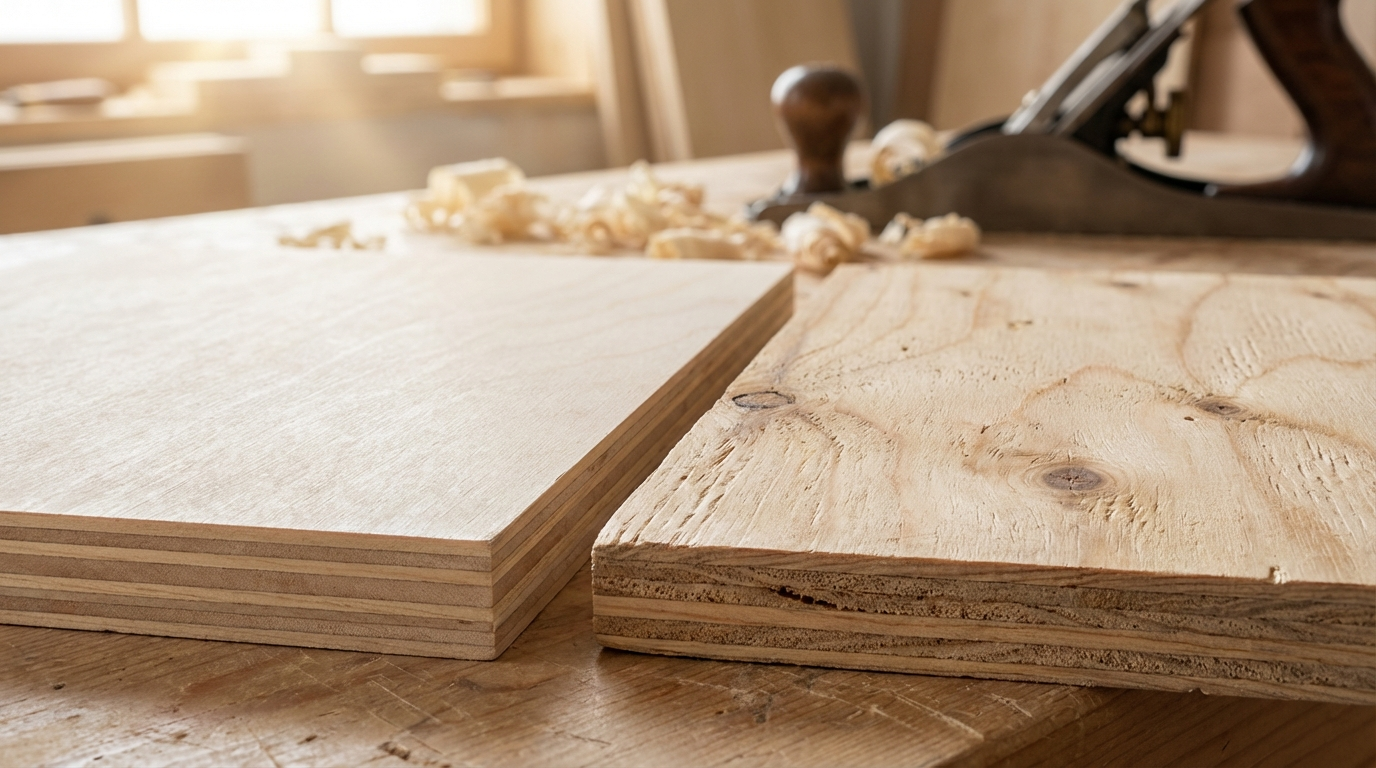
Plyneer counters with a smoother sanded face, ideal for painting or direct melamine applications in budget wardrobes. However, its softer core can lead to minor telegraphing (surface impressions from inner layers) after a year in humid Bangalore homes. From a senior analyst's view, Apple Ply's edge comes from tighter quality control at mills, reducing batch variations that plague mass-market brands during peak monsoon production rushes.
In South India, where modular kitchens dominate new apartments, Apple Ply's resistance to coastal salt air prevents the white efflorescence stains common on Plyneer after 18 months. Carpenters note Apple Ply machines cleaner on CNC setups, producing less dust and fewer edge chips—saving 10-15% on finishing time. Plyneer suits hand-sawn work in smaller shops, but expect occasional glue pops under screw pressure.
Trade-off alert: Apple Ply's premium glue adds weight, making transport costlier for remote sites. Always check face-back symmetry; mismatches signal rushed production, more likely in Plyneer during supply crunches.
Price Comparison: Value for Money in the Indian Market
Pricing fluctuates with thickness and region, but Apple Ply 18mm BWR boards typically cost 15-30% more than Plyneer equivalents—say, Rs 120-150 per sq ft versus Rs 90-110 in major cities like Hyderabad or Pune. This gap widens for Apple Ply's MR grades during off-seasons but narrows in dealer bulk buys. Why the premium? Superior raw material sourcing and lower rejection rates mean fewer headaches downstream.
Plyneer appeals to price-sensitive buyers in tier-2 cities like Coimbatore, where rental properties prioritize quick flips over longevity. Its lower upfront cost frees budget for laminates or hardware, delivering a balanced sheet in small projects. However, hidden expenses emerge: Plyneer's occasional delamination requires patchwork, inflating labor by 20% in humid Gujarat interiors.
Indian buyer scenario: A Mumbai family renovating a 2BHK might save Rs 20,000 opting for Plyneer wardrobes, but face Rs 15,000 repairs in two years from warping. Apple Ply upfront investment pays off in resale value for urban homes. Dealers in South India push Plyneer for volume sales but recommend Apple Ply for coastal villas exposed to cyclones.
Practical tip: Negotiate slab-wise pricing; Apple Ply dealers often bundle edges, while Plyneer focuses on volume discounts. Factor in 5-10% transport premiums for branded hauls in rural areas.
Durability and Performance: Handling India's Climate Challenges
Durability defines plywood longevity, and Apple Ply excels in boil tests, holding up 8-12 hours before failure—crucial for monsoon-soaked Kerala homes where water seepage delaminates lesser boards overnight. Its termite-resistant treatments penetrate deeper, deterring subterranean pests common in Tamil Nadu soil.
Plyneer offers solid MR performance for dry interiors but falters in sustained humidity, with glue lines softening after 24 months in non-AC bedrooms. Screw withdrawal strength is comparable initially, but Apple Ply retains 20% more pull-out resistance post-humidity cycles, vital for heavy drawer slides in modular units.
Real-world failure case: In Chennai apartments, Plyneer cabinets swell during Diwali humidity spikes, forcing hinge replacements. Apple Ply withstands this, with faces resisting laminate peel-off. Why? Denser cross-bands in Apple Ply distribute stress evenly, unlike Plyneer's softer plies prone to compression sets under loaded shelves.
South India edge: For CNC-carved doors in humid Cochin, Apple Ply's stability prevents dimensional shifts, ensuring precise fits. Plyneer works for painted panels but demands extra sealing. Carpenter insight: Pre-drill Apple Ply to avoid splits; Plyneer forgives over-tightening but fatigues faster.
Product Range and Variety: Options for Every Indian Project
Apple Ply boasts a broader portfolio, including specialized grades like fire-retardant for commercial spaces and pre-laminated options for quick-install kitchens in urban Pune flats. Thicknesses from 3mm to 25mm cater to shutters, partitions, and flooring underlayments.
Plyneer focuses on core commercial MR/BWR lines, with fewer exotics but reliable standards in 6-19mm for wardrobes and beds. Its flush doors integrate well with standard laminates, suiting dealer stocks in Lucknow.
In modular kitchens—a South Indian staple—Apple Ply's textured faces pair seamlessly with high-pressure laminates, resisting scratches from daily masala grinding. Plyneer suits veneered TV units but lacks Apple Ply's anti-fungal variants for bathroom vanities.
Edge case: Bulk institutional orders favor Plyneer's uniformity; custom villa millwork leans Apple Ply. Why variety matters in India: Local tastes vary—glossy whites for metros, teak finishes for bungalows. Dealers note Apple Ply's faster restocking for premium lines.
Availability, Dealer Networks, and South India Specifics
Apple Ply's nationwide network shines in metros and South hubs like Chennai, with 200+ authorized dealers ensuring quick deliveries—even during plywood shortages post-monsoon. Plyneer, stronger in North and East, lags in Kerala but compensates with flexible small-lot supplies.
South India context: Monsoon humidity demands on-site stock; Apple Ply warehouses in Kochi handle coastal exposure better, minimizing warp en route. Plyneer dealers in Madurai push for painted jobs to mask minor inconsistencies.
Carpenter mistakes: Buying from unverified roadside vendors risks fakes—Apple Ply holograms verify authenticity, Plyneer relies on batch codes. Dealer insight: South carpenters prefer Apple Ply for CNC compatibility, citing 30% less tool wear.
Trade-off: Plyneer's wider rural reach suits farmhouses; Apple Ply dominates urban modular boom.
Common Mistakes Indian Buyers and Carpenters Make
Buyers often chase the lowest quote, picking Plyneer for kitchens only to regret bubbling edges during humid summers—always prioritize BWR grades over MR for cooking zones. Carpenters skip acclimatization, stacking Apple Ply fresh from trucks in AC shops, causing expansion cracks post-install.
Mistake in South India: Ignoring coastal salt for vanities; Plyneer corrodes faster without extra priming. Over-screwing Plyneer weakens plies, while under-sealing Apple Ply wastes its moisture shield.
Dealer pitfalls: Pushing stock-clearance batches—test glue by boiling scraps. Narrative: A Hyderabad contractor lost a villa contract using subpar Plyneer that warped under AC drip, switching to Apple Ply rebuilt trust.
Avoid by: Matching plywood to exposure—MR for bedrooms, BWR everywhere else.
Trade-offs, Limitations, and When NOT to Choose Each
Apple Ply's premium pricing limits it for rentals; don't choose if budget under Rs 100/sq ft. Its rigidity suits frames but overkills simple shelves. Plyneer shines budget-wise but avoid for flood-prone basements—delamination inevitable.
Limitations: Apple Ply heavier for DIY; Plyneer softer for heavy loads. South India: Skip Plyneer for beach homes sans sealing.
Trade-off logic: Apple Ply long-term savings vs Plyneer upfront wins.
Decision Framework: Step-by-Step Guide to Choosing Apple Ply or Plyneer
| Factor | Apple Ply Best For | Plyneer Best For | Decision Tip |
|---|---|---|---|
| Budget | Premium projects (Rs 120+) | Economy (Rs 90-110) | Calculate total cost incl. labor |
| Humidity Exposure | High (kitchens, coasts) | Low-moderate (dry rooms) | Test boil resistance |
| Finish Type | Laminate/CNC | Paint/Veneer | Match carpenter tools |
| Project Scale | Custom/modular | Bulk/standard | Check dealer stock |
Use this table: Score your needs, pick the higher match. Example: Coastal kitchen? Apple Ply. Rental wardrobe? Plyneer.
Frequently Asked Questions on Apple Ply vs Plyneer
Is Apple Ply worth the extra cost over Plyneer?
Yes, if your project faces moisture or heavy use—like South Indian modular kitchens where delamination risks soar. The denser core and stronger glue prevent costly repairs, offering 40-50% longer life. For dry closets, Plyneer's savings make sense.
Which is better for termite-prone areas in India?
Apple Ply's deeper treatments repel pests longer in vulnerable soils like Tamil Nadu. Plyneer requires supplemental sprays sooner. Pair either with borate paints for best results.
Can Plyneer match Apple Ply in modular furniture?
It holds up in standard setups but expect minor warping in humid non-AC spaces. Apple Ply's stability suits precise CNC cuts better.
How does monsoon affect these brands?
Apple Ply resists swelling far better; Plyneer needs sealing. In Kerala rains, unsealed Plyneer fails 2x faster.
What's the screw-holding difference?
Apple Ply retains strength post-humidity; Plyneer drops 15-20%. Use plugs for repairs on either.
Are there fake versions to watch for?
Yes, especially Plyneer in rural markets. Check density and glue tests—genuine Apple Ply sinks slower in water.
Which for coastal South India homes?
Apple Ply hands-down; salt air accelerates Plyneer degradation without extras.
Dealer advice for first-time buyers?
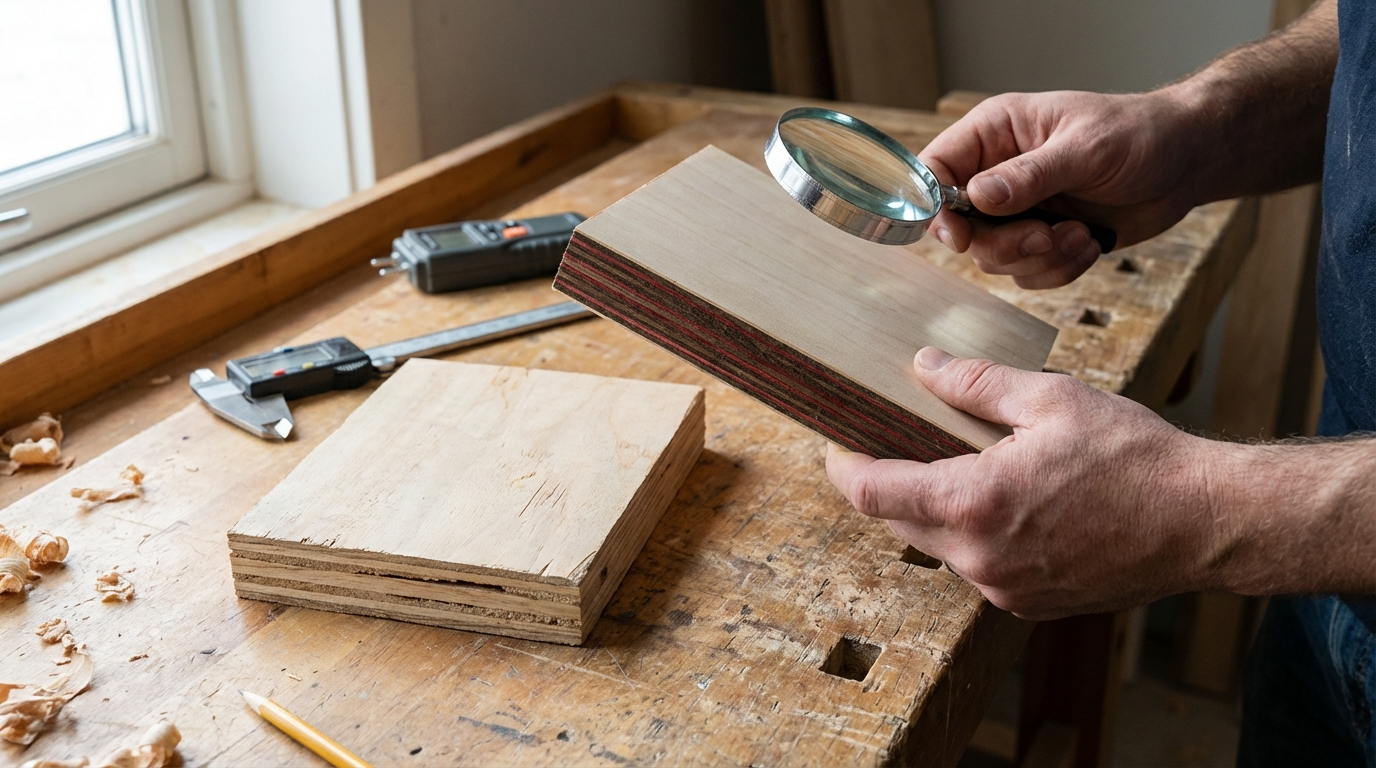
Buy samples, acclimatize 48 hours, consult local carpenters familiar with both in your climate.
Disclaimer: This content is provided for general informational purposes based on industry practices and publicly available information. Product specifications, standards, prices, and availability may vary by manufacturer, region, and time. Readers should independently verify details with manufacturers, dealers, or qualified professionals before making purchase or construction decisions.Want Plywood Suggestions?
Share a few details and a Apple Ply specialist will suggest suitable brands and connect you to responsive dealers.