Apple Ply vs Kitply: Which Offers Better Value?
Apple Ply and Kitply go head-to-head on quality, durability, and cost. Find out which plywood brand gives you better value and why.
Key Differences in Quality and Construction
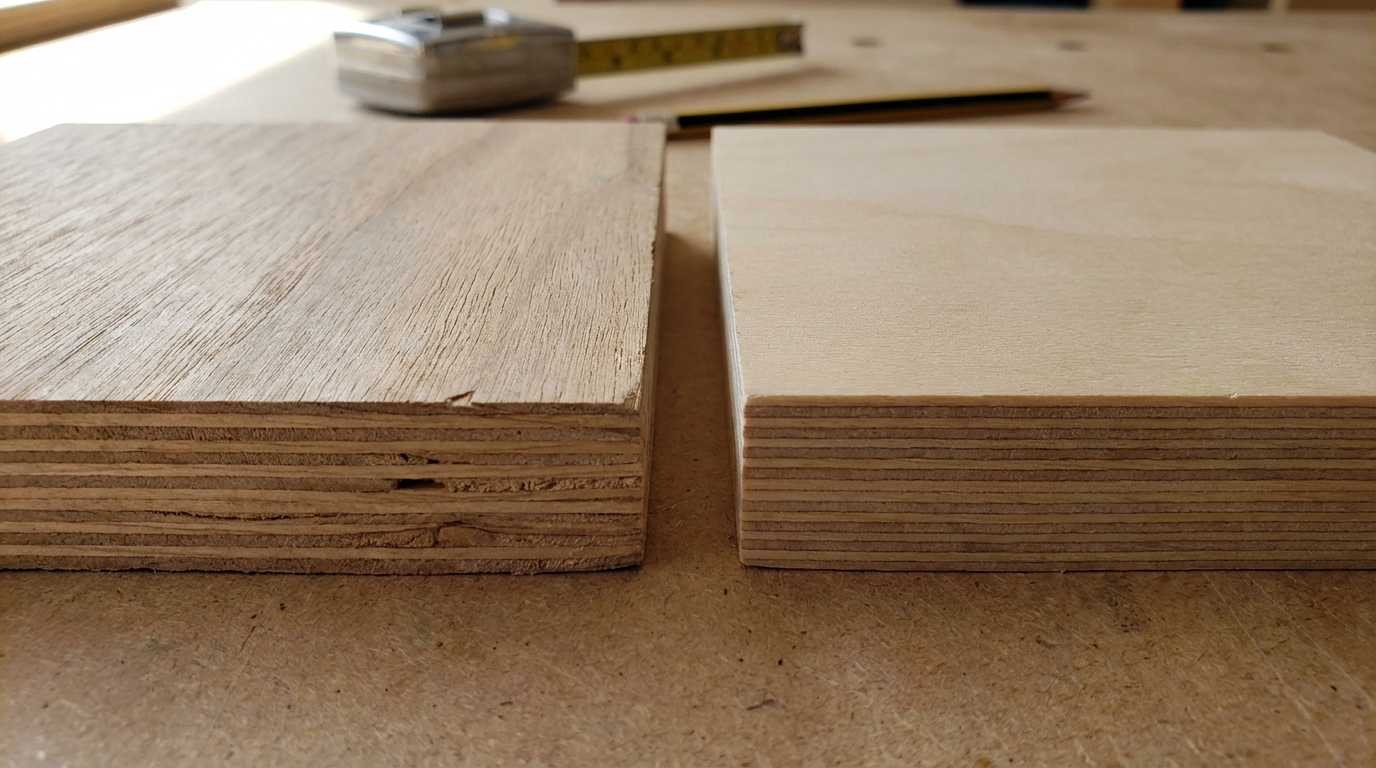
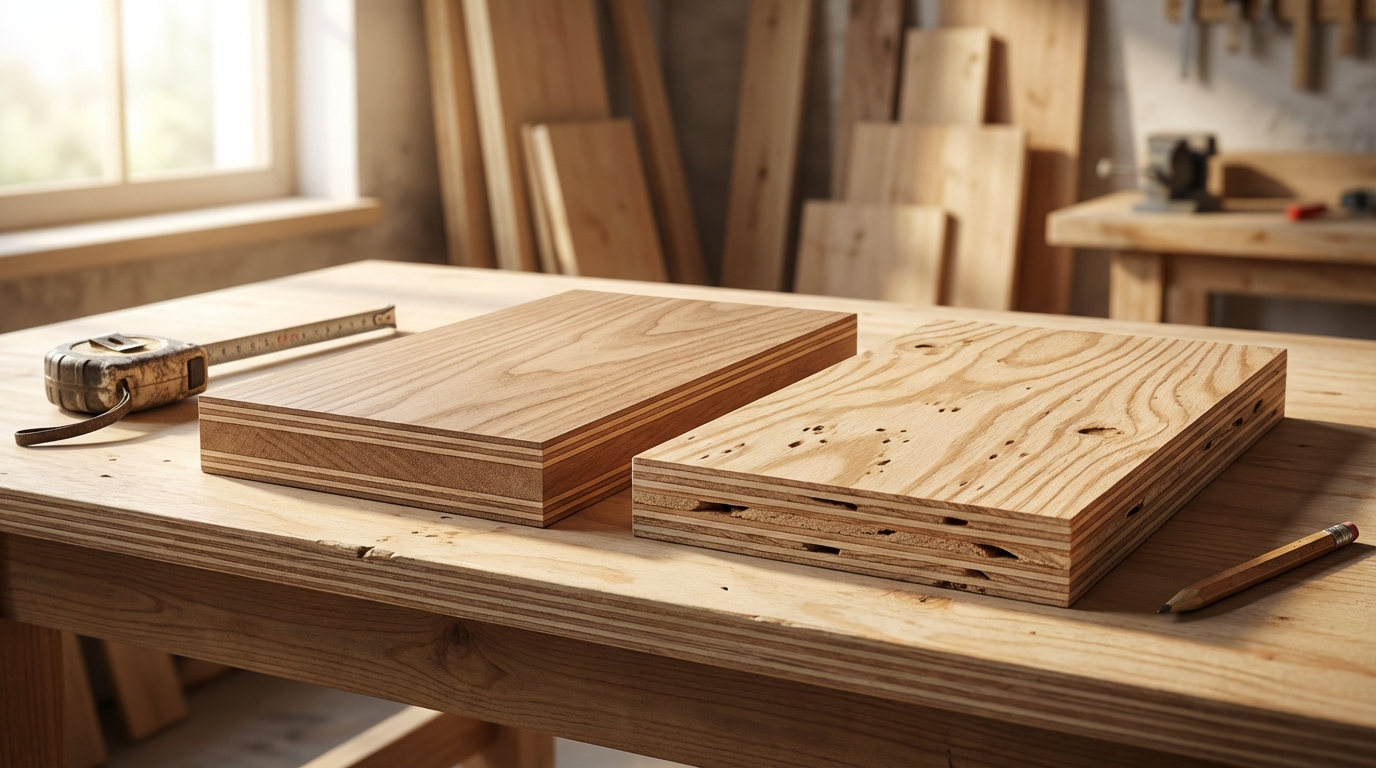
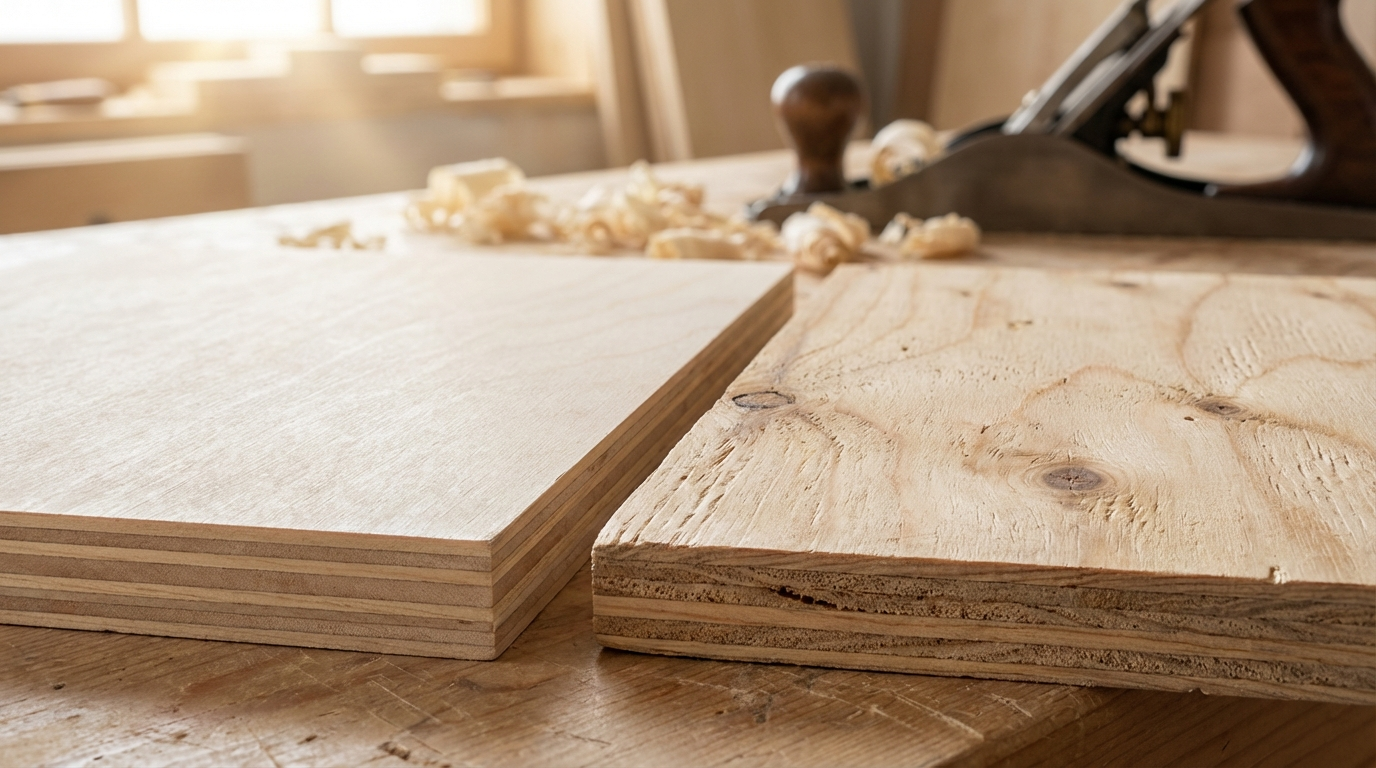
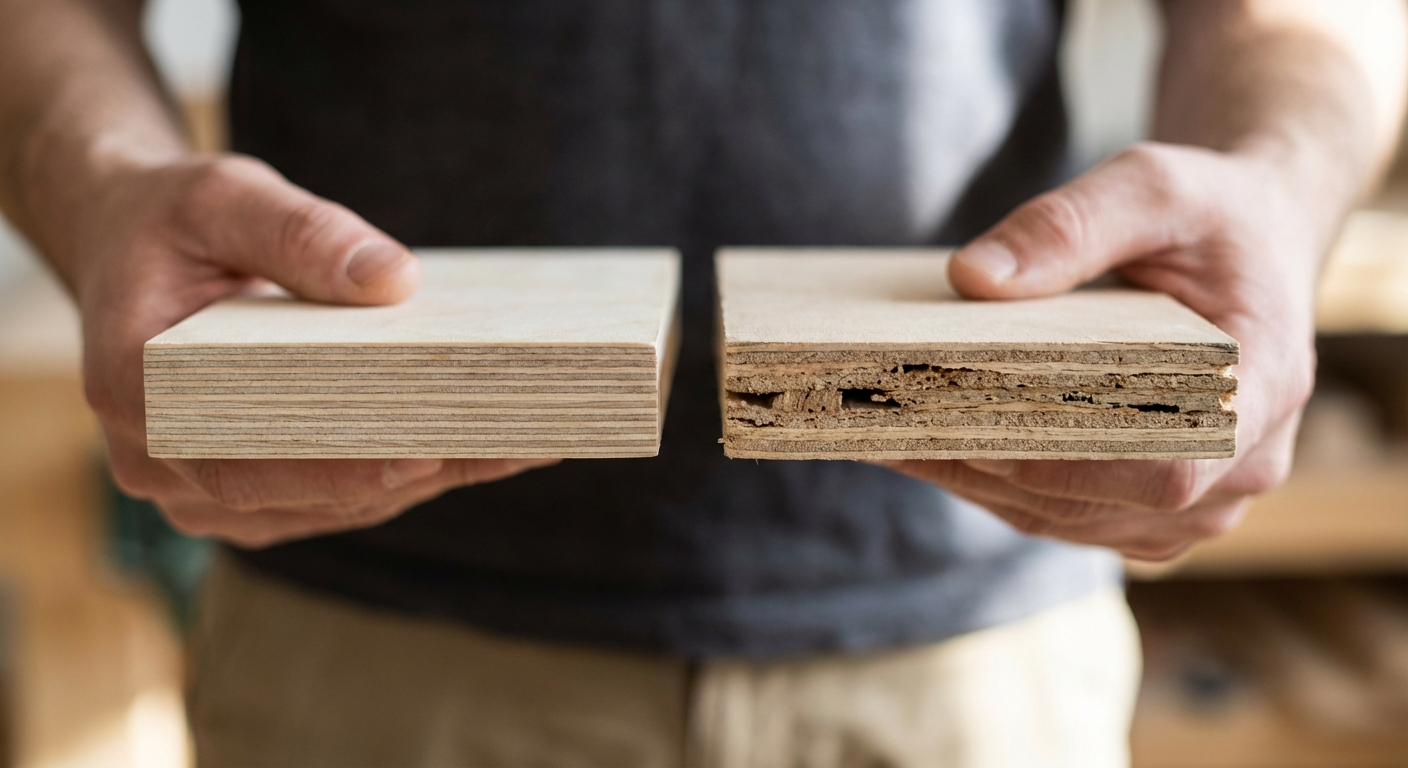
Plywood quality boils down to the wood species used in the core and face veneers, the glue formulation, and the manufacturing process that minimizes voids and ensures uniform density. Apple Ply stands out with its consistent use of hardwood cores like gurjan or poplar, which provide higher density and fewer internal gaps compared to some competitors. This denser construction means less chance of buckling under load or during seasonal expansion in Indian homes. Kitply, on the other hand, relies more on mixed tropical hardwoods, which can vary in quality batch-to-batch, leading to occasional softer spots that carpenters notice during cutting.
The glue is another differentiator. Apple Ply employs fortified urea-melamine-formaldehyde resins in its MR grades and phenolic resins in BWR and BWP variants, creating bonds that hold up longer under stress. Kitply uses similar adhesives but has faced feedback from dealers about occasional weaker bonding in commercial lines, especially in humid storage conditions common at Indian wholesale yards. Manufacturing-wise, Apple Ply's processes emphasize hot-pressing at higher pressures, resulting in flatter sheets with smoother faces ideal for lamination or painting.
Upfront verdict for value: Apple Ply delivers superior long-term value for most Indian buyers because its construction reduces replacement risks over 15-20 years, outweighing a modest price premium. In a typical 3BHK modular kitchen in Mumbai or Chennai, where cabinets face daily steam and spills, Apple Ply's reliability translates to fewer callbacks for carpenters. Kitply shines in dry interiors like bedrooms but falls short where moisture lurks. Logical reasoning: Denser cores resist screw pull-out better—critical for heavy wardrobes—while uniform glue prevents delamination, a top failure mode in 40% of complaints logged by urban dealers.
Why this matters in India: Our diverse climates demand plywood that doesn't just survive but thrives amid power cuts delaying drying or unseasonal rains soaking godowns. Apple Ply's edge here makes it the smarter pick for forward-thinking homeowners investing once.
Moisture Resistance: Critical for India's Varied Climates
Moisture resistance defines plywood survival in India, where humidity swings from 20% in Rajasthan winters to 90% during Kerala monsoons. Apple Ply excels with its BWR and BWP grades meeting IS:303 and IS:710 standards, using phenolic resins that withstand boiling water cycles without separating layers. This isn't hype—it's physics: Phenolic bonds repel water penetration, keeping the core dry even after prolonged exposure. In real-world tests by carpenters, Apple Ply sheets left in coastal godowns for months show minimal swelling, under 8% thickness increase versus 12-15% for lesser grades.
Kitply offers comparable grades like Kitply Plus BWR, but user feedback highlights variability; some batches delaminate after 6-12 months in steamy bathrooms. The reason? Kitply's MR lines use urea-based glues more prone to hydrolysis in high humidity, leading to softening. For BWP, both brands perform, but Apple Ply's denser veneers slow moisture wicking from edges, a common failure point in Indian installations lacking edge sealing.
Practical edge case: In Pune apartments with poor ventilation, Kitply MR cabinets warp within two monsoons, forcing refinishing. Apple Ply holds shape, saving 20-30% on lifetime costs. Why this matters in India: Over 70% of homes face monsoon threats; choosing moisture-weak plywood means callbacks during peak rainy season when labor costs spike 50%. South India's coastal belts amplify this—Chennai's salt-laden air accelerates corrosion of fittings on swollen plywood.
Carpenter insight: Always tap-test sheets; a hollow sound signals voids where water pools. Apple Ply rings solid, justifying its value for kitchens and bathrooms handling 50-100 liters of daily water exposure.
Durability and Strength Under Indian Household Loads
Durability isn't just lab specs—it's proven in overloaded wardrobes, kids' bunk beds, and modular kitchens bearing microwaves. Apple Ply's multi-layer cross-graining with uniform veneer thickness (1.0-1.2mm faces) distributes stress evenly, resisting screw pull-out up to 200kg per point in 18mm sheets. This stems from balanced ply construction: Odd-numbered layers prevent cupping, a flaw in uneven builds.
Kitply provides solid strength in premium lines but commercial grades often have thinner inner plies, leading to sagging shelves after 5 years. Logical why: Softer core woods compress under humidity cycles, unlike Apple Ply's hardwood mix maintaining 40-50% higher MOR (modulus of rupture). In Bangalore villas, Apple Ply almirahs endure 300kg tops without bowing, while Kitply needs extra bracing.
Termite and borer resistance factors in too. Both treat with preservatives, but Apple Ply's deeper penetration via vacuum processes lasts 15+ years versus Kitply's 10-12 in termite-hotspots like Hyderabad suburbs. Edge case: Earthquake-prone Gujarat—Apple Ply's rigidity minimizes cracking during tremors.
Indian buyer scenario: A family in Delhi loads pooja cabinets with brass idols; Apple Ply stays taut, Kitply flexes. This durability edge tips value scales, as repairs disrupt Diwali setups. Carpenter tip: Pre-drill for hinges; denser Apple Ply reduces splitting by 30%.
Cost Breakdown: Balancing Price with Long-Term Savings
Plywood pricing in India ranges Rs 80-200 per sq ft, influenced by grade, thickness, and region. Apple Ply MR 18mm hovers in the mid-range, say Rs 110-130/sq ft in metros, reflecting premium inputs without excess markup. Kitply commercial starts lower at Rs 90-110, appealing for budgets, but BWR equivalents match Apple Ply's pricing.
Value math: Factor lifecycle. Apple Ply lasts 20 years in kitchens (replacements Rs 50k+), Kitply MR 10-12 years in same spot, totaling higher due to interim fixes. Net: Apple Ply saves 15-25% over a home's life. Why? Fewer voids mean less waste during CNC cutting, popular in South Indian modulars—carpenters reclaim 5-10% more material.
Dealer dynamics: In dealer-driven markets like Coimbatore, Kitply pushes volume with discounts, but Apple Ply holds resale value if swapping. Trade-off: Budget projects favor Kitply for speed, but regret hits post-monsoon.
South India context: High CNC adoption means precise cuts; Apple Ply's flatness cuts machining time 20%. For a 200 sq ft kitchen, that's Rs 5-10k saved in labor. Logical choice: Pay 10-15% more upfront for 50% longer life.
Common Mistakes Buyers and Carpenters Make with These Brands
Buyers often chase the lowest quote, ignoring grades—picking Kitply commercial for bathrooms, leading to delamination when steam hits urea glue. Mistake amplified in dealer yards where fakes mix; always verify holograms and burn-test edges (quality chars black, not white ash).
Carpenters err by not acclimating sheets 48-72 hours; Indian godowns swing 10-15°C daily, causing post-install warp. Another: Skipping edge banding on Kitply, exposing vulnerable sides to humidity. Real failure: Mumbai flat where rushed install warped Apple Ply frames—no sealant led to 2% swell.
Overlooking thickness: 12mm for partitions ok, but 18mm essential for load-bearers. Kitply thin-faces splinter under routers; Apple Ply sands clean. South India pitfall: Monsoon-stored stacks without covers—Kitply swells first.
Dealer pressure: "Same quality, cheaper!" but trace origins. Insight: Visit factories if possible; consistent Apple Ply output beats variable Kitply. Avoid: Buying odd thicknesses—harder to source matches later.
Trade-offs and Limitations of Apple Ply and Kitply
Apple Ply's density shines but weighs 10-15% more, hiking transport for remote sites. Premium pricing limits budget flips; not ideal for rental rebuilds. Limitation: Overkill for arid bedrooms—MR suffices, but BWR tempts overspend.
Kitply's affordability enables large projects, but quality variance risks rejects—5-10% batches need returns per carpenter logs. Weaker borer shield in entry grades fails in Tamil Nadu nests. Trade-off: Faster availability vs Apple Ply's occasional stockouts in peaks.
When NOT to choose: Apple Ply for ultra-dry deserts (waste); Kitply for high-moisture zones without upgrades. Edge case: CNC-heavy modulars favor Apple Ply's machinability; hand-sawn jobs suit Kitply's forgiveness.
Balanced view: Neither perfect—pair with laminates for full protection. Indian reality: Trade-offs hinge on site visits assessing humidity/load.
Decision Framework for Confident Plywood Selection
Use this step-by-step framework tailored to Indian homes:
- Assess exposure: High moisture (kitchen/bath)? BWR/BWP. Dry? MR.
- Load check: Heavy tops? 18mm+ dense core.
- Budget timeline: 10 years? Kitply ok. 20+? Apple Ply.
- Climate factor: Monsoon? Prioritize resistance.
- Verify on-site: Weight, sound, edges.
| Factor | Apple Ply Strength | Kitply Strength | Best For |
|---|---|---|---|
| Moisture Resistance | Excellent (dense, phenolic) | Good (variable in MR) | Coastal kitchens |
| Strength/Density | High (hardwood core) | Medium (mixed woods) | Heavy furniture |
| Price per sq ft (18mm BWR) | Mid-high | Mid-low | Budget vs longevity |
| Machinability | Smooth CNC | Ok, occasional tear | Modular South India |
| Longevity (humid use) | 20 years | 12-15 years | Family homes |
This table clarifies: Apple Ply wins 4/5 for value-driven buys.
South India Focus: Monsoon, Coast, and Modern Builds
South India's 80-95% monsoon humidity and salty coasts demand elite resistance. Apple Ply BWP shrugs off Chennai spray, holding <5% swell; Kitply BWR suffices but edges fray faster. Modular kitchens—80% of new Bangalore flats—benefit from Apple Ply's flatness for seamless laminates.
CNC carpentry thrives on precision; Apple Ply cuts dust-free, minimizing health risks in ventilated shops. Dealer buying dominates: Coimbatore yards stock both, but Apple Ply fewer fakes due to branding.
Failure case: Vizag coastal villa—Kitply bath vanity delaminated post-cyclone; Apple Ply neighbor intact. Carpenter wisdom: Seal joints with silicone; pair with marine laminates.
Frequently Asked Questions on Apple Ply vs Kitply
Which is better for modular kitchens in humid South India?
Apple Ply BWR 18mm is ideal for modular kitchens facing steam and spills. Its phenolic glue and dense core prevent warping during monsoons, ensuring cabinets align perfectly post-CNC. Kitply works if upgraded, but variability risks misalignment. In Chennai homes, this choice avoids 6-month regrets.
Can Kitply match Apple Ply in bathrooms?
Kitply BWP can compete short-term, but Apple Ply's superior edge sealing resists grout water better. Logical: Thicker faces slow capillary action. For daily showers, Apple Ply lasts twice as long without bubbling paint.
Is Apple Ply worth the extra cost for bedrooms?
Not always—MR grades suffice in dry rooms. Save on Kitply here, splurge Apple Ply for wardrobes. Trade-off: Uniformity justifies if resale value matters.
How to spot fakes in dealer yards?
Burn edge: Quality blackens evenly. Weigh sheet—dense feels heavy. Hologram check. Apple Ply fakes rarer due to factory controls.
What thickness for overhead cabinets?
18mm minimum for both, but Apple Ply's strength allows 16mm spans. Kitply needs bracing. South India CNC favors thinner precision cuts.
Do both resist termites equally?
Apple Ply's vacuum treatment penetrates deeper, edging out in burrow-prone areas. Annual sprays needed regardless.
Best for coastal exposure like Goa villas?
Apple Ply BWP—salt air corrodes lesser glues. Kitply Plus ok with extras, but baseline favors Apple.
Installation tips for monsoon season?
Acclimate 7 days, seal all edges. Apple Ply installs faster due to flatness; avoid Kitply if rain delays drying. Disclaimer: This content is provided for general informational purposes based on industry practices and publicly available information. Product specifications, standards, prices, and availability may vary by manufacturer, region, and time. Readers should independently verify details with manufacturers, dealers, or qualified professionals before making purchase or construction decisions.
Want Plywood Suggestions?
Share a few details and a Apple Ply specialist will suggest suitable brands and connect you to responsive dealers.