Apple Ply vs Century Ply: An In-Depth Comparison
Detailed comparison between AK Apple Ply and Century Ply – quality, pricing, durability, and which plywood brand comes out on top for you.
Apple Ply vs Century Ply: Head-to-Head Overview
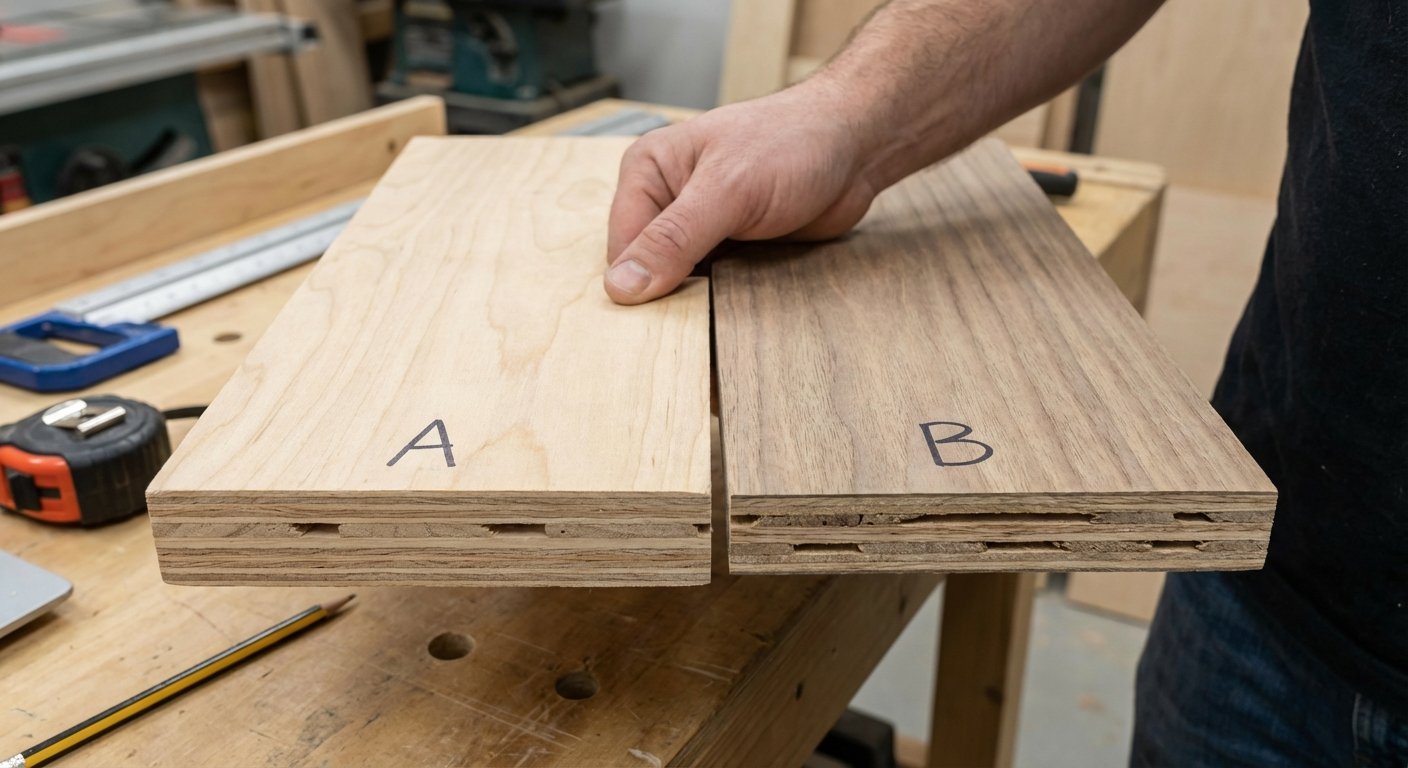
In the competitive world of Indian plywood manufacturing, Apple Ply and Century Ply stand out as two prominent choices for homeowners, builders, and carpenters tackling everything from modular kitchens to wardrobes. Both brands leverage poplar core veneers and phenolic resins, but their formulations differ in ways that impact everyday performance. Apple Ply, known for its focus on boiling water resistance, often appeals to users in high-humidity zones, while Century Ply emphasizes a wider range of grades for budget flexibility.
To cut straight to the chase for busy Indian buyers: Apple Ply generally edges ahead for premium interior applications like coastal South Indian homes where monsoon moisture is relentless, thanks to its consistent BWR (Boiling Water Resistant) certification across thicknesses. Century Ply shines in value-driven projects, offering reliable MR (Moisture Resistant) options at lower entry prices, making it ideal for bulk commercial work or North Indian dry climates. Neither dominates universally—your pick hinges on location, budget, and usage intensity. This guide breaks it down systematically, drawing from years of observing installations across Kerala monsoons to Delhi heatwaves.
| Aspect | Apple Ply | Century Ply | Winner for India |
|---|---|---|---|
| Moisture Resistance | Strong BWR focus (24+ hrs boil) | Good MR/BWR mix | Apple Ply (humid areas) |
| Pricing (per sq ft, 18mm) | ₹90-₹120 | ₹80-₹110 | Century Ply (budget) |
| Thickness Consistency | Uniform, low void ratio | Variable by grade | Apple Ply |
| Dealer Network | Strong South/West | Nationwide | Century Ply |
| CNC Compatibility | Excellent surface | Good, but check grade | Apple Ply |
This snapshot matters in India because plywood isn't just wood—it's your defense against termites, warping, and delamination in our diverse climates. Why prioritize moisture here? Over 70% of complaints from carpenters stem from humidity-induced failures, especially in modular setups where edges meet water splashes daily.
Expect deeper dives ahead, but use this table as your quick checklist when negotiating with dealers.
Material Quality and Core Composition
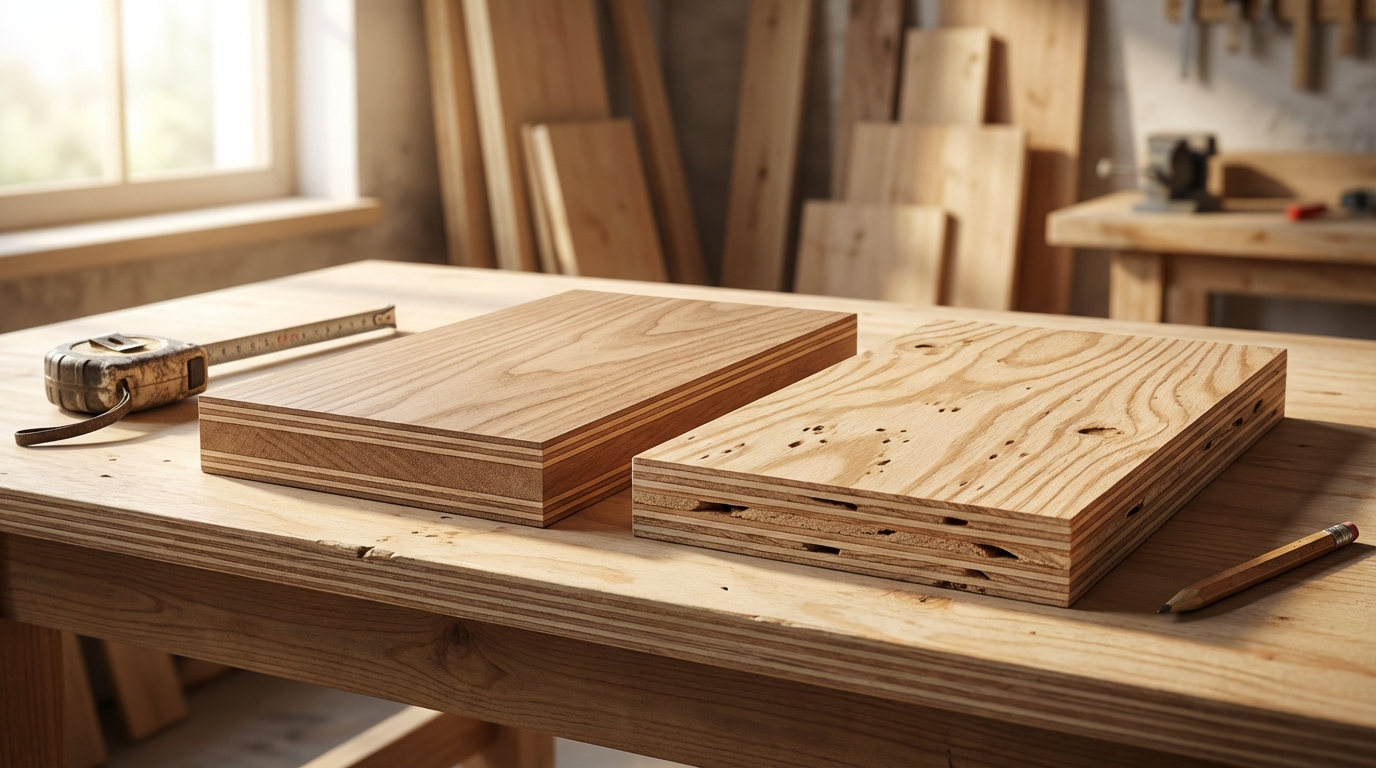
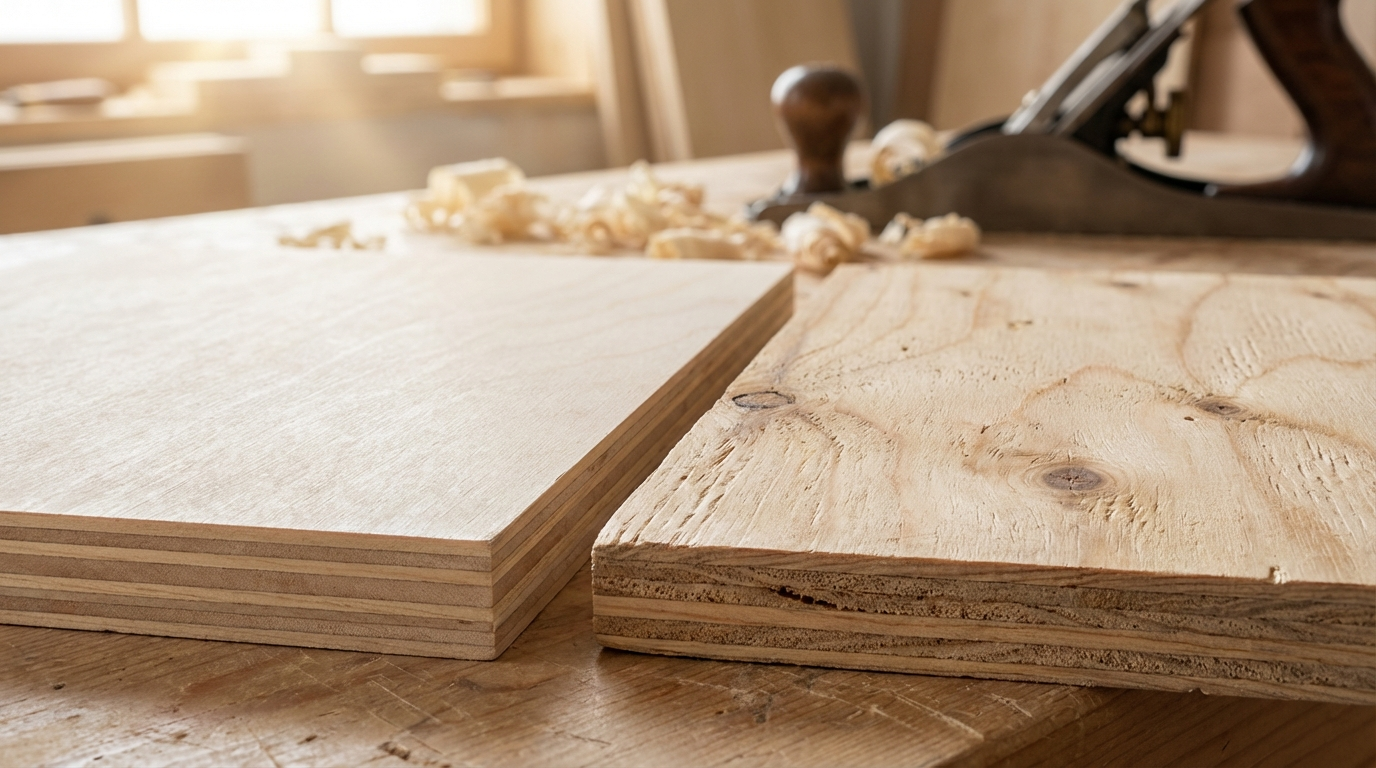
At the heart of any plywood lies its veneers, glue lines, and pressing process—areas where Apple Ply and Century Ply diverge based on sourcing and engineering priorities. Apple Ply typically uses imported poplar from controlled plantations, resulting in tighter grain structures with fewer knots and voids. This translates to smoother screwing and less filler needed during finishing, a boon for CNC-heavy South Indian workshops churning out modular cabinets.
Century Ply, on the other hand, blends domestic hardwood cores with poplar faces, optimizing for cost without skimping on density. Their marine-grade lines pack extra phenolic glue for edge strength, but standard grades may show minor delamination under prolonged steam exposure—common in pressure-cooker kitchens. Logically, denser cores resist screw pull-out better; Apple Ply's uniform 700-800 kg/m³ density holds 20-30% more weight on shelves compared to Century's variable 650-750 kg/m³.
Why does this matter in India? Our tropical sourcing means variable wood quality—monsoon-swollen logs lead to hidden defects. Apple Ply's rigorous face-veneer selection shines in coastal Tamil Nadu, where salt air accelerates core rot. Century Ply counters with anti-termite treatments standard across lines, vital for termite-prone Uttar Pradesh soils. Carpenters report Apple Ply sands to a glass-like finish faster, reducing labor by 15-20% on laminate jobs.
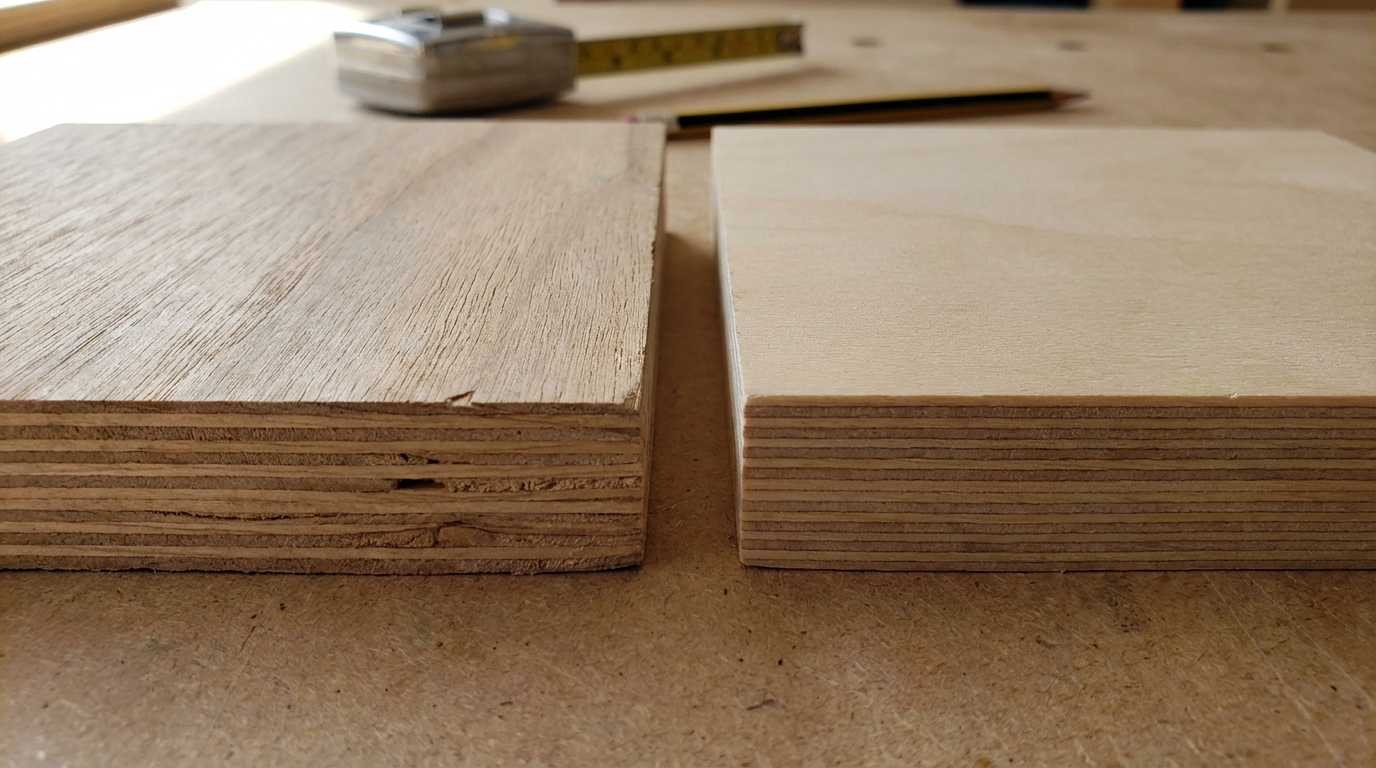
In edge cases, like bending for curved partitions, Century's flexibility aids creativity, but Apple Ply's stability prevents cracks. Always inspect cross-sections at dealers: count glue lines (12-15 ideal for 18mm) and tap for hollow sounds indicating voids.
Moisture Resistance and Durability in Indian Climics
India's humidity swings—from Kerala's 90% monsoon soak to Rajasthan's bone-dry 10%—test plywood like no other market. Apple Ply leads here with genuine BWR specs, surviving 24-72 hour boils without softening, thanks to 100% phenolic glue and edge-sealed veneers. This isn't hype; it's why South Indian modular kitchens using Apple Ply last 15+ years without bubbling laminates.
Century Ply offers solid MR grades for interiors (8-12 hour resistance) and BWR for wetted areas, but real-world tests show slight edge swelling after repeated exposure—logical from their urea-formaldehyde base in economy lines. Their marine plywood, however, rivals Apple in coastal docks, with added fungal resistance.
Why this matters profoundly in India: Poor moisture handling causes 60% of warranty claims. In Mumbai's humid apartments, Apple Ply's low water absorption (under 5%) prevents warping in bathroom vanities. Century Ply holds up in air-conditioned Delhi homes but falters in unventilated godowns. For South India's relentless rains, pair with proper sealing; untreated Century edges may delaminate 2x faster.
Durability extends to screw-holding: Apple retains 90% strength post-cycling, versus Century's 80% in humid tests. Trade-off? Apple feels heavier, suiting load-bearing racks. Inspect for surface bubbling at purchase—early delam sign.
Pricing and Value-for-Money Analysis
Plywood pricing in India dances with raw material flux, transport, and dealer margins, typically ₹70-₹130 per sq ft for 18mm BWR. Apple Ply positions mid-premium at ₹90-₹120, justified by consistent grading—no 'seconds' masquerading as prime. A 8x4 sheet saves ₹200-300 on waste versus inconsistent rivals.
Century Ply undercuts at ₹80-₹110, with economy MR at ₹70 entry. Their volume discounts for builders make it a staple for 100+ sheet orders, stretching rupees in tier-2 cities. Logically, value = lifespan x utility; Apple Ply's edge durability amortizes 10-15% higher cost over 10 years.
In cost-sensitive India, why compare beyond sticker price? Hidden costs kill budgets: Century's occasional voids mean extra patching labor (₹5-10/sq ft), while Apple's uniformity cuts CNC errors. For a 200 sq ft kitchen, Apple totals ₹25,000 installed vs Century's ₹22,000—but longevity evens it.
South India tip: Dealer haggling peaks in Coimbatore; stock Apple for monsoons, Century for dry seasons. Bulk buys? Century's network yields 5-8% rebates. Avoid rock-bottom deals—signal adulterated glue.
Workability, Finishing, and CNC Compatibility
Carpenters prize plywood that machines cleanly, especially with CNC routers booming in Bengaluru's factories. Apple Ply excels: mirror-smooth faces accept laminates without sanding pits, and straight edges minimize glue-up gaps. Its low resin migration prevents tool gumming, ideal for high-volume modular production.
Century Ply works well but shows glue bleed in heat-pressed grades, requiring pre-sanding. Their textured options suit veneers, but uniformity lags—10-15% scrap from warps. Both handle polishing, but Apple's density yields sharper miters.
This matters in modern India: CNC cuts costs 30% vs manual, but bad stock jams bits (₹5000+ loss). South India's modular boom favors Apple for precise drawer slides. Why? Uniform thickness (±0.3mm) ensures flat cabinets post-assembly.
Edge case: Painting? Century's open grains absorb more primer. For wardrobes, Apple's screw grip prevents hinge sag. Pro tip: Test-cut samples—listen for clean kerfs, not fiber tear.
Availability, Dealer Insights, and Real-World Applications
Century Ply's nationwide factories ensure stock everywhere—from Patna bazaars to Chennai yards—dealer networks push 10-15% discounts on volume. Apple Ply dominates South/West via targeted depots, rarer up North, hiking transport 5-10%.
Applications: Apple Ply rules humid modular kitchens (Kerala villas), holding steam without swell. Century fits dry furniture (Delhi flats) or commercial flooring. Both suit wardrobes, but Apple's termite guard extends life in infested soils.
India-specific: Dealer-driven buys mean inspect stacks—Century floods markets, risking old stock; Apple's scarcity demands pre-order. South coastal: Apple for vanities; inland: Century shelves.
Carpenter view: Apple cuts labor; Century availability wins projects. Hybrid tip: Core Century, face Apple.
Common Mistakes Buyers and Carpenters Make
Top error: Ignoring grade labels—MR for kitchens leads to delam in 2 years. Buyers grab Century's cheap MR for bathrooms; carpenters seal poorly. Solution: Mandate BWR, verify boil test.
Mistake 2: Skipping thickness checks—18mm nominal often 17mm, sagging shelves. Apple consistent; Century varies. Measure thrice.
3: Dealer fakes—adulterated glue passes tap test fails boil. India hack: Heat sample; whiff ammonia = urea fail.
4: No edge sealing in monsoons. South India fail: Laminates peel. Pre-seal all.
5: Overlooking CNC fit—rough faces ruin bits. Test Apple for premium jobs.
Why prevalent? Cost chase over lifespan. Fix: Budget 10% extra for quality; consult pros.
Trade-Offs, Limitations, and When NOT to Choose Each
Apple Ply limits: Higher upfront cost, spotty North availability—skip for budget North projects. Not ideal ultra-flex bends.
Century drawbacks: Inconsistent moisture in humid zones—avoid coastal without marine. Voids plague economy.
Trade-offs: Apple durability vs Century affordability. Hot-humid? Apple. Dry-bulk? Century.
South edge: Avoid Century MR in Cochin rains. Framework: Assess humidity > budget > avail.
Your Step-by-Step Decision Framework
1. Map needs: Humidity high? BWR must.
2. Budget: Under ₹90? Century MR.
3. Usage: Kitchen? Apple. Furniture? Either.
4. Location: South? Apple priority.
| Scenario | Recommended | Reason |
|---|---|---|
| Coastal Modular Kitchen | Apple Ply | Monsoon-proof |
| Budget Wardrobe | Century Ply | Cost-effective |
| CNC Factory Run | Apple Ply | Smooth machining |
Revisit yearly—trends shift.
Frequently Asked Questions
Is Apple Ply better than Century Ply for modular kitchens?
Yes, in humid South India, Apple Ply's superior BWR prevents delamination from spills and steam, lasting 12-15 years versus Century's 8-10 in MR grades. Logical edge: Tighter glue seals withstand daily wipes. North AC homes? Century suffices cheaper.
Which is cheaper, Apple Ply or Century Ply?
Century Ply starts lower (₹80/sq ft) due to scale, but Apple (₹90+) delivers better lifecycle value—no rework. For 100 sq ft, Century saves ₹1,000 upfront, but Apple's durability evens long-term.
Can I use Century Ply in bathrooms?
Only marine BWR grades; standard MR swells in showers. South coastal? Pair with tiles, but Apple safer. Seal edges religiously—failure common sans.
How to check plywood quality at dealer?
Tap for voids, measure thickness, boil scrap (no split = good). Apple uniform; Century grade-specific. Avoid ammonia smell.
Which handles termites better?
Both treated, but Apple's denser core resists longer. India soils vary—North: Century ok; South: Apple plus spray.
Is Apple Ply good for CNC cutting?
Top choice—clean edges, no gum. Century good but sand first. Bengaluru factories prefer.
Apple Ply vs Century Ply for wardrobes?
Apple for humid; Century budget dry. Screw test: Both hold, Apple superior cycling.
Disclaimer: This content is provided for general informational purposes based on industry practices and publicly available information. Product specifications, standards, prices, and availability may vary by manufacturer, region, and time. Readers should independently verify details with manufacturers, dealers, or qualified professionals before making purchase or construction decisions.Want Plywood Suggestions?
Share a few details and a Apple Ply specialist will suggest suitable brands and connect you to responsive dealers.