What is BWP (Marine) Plywood? (Boiling Waterproof Plywood)
Discover BWP (Marine) plywood – how it's made with superior waterproofing, and why it's essential for certain projects.
What is BWP (Marine) Plywood?
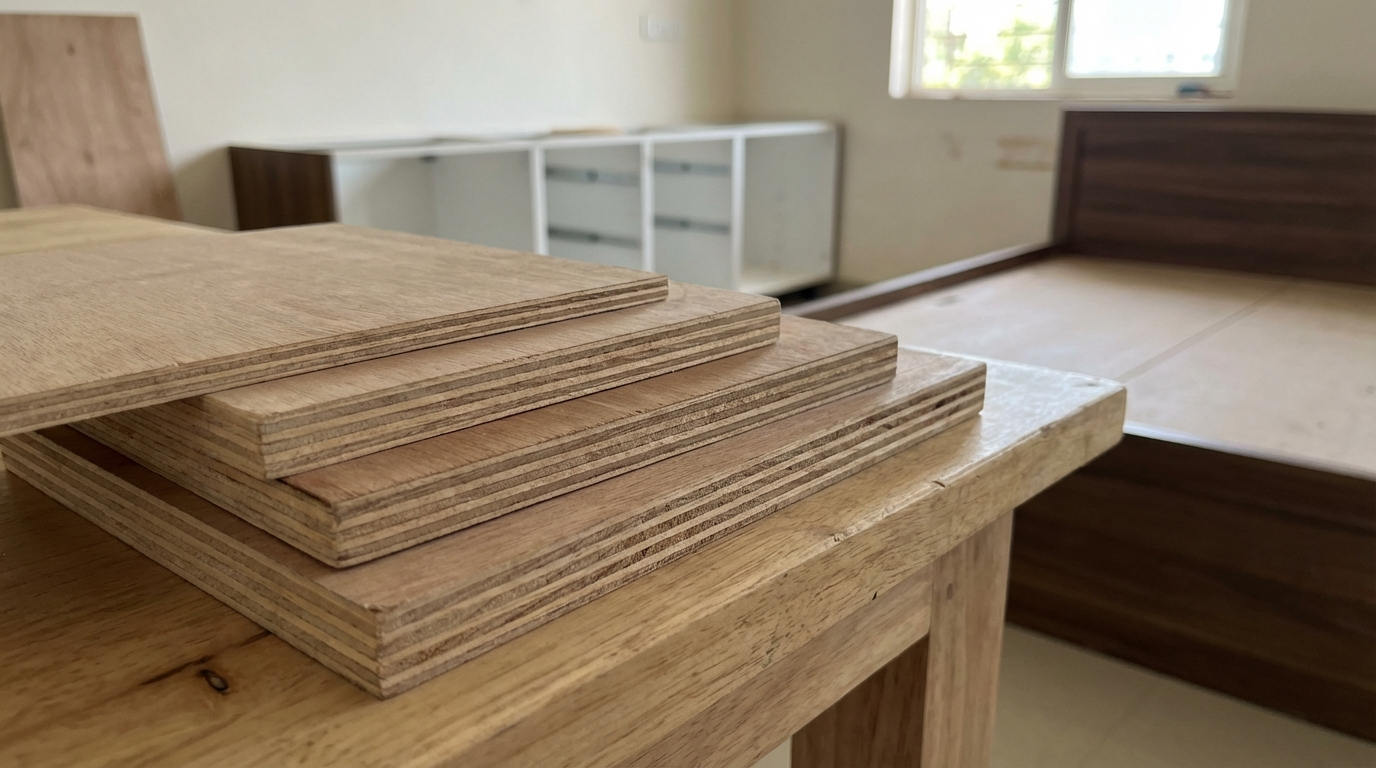
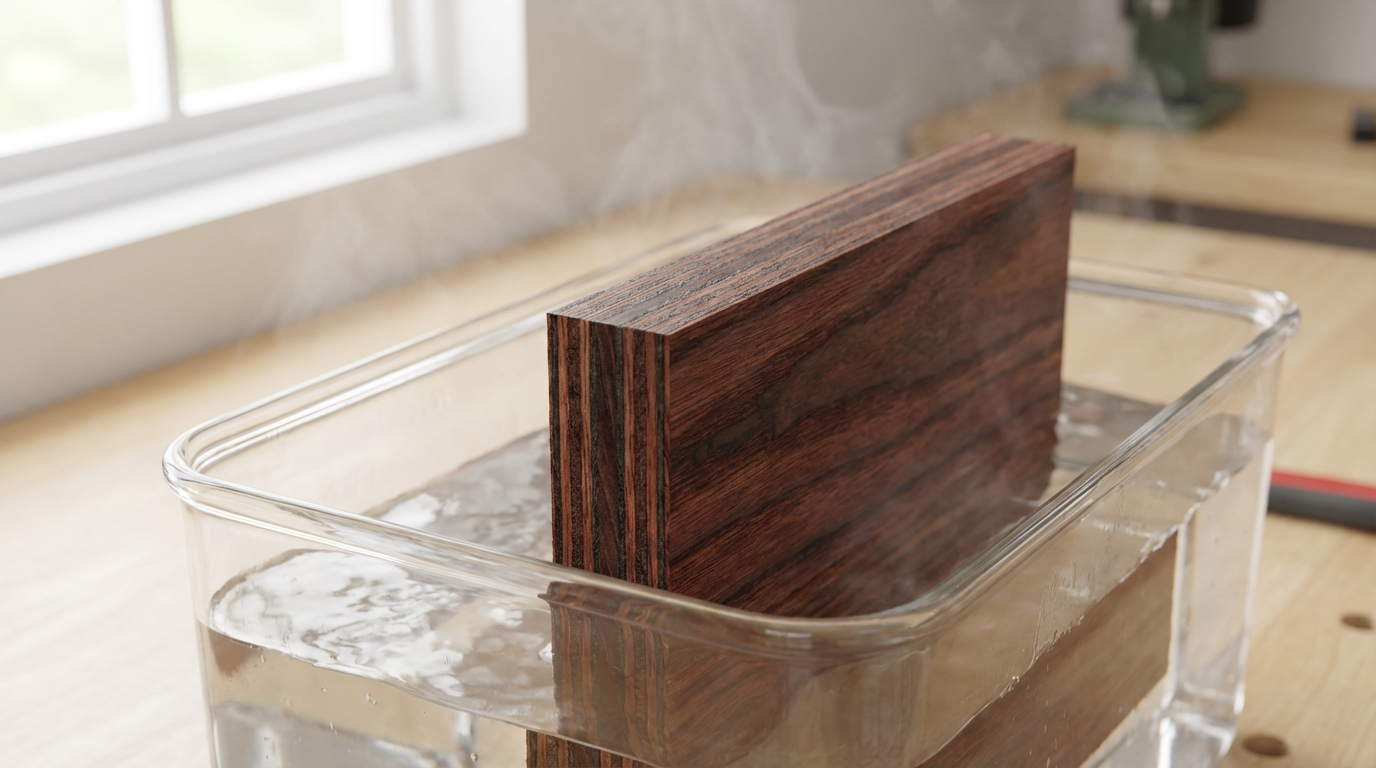
BWP plywood, short for Boiling Water Proof plywood and commonly called marine plywood, represents the highest grade of waterproof plywood available for construction and interior applications. At its core, it is engineered to endure extreme moisture exposure without delaminating or losing structural integrity—even when submerged in boiling water for extended periods. This superior performance stems from its construction using phenolic resins that create unbreakable bonds between high-density hardwood veneers, making it far more resilient than standard plywood types.
Imagine a sheet of plywood that can handle the relentless assault of tropical downpours, steamy kitchens, or coastal humidity without warping, swelling, or peeling apart. That's BWP in action. Unlike moisture-resistant (MR) plywood, which relies on weaker urea-formaldehyde adhesives suitable only for occasional dampness, BWP uses fully synthetic phenol-formaldehyde glues that cure into a thermoset matrix impervious to water penetration. This isn't just marketing hype; the term "marine" arises from its proven track record in boat-building and ship interiors, where constant saltwater contact demands unyielding durability.
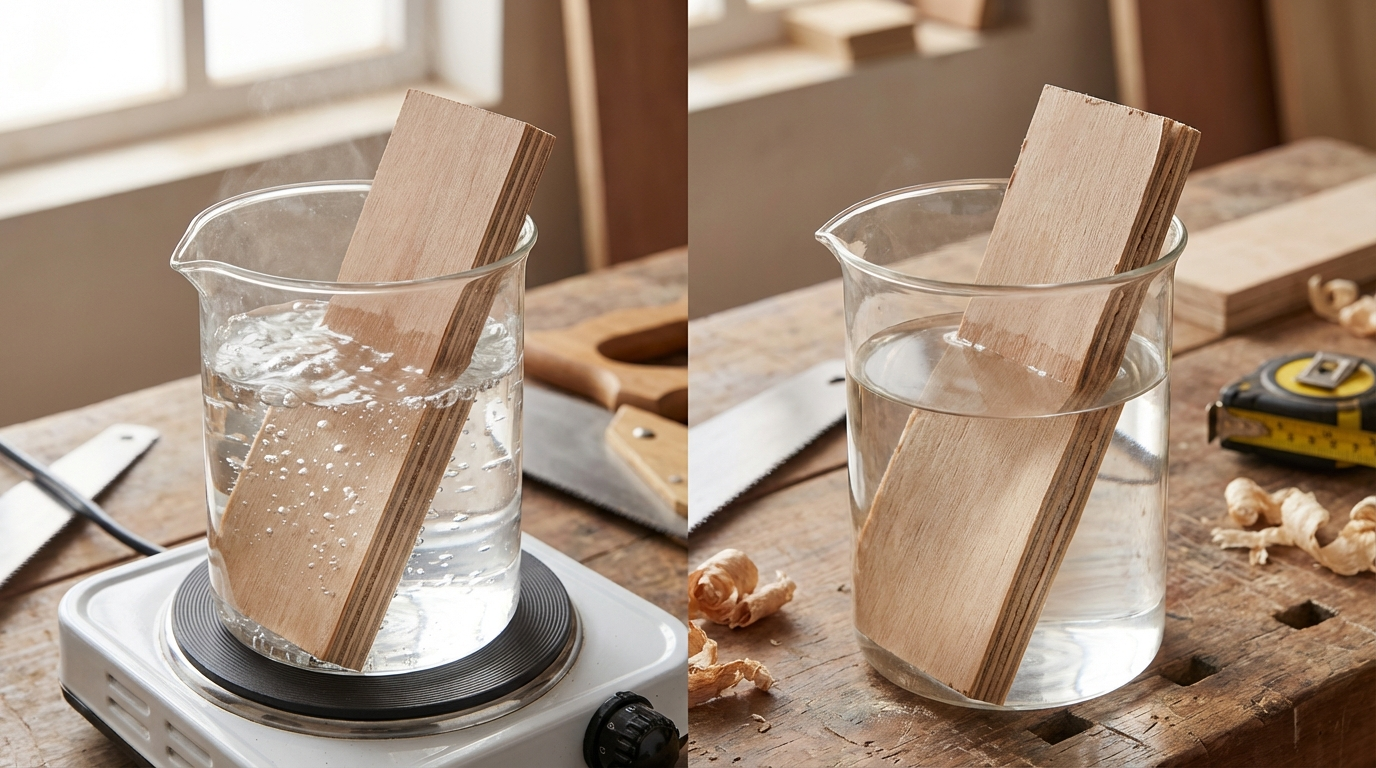
In practical terms, BWP plywood meets rigorous standards for boil tests, where panels are immersed in boiling water for hours, then subjected to shear and bending stress—most emerge unscathed. For Indian buyers, this translates to peace of mind in homes prone to leaks, floods, or high humidity. Whether you're outfitting a bathroom vanity or framing a riverside deck, BWP ensures longevity, reducing callbacks for carpenters and replacement costs for homeowners. Selecting it early in your project planning answers the key buyer question: when moisture threatens structural failure, BWP is the definitive choice for reliability.
Its thickness typically ranges from 4mm to 25mm, with common sizes like 8x4 feet suiting modular furniture and partitions. The surface is smooth and sanded, ready for laminates or paint, but its true value lies beneath—in the void-free core and edge-sealed construction that prevents water ingress. This foundational understanding sets BWP apart as an investment-grade material, not a commodity.
How BWP Plywood is Manufactured: The Process Explained
The manufacturing of BWP plywood demands precision at every stage, starting with sourcing premium hardwood logs like gurjan, poplar, or eucalyptus, which provide dense, knot-free veneers essential for strength. These logs undergo peeling into thin sheets (1-1.7mm thick), followed by rigorous grading to eliminate defects—only top-grade veneers proceed, ensuring uniformity that cheaper boards lack.
Next comes the adhesive application: layers are coated with phenol-formaldehyde resin, a waterproof synthetic glue derived from petroleum and formaldehyde, mixed in exact ratios for maximum bond strength. This resin penetrates deeply into the wood fibers, unlike water-based glues in lower grades. The veneers are then meticulously assembled in cross-grain orientation—face, core, and back—for balanced expansion and contraction under moisture stress.
Pressing is the heart of the process: hydraulic hot presses apply 120-150 kg/cm² pressure at 130-150°C for 30-60 minutes, depending on thickness. This heat cures the resin into an insoluble, cross-linked polymer network, creating bonds stronger than the wood itself. Post-pressing, panels undergo trimming, sanding, and quality checks like ultrasonic void detection and boil tests, where samples are boiled for 72 hours and tested for delamination.
In Indian mills, especially those in northern hardwood belts, environmental controls like humidity-regulated drying kilns prevent pre-emptive warping. Edge sealing with resin dips adds an extra barrier against termites and water. This labor-intensive method explains why BWP costs 30-50% more than MR grades—it's built for endurance, not volume. Understanding this process empowers buyers to spot fakes: genuine BWP has a uniform caramel hue from phenolic curing, a solid "thunk" when tapped (no hollow voids), and no glue bleed on edges.
For carpenters, this translates to easier machining—CNC routing holds edges crisp without chipping, vital for modular kitchens. The result is a panel that flexes minimally under load, ideal for load-bearing shelves or exterior cladding in rainy seasons.
Key Properties and Performance Characteristics of BWP Plywood
BWP plywood's standout properties begin with its tensile strength, often exceeding 50 N/mm² in bending, allowing spans up to 60cm without sagging—double that of commercial grades. Water resistance is paramount: after 72-hour boiling, delamination doesn't exceed 1mm per face, per standard protocols. This is due to zero-porosity glue lines that repel moisture like a sealed hull.
Dimensional stability shines in cyclic wetting-drying tests; expansion rarely tops 8% in thickness, preventing cracks in laminates. Screw holding power remains robust at 150-200 kg per screw after wet exposure, crucial for heavy fixtures like cabinets. Fire retardancy is moderate—phenolic resins char slowly, buying time in emergencies—while termite resistance comes from dense veneers and optional boric treatments.
Thermal conductivity is low (0.12-0.15 W/mK), providing insulation for partitions, and acoustic damping suits bedroom walls. Surface hardness (40-50 Shore D) resists scratches from utensils in kitchens. In India's variable climates, UV stability prevents yellowing under direct sun, unlike urea-glued boards.
These traits make BWP versatile: 18mm sheets bear 200-300 kg/m² uniformly, perfect for mezzanines. Edge bonding integrity ensures paint or veneer adheres lifelong. Buyers verify quality by checking for IS-marked stamps, uniform density (0.6-0.75 g/cm³), and moisture content under 12%. Inferior boards fail here, swelling visibly in humidity chambers.
Carpenters note its machinability: saws stay sharp longer on resin-hardened faces, reducing downtime. Overall, these properties position BWP as the gold standard for demanding applications, where failure isn't an option.
Why BWP Plywood Matters in India's Diverse Climates
India's climate swings from arid deserts to monsoon deluges make moisture management non-negotiable, and BWP plywood addresses this head-on. In northern plains like Delhi or Uttar Pradesh, summer humidity spikes to 80% with erratic rains, where standard plywood delaminates within months, leading to peeling laminates and fungal growth. BWP's phenolic bonds shrug off this, maintaining flatness in wardrobes or false ceilings.
Southern interiors, think Hyderabad or Bangalore, face perpetual 70-90% relative humidity; here, BWP prevents core rot in bathroom shutters or kitchen platforms, extending life by 10-15 years. Cost savings compound: replacing MR plywood every 3-5 years in leaky homes adds up, while BWP's upfront premium pays off via zero maintenance.
In flood-prone eastern states like Bihar or Assam, riverine flooding submerges ground floors—BWP shelves survive submersion without warping, unlike swollen alternatives. Western coastal Gujarat battles saline mists; BWP's corrosion-resistant glues protect against salt-induced degradation.
Why this matters for Indian buyers: labor-intensive repairs disrupt lives, and carpenters charge premiums for redo jobs. BWP minimizes these, especially in dealer-driven markets where impulse buys lead to regrets. For growing middle-class homes with wet balconies or utility areas, it ensures hygiene—no mold breeding in cores. In modular furniture booms, BWP carcasses withstand steam from pressure cookers, preventing the "soggy drawer" syndrome common in budget builds.
Logically, as urbanization packs homes tighter with wet zones, BWP future-proofs investments, aligning with rising expectations for durable, low-hassle interiors.
Ideal Applications for BWP Marine Plywood in Indian Projects
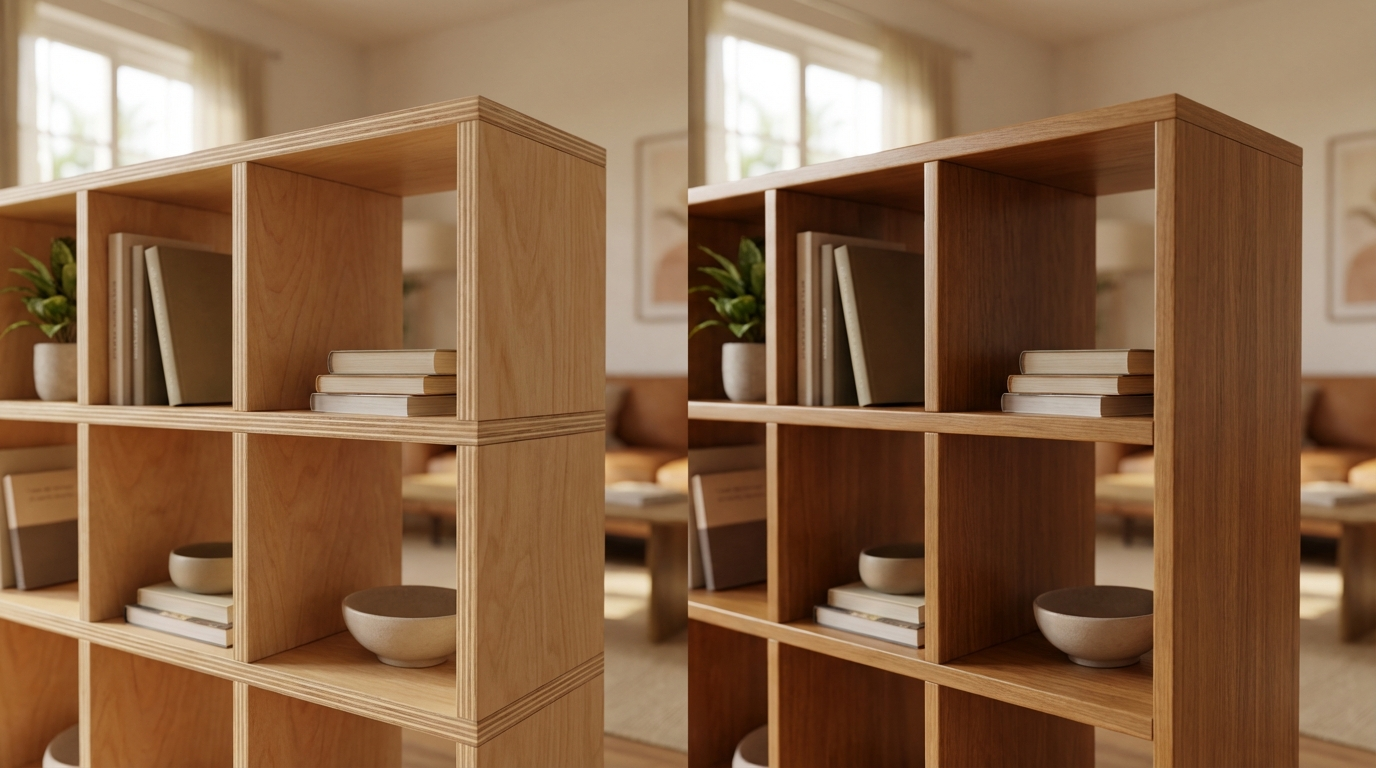
BWP plywood thrives in high-moisture zones: bathrooms top the list, from vanities to shower cubicles, where steam and splashes are constant. Its non-porous nature curbs mildew, vital in joint families sharing facilities. Kitchens demand it for platforms, sinks, and cabinets—hot pots, spills, and grease don't penetrate.
Exterior uses include balcony railings, gazebos, or riverside decks; in Kerala backwaters, it forms boat-like partitions resisting tidal splashes. Partitions in spas, laundries, or puja rooms with washing areas benefit too. For institutional projects—hostels, hospitals—BWP partitions handle heavy cleaning without degradation.
In modular kitchens, now ubiquitous in urban apartments, BWP bases support stone counters without sagging under wet weights. CNC-cut shelves for walk-ins stay precise. Load-bearing floors in sheds or mezzanines leverage its strength.
Trade scenarios: coastal resorts use it for cabanas, enduring salty winds. In Mumbai high-rises, leak-prone plumbing favors BWP enclosures. Avoid it for dry bedrooms to save costs, but pair with laminates for aesthetics. Carpenters polish it for exposed beams, highlighting its grain.
These applications showcase BWP's versatility, turning potential failure points into durable features, enhancing property value in resale markets.
Common Mistakes Buyers and Carpenters Make with BWP Plywood
A frequent error is confusing BWP with MR grades at dealers; glossy sales pitches hide MR boards stamped misleadingly. Always tap-test for solidity—hollow thuds signal voids. Buyers skip thickness checks, opting for thin 12mm where 18mm is needed, leading to flex in cabinets.
Carpenters cut corners on sealing: exposed edges drink moisture unless resin-sealed or edged with PVC. In monsoon installs, panels absorb ambient damp pre-fitting, swelling later. Neglecting screw pre-drilling causes splits in dense faces.
Overlooking storage: stacked in godowns without cover, BWP warps from uneven drying. Finish skimps plague many—unpainted or poorly laminated surfaces dull fast. In South Indian humidity, ignoring acclimatization (48 hours in site conditions) buckles joints.
Dealer-driven buys amplify issues: pressure for "equivalent" cheaper options yields fakes failing boil tests. Homeowners demand "marine" without verifying glue type, getting urea-phenolic hybrids that delaminate. Carpenter mistake: mixing BWP with commercial ply in hybrids, creating weak links.
Post-install oversights like leaky faucets ruin even quality boards. Educate via these pitfalls: test samples, insist on lab reports from dealers, and budget for proper finishing. Avoiding them ensures BWP delivers its promise.
Trade-offs and Limitations of BWP Plywood
BWP's premium pricing—often ₹120-180 per sq ft for 18mm—stings for budget projects; MR at half cost suffices for dry areas. Heavier weight (35-45 kg/sheet) complicates handling, raising labor costs in multi-story builds.
Working it demands sharp tools; phenolic hardness blunts blades faster, hiking CNC maintenance. Formaldehyde emissions, though low, concern VOC-sensitive families—ventilate during install. Aesthetic limitations: caramel tone shows through light veneers, unlike bleached MR.
Not invincible: prolonged UV outdoors fades without coatings; mechanical damage from impacts dents like any wood. Overkill for bedrooms or offices, wasting money. In extreme freezes (rare in India), bonds hold, but pair with insulation.
Availability dips in rural interiors, pushing imports with quality variance. Thickness swelling, minimal at 5-8%, still gaps laminates if ignored. Termite treatments add cost without built-in guarantee.
Weigh these: BWP shines where moisture rules, but balance with site needs. For dry zones, downgrade wisely to optimize spend without risk.
Decision Framework for Choosing BWP Plywood
Navigating plywood choices starts with assessing moisture exposure: rate your project on a 1-10 scale—kitchens/bathrooms score 8+, dry walls 2-3. If above 6, BWP is mandatory; below, MR or BWR suffice. Budget next: allocate 20-30% premium for wet zones.
Evaluate load: heavy cabinets need 18-25mm; shelves 12mm. Check site climate—coastal/monsoon mandates BWP. Verify supplier: demand boil-test demos, density checks.
Here's a structured comparison:
| Factor | BWP Marine | BWR | MR |
|---|---|---|---|
| Water Resistance | Boiling water, 72+ hrs | Hot water, 4-8 hrs | Humidity only |
| Best For | Kitchens, baths, exteriors | General interiors | Dry furniture |
| Cost (18mm/sq ft) | ₹120-180 | ₹80-120 | ₹50-80 |
| Weight (kg/sheet) | 35-45 | 30-40 | 25-35 |
| Screw Hold After Wet | Excellent | Good | Poor |
Use this framework: score moisture (40%), load (30%), budget (20%), aesthetics (10%). BWP wins high-moisture scores. Consult carpenters for hybrid uses, like BWP core with MR faces. This logic ensures confident, regret-free buys tailored to Indian realities.
South India Insights: BWP in Monsoon and Coastal Contexts
South India's equatorial humidity (80-95% year-round) and northeast monsoons amplify plywood demands, making BWP indispensable. In Kerala and Tamil Nadu coasts, saltwater spray corrodes standard boards; BWP's phenolic shield protects modular kitchens in beach villas.
Coimbatore factories churn CNC-cut BWP for export-quality cabinets, holding precision amid 40°C steam. Chennai apartments feature BWP wet walls, thwarting black mold in AC-condensate zones. Dealer networks in Hyderabad push volume, but savvy buyers test for genuine density.
Monsoon failures abound: MR platforms buckle under curry spills and floods. BWP utility cupboards endure washing machine leaks. In Bangalore IT homes, open-plan kitchens with gas stoves demand it for hood enclosures.
Carpenters acclimatize panels in humid godowns, edge-seal doubly. Pair with marine-grade laminates for glossy finishes. Cost-benefit peaks here—replacements during peak rains are nightmares. For villas, BWP pergolas withstand cyclonic rains, blending utility with style.
Frequently Asked Questions About BWP Marine Plywood
Is BWP plywood truly 100% waterproof?
No material is absolutely impermeable, but BWP comes closest for practical use. Its glue lines block water like a dam, passing boil tests without separating. Edges and cut faces need sealing, as wood fibers absorb if exposed. In Indian kitchens, sealed BWP shrugs off years of spills, unlike porous alternatives that swell and harbor bacteria. Proper installation—silicone around sinks, edge tapes—ensures near-total protection, making it reliable for humid homes without constant worry.
What's the difference between BWP and BWR plywood?
BWP outperforms BWR in extremes: BWP survives boiling indefinitely, ideal for marine or steam-heavy spots, while BWR handles hot water up to 4-8 hours before minor weakness. Glue differs—BWP's pure phenolic vs. BWR's blended resins. For bathrooms, BWP; general partitions, BWR saves 20-30%. Indian buyers mix them hybridly, but purists stick to BWP for cores. Cost gap justifies BWP where failure costs more in labor.
Can BWP plywood be used outdoors?
Yes, with caveats—prime and paint for UV/shrinkage control, as uncoated faces weather over time. Excellent for covered patios, sheds, or boat decks in Goa's humidity. Avoid direct sun-rain cycles without overhangs. In Mumbai compounds, painted BWP benches last decades, flexing minimally. Seal cuts immediately; it's tougher than softwoods but needs finishing for aesthetics.
How do I identify genuine BWP plywood at dealers?
Examine stamps for standards, tap for solid tone (no drums), check caramel hue uniformity, and weigh—dense at 40kg/sheet. Boil a veneer scrap: no split means quality. Dealers demo shear tests post-wet. Avoid suspiciously cheap lots; genuine commands premium. In crowded Kerala markets, insist on factory invoices. This hands-on vetting beats labels.
Is BWP plywood termite-proof?
Not inherently, but dense veneers and optional borates deter pests better than soft cores. Treat with oils post-install for belts-and-suspenders. In termite-hotspots like Tamil Nadu, pair with risers. Glue resists tunneling; failures trace to untreated edges. Regular checks suffice—far superior to MR's crumbly bait.
What's the ideal thickness for kitchen cabinets?
18mm strikes balance for carcasses—strong under 100kg loads, machinable for shutters. 12mm for shelves, 25mm platforms. In compact Chennai flats, 18mm BWP prevents sags from dal spills. Thicker adds weight/cost unnecessarily. Carpenters pocket-screw for joints, enhancing hold.
Does BWP plywood emit harmful fumes?
Minimal formaldehyde post-curing, lower than carpets. Ventilate during cuts; phenolic stabilizes quickly. Safe for nurseries if sealed. Indian norms limit emissions; quality mills comply. Sensitive users choose low-formaldehyde variants, but BWP's durability offsets rare concerns.
Can BWP be painted or laminated easily?
Absolutely—smooth, sanded faces bond superbly, outlasting MR peel-offs. Prelam primer enhances. In modular BoP setups, HMR laminates grip forever. Paint holds through scrubs; humidity doesn't lift finishes. Prep with sanding seals success.
Disclaimer: This content is provided for general informational purposes based on industry practices and publicly available information. Product specifications, standards, prices, and availability may vary by manufacturer, region, and time. Readers should independently verify details with manufacturers, dealers, or qualified professionals before making purchase or construction decisions.
Want Plywood Suggestions?
Share a few details and a Apple Ply specialist will suggest suitable brands and connect you to responsive dealers.