Shuttering Plywood Price & Uses – Is It Different from Regular Plywood?
Learn what shuttering plywood (film-faced formwork ply) is, its typical price in India, and how it differs from regular plywood for construction uses.
Quick Answer
Shuttering plywood, also known as film-faced formwork ply, is a specialized plywood with a phenolic film coating on both faces, designed for repeated use in concrete shuttering and formwork during construction. Unlike regular plywood used for furniture or interiors, it handles wet concrete pours, heavy loads, and multiple reuses without delaminating. Typical prices in India range from ₹1,000 to ₹2,500 per 18mm sheet, varying by brand tier, thickness, city logistics, and glue grade—often 1.5 to 2.5 times costlier than regular MR-grade plywood due to waterproofing and durability features.
- Built for construction formwork: withstands water, alkali, and 10–25 reuses.
- Key difference: phenolic film overlay vs. plain veneer on regular ply.
- Price range (18mm): Tier-1 cities ₹1,400–₹2,500; Tier-2/3 ₹1,000–₹1,800.
- Not ideal for furniture: rough finish, heavier weight.
- Best for RCC slabs, columns, beams in Indian high-rises.
- Check for IS:303 markings and uniform film for quality.
What is Shuttering Plywood?
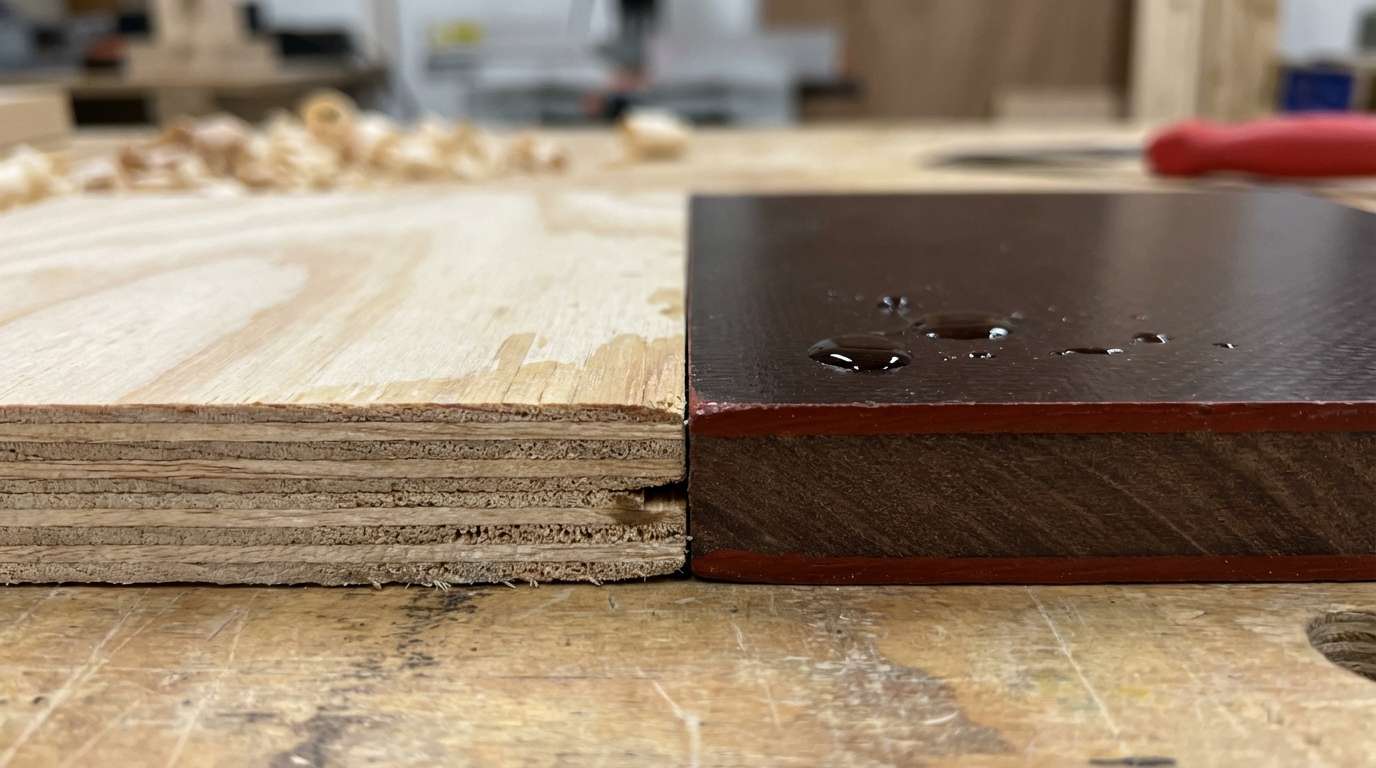
Shuttering plywood serves as a robust formwork material in construction, where fresh concrete is poured against it to shape slabs, beams, columns, and walls. Its defining feature is a high-pressure laminated phenolic film—typically dark brown or black—applied to both faces over a core of hardwood veneers bonded with phenolic or melamine glue. This film creates a non-stick, waterproof barrier that repels water, cement slurry, and alkalis from wet concrete, preventing swelling or warping during the curing process.
In practical Indian market terms, shuttering plywood starts with thick veneers (1.5–3mm per layer) from species like eucalyptus or poplar, cross-banded for strength to bear dead loads up to 1,000 kg per square meter. The film thickness, usually 120–220gsm, ensures easy concrete release after 24–48 hours, allowing reuse. Without this coating, regular plywood would absorb moisture, leading to delamination after one or two pours—common in humid Indian sites.
Thicknesses commonly available include 12mm, 15mm, 18mm, and 21mm, with 18mm being the workhorse for most RCC work. Edge sealing with epoxy or paint extends life by blocking moisture ingress at cut edges. In high-volume projects like metro constructions or apartment towers in Mumbai or Delhi, this reusability cuts formwork costs by 40–60% over single-use alternatives like steel plates or disposable timber.
Buyers often confuse it with waterproof plywood, but the film makes shuttering ply uniquely suited for temporary, high-abrasion exposure. Logical choice when formwork cycles exceed three uses, especially under monsoons where untreated ply fails rapidly. Always verify physical markings for boil-water resistance and film uniformity at the dealer yard—irregular coating signals poor lamination.
For Indian contractors juggling budgets, opting for mid-grade shuttering ply balances initial outlay with 15–20 reuses, far outperforming budget options that last only 5–8 cycles. This durability stems from the glue's cross-linking under heat and pressure, creating a monolithic panel resistant to layer separation.
Key Differences from Regular Plywood
Regular plywood, graded MR (moisture resistant) or BWR (boiling water resistant), suits dry interiors like furniture, cabinets, or partitions, relying on urea-formaldehyde glue and plain hardwood faces. Shuttering plywood, by contrast, upgrades to phenolic-formaldehyde glue and film overlay for wet, load-bearing construction demands. This shift explains why shuttering ply costs more but lasts in formwork scenarios where regular ply disintegrates.
Core construction differs: regular ply uses thinner veneers (1–1.5mm) for flexibility in carpentry, while shuttering employs thicker, denser plies for rigidity. Film coating adds 10–15% weight but imparts a smooth, glossy finish that regular ply lacks, ensuring blemish-free concrete surfaces. Screw-holding strength is superior in shuttering due to edge banding and glue type, vital for securing formwork braces.
In Indian use cases, regular plywood warps in coastal humidity or kitchen steam, but shuttering withstands direct concrete contact. Logical reasoning: phenolic glue hydrolyzes slower than urea types, preventing bond failure in alkaline environments (pH 12+ from cement). Regular ply faces scratch easily under tools; film resists abrasion from ties and hammers.
| Feature | Shuttering Plywood | Regular Plywood |
|---|---|---|
| Primary Use | Concrete formwork (10–25 reuses) | Furniture, interiors (single use) |
| Face Finish | Phenolic film (waterproof, non-stick) | Plain veneer (paintable) |
| Glue Type | Phenolic/Melamine (BWP grade) | Urea-Formaldehyde (MR/BWR) |
| Moisture Resistance | High (boiling water, alkali) | Medium (humidity, spills) |
| Typical Thickness | 12–21mm | 6–19mm |
| Load Bearing | Up to 1,000 kg/m² | Low (shelves, not structural) |
| Reuse Cycles | 15–25 in construction | Not reusable in wet areas |
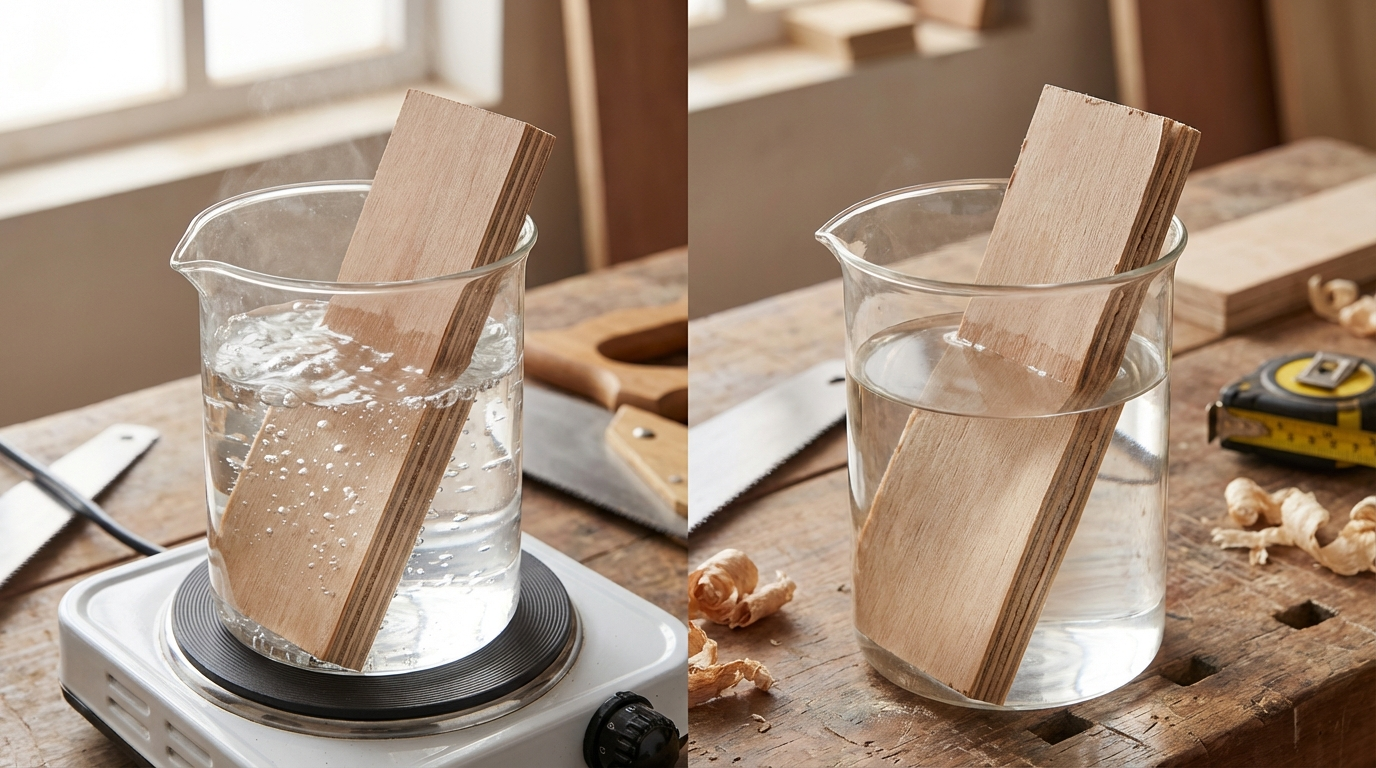
This table highlights why swapping regular for shuttering in formwork leads to failures like bulging slabs or leaks. In practice, test by wetting a sample: film-coated stays rigid, regular swells within hours. For hybrid needs like modular kitchens near construction sites, shuttering's toughness justifies premium, but overkill for dry wardrobes.
Shuttering Plywood Price in India
Shuttering plywood prices fluctuate based on thickness, brand tier (premium like Apple Ply vs. economy), core wood density, film quality, and regional logistics. For an 8x4 ft sheet, expect ₹800–₹1,500 for 12mm, ₹1,100–₹2,000 for 15mm, and ₹1,400–₹2,500 for 18mm in Tier-1 cities like Mumbai or Bangalore. Tier-2/3 markets shave 15–25% off due to lower transport and dealer margins—₹1,000–₹1,800 for 18mm is typical in Lucknow or Coimbatore.
Factors driving variance include glue grade (BWP vs. standard waterproof), veneer face (hardwood vs. softwood), and edge treatment. Premium films (220gsm) add ₹200–400 per sheet over basic 120gsm. GST at 18% plus freight from Gujarat or Kerala mills impacts final yard rates—monsoon delays can hike 5–10%. Bulk buys (50+ sheets) yield 8–12% discounts, crucial for mid-size contractors.
| Thickness | Tier-1 Cities (₹/sheet) | Tier-2/3 Cities (₹/sheet) | Key Price Drivers |
|---|---|---|---|
| 12mm | 900–1,500 | 800–1,200 | Light formwork, fewer reuses |
| 15mm | 1,200–1,900 | 1,100–1,600 | Balanced for beams/columns |
| 18mm | 1,400–2,500 | 1,200–1,900 | Standard for slabs, high demand |
| 21mm | 1,800–3,000 | 1,500–2,400 | Heavy RCC, premium cores |
Compare to regular 18mm MR plywood at ₹600–₹1,200: shuttering's 1.5–2x premium reflects 5–10x lifespan in wet cycles. Logical buy: calculate per-use cost—₹100/sheet after 15 reuses vs. ₹800 for disposables. Dealer negotiations hinge on volume and inspection; reject warped stacks or thin films to avoid site rejects. In 2026's inflating timber market, lock rates for projects spanning quarters.
Coastal buyers factor salt corrosion; inland opt for cheaper poplar cores. Always compute total formwork budget: shuttering saves labor on dismantling despite upfront hit.
Uses of Shuttering Plywood
Beyond basic concrete shuttering for slabs and walls, this plywood excels in high-cycle formwork like columns, beams, and staircases in multi-story buildings. Its smooth film yields superior finish on exposed concrete, reducing plaster needs by 20–30%—a boon for budget apartments in Pune or Hyderabad. Reusability shines in repetitive pours, such as metro pillars or bridge girders, where 20+ cycles amortize costs.
In Indian scenarios, contractors use it for precast molds, tank linings, and even temporary roofing during monsoons, leveraging waterproofing. For modular construction, cut panels form reusable jigs. Logical edge: heavy bracing holds against pour pressure without deflection, unlike regular ply that bows under load.
Not limited to mega-projects; small builders shutter single homes with 18mm sheets, stacking for storage. Film prevents cement adhesion, speeding strikes (demolding). In coastal Kerala, it resists saline spray; Delhi sites value dust resistance. Pair with steel channels for hybrid systems in seismic zones.
Failure cases abound without it: regular plywood in formwork swells, causing honeycombing or leaks—costly rework at ₹50,000+ per floor. Inspection tip: tap for hollow sounds (delam) pre-pour. For versatility, overlay with laminates post-use, but roughness limits furniture repurposing.
How to Choose Shuttering Plywood (Decision Framework)
Start with project scale: for 1–5 reuses, mid-tier suffices; 10+ demands premium film and BWP glue. Assess site conditions—monsoon-heavy? Prioritize 220gsm film and edge-sealed. Thickness matches span: 12mm for short walls, 18–21mm for slabs over 3m. Budget per-use: divide sheet price by cycles (aim <₹150/use).
Dealer selection: prefer mills in Gujarat/Kerala for fresh stock; check stack flatness, no white efflorescence (glue bleed). Core density test: heavy = better strength. Logical framework: match reuse target to film quality—thin films peel after 5 cycles.
- Verify markings: IS:303 or film specs stamped.
- Inspect film: uniform gloss, no bubbles/air pockets.
- Weigh sample: 40–50kg for 18mm indicates solid core.
- Test edges: sealed or paintable, no exposed plies.
- Negotiate bulk: 10% off for inspected lots.
- Ask carpenter: compatibility with ties/spacers.
When NOT to choose: dry interiors (use regular for screw-hold), decorative finishes (film too glossy/rough), or budgets under ₹1,000/18mm (risk early failure). In CNC-heavy workflows, opt non-film if machining grooves. Indian buyers err buying unbranded—factor warranty claims via dealer networks.
Why Shuttering Plywood Matters in India
India's construction boom—over 100,000 high-rises yearly—amplifies shuttering plywood's role amid monsoons delaying 30% of sites. Humid coastal belts like Chennai demand its alkali resistance; wet concrete pH erodes regular ply instantly. Logical: film blocks 95% moisture, preventing warp in 80% RH.
Dealer-driven markets favor it: yards stock 18mm standard, easing procurement vs. custom regular grades. GST uniformity simplifies bids. In Tier-2 cities, transport from mills adds ₹100–200/sheet, but reusability offsets for labor-short crews. Modular kitchens near sites repurpose scraps, cutting waste.
Another angle: carpenter constraints—CNC routing film dulls bits, so pre-cut at mills. Termite-prone South India pairs it with preservatives. Economically, it slashes formwork at 40% of total civil cost, vital for affordable housing. Failures like delam from cheap imports spike rework, eroding margins.
Common Mistakes to Avoid with Shuttering Plywood
Buyers overlook core moisture during storage: open yards let rain seep edges, halving reuses. Mistake: ignoring film scratches—hammer marks cause sticking, tearing on demold. Dealers push economy grades sans edge-seal; inspect visually for gaps.
Carpenter errors: over-tightening ties bows panels; space 30–40cm. Not cleaning slurry post-pour invites buildup, reducing cycles. Common buyer pitfall: matching regular ply thickness blindly—shuttering's density needs recalibrated bracing.
- Quick checks: drop-test flatness (no bounce), scratch film (resists nail), wet edge (no swell in 30min).
- Avoid: stacking unevenly (warps), reusing cracked panels (leaks).
- Dealer red flags: faded stamps, light weight, price <₹1,100/18mm.
In practice, monsoon-exposed sites see 50% failures from unsealed edges—paint proactively. Logical prevention: train crews on limits (max 1.5m pour height without props).
Trade-offs and Limitations of Shuttering Plywood
Durability trades higher cost and weight: 18mm weighs 45–55kg vs. 30kg regular, straining manual handling on small sites. Film excels in wet but mars screw-holding for permanent fixtures—pullout 20% weaker post-film. Finish is glossy-smooth for concrete but unpainted/rough for interiors, needing overlay.
Limitations: not termite-proof inherently (add treatment), peels under UV long-term outdoors. Cost vs. moisture: overkill for one-off pours where disposables save upfront. In hot-dry Rajasthan, glue may brittle faster sans humidity.
Edge cases: CNC incompatibility—film gums blades; cut pre-film. Trade-off logic: 2x price for 10x cycles in wet, but regular wins dry/light duty. Weight limits high-stacking; use props. Balanced view: hybrid with regular for non-form areas cuts budget 30%.
Frequently Asked Questions
Is shuttering plywood completely waterproof?
Shuttering plywood offers high water resistance due to the phenolic film and BWP glue, handling immersion and concrete curing without delaminating for 10–25 cycles. However, edges remain vulnerable unless sealed, and prolonged submersion beyond 72 hours can ingress moisture in lower grades. In Indian monsoons, it outperforms regular ply but requires epoxy edge paint for full-site exposure. Verify by checking stamp for boil-water test passes—practical for RCC but not eternal marine use.
How many times can shuttering plywood be reused?
Reuse depends on handling, cleaning, and grade: premium 18mm achieves 20–25 cycles in controlled sites, mid-tier 10–15, economy 5–8. Factors like slurry removal post-pour and brace avoidance extend life. Indian contractors average 12–18 in apartment projects; inspect for film wear or core checks between uses. Logical cap: stop at dents exceeding 5mm or swelling—beyond, risk pour failures like leaks.
What is the standard thickness for shuttering plywood?
18mm is the standard for most slab/column formwork in India, balancing strength (1,000kg/m² load) and manageability at 8x4ft. 12–15mm suits walls/beams, 21mm heavy spans. Naming varies: some call 17.5mm '18mm' due to caliper norms. Choose per deflection limits—thinner warps over 2m unsupported. Dealers stock 18mm most; verify actual gauge with caliper for compliance.
Can shuttering plywood be used for furniture?
Not recommended for furniture: film's glossy, non-porous surface resists paint adhesion and feels industrial, while roughness scratches easily post-abrasion. Screw-holding drops 15–20% vs. regular due to density. Repurpose clean sheets for shelves or workbenches after sanding, but for cabinets/kitchens, regular BWR offers better finish and lightness. Indian modular trends favor it only for utility like garage racks.
How does shuttering plywood price compare to regular plywood?
Shuttering costs 1.5–2.5x more: 18mm regular ₹600–1,200 vs. shuttering ₹1,200–2,500, justified by film/glue for wet durability. Per-use drops to ₹80–150 after 15 cycles vs. full cost for disposables. City tiers and bulk shift ranges; negotiate for hybrids. Logical for construction, overpriced for dry interiors where regular saves 40–50%.
What are signs of poor-quality shuttering plywood?
Poor quality shows as thin/irregular film (bubbles, patches), light weight (<40kg/18mm), hollow tap sounds (delam), or edge voids. White glue bleed signals urea not phenolic. Test: wet face overnight—no swell; scratch film—no peel. In India, avoid unbranded under ₹1,000/18mm—prone to 3-cycle failure. Dealer stacks often hide defects; flip inspect fully.
Does shuttering plywood need special storage?
Yes, store flat, elevated off ground, covered from rain/sun to prevent warp or UV film degradation. Vertical racking risks edge damage; max stack height 8 sheets unpropped. In humid depots, silica packs help. Indian yards often neglect, halving life—insist on covered sheds. Logical: mimics site dry-out for max reuses.
Is shuttering plywood suitable for coastal areas?
Highly suitable: film repels saline spray and high humidity better than regular, with phenolic glue resisting corrosion. Coastal projects like Goa resorts use 21mm for longevity. Add anti-termite treatment for South India. Trade-off: higher initial cost offset by fewer replacements in brackish air. Verify dense cores to counter salt ingress.
Disclaimer: This content is provided for general informational purposes based on industry practices and publicly available information. Product specifications, standards, prices, and availability may vary by manufacturer, region, and time. Readers should independently verify details with manufacturers, dealers, or qualified professionals before making purchase or construction decisions.
Want Plywood Suggestions?
Share a few details and a Apple Ply specialist will suggest suitable brands and connect you to responsive dealers.