Plywood Companies in India: Complete Manufacturer Directory
Complete directory of plywood companies and manufacturers in India. Find top plywood brands, their locations, products & contact details.
Quick Answer
Plywood companies in India range from large publicly-listed manufacturers with state-of-the-art facilities to regional players serving local markets. The organized plywood sector includes over 3,500 manufacturing units spread across production hubs in Gujarat, Haryana, Tamil Nadu, Assam, Kerala, and Uttar Pradesh. Major manufacturers operate integrated facilities producing plywood, blockboards, veneers, laminates, and MDF panels, while smaller units typically specialize in specific product categories or regional market requirements.
At a Glance:
- India has both organized sector brands (pan-India distribution) and unorganized regional manufacturers
- Key manufacturing hubs: Yamunanagar (Haryana), Gandhidham (Gujarat), Perumbavoor (Kerala), Tindivanam (Tamil Nadu)
- Product range typically includes BWR, BWP, marine grade, commercial grade, and specialty plywood
- Organized brands typically offer 5-25 year warranties depending on product grade
- Price variation between organized and unorganized sector can range 30-50%
- BIS certification (IS 710, IS 303) indicates quality compliance for moisture resistance
Understanding the Plywood Manufacturing Landscape in India
The Indian plywood industry operates through two distinct segments: the organized sector comprising branded manufacturers with standardized production and the unorganized sector consisting of smaller regional units. This dual structure significantly impacts product quality, pricing, and availability across different markets.
Organized Sector Characteristics
Organized plywood companies in India maintain centralized manufacturing facilities with automated production lines, quality control laboratories, and pan-India distribution networks. These manufacturers invest heavily in imported machinery from Taiwan, Germany, and Italy for processes like spindle peeling, hot pressing, and calibration sanding. The result is consistent thickness accuracy (typically within ±0.3mm tolerance) and reliable bonding performance.
Major organized players typically operate multiple manufacturing plants to serve different regional markets efficiently. For instance, manufacturers with facilities in Tamil Nadu can serve southern states with reduced logistics costs, while plants in Haryana or Uttar Pradesh cater to northern markets. This regional manufacturing presence affects final dealer prices by 8-15% depending on distance from the factory.
Unorganized Sector Realities
The unorganized segment accounts for an estimated 60-70% of India's total plywood production by volume. These units operate with lower capital investment, manual processes, and limited quality testing infrastructure. While pricing is typically 25-40% lower than branded products, consistency in thickness, bonding quality, and moisture resistance varies significantly between batches.
In Tier-2 and Tier-3 cities, unorganized sector plywood dominates due to price sensitivity and limited branded dealer presence. Carpenters in these markets often source from local traders who procure from multiple small manufacturers, making quality verification challenging for end consumers.
Major Plywood Manufacturers by Region
Understanding where plywood companies operate helps buyers assess availability, logistics costs, and regional market expertise. India's plywood manufacturing is concentrated in specific clusters that have developed based on raw material access, infrastructure, and historical industry growth.
Northern India Manufacturing Hub
Yamunanagar in Haryana represents India's largest plywood manufacturing cluster, hosting hundreds of units ranging from small workshops to large integrated factories. This region benefits from proximity to poplar cultivation areas in Punjab, Haryana, and Uttar Pradesh, making poplar-based commercial plywood a specialty. Brands operating significant facilities in this region include Greenply, Century, and several mid-tier manufacturers.
Rudrapur and Sitarganj in Uttarakhand have emerged as modern manufacturing centers with newer facilities featuring advanced technology. Companies like Archidply operate state-of-the-art plants in this region, benefiting from relatively lower land costs and good connectivity to northern markets.
Western India Operations
Gujarat, particularly the Gandhidham and Kandla port region, serves as both a manufacturing base and import hub. This strategic location facilitates timber imports from Myanmar, Malaysia, Indonesia, and African countries. Manufacturers in this region often specialize in hardwood face veneers and marine-grade plywood using imported core materials.
Southern India Facilities
Tamil Nadu has witnessed significant investment in modern plywood manufacturing, with facilities in Tindivanam and surrounding areas. Companies like Mikasa Ply (part of Greenlam Industries) operate large-scale plants here with 17+ acre campuses and annual capacities exceeding 18 million square meters. Kerala's Perumbavoor region remains a traditional plywood hub, particularly for rubber wood-based products.
Eastern India Presence
Assam and West Bengal host manufacturers specializing in plywood from locally available timber species. This region benefits from proximity to tea gardens and rubber plantations that provide raw materials. However, logistics challenges in transporting finished goods to other parts of India affect pricing competitiveness for pan-India distribution.
Comparison of Leading Plywood Companies in India
The following table provides a comparative overview of major plywood manufacturers based on market presence, product range, and operational scale. This information helps buyers understand the landscape when selecting suppliers or evaluating brand options.
| Company Name | Stock Exchange Listing | Key Manufacturing Locations | Primary Product Categories | Dealer Network Scale | Notable Certifications |
|---|---|---|---|---|---|
| Greenply Industries | BSE, NSE Listed | Multiple plants across India | Plywood, MDF, Doors, Veneers, Laminates | Pan-India, 5000+ dealers | ISI, CARB P2, FSC options |
| Century Plyboards | BSE, NSE Listed | Assam, Haryana, Tamil Nadu | Plywood, Laminates, Veneers, MDF, Particle Board | Pan-India, 4500+ dealers | ISI, PEFC options |
| Archidply Industries | BSE, NSE Listed | Rudrapur, Sitarganj (Uttarakhand) | Plywood, Laminates, Pre-laminates | 2000+ dealer network, 20 states | ISI, Low formaldehyde emission certified |
| Greenlam (Mikasa Ply) | BSE, NSE Listed (Parent) | Tindivanam (Tamil Nadu) | Plywood, Blockboard, Specialty panels | Focus on 7 southern/western states | ISI, Zero Liquid Discharge facility |
| Kitply Industries | BSE Listed | West Bengal, Northeast | Plywood, Blockboard, Flush Doors | Eastern and pan-India presence | ISI certified grades |
| National Plywood (Duro) | Unlisted | Haryana, UP | Plywood, Blockboard | North and West India focus | ISI certified products |
| Wigwam (Savitri Woods) | Unlisted | North India (Hoshiarpur origin) | Calibrated Plywood specialty | Expanding dealer network | Focus on calibration precision |
Product Categories Offered by Plywood Companies
Understanding what product types different manufacturers offer helps buyers identify suitable suppliers for specific project requirements. Major plywood companies typically diversify across multiple panel product categories to serve varied interior and exterior applications.
Core Plywood Grades
Most organized manufacturers produce the standard moisture resistance grades: MR (Moisture Resistant) for interior dry applications, BWR (Boiling Water Resistant) for humid areas and general furniture, and BWP/Marine grade for exterior or high-moisture exposure. The grade classification follows BIS standards IS 303 for MR plywood and IS 710 for BWR and BWP grades.
Specialty variants include fire-retardant plywood (important for commercial installations), termite-resistant treatments (essential for regions with high borer activity), and calibrated plywood (increasingly demanded for CNC-based modular furniture manufacturing). Companies like Wigwam have built their entire brand positioning around calibration precision, while established players offer calibrated options as premium variants within their product lines.
Complementary Panel Products
Large manufacturers typically extend beyond plywood into blockboards (better for long-span applications like door shutters), MDF panels (ideal for CNC routing and lacquer finishes), particle boards (budget-friendly for non-load applications), and flush doors. This diversification allows dealers to source complete project requirements from single suppliers, streamlining procurement.
Veneer and laminate divisions represent high-margin segments for major players. Greenply, Century, and Archidply all offer extensive veneer and laminate collections that complement their plywood ranges. For architects and interior designers, working with manufacturers offering complete surface solutions simplifies specification and coordination.
Low Emission and Health-Focused Products
Formaldehyde emission concerns have driven product development across major manufacturers. Archidply claims to have introduced low formaldehyde emission plywood in India as early as 2008, meeting Euro-1 standards before any Indian regulatory mandate. Greenply markets a "Zero Emission" range compliant with CARB P2 (California Air Resources Board Phase 2) standards, which represent among the strictest global emission limits.
For residential projects, particularly bedrooms and children's rooms, specifying low-emission products adds health value even though India currently lacks mandatory emission regulations comparable to European or Japanese standards.
How to Choose the Right Plywood Company
Selecting a plywood manufacturer or brand requires evaluating multiple factors beyond just price. The decision impacts furniture durability, warranty recourse, and long-term satisfaction with interior investments.
Decision Criteria Checklist
- Local Dealer Availability: Verify authorized dealer presence in your city—direct dealer access matters for warranty claims and consistent supply
- Grade Range Suitability: Ensure the brand offers appropriate grades for your application (kitchen, bathroom, bedroom, exterior)
- Carpenter Familiarity: Check if local carpenters have experience working with the brand—this affects finishing quality and honest feedback
- Warranty Terms: Compare warranty duration, exclusions, and claim process reputation from local dealers
- Price-to-Quality Balance: Premium brands may offer better value for visible furniture; budget options may suffice for concealed structural use
- Certification Verification: Look for ISI marks and verify the specific standard (IS 303, IS 710) matches your requirement
- Consistency Track Record: Ask contractors and dealers about batch-to-batch quality consistency—important for large projects
When NOT to Choose Based on Brand Alone
Brand reputation alone does not guarantee suitable performance for every application. Marine-grade plywood from a reputed brand still requires proper surface treatment for true exterior exposure. Similarly, a premium brand's commercial MR grade plywood will fail in bathroom applications regardless of the brand name.
Regional availability gaps also matter. A nationally reputed brand with weak dealer presence in your city means limited warranty support and potentially older inventory. In such cases, a regional brand with strong local dealer commitment may deliver better overall value and service experience.
Common Mistakes When Selecting Plywood Manufacturers
Buyers frequently make errors during the manufacturer selection process that lead to unsuitable products or poor value realization. Awareness of these patterns helps avoid costly mistakes.
Mistake 1: Prioritizing Lowest Quote Over Value
Requesting quotes from multiple manufacturers without standardizing grade specifications leads to meaningless comparisons. A quote for "18mm plywood" without specifying BWR vs MR grade, core construction type, and face veneer quality compares incomparable products. Always request quotes with complete specifications including BIS standard compliance.
Mistake 2: Ignoring Dealer Reputation
Even excellent manufacturers deliver products through dealers, and dealer practices vary significantly. Some dealers substitute grades, supply older stock, or provide minimal after-sales support. Research dealer reputation independently from brand reputation—ask local contractors about specific dealer experiences.
Mistake 3: Overlooking Transport and Logistics Costs
Manufacturer location affects landed cost significantly. Ordering from a distant manufacturer may appear cheaper per sheet but total cost including transport, GST on freight, and handling can exceed sourcing from a closer alternative. Request landed cost quotes for accurate comparison.
Mistake 4: Assuming All Products Match Marketing Claims
Marketing materials highlight best-case performance and flagship products. Verify that the specific SKU being purchased carries the certifications and performance claims mentioned in brand literature. ISI marks on premium grades do not automatically apply to economy grades from the same manufacturer.
Quick Inspection Checks
- Verify BIS/ISI marking is printed on each sheet (not just the top sheet in a bundle)
- Check manufacturing date stamp—avoid stock older than 6-8 months
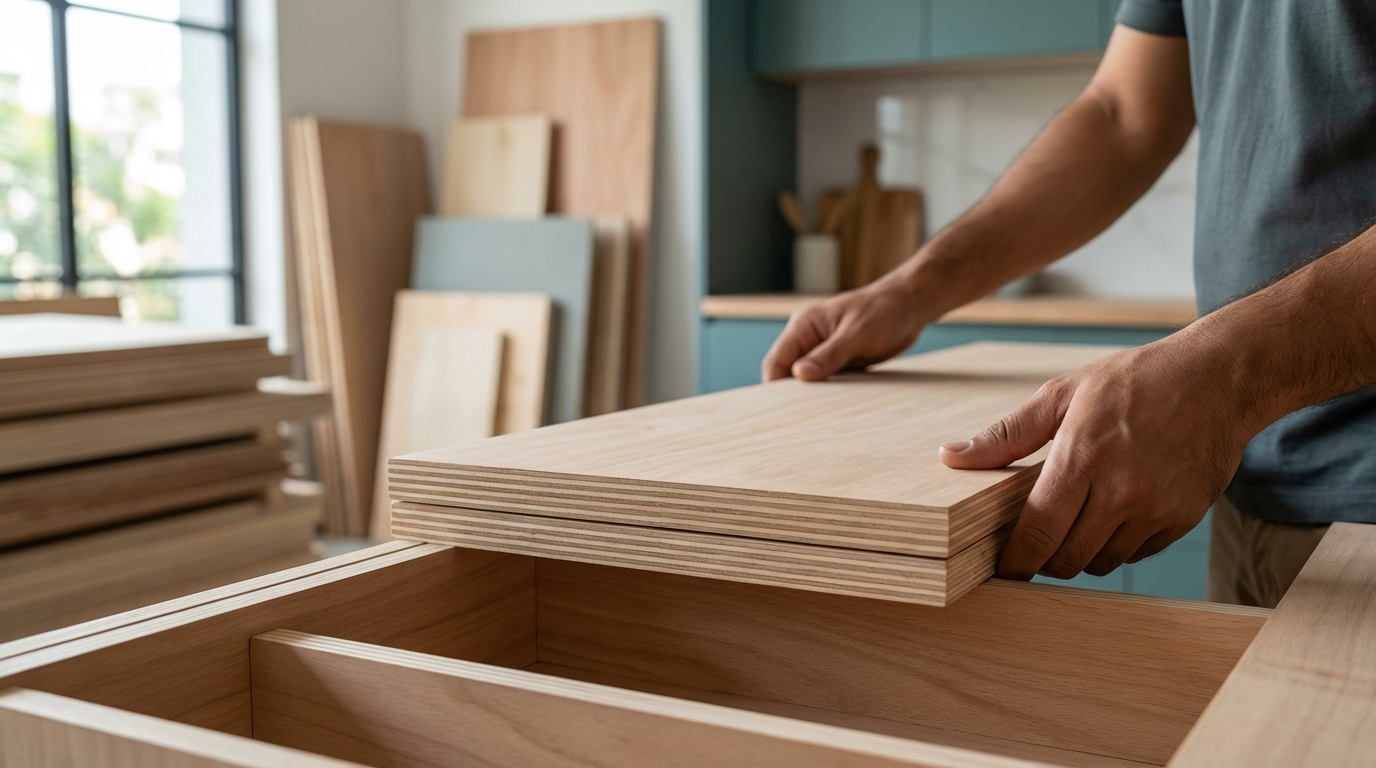
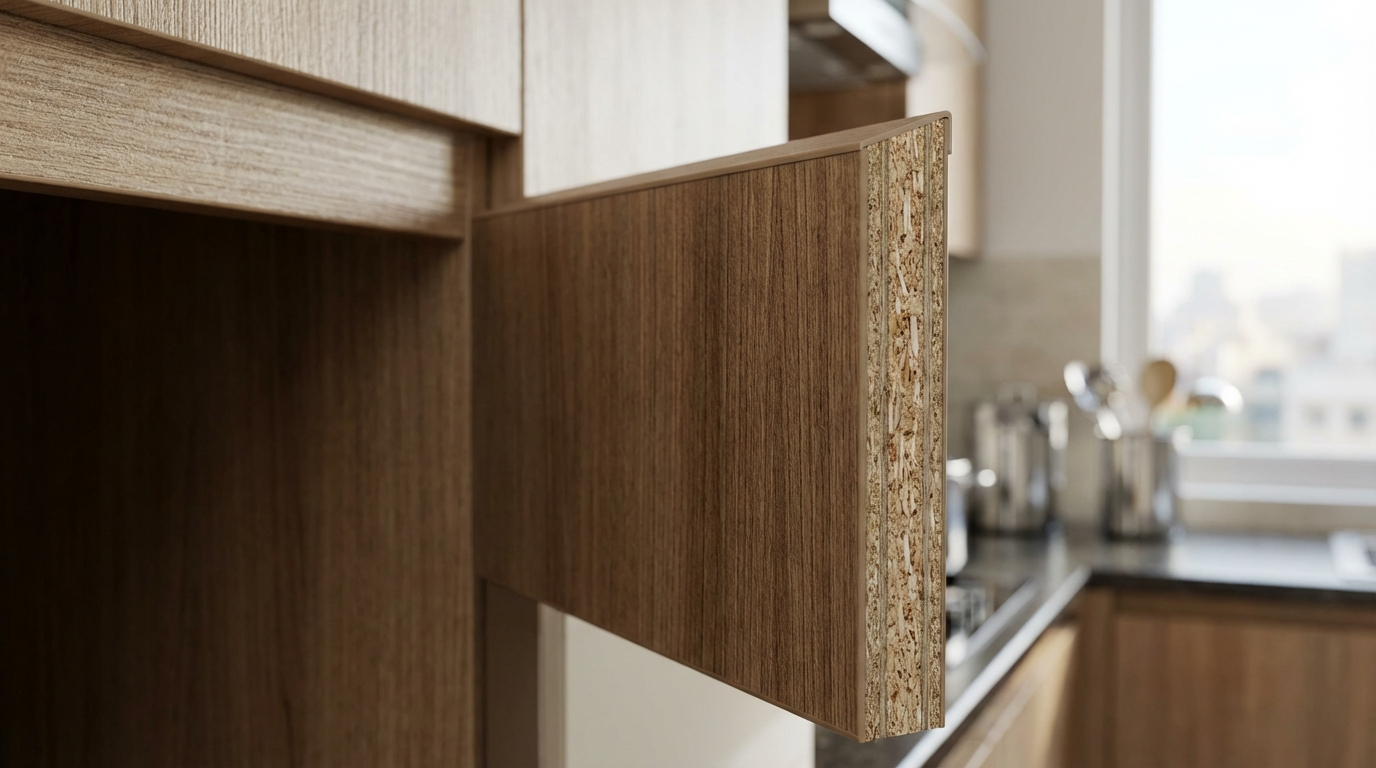
- Inspect edge layers for gaps between core veneers (indicates poor pressing)
- Measure actual thickness at multiple points—reject if variation exceeds 0.5mm
- Look for face veneer patches and repairs—excessive patching indicates lower grade
Price Guide for Plywood from Different Company Tiers
Plywood pricing in India varies significantly based on manufacturer tier, grade, thickness, and regional market dynamics. The following ranges provide general guidance assuming standard 8×4 feet sheet dimensions.
| Company Tier | Commercial MR (₹/sq ft) | BWR Grade (₹/sq ft) | Marine BWP (₹/sq ft) | Calibrated Premium (₹/sq ft) |
|---|---|---|---|---|
| Premium National Brands | ₹55-75 | ₹75-100 | ₹100-140 | ₹95-130 |
| Mid-Tier Organized Brands | ₹45-60 | ₹60-80 | ₹85-110 | ₹80-105 |
| Regional Organized Brands | ₹38-52 | ₹52-70 | ₹75-95 | ₹70-90 |
| Unorganized Sector | ₹28-42 | ₹42-58 | ₹55-75 | Rarely available |
Note: Prices assume 18-19mm thickness, Metro/Tier-1 city dealer rates, and standard poplar or mixed hardwood core. Actual prices vary by ±15-20% based on location, order volume, and current market conditions.
What Drives Price Differences
Core veneer quality represents the largest cost component—manufacturers using premium hardwood cores versus mixed softwood command higher prices. Face veneer species and grade (decorative hardwood faces vs commercial gurjan) adds another 15-25% variance. Adhesive quality for moisture resistance and automation level in manufacturing both affect production costs passed through pricing.
Distribution efficiency also matters. Manufacturers with local warehouses and efficient dealer networks maintain competitive pricing in those regions. Ordering from distant manufacturers adds transport costs typically ranging ₹5-12 per square foot depending on distance and order quantity.
Frequently Asked Questions
Which is the number one plywood company in India?
Determining India's top plywood company depends on measurement criteria—by market capitalization and revenue, Greenply Industries and Century Plyboards typically lead the organized sector. By production volume, the fragmented unorganized sector collectively produces more than any single brand. For most buyers, the "best" company is one with strong local dealer presence, appropriate product grades for their application, and positive contractor feedback in their specific city. National rankings matter less than local service quality and product availability.
What is the difference between BWR and BWP grade plywood?
BWR (Boiling Water Resistant) plywood meets IS 303 standards and withstands humid conditions, making it suitable for kitchens, bathrooms, and general furniture in humid climates. BWP (Boiling Water Proof) grade, also called marine grade, meets stricter IS 710 standards with phenolic resin bonding that survives prolonged water immersion and exterior exposure. BWP costs 25-40% more than BWR and is essential for outdoor applications, boat building, or areas with direct water contact. For typical interior furniture in humid areas, BWR provides adequate protection at better value.
How do I verify if plywood is genuinely ISI marked?
Genuine ISI certification includes the ISI mark printed on each sheet along with the license number (starting with CM/L), the specific IS standard number (IS 303 or IS 710), and manufacturing date. Verify by checking that markings appear consistently across sheets in a bundle rather than only on top sheets. Cross-verify license numbers on the BIS website if suspicious. Also check for additional manufacturer markings, grade identification, and thickness stamps that reputable manufacturers include alongside ISI marks.
Is Century Plyboards better than Greenply?
Both Century and Greenply rank among India's top organized plywood manufacturers with comparable quality standards, certification levels, and product ranges. Performance differences appear more at specific grade and application levels than between brands overall. In practical terms, the "better" choice depends on local dealer strength, specific product availability, pricing in your region, and contractor familiarity. Both brands offer extensive warranties and quality products—selection should prioritize local service quality over brand-level comparisons. Request specific grade samples and compare physically rather than relying on brand assumptions.
What plywood thickness is best for kitchen cabinets?
Kitchen cabinets typically require 18-19mm thickness for carcass construction (box structure) and 12mm for back panels and shelving. Always specify BWR grade minimum for kitchen applications due to humidity, steam, and occasional water exposure. Some contractors prefer 16mm for shelving as a cost-optimization measure, but 18mm provides better screw holding and durability for frequently used cabinet doors. For modular kitchens with CNC-cut components, specify calibrated plywood to ensure accurate fitting of hardware and panels.
Which plywood is termite resistant?
Termite resistance in plywood comes from chemical treatment during manufacturing rather than inherent wood properties. Most organized manufacturers offer termite-treated variants across their grade ranges—typically marketed as "Borer and Termite" resistant or with specific brand names. The treatment involves impregnating core veneers with preservative chemicals before pressing. For areas with high termite activity (common across most of India except high-altitude regions), specifying termite-treated plywood adds 8-15% to cost but provides essential protection for long-term durability.
How many years warranty do plywood companies offer?
Warranty periods from organized manufacturers typically range from 5 years for commercial MR grade to 15-25 years for premium marine and specialty grades. However, warranty terms include significant exclusions—improper installation, water damage beyond specified exposure, termite attack (unless termite-treated grade purchased), and structural failure due to overloading. Warranty claims require original purchase invoices, so always retain bills. In practical terms, warranty recovery requires dealer cooperation, making dealer relationship quality more important than warranty duration for claim resolution.
What is the price range for 18mm plywood per square foot?
Pricing for 18mm plywood ranges from approximately ₹28-35 per square foot for unorganized sector commercial grade to ₹100-140 per square foot for premium brand marine grade with specialty features. The most commonly purchased mid-range BWR grade from organized brands typically falls in the ₹60-85 per square foot range in Metro cities. Factors affecting price include moisture resistance grade, core wood species, face veneer quality, brand tier, and local market conditions. Always compare landed costs including delivery charges rather than base sheet prices for accurate budgeting.
Disclaimer: This content is provided for general informational purposes based on industry practices and publicly available information. Product specifications, standards, prices, and availability may vary by manufacturer, region, and time. Readers should independently verify details with manufacturers, dealers, or qualified professionals before making purchase or construction decisions.Want Plywood Suggestions?
Share a few details and a Apple Ply specialist will suggest suitable brands and connect you to responsive dealers.