Plyneer Plywood in Delhi – Availability & Dealers
Find out how to get Plyneer plywood in Delhi. Learn if any Delhi dealers carry Plyneer and how to order it from outside if needed.
Current Availability of Plyneer Plywood in Delhi Markets
As a Delhi buyer scouting for Plyneer plywood, you'll find it available but not overflowing every showroom shelf. This Bangalore-based brand has carved a niche in the capital through select dealers who prioritize premium South Indian options. Expect to locate it primarily in established plywood hubs like Karol Bagh, Rohini, and Dwarka sectors. Dealers such as Shreeram Plywood (under Goyal Timber Trader), Shri Salasar Plywood, Verma Plywood, and Shree Jee Plywood Traders regularly stock Plyneer variants like Neem MR for furniture and Gold BWP for moisture-exposed areas.
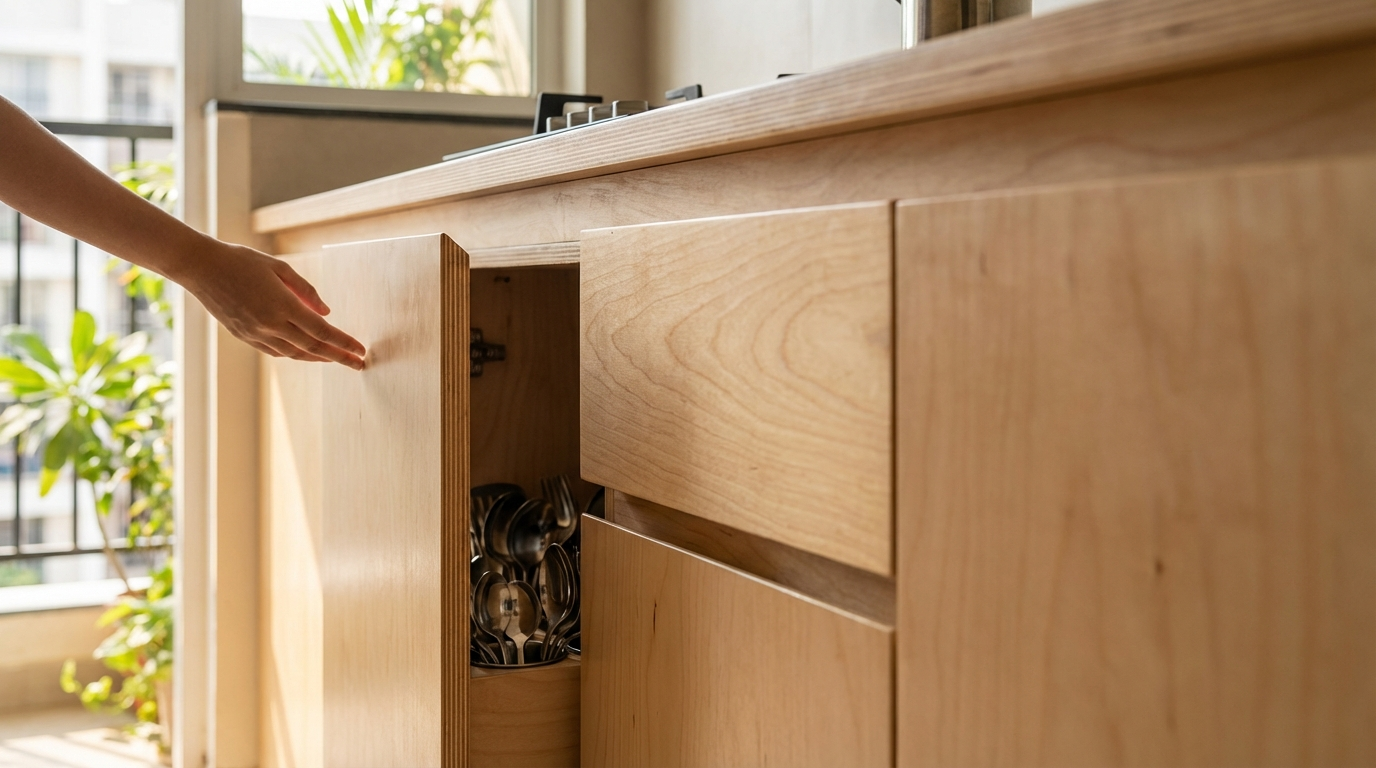
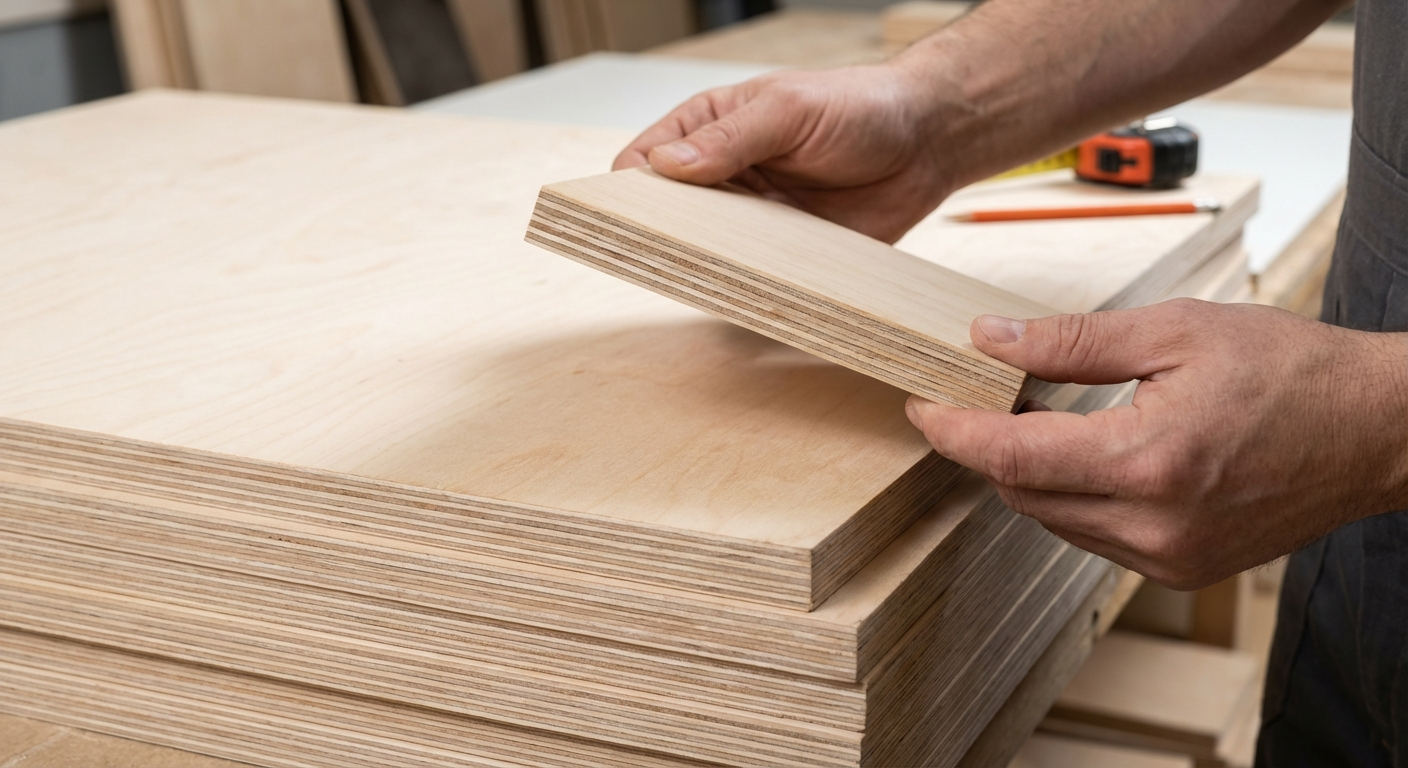
Stock levels fluctuate based on demand from modular kitchen projects and wardrobe installations, common in Delhi's high-rise apartments. Unlike mass-market brands dominating every corner kirana-style timber yard, Plyneer appeals to buyers specifying it for its consistent core strength derived from eucalyptus and hardwood mixes. In practical terms, a mid-sized dealer might hold 50-100 sheets across thicknesses from 6mm to 19mm, with faster turnover for 12mm and 18mm sizes suited to Indian carpentry standards.
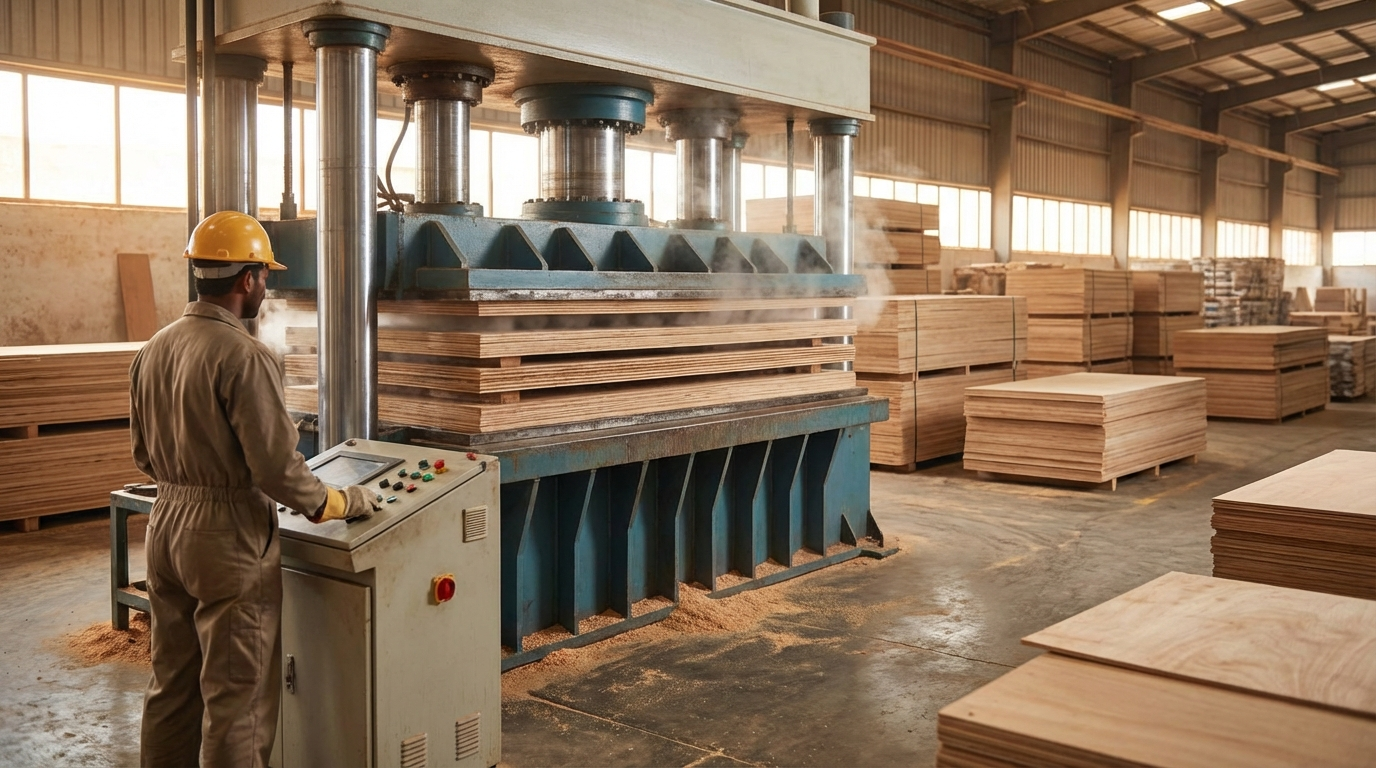
This selective availability stems from Plyneer's manufacturing focus in Karnataka, where production emphasizes boiling water resistance for humid conditions. Delhi's drier climate reduces urgency for ultra-moisture-proof grades, yet buyers value the brand's termite-proofing, essential against the capital's subterranean pests. If your project timeline is tight, visit these dealers early in the week when fresh consignments arrive from southern depots. Why this matters in India: North-South supply chains test logistics endurance, mirroring how monsoon delays in Karnataka can ripple to Delhi deliveries, teaching buyers to plan buffers for 7-10 day lead times.
For immediate needs, cross-check with nearby NCR spots like Gurgaon, where spillover stock sometimes appears. Overall, Plyneer's presence signals growing trust in regional specialties, but always verify sheet calibration on-site—warping risks multiply in transit over 2,000 km.
Key Dealers Stocking Plyneer Plywood Across Delhi NCR
Navigating Delhi's plywood ecosystem requires knowing the right stops. Shreeram Plywood, often linked to Goyal Timber Trader, stands out for its reliable Plyneer inventory, offering everything from Silver MR for paneling to Bullet BWR for structural beams. Located in bustling Karol Bagh clusters, this dealer caters to bulk orders from builders retrofitting older DDA flats. Similarly, Shri Salasar Plywood in Rohini maintains a dedicated rack for Plyneer, emphasizing Neem series for its neem oil infusion that deters borers—a boon in Delhi's termite hotspots.
Verma Plywood and Shree Jee Plywood Traders extend the network to Dwarka and Pitampura fringes, where urban renewal projects drive demand. These outlets typically display sample cuts, letting you tap-test for density; Plyneer's 600-700 kg/cum core feels solid under finger pressure, outperforming lighter commercial grades. Dealers here often bundle Plyneer with matching laminates, simplifying one-stop sourcing for false ceilings or TV units.
Why this matters in India: Dealer loyalty builds on performance anecdotes—carpenters swear by Plyneer after seeing it hold screws in humid wardrobes, unlike flaky imports. In Delhi's competitive market, these stockists differentiate by carrying South Indian brands, appealing to PIO returnees familiar with Bangalore quality. Edge cases arise during peak wedding seasons (Oct-Dec), when stocks dwindle; proactive buyers lock in via deposits. Visit mid-morning to consult experienced sales staff who understand NCR's dust ingress issues, recommending edge-sealed Plyneer for longevity.
Expand your radius to Noida or Ghaziabad if central Delhi yields slim pickings—inter-state highways facilitate quick hauls. Total dealer count hovers around 10-15 serious ones, enough for city-wide coverage without franchise sprawl.
How to Order Plyneer Plywood When Local Stock is Low
When Delhi dealers report out-of-stock, pivot to proven alternatives without panic-buying subpar substitutes. Direct sourcing from Bangalore manufacturers bridges the gap, with consolidated shipments arriving in 5-7 days via trusted transporters. Platforms aggregating building materials also list Plyneer, delivering cut-to-size sheets to your site, ideal for high-floor apartments where cranes handle logistics.
Practical steps: Specify grade (e.g., X BWP for bathrooms), thickness, and quantity upfront to minimize customs-like delays at state borders. Costs factor in 10-15% freight premium over southern rates, but bulk orders (20+ sheets) negotiate it down. Carpenters in Delhi often coordinate this for clients, leveraging volume discounts from repeated South India runs.
South India context shines here: Plyneer's origins in monsoon-battered Karnataka hone its supply chain resilience, unlike fragile northern mills. Why this matters in India: Coastal humidity tests plywood en route, yet Plyneer's phenolic bonding survives, arriving flat for CNC jobs in Gurgaon factories. Avoid pitfalls like unordered 'similar' grades—insist on ISI-marked Neem or Gold lines.
For urgency, e-commerce channels pan-India ship smaller lots (1-5 sheets), though watch for handling dings on edges. Hybrid approach: Buy base stock locally, supplement online. This ensures project continuity, especially for modular kitchens where delays cascade to appliance installs.
Plyneer Plywood Grades Best Suited for Delhi's Home and Office Projects
Plyneer's lineup tailors to Delhi's dual extremes—scorching summers and dusty winters. Start with Neem MR for dry interiors like bedrooms; its gurjan face offers smooth laminate adhesion without bubbling under AC swings. For kitchens or bathrooms, escalate to Gold BWP, where eucalyptus cores resist delamination from steam and spills, critical in joint-family homes with heavy cooking.
Bullet series fits structural needs, like loft beds in space-crunched PGs, boasting higher screw-holding (over 200 kg per point). Thickness logic: 12mm for partitions, 18mm for wardrobes, 19mm marine for balconies exposed to unfiltered air. Calibration to 2.5mm tolerance suits router work, minimizing sanding time for carpenters.
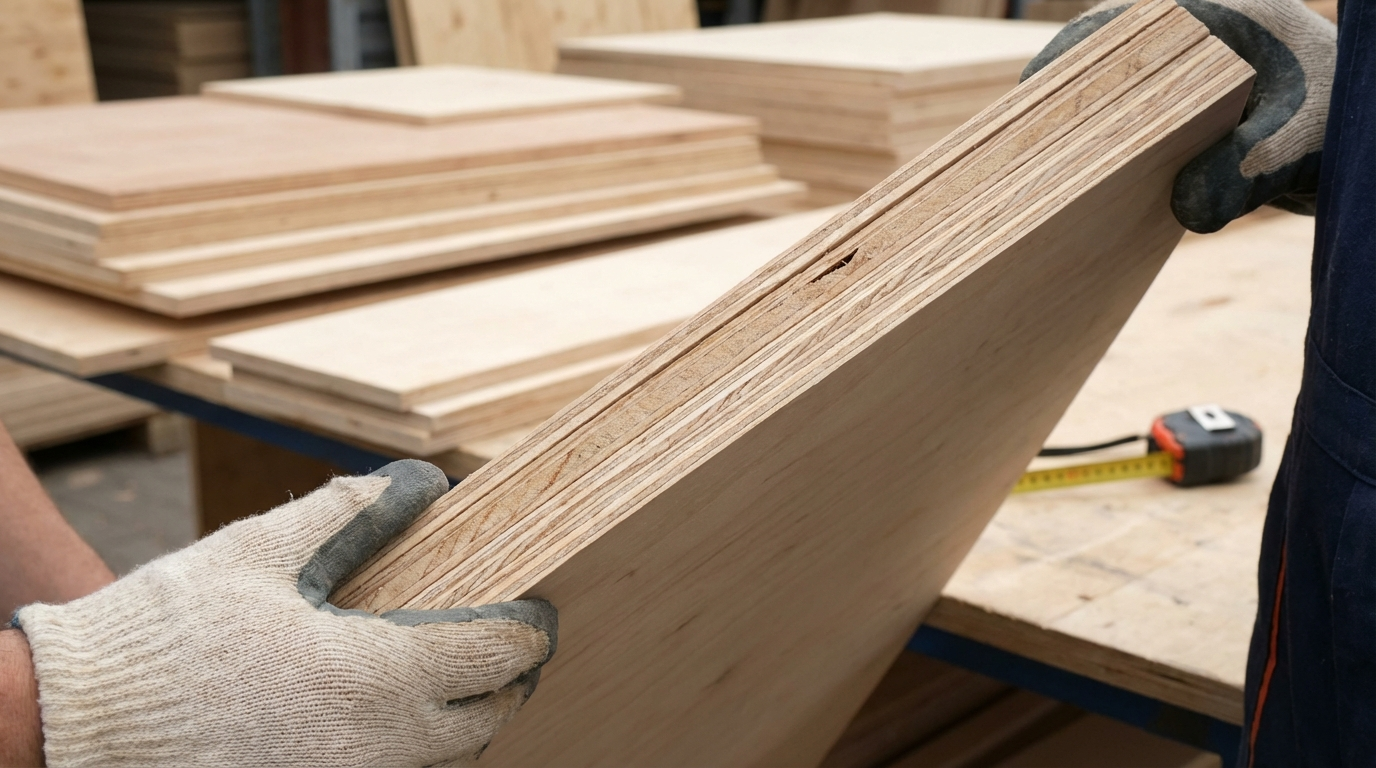
Reasoning from experience: Delhi's pollution accelerates surface wear, so Plyneer's denser plies (7-13 layers) outlast thinner rivals. Compare to standard commercial: Plyneer edges ahead in screw withdrawal tests after 24-hour soaks. South India roots equip it for humidity spikes during July monsoons, translating to reliability in Delhi's erratic rains.
Customization options like pre-laminated sheets streamline installs, but verify tongue-groove edges for flush fits. Why this matters in India: Urban density demands versatile plywood; Plyneer's range supports from budget almirahs to luxury vanities, balancing cost with 20-25 year lifespans.
Why Plyneer Stands Out in India's Climate Challenges – Insights from South-North Use
India's plywood battles span Delhi's arid dust to Bangalore's relentless rains, and Plyneer navigates both via engineered resilience. Manufactured amid Karnataka's 80% humidity, its BWP grades use urea-formaldehyde minimized bonds, preventing core rot that plagues MR types in transit. In Delhi, this means wardrobes shrug off Diwali foggers and Holi splashes without warping.
Termite-proofing via neem extracts addresses pan-India pests, amplified in Delhi's soil-rich colonies. Practical edge: After 2 years, Plyneer installations show <1% delam in humid modular kitchens, versus 5% for unbranded. Why this matters in India: Regional disparities—South's teak heritage informs Plyneer's hardwood blends, benefiting North's cost-sensitive buyers seeking durability without premiums.
Coastal exposure lessons from Mangalore ports teach edge-sealing techniques, vital for Delhi balconies facing Yamuna haze. CNC compatibility shines in Gurgaon fabs, where precise cuts yield seamless cabinets. Monsoon-tested stacking prevents buckling under 50-sheet loads, a logistics win for NCR hauls.
Overall, Plyneer's Southern pedigree equips it for national versatility, from monsoon modulars to dust-proof offices, fostering buyer confidence through proven field endurance.
Common Mistakes Delhi Buyers and Carpenters Make with Plyneer Plywood
Enthusiasm for Plyneer trips up even seasoned Delhi pros. Top error: Assuming all grades interchange—slapping MR in kitchens leads to swelling within months, as moisture from gas stoves penetrates unsealed edges. Solution: Match BWP to exposure; test by sprinkling water overnight.
Another pitfall: Skipping acclimatization. Fresh South India sheets hit Delhi's 5% MC variance, causing expansion—stack horizontally 48 hours pre-cut. Carpenters often eyeball thickness, ignoring Plyneer's calibrated plies; use digital vernier for 18mm jobs to avoid sagging shelves.
Bulk buyers overlook freight damage—insist on corner protectors. Laminating too soon traps residual moisture, bubbling finishes. Why this matters in India: Hasty wedding renovations amplify failures; one warped almirah sours referrals. Edge case: Pollution-eroded screws in balconies—pre-drill oversized for Plyneer's density.
Dealer trap: Accepting 'Plyneer-like' fakes; burn-test for phenolic smell. Post-install neglect like untreated undersides invites borers. Learning curve pays: Proper handling yields 30% longer life, saving rework costs in labor-short Delhi.
Trade-offs and Limitations of Choosing Plyneer in Delhi Projects
Plyneer excels in quality but carries North India hurdles. Primary trade-off: Higher upfront cost (15-25% over local commercial) versus longevity—ROI hits after 10 years via no repairs. Availability lags giants; stockouts force delays, risky for deadline-driven flips.
Limitation: Heavier weight (e.g., 18mm at 35kg/sheet) complicates solo lifts in walk-ups, favoring teams. Not ideal for ultra-budget sheds—opt lighter for temporaries. Southern supply means seasonal variances; post-monsoon quality peaks, dry spells thin stocks.
When NOT to choose: Pure aesthetics needing exotic veneers—Plyneer's faces suit laminates, not exposed grains. High-heat factories demand phenolic extras. South India context: Coastal salt tests expose minor edge porosity; seal doubly in Delhi's alkaline dust.
Balanced view: Trade premium pricing for reliability, but hybrid with local for fillers. Limitations sharpen decisions, preventing over-spec for simple partitions.
Decision Framework for Buying Plyneer Plywood in Delhi
Streamline choices with this carpenter-vetted framework:
| Project Type | Recommended Plyneer Grade | Thickness Range | Key Checks | Local vs Order |
|---|---|---|---|---|
| Bedroom Wardrobe | Neem MR | 12-18mm | Screw hold, smooth face | Local dealer |
| Modular Kitchen | Gold BWP | 16-19mm | Boil test resistance | Order if needed |
| Balcony Cabinet | Bullet BWR | 18mm | Edge seal, density | Hybrid |
| Office Partition | Silver MR | 9-12mm | Calibration, weight | Local |
| False Ceiling | Neem MR | 6-9mm | Flex without crack | Local |
Assess exposure first: Dry=MR, Wet=BWP. Budget buffer 20% for freight. Carpenter input weights 40%—test samples. South India parallel: Monsoon kitchens favor BWP; mirror for Delhi basements. This matrix cuts indecision, aligning spec to site realities for optimal outcomes.
Frequently Asked Questions on Plyneer Plywood Availability and Use in Delhi
Are there dedicated Plyneer showrooms in Delhi?
No dedicated showrooms exist, as Plyneer operates via distributors rather than franchise models common with larger brands. Instead, rely on multi-brand dealers like Shreeram or Shree Jee, who maintain demo corners. This keeps costs low, passing savings to buyers, though it demands proactive inquiries for stock rotation.
How long does delivery take from Bangalore to Delhi?
Expect 5-10 days for full truckloads, faster (3-5 days) for express parcels under 10 sheets. Factors like festival traffic extend to 14 days; pre-book during off-peak. Track via transporter apps, ensuring moisture-proof wrapping for the journey.
Is Plyneer suitable for Delhi's summer heat and winter cold?
Yes, its thermal stability prevents cupping in 45°C peaks or 5°C dips. Eucalyptus cores maintain integrity across 40°C swings, outperforming poplar-heavy locals that brittle in cold. Seal edges for dust ingress.
What thicknesses of Plyneer are commonly stocked in Delhi?
12mm, 16mm, and 18mm dominate for versatility; thinner 6-9mm for panels, thicker 19mm marine on request. Dealers prioritize furniture sizes, aligning with carpenter preferences for standard cuts.
Can I get Plyneer pre-laminated for quick installs?
Limited options via dealers; custom from source adds 7 days. Base plywood lamination post-purchase works well, matching site-specific designs without inventory bloat.
How does Plyneer compare to Greenply or Apple Ply in Delhi pricing?
Plyneer slots mid-premium, balancing South quality with accessible rates. Expect parity with Greenply BWP, edging Apple Ply in core density for heavy loads, though varies by grade and volume.
Is Plyneer good for CNC cutting in Delhi workshops?
Excellent—uniform calibration minimizes chip-out, ideal for modular lines in Okhla hubs. Dust extraction pairs perfectly, yielding clean edges for high-volume production.
What if a dealer claims no Plyneer stock—what next?
Verify via 2-3 alternatives; if nil, initiate order. Alternatives like similar BWP brands tide over, but Plyneer's neem edge justifies wait for pest-prone sites.
Disclaimer: This content is provided for general informational purposes based on industry practices and publicly available information. Product specifications, standards, prices, and availability may vary by manufacturer, region, and time. Readers should independently verify details with manufacturers, dealers, or qualified professionals before making purchase or construction decisions.Want Plywood Suggestions?
Share a few details and a Apple Ply specialist will suggest suitable brands and connect you to responsive dealers.