Apple Plywood Price List 2026: Complete Product Catalog
Official Apple Plywood price list for 2026. Find prices for all thicknesses - 6mm, 12mm, 19mm & more. Get dealer contact & bulk order discounts.
Quick Answer
Apple Plywood prices in India for 2026 typically range from ₹45 to ₹145 per square foot depending on thickness, grade, and dealer location. The brand offers commercial, waterproof (BWP), and fire-retardant grades across standard thicknesses from 6mm to 19mm, with pricing structured based on core quality and face veneer specifications.
At a Glance
- 6mm commercial grade starts around ₹45–55 per sq ft in metro dealers
- 19mm BWP/marine grade ranges from ₹95–145 per sq ft depending on face veneer
- Bulk orders (50+ sheets) typically attract 8–12% dealer discounts
- Metro cities generally price 5–10% higher than Tier-2 markets due to logistics
- GST at 18% applies on all plywood purchases
- Price lists vary between authorized dealers—always verify current rates
Apple Plywood Price List 2026 Explained
Understanding Apple Plywood pricing requires familiarity with how plywood is categorized and sold in the Indian market. Unlike commoditized products with fixed MRPs, plywood pricing operates on a dealer-driven model where manufacturers suggest base prices, but final rates depend on regional distribution costs, dealer margins, and prevailing timber availability.
Apple Plywood positions itself in the mid-premium segment of the Indian market, competing with established brands like Greenply, Century, and Kitply. The brand manufactures across multiple grades—MR (Moisture Resistant), BWR (Boiling Water Resistant), BWP (Boiling Water Proof), and specialized fire-retardant variants. Each grade commands different pricing based on the adhesive technology used and the core construction quality.
What Determines Apple Plywood Prices?
Four primary factors influence Apple Plywood pricing at the dealer level. First, the adhesive grade—MR-grade plywood uses urea-formaldehyde adhesives suitable for dry interiors, while BWP-grade uses phenolic adhesives that resist prolonged water exposure, commanding a 25–40% premium. Second, core construction matters significantly; hardwood cores like gurjan or poplar cost more than softwood or mixed cores commonly seen in economy variants.
Third, face veneer quality impacts pricing visibly. A-grade veneers with minimal patches and uniform grain cost more than B or C-grade faces with visible repairs. Finally, thickness directly correlates with material usage—a 19mm sheet uses roughly three times the material of a 6mm sheet, though pricing doesn't scale linearly due to fixed manufacturing overheads.
In the Indian context, regional timber availability also affects base prices. Dealers in Gujarat or Rajasthan may pay slightly more for hardwood-core variants than dealers in Assam or Myanmar border regions where raw material sourcing costs differ.
Apple Plywood Product Categories and Grades
Apple Plywood organizes its product range into distinct categories designed for specific applications. Understanding these categories helps buyers match their requirements to appropriate price points without overspending on unnecessary specifications.
Commercial Grade (MR)
The entry-level MR-grade range suits interior applications in dry environments—bedroom wardrobes, study tables, partition panels, and ceiling work. These sheets use moisture-resistant adhesive that handles normal humidity but isn't designed for direct water contact. Commercial grade represents the most affordable Apple Plywood option, making it popular for budget-conscious residential projects where water exposure is minimal.
Waterproof Grade (BWR/BWP)
BWR and BWP grades constitute Apple Plywood's mid-to-premium offerings, specifically engineered for kitchens, bathrooms, and high-humidity environments. BWR handles intermittent water splash and humidity cycles typical in Indian kitchens, while BWP withstands prolonged moisture exposure—making it suitable for bathroom vanities, external-facing cabinets, and areas prone to water accumulation. The phenolic resin adhesive in these grades prevents delamination even under sustained moisture stress.
Fire-Retardant and Specialty Grades
Apple Plywood's specialty range includes fire-retardant variants treated to slow flame spread—commonly specified in commercial installations, hospitals, and hospitality projects where fire safety codes apply. These specialized sheets command premium pricing, typically 40–60% above equivalent BWP grades, and require specific ISI certification verification.
Complete Apple Plywood Price List 2026
The following price ranges represent typical dealer rates across Indian markets. Actual prices vary based on location, order quantity, and prevailing market conditions. These figures assume standard 8×4 feet sheet sizes and include manufacturer pricing before dealer margins.
| Thickness | Commercial (MR) ₹/sq ft | BWR Grade ₹/sq ft | BWP Grade ₹/sq ft | Fire-Retardant ₹/sq ft |
|---|---|---|---|---|
| 6mm | ₹45–55 | ₹52–65 | ₹58–72 | ₹85–100 |
| 9mm | ₹52–62 | ₹60–75 | ₹68–82 | ₹95–115 |
| 12mm | ₹58–70 | ₹68–85 | ₹78–95 | ₹110–130 |
| 16mm | ₹68–82 | ₹80–98 | ₹92–112 | ₹125–145 |
| 19mm | ₹75–92 | ₹88–108 | ₹102–125 | ₹140–165 |
| 25mm | ₹95–115 | ₹110–130 | ₹125–145 | ₹170–195 |
Price Assumptions and Variations
The prices above assume A-grade face veneer, hardwood core construction, and metro city dealer sourcing. Tier-2 and Tier-3 cities may see 5–12% lower pricing due to reduced real estate and operational costs for dealers, though availability of premium grades can be limited. Coastal cities like Chennai, Mumbai, and Kolkata often stock higher proportions of BWP-grade variants due to humidity demands, potentially offering better bulk pricing on these grades.
Thickness naming conventions create confusion in Indian markets. What manufacturers label as 18mm is often sold as 19mm in trade parlance, and actual measured thickness may vary by 0.5–1mm. Always verify actual thickness measurements rather than relying solely on nominal designations when comparing prices across dealers.
Apple Plywood Price Comparison with Competitors
Evaluating Apple Plywood pricing requires context against comparable brands in the Indian market. The following comparison covers similar-grade products across major competitors, helping buyers assess value propositions accurately.
| Brand | 19mm BWP ₹/sq ft | Core Type | Warranty Claims | Market Position |
|---|---|---|---|---|
| Apple Plywood | ₹102–125 | Hardwood | 15–20 years | Mid-Premium |
| Greenply | ₹110–135 | Hardwood | 20–25 years | Premium |
| Century Ply | ₹115–140 | Hardwood | 25 years | Premium |
| Kitply | ₹95–118 | Mixed | 15 years | Mid-segment |
| Local/Regional | ₹65–85 | Softwood/Mixed | 5–10 years | Economy |
Apple Plywood generally prices 8–15% below top-tier national brands while maintaining comparable specifications. This positioning appeals to cost-conscious buyers seeking branded quality without premium-brand pricing. However, warranty claims across all brands require careful interpretation—actual coverage often includes conditions and exclusions that limit practical applicability.
How to Choose Apple Plywood Grades
Selecting the right Apple Plywood grade requires matching specifications to actual usage conditions. Overspending on BWP grade for bedroom furniture wastes money, while under-specifying commercial grade for kitchen cabinets invites premature failure.
Decision Framework by Application
For bedroom wardrobes, study units, and living room furniture in climate-controlled or naturally dry environments, commercial MR grade suffices and offers the best value. These applications rarely encounter water exposure beyond occasional cleaning, making expensive waterproof grades unnecessary.
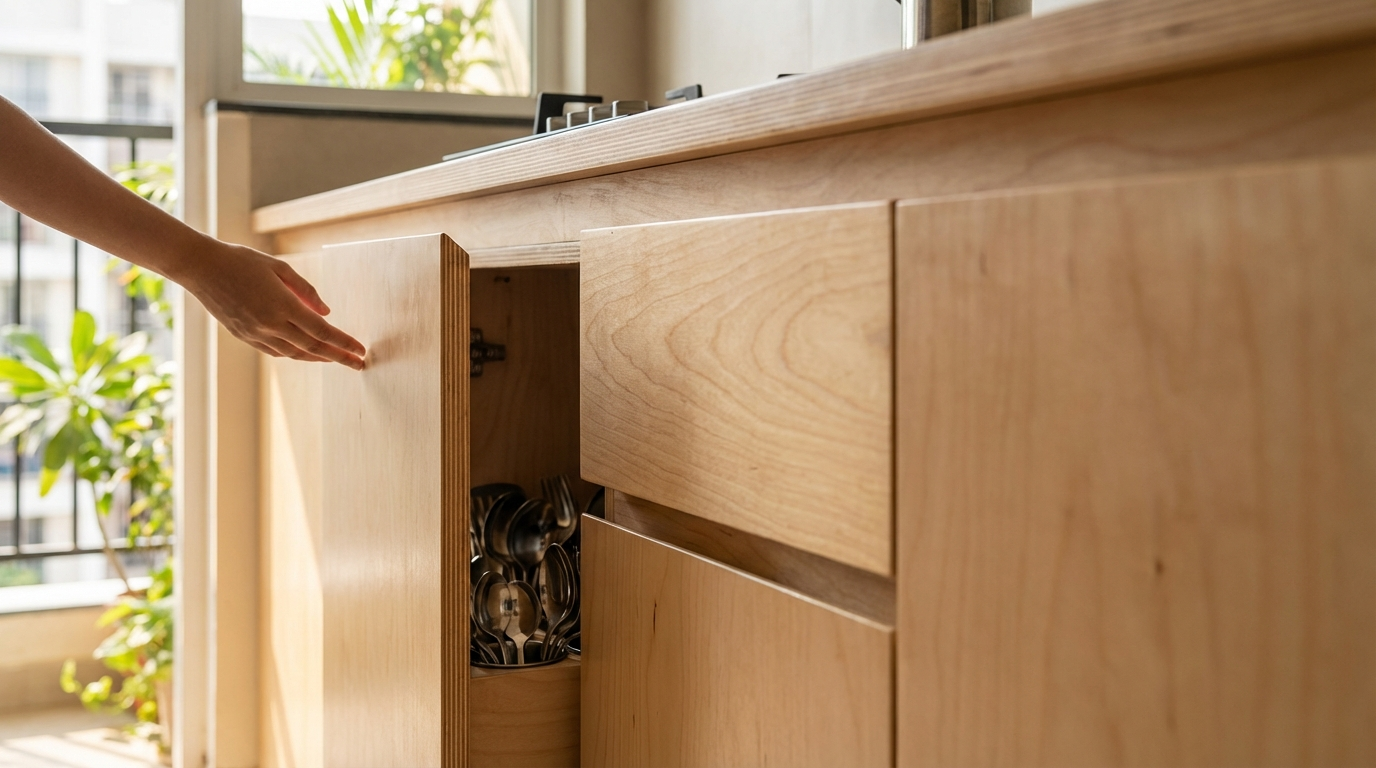
Kitchen cabinets, modular kitchen carcasses, and bathroom vanities demand minimum BWR grade in most Indian conditions. The combination of cooking steam, sink splash, and monsoon humidity creates moisture stress that MR adhesives cannot sustain beyond 3–5 years. In coastal cities or ground-floor installations prone to flooding, BWP grade provides additional insurance against delamination.
External applications, balcony furniture, and semi-outdoor installations require BWP grade at minimum, with marine-grade specifications preferred where direct rain exposure occurs. Fire-retardant grades should be specified only where building codes mandate them—primarily commercial, institutional, and hospitality projects.
Buyer Checklist Before Purchase
- Verify ISI stamp (IS:303 for commercial, IS:710 for marine grade) on actual sheets
- Check face veneer grade—request A-grade for visible surfaces
- Confirm core construction (hardwood vs softwood) by examining exposed edges
- Request test certificates for BWP claims if project requires certification
- Compare GST-inclusive pricing across minimum three dealers
- Negotiate bulk discounts for orders exceeding 30 sheets
- Verify return/replacement policy for damaged or defective sheets
When NOT to Choose Apple Plywood
Apple Plywood may not suit projects requiring absolute premium positioning where brand perception matters to clients—in such cases, established premium brands carry stronger market recognition. For extreme budget constraints where appearance is secondary (false ceiling backing, concealed structural use), cheaper local alternatives may suffice. Additionally, specialty applications like marine boat building or industrial chemical exposure require specialized manufacturers beyond standard plywood brands.
Common Mistakes When Buying Apple Plywood
Informed purchasing decisions help avoid costly errors that compromise project quality or budget. These mistakes occur frequently among both first-time buyers and experienced contractors who skip verification steps.
Accepting Verbal Grade Claims
Dealers sometimes substitute lower grades while verbally claiming premium specifications. Commercial-grade sheets may be represented as BWR, or mixed-core sheets sold as hardwood-core at premium prices. Always physically inspect sheets, check ISI markings, and request invoices that explicitly state the grade purchased. This documentation becomes essential if quality issues emerge later.
Ignoring Thickness Verification
Nominal thickness designations don't guarantee actual measurements. A sheet sold as 19mm might measure 17.5mm or 18mm—acceptable within trade tolerances but problematic when precise fitment matters. Carry a vernier caliper or even a simple measuring scale to spot-check thickness at multiple points on sample sheets before bulk purchasing.
Overlooking Storage Conditions at Dealer
Plywood stored improperly—stacked directly on damp floors, exposed to rain seepage, or kept in poorly ventilated godowns—absorbs moisture before reaching your project. This pre-existing moisture causes warping, fungal growth, and adhesive degradation regardless of stated grades. Inspect dealer storage conditions and prefer suppliers with covered, elevated, well-ventilated warehousing.
Bulk Ordering Without Sample Testing
Large orders based solely on catalog specifications or past purchases sometimes encounter batch variations. Request sample sheets from the specific batch intended for your order, examine core quality, veneer consistency, and check for hidden defects like internal voids or delamination at edges before confirming bulk quantities.
Quick Inspection Checks
- Tap test: Hollow sounds indicate internal voids; solid sheets produce consistent tone
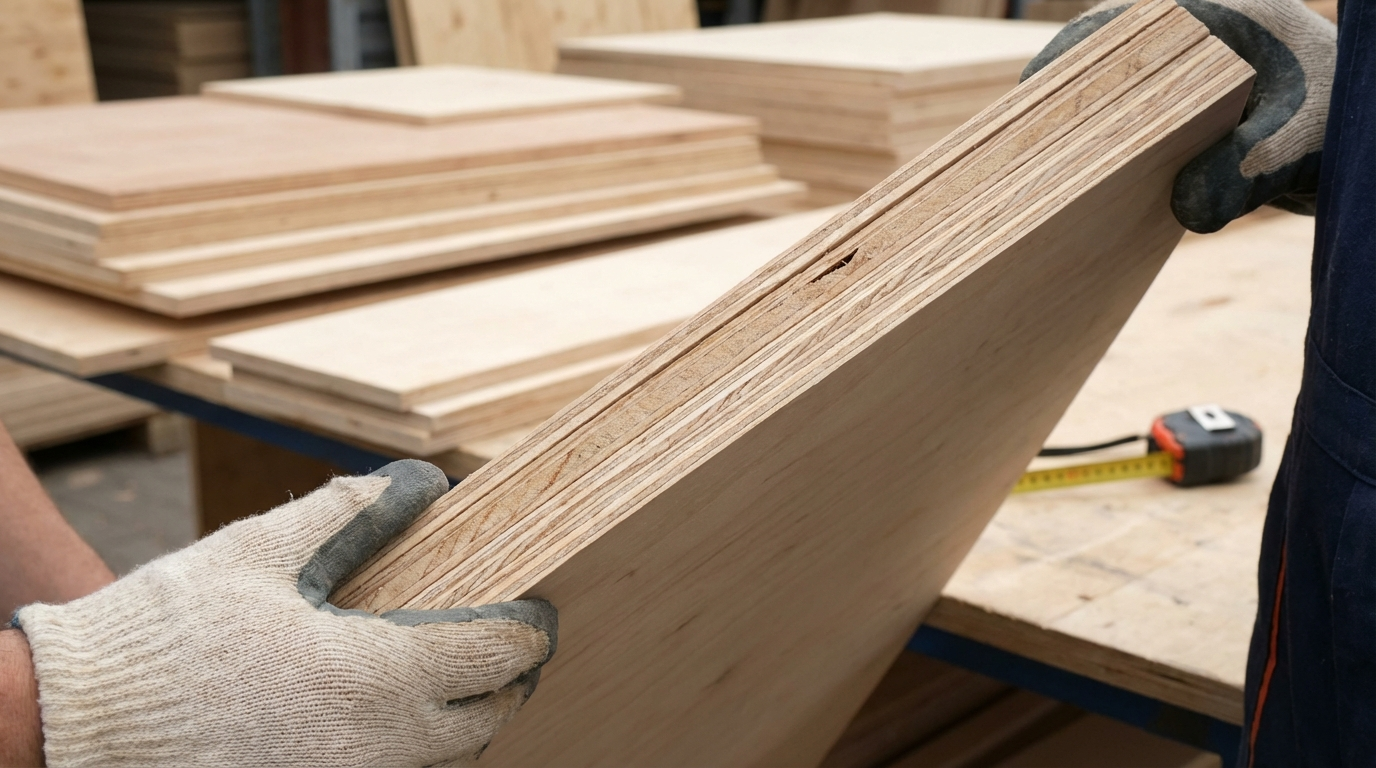
- Edge inspection: Look for gaps, inconsistent ply thickness, or visible adhesive failures
- Flex test: Slight uniform bending acceptable; crackling sounds suggest weak core
- Weight check: Unusually light sheets may indicate softwood substitution
- Surface check: Run hand across face—catches or rough patches indicate veneer issues
Bulk Order Pricing and Dealer Discounts
Substantial savings become available when purchasing Apple Plywood in project quantities. Understanding discount structures helps negotiate effectively with authorized dealers.
Standard Discount Tiers
Most Apple Plywood dealers operate with tiered discount structures based on order volume. Orders of 10–25 sheets typically receive 3–5% discount from listed prices. Orders of 25–50 sheets attract 5–8% discounts. Bulk purchases exceeding 50 sheets can negotiate 8–12% reductions, particularly for single-grade orders that simplify dealer logistics.
Project orders for contractors and interior designers often receive additional trade discounts beyond standard bulk pricing. Establishing ongoing relationships with specific dealers can unlock preferential pricing—dealers value predictable, repeat business and often extend better terms to proven customers.
Regional Price Variations
Geographic location significantly impacts final pricing. Manufacturing hubs like Gujarat, Uttar Pradesh, and parts of the Northeast offer lower base prices due to proximity to production. Southern and western coastal markets may price slightly higher due to transport costs, though they often maintain better stocks of waterproof grades suited to humid conditions.
GST at 18% applies uniformly across India, but transport costs vary substantially. Dealers absorbing transport costs into sheet pricing may appear expensive but offer convenience, while ex-factory or ex-godown pricing requires buyers to arrange and pay for transportation separately.
Carpenter's Perspective on Apple Plywood
Practical workability matters as much as specifications and pricing. Carpenters working with Apple Plywood report several characteristics relevant to project planning.
The hardwood-core variants machine cleanly with standard equipment—circular saws, routers, and edge-banding machines handle the material without excessive chipping or tearout when using appropriate blades. Screw holding strength compares favorably with equivalent-grade competitors, important for modular furniture applications using cam locks and hardware fittings.
Edge-banding adhesion depends heavily on edge preparation quality. Apple Plywood edges accept PVC and ABS banding well when properly cleaned and squared, though some carpenters report that the dense hardwood core requires slightly higher edge-banding temperatures than softer alternatives.
For CNC machining operations increasingly common in modular kitchen manufacturing, Apple Plywood's dimensional consistency proves adequate for batch production, though individual sheet verification remains advisable for precision applications.
Frequently Asked Questions
What is the full form of BWP and BWR in plywood?
BWP stands for Boiling Water Proof, indicating plywood that withstands prolonged water immersion without delamination—tested by boiling samples for 72 hours under IS:710 standards. BWR means Boiling Water Resistant, denoting plywood that handles moisture exposure and humidity but isn't designed for continuous submersion. In practical terms, BWP suits high-moisture applications like bathroom vanities while BWR handles kitchen cabinet duties adequately.
Which is better: Apple Plywood or Greenply for kitchen cabinets?
Both brands offer comparable BWR and BWP grades suitable for kitchen applications. Apple Plywood typically costs 8–15% less than Greenply for similar specifications, making it attractive for budget-conscious projects. Greenply carries stronger brand recognition and potentially better resale perception in premium homes. For functional performance in kitchens, either brand's BWR-grade variants perform adequately when properly sealed and maintained.
Is Apple Plywood good for bathroom vanity and wet areas?
Apple Plywood's BWP grade works suitably for bathroom vanities when properly finished with waterproof laminates or paint. The phenolic adhesive resists moisture penetration, preventing delamination common with MR-grade alternatives in bathrooms. However, even BWP plywood isn't waterproof on surfaces—exposed edges and faces require sealing. For areas with direct continuous water contact like shower enclosures, marine plywood or PVC boards may prove more appropriate than any standard plywood.
What is Apple Plywood 19mm price per sheet in India?
Apple Plywood 19mm prices range from approximately ₹2,400 to ₹4,000 per 8×4 feet sheet depending on grade and location. Commercial MR grade sits at the lower end (₹2,400–₹2,900), BWR grade occupies the middle (₹2,800–₹3,500), and BWP grade commands premium pricing (₹3,200–₹4,000). These figures represent typical dealer rates before bulk discounts—actual prices require verification with local authorized dealers.
How to check Apple Plywood quality at the dealer?
Verify quality through multiple checks: examine the ISI stamp for appropriate standards (IS:303 for commercial, IS:710 for marine), inspect edges for consistent ply thickness and adhesive coverage, perform tap tests to detect internal voids, measure actual thickness against labeled specifications, and flex the sheet gently to ensure no cracking sounds occur. Request to see sample sheets from your intended batch rather than display samples that may represent different stock.
Does Apple Plywood come with a warranty?
Apple Plywood offers manufacturer warranties typically ranging from 15–20 years depending on grade and product line. However, warranty coverage includes conditions regarding proper installation, usage within specified applications, and maintenance requirements. Claims often require original purchase documentation and may involve manufacturer inspection. Practically, warranty enforcement in the Indian plywood market remains challenging—purchasing appropriate grades for intended applications provides more reliable protection than warranty promises.
What is the difference between 18mm and 19mm plywood in India?
In Indian plywood trade, 18mm and 19mm designations often refer to the same product. Manufacturers typically produce at 18mm nominal thickness, but trade convention frequently labels this as 19mm. Actual measured thickness usually falls between 17.5mm and 18.5mm due to acceptable manufacturing tolerances. When precision matters for hardware fitting or modular furniture, always measure actual thickness rather than relying on labels, and communicate measured dimensions to carpenters rather than nominal sizes.
Is Apple Plywood termite-resistant?
Apple Plywood offers termite-resistant treatment on select variants, typically indicated by specific product naming or certification. Standard commercial and waterproof grades may not include termite treatment unless explicitly specified. In termite-prone regions—particularly ground floors, older buildings, and humid areas—specifically request termite-treated variants and verify treatment certification. Even treated plywood benefits from additional precautions like applying termite-proof coatings during installation and maintaining proper ventilation to reduce pest-attractive moisture conditions.
Disclaimer: This content is provided for general informational purposes based on industry practices and publicly available information. Product specifications, standards, prices, and availability may vary by manufacturer, region, and time. Readers should independently verify details with manufacturers, dealers, or qualified professionals before making purchase or construction decisions.Want Plywood Suggestions?
Share a few details and a Apple Ply specialist will suggest suitable brands and connect you to responsive dealers.