IS 303 vs IS 710 Grade Plywood: Complete Comparison Guide
Understand IS 303 vs IS 710 plywood grades - differences in water resistance, applications & price. Choose the right certification for your project.
Quick Answer
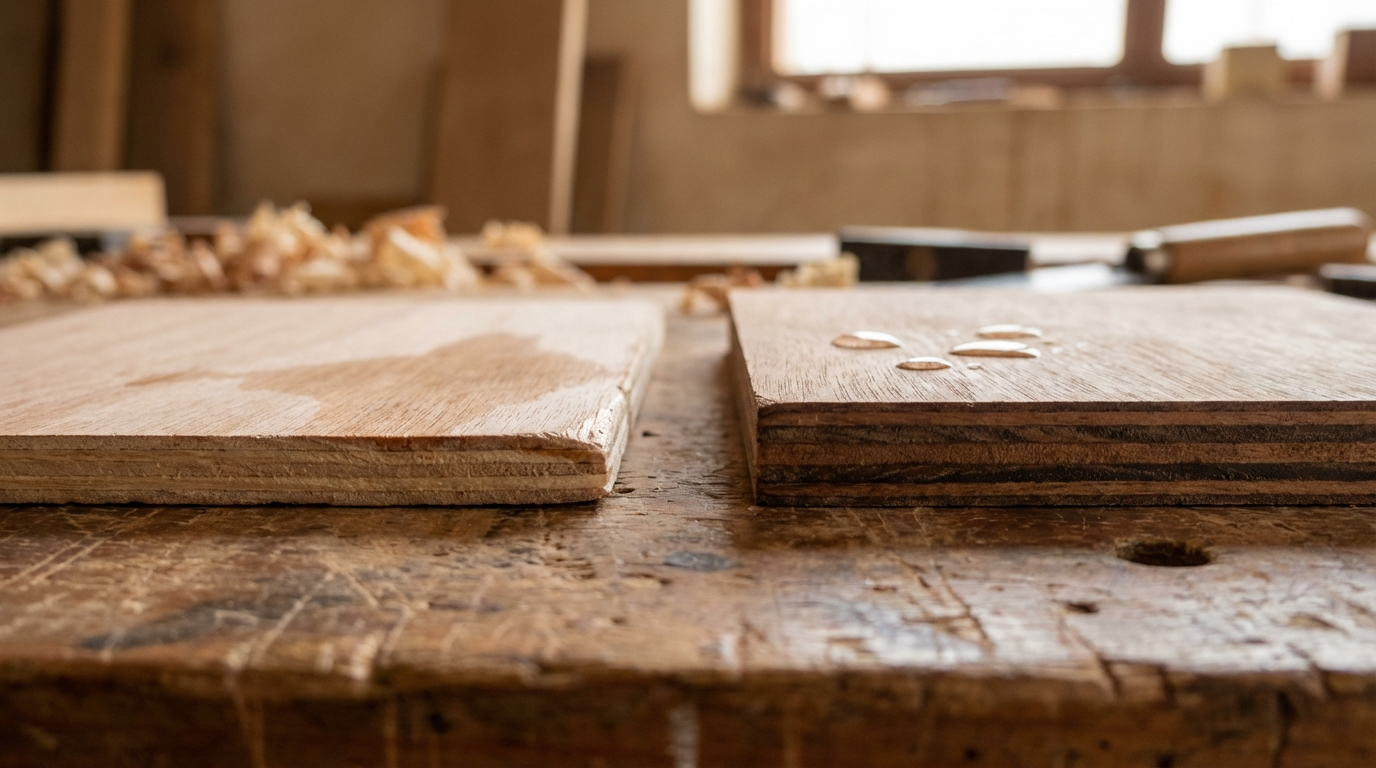
The key difference between IS 303 and IS 710 plywood lies in water resistance: IS 303 covers moisture-resistant (MR) and boiling water-resistant (BWR) grades for interior and semi-outdoor use, while IS 710 specifies boiling water-proof (BWP) marine plywood designed to withstand prolonged water immersion. Choose IS 303 for standard furniture; choose IS 710 for kitchens, bathrooms, and exterior applications.
At a Glance: IS 303 vs IS 710
- IS 303 Grade: Covers MR (commercial) and BWR plywood for interior applications with moderate moisture exposure
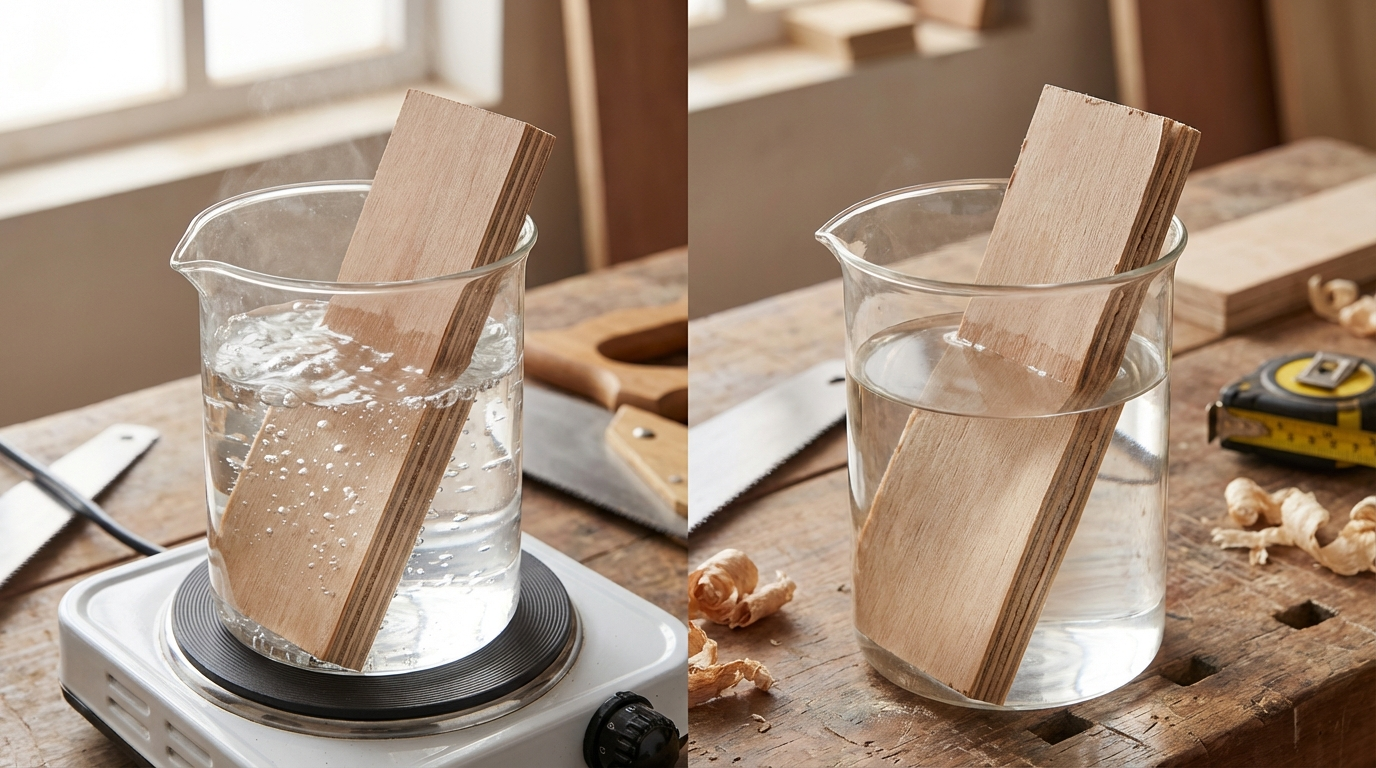
- IS 710 Grade: Specifies marine-grade BWP plywood capable of surviving 72 hours of boiling water immersion
- Adhesive Difference: IS 303 uses urea-melamine formaldehyde; IS 710 uses phenol formaldehyde resin
- Price Gap: IS 710 typically costs 25–40% more than IS 303 BWR plywood of equivalent thickness
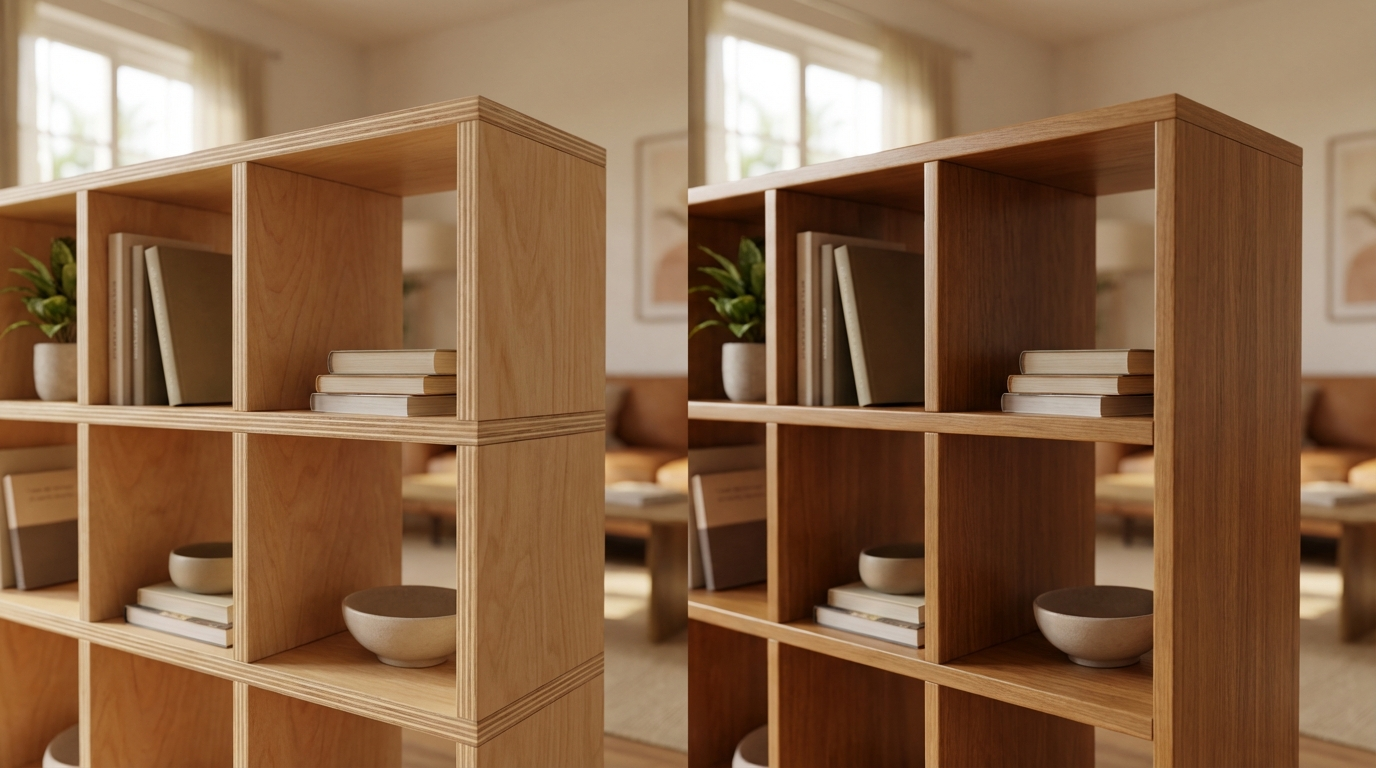
- Best Application: IS 303 for bedrooms and living rooms; IS 710 for wet areas and outdoor furniture
- BIS Certification: Both grades require ISI marking—always verify the stamp number on the panel edge
Understanding BIS Plywood Grading: What IS 303 and IS 710 Actually Mean
The Bureau of Indian Standards (BIS) establishes manufacturing specifications that determine plywood performance characteristics. These IS numbers are not brand names or marketing terms—they represent documented technical standards that licensed manufacturers must follow during production. Understanding this distinction helps buyers cut through dealer jargon and make informed decisions.
IS 303 and IS 710 specifically address the adhesive systems, veneer quality, and water resistance testing protocols that plywood must pass. When you see these numbers stamped on plywood sheets, it indicates the product has been manufactured according to defined parameters and tested by BIS-approved laboratories. The certification ensures consistency across different manufacturers, giving buyers a baseline for comparison.
The Role of Adhesives in Grade Classification
The fundamental technical difference between IS 303 and IS 710 plywood comes down to the resin adhesive bonding the veneer layers. IS 303 plywood uses urea formaldehyde (for MR grade) or melamine-urea formaldehyde (for BWR grade) adhesives. These resins provide adequate moisture resistance for typical indoor humidity fluctuations but degrade when exposed to continuous water contact.
IS 710 marine plywood mandates phenol formaldehyde resin—a synthetic plastic adhesive that creates waterproof bonds resistant to prolonged water immersion. This adhesive doesn't break down even when submerged for extended periods, which is why marine plywood can theoretically survive the 72-hour boiling water test specified in the BIS standard. The undiluted phenolic resin also contributes to the higher cost of IS 710 plywood.
Veneer and Core Quality Requirements
Beyond adhesives, IS 710 imposes stricter requirements on veneer quality. Marine plywood faces must be free from sapwood, and core veneers cannot contain dead knots or defects exceeding 50mm. The standard also specifies acceptable timber species for face veneers and cores, including gurjan, hollock, teak, and plantation species like eucalyptus and poplar. These requirements ensure structural integrity under demanding conditions.
IS 303 Grade Plywood Explained: MR and BWR Categories
IS 303 encompasses two distinct plywood categories that buyers often confuse. Moisture-resistant (MR) plywood represents the most common commercial grade found in Indian furniture markets, while boiling water-resistant (BWR) plywood offers enhanced protection for semi-outdoor and humid environments. Both fall under IS 303 but serve different applications.
MR Grade (Commercial Plywood)
MR grade plywood resists ambient humidity and occasional dampness but is not designed for water contact. In practical Indian market terms, this means MR plywood suits bedroom wardrobes, study tables, living room shelving, and office furniture—anywhere protected from direct water exposure. The urea formaldehyde adhesive maintains bond integrity in normal indoor conditions but will delaminate if furniture gets repeatedly wet.
Most dealers stock MR plywood as their primary inventory because it offers the best balance of cost and functionality for typical furniture applications. Prices typically range from ₹45–85 per square foot for 18mm thickness, depending on brand tier and city. This makes MR plywood the economical choice when water resistance isn't a primary concern.
BWR Grade Plywood
BWR plywood uses melamine-fortified adhesives that withstand boiling water exposure for a limited duration—typically passing the BIS-specified cyclic boiling test. This makes BWR suitable for bathroom vanities, kitchen cabinet carcasses (not countertops), balcony furniture, and applications where occasional water contact is expected.
In humid coastal cities like Mumbai, Chennai, and Kochi, many carpenters recommend BWR even for standard furniture due to monsoon humidity levels. The price premium over MR grade typically runs 15–25%, making it a reasonable upgrade for moisture-prone environments without the full cost of marine plywood.
IS 710 Marine Grade Plywood: Complete Technical Profile
IS 710 marine plywood represents the highest water-resistance grade in the BIS plywood classification system. Originally developed for shipbuilding and marine vessel construction, this grade now finds widespread use in residential and commercial applications requiring waterproof performance. The standard was revised in 2010 to include plantation timber species and updated testing protocols.
72-Hour Boiling Water Test
The defining characteristic of IS 710 plywood is its ability to survive 72 hours of continuous boiling water immersion without delamination. This test can be conducted as a single continuous period or split into shorter boiling cycles with cold water intervals between them. After testing, the plywood must still pass glue shear strength requirements—minimum 1,000 N average failing load in wet condition.
For buyers, this testing protocol provides confidence that marine plywood will withstand not just splashing water but sustained wet conditions. Practically speaking, kitchen sink cabinets, bathroom floor structures, outdoor deck furniture, and swimming pool surrounds benefit from this extreme water resistance.
Preservative Treatment Requirements
IS 710 mandates pressure impregnation with fixed-type preservatives to resist marine organism attack. The standard specifies minimum retention of 12 kg/m³ for CCA (copper-chrome-arsenic), CCB (copper-chrome-boron), or ACC (acid-copper-chrome) compositions. This treatment adds termite and borer resistance beyond what standard plywood offers—a significant advantage in Indian conditions where pest damage is common.
The preservative treatment also contributes to the weight difference buyers notice between marine and commercial plywood. IS 710 panels feel noticeably heavier than equivalent IS 303 panels, which affects handling during fabrication and may require stronger hinges for cabinet doors and overhead shutters.
Comparison Table: IS 303 vs IS 710 Plywood
| Parameter | IS 303 MR Grade | IS 303 BWR Grade | IS 710 BWP/Marine Grade |
|---|---|---|---|
| Full Form | Moisture Resistant | Boiling Water Resistant | Boiling Water Proof |
| Adhesive Type | Urea Formaldehyde | Melamine-Urea Formaldehyde | Phenol Formaldehyde |
| Water Resistance | Humidity only | Moderate water exposure | Prolonged immersion |
| Boiling Water Test | Not specified | 8-hour cyclic test | 72-hour continuous |
| Preservative Treatment | Optional | Optional | Mandatory |
| Weight | Light | Medium | Heavy |
| Price Range (18mm) | ₹45–85/sq ft | ₹65–110/sq ft | ₹90–150/sq ft |
| Best Applications | Bedroom, living room | Kitchen carcass, bathroom | Wet areas, exterior, marine |
How to Choose Between IS 303 and IS 710 Plywood
Selecting the appropriate plywood grade requires evaluating your specific application, budget constraints, and regional climate factors. The decision framework below helps match plywood specifications to real-world requirements, preventing both over-spending on unnecessary grades and under-specifying for demanding conditions.
Application-Based Selection Criteria
For standard bedroom furniture, wardrobes, study units, and living room shelving, IS 303 MR grade provides adequate performance at the lowest cost. These applications rarely encounter water, making marine-grade plywood an unnecessary expense. However, if you're in a coastal city with 80%+ humidity during monsoons, consider upgrading to BWR even for interior furniture.
Kitchen cabinets require more nuanced thinking. Cabinet carcasses (the box structure) face occasional splashes and humid cooking environments—IS 303 BWR suffices for most situations. But sink base cabinets that risk water pooling, and under-counter storage near dishwashers, benefit from IS 710 marine plywood. Modular kitchen manufacturers increasingly use marine ply for all wet-zone cabinets as a quality differentiator.
Bathroom applications almost always warrant IS 710 plywood. Vanity units, under-sink storage, and any furniture in toilet areas face daily humidity, splashing, and condensation. The cost premium pays for itself through extended service life—BWR bathroom furniture often fails within 3–5 years, while marine plywood can last 10+ years with proper finishing.
Buyer Decision Checklist
- Will the furniture contact water directly or only ambient humidity?
- Is the location within 2 feet of a water source (sink, shower, washing machine)?
- Does your city experience prolonged high humidity (Mumbai, Kolkata, Chennai)?
- Are you building outdoor or semi-outdoor furniture exposed to rain?
- Is the furniture permanent (built-in) or movable?
- What is your total project budget for plywood materials?
- Does the carpenter have experience with marine plywood (heavier, harder to work)?
When NOT to Choose IS 710 Marine Plywood
Marine plywood is overkill for dry interior applications and creates unnecessary cost burden. Avoid IS 710 for bedroom wardrobes, pooja room cabinets, entertainment units, shoe racks in covered areas, and office workstations. The heavier weight also makes marine ply unsuitable for wall-mounted overhead cabinets without robust mounting systems—the additional load stresses wall anchors and may cause sagging over time.
Budget-conscious projects can achieve good results by using IS 710 strategically—only for sink cabinets and bathroom units—while specifying BWR or MR for remaining furniture. This mixed approach balances performance with cost, allocating premium material where it matters most.
Common Mistakes When Buying IS 303 or IS 710 Plywood
The plywood market in India presents numerous opportunities for buyer confusion, from mislabelled products to dealer upsells that don't match actual needs. Recognizing these pitfalls helps protect your investment and ensures appropriate grade selection.
Mistake 1: Trusting Verbal Claims Without Stamp Verification
Dealers sometimes sell lower-grade plywood with verbal assurances of BWR or marine quality. Always verify the IS number stamped on the panel edge—legitimate BIS-certified plywood carries clearly marked "IS 303" or "IS 710" stamps along with manufacturer details and the ISI logo. If the stamp is missing, illegible, or doesn't match the claimed grade, walk away.
Mistake 2: Confusing BWR with BWP Terminology
BWR (boiling water resistant) and BWP (boiling water proof) sound similar but represent different grades. BWR falls under IS 303 and resists water for limited periods. BWP is marine plywood under IS 710 with true waterproof characteristics. Dealers occasionally use these terms interchangeably—demand the specific IS number to confirm exactly what you're purchasing.
Mistake 3: Specifying Marine Plywood for All Kitchen Furniture
Kitchen upper cabinets storing dry goods, pantry units, and breakfast counters away from water sources don't need IS 710 plywood. Many modular kitchen companies push full marine-grade specifications as a premium positioning, but BWR adequately serves 70% of kitchen applications. Reserve marine plywood for sink units and dishwasher surrounds.
Mistake 4: Ignoring Thickness Standards
IS 710 specifies standard thicknesses: 3mm, 4mm, 5mm, 6mm, 9mm, 12mm, 15mm, 19mm, 22mm, and 25mm. Non-standard thicknesses (like 17mm or 20mm) may indicate non-certified product. The Indian market commonly trades 18mm plywood, which corresponds to the 19mm BIS specification after accounting for surface finishing—this minor difference is acceptable, but significant deviations warrant scrutiny.
Mistake 5: Neglecting Post-Purchase Quality Checks
Even certified plywood can have manufacturing defects. Before installation, inspect for delamination at edges (pry gently with a screwdriver—layers shouldn't separate easily), check for voids by tapping the surface (hollow sounds indicate gaps), and verify uniform thickness across the sheet. Document any defects immediately for warranty claims.
Quick Inspection Checks at the Dealer
- Read the edge stamp: IS number, manufacturer name, thickness, species abbreviation
- Check panel weight: Marine plywood feels noticeably heavier than MR grade
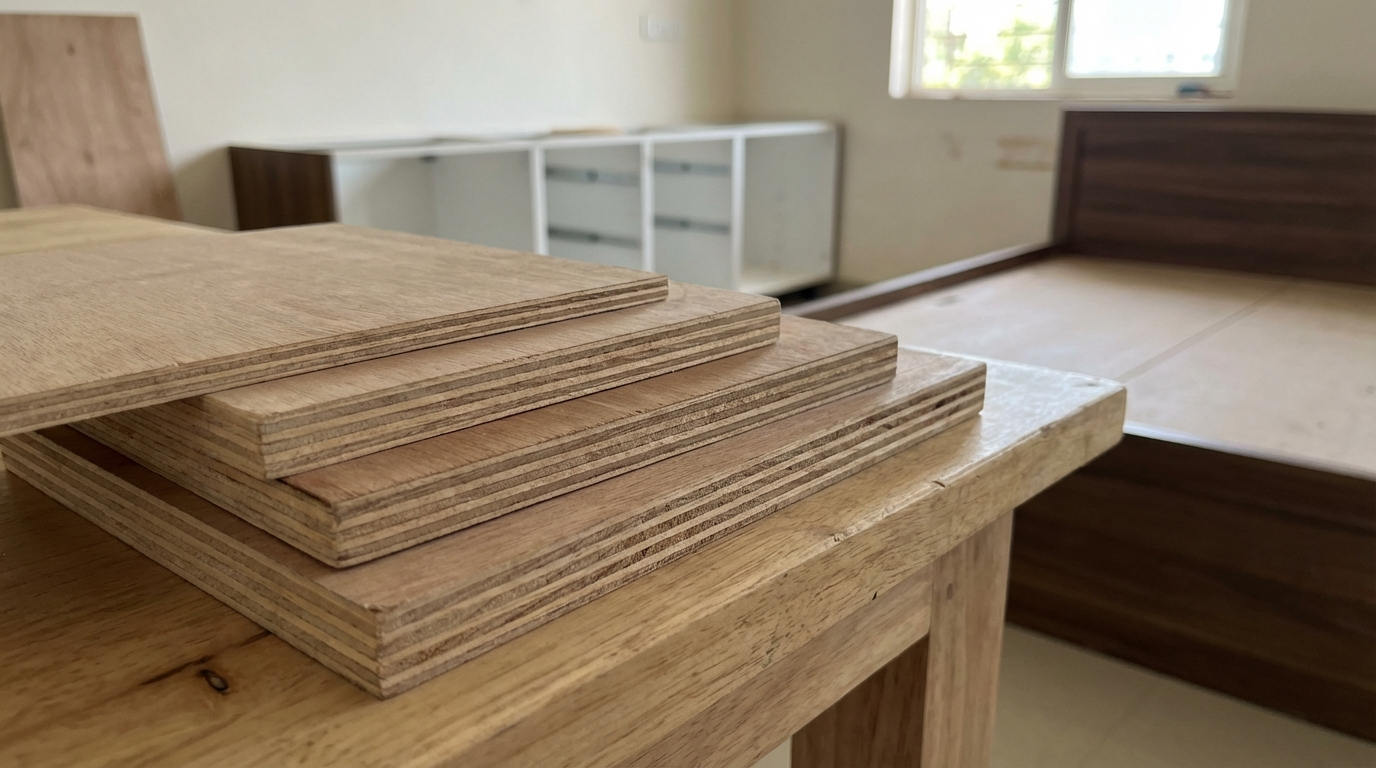
- Examine edge layering: Veneers should be tight with no visible gaps
- Look for uniform colour in core layers indicating consistent species
- Request test certificates for large orders
Price Guide: IS 303 vs IS 710 Plywood in India
Plywood pricing in India varies significantly based on grade, thickness, brand tier, and regional availability. The following ranges assume standard 8×4 feet sheets from established manufacturers, purchased from authorized dealers in metro or Tier-1 cities. Tier-2 and Tier-3 city prices may differ by 5–15% due to transport costs and dealer margins.
IS 303 MR Grade Pricing (Per Square Foot)
| Thickness | Budget Brands | Mid-Tier Brands | Premium Brands |
|---|---|---|---|
| 6mm | ₹22–28 | ₹28–38 | ₹38–50 |
| 12mm | ₹35–45 | ₹45–60 | ₹60–80 |
| 18/19mm | ₹45–60 | ₹60–80 | ₹80–110 |
IS 303 BWR Grade Pricing (Per Square Foot)
| Thickness | Budget Brands | Mid-Tier Brands | Premium Brands |
|---|---|---|---|
| 6mm | ₹28–38 | ₹38–50 | ₹50–65 |
| 12mm | ₹48–62 | ₹62–82 | ₹82–105 |
| 18/19mm | ₹65–85 | ₹85–110 | ₹110–140 |
IS 710 Marine Grade Pricing (Per Square Foot)
| Thickness | Budget Brands | Mid-Tier Brands | Premium Brands |
|---|---|---|---|
| 6mm | ₹40–55 | ₹55–72 | ₹72–95 |
| 12mm | ₹65–85 | ₹85–115 | ₹115–145 |
| 18/19mm | ₹90–115 | ₹115–145 | ₹145–185 |
Factors Driving Price Variation
Core veneer species significantly impacts pricing—eucalyptus and poplar cores cost less than gurjan or hollong. Face veneer quality (sliced vs rotary cut, presence of patches) also affects pricing within the same grade. Brand reputation commands premiums of 20–40% for established names with consistent quality, extensive dealer networks, and responsive warranty support.
GST at 18% applies to all plywood categories, and transport from manufacturing hubs (Kerala, Karnataka, Northeast) adds ₹2–8 per square foot depending on destination distance. Bulk orders (50+ sheets) typically attract 5–10% dealer discounts, making project-level purchasing more economical than buying piecemeal.
Regional Considerations: Choosing Grades for Indian Climates
India's diverse climate zones demand different plywood specifications. What works in Jaipur's dry conditions may fail prematurely in Kolkata's humidity. Understanding regional requirements helps optimize the cost-performance balance.
Coastal and High-Humidity Regions
Cities like Mumbai, Chennai, Kochi, Visakhapatnam, and Kolkata experience sustained humidity above 75% for several months annually. In these areas, even interior furniture benefits from BWR minimum specification. Kitchen and bathroom applications should use IS 710 marine plywood without exception. The monsoon season accelerates MR plywood degradation—delamination and warping complaints peak during August-September in these regions.
Northern Plains and Dry Regions
Delhi NCR, Rajasthan, Punjab, and interior Maharashtra have moderate to low humidity with distinct seasons. IS 303 MR grade performs adequately for most interior applications, with BWR reserved for wet areas. However, air conditioning creates micro-climates with condensation risk—furniture directly under AC vents may benefit from BWR even in dry cities.
Hill Stations and Cold Regions
Shimla, Darjeeling, Ooty, and similar hill stations present unique challenges. While humidity is moderate, temperature fluctuations cause wood expansion and contraction. IS 303 BWR handles these conditions well for interior use. The concern here is less about water resistance and more about dimensional stability—choose plywood from established manufacturers with proper drying and conditioning during production.
Frequently Asked Questions
What is the full form of IS 303 and IS 710 plywood?
IS 303 stands for Indian Standard 303, covering plywood for general purposes including moisture-resistant (MR) and boiling water-resistant (BWR) grades. IS 710 stands for Indian Standard 710, specifically for marine plywood with boiling water-proof (BWP) characteristics. These are Bureau of Indian Standards specifications, not brand names—any manufacturer meeting these specifications can carry the respective ISI certification mark on their products.
Which is better: IS 303 or IS 710 plywood for kitchen cabinets?
For kitchen cabinets, the answer depends on location within the kitchen. Sink base cabinets, dishwasher surrounds, and under-counter units near water sources benefit from IS 710 marine plywood due to regular water exposure risk. Upper cabinets, pantry units, and breakfast counter storage can use IS 303 BWR grade adequately. Many professionals specify marine plywood for all lower cabinets and BWR for uppers as a balanced approach.
Can IS 303 BWR plywood be used in bathrooms?
IS 303 BWR plywood can technically function in bathrooms with proper surface finishing and ventilation. However, the humid bathroom environment with daily water splashing accelerates adhesive degradation in BWR plywood. Practically speaking, BWR bathroom furniture may last 4–6 years before showing delamination signs, while IS 710 marine plywood extends this to 10+ years. For permanent bathroom installations, marine plywood offers better long-term value despite higher initial cost.
How can I verify if plywood is genuine IS 710 certified?
Verify IS 710 certification by checking the stamp on the plywood edge or face. Look for the ISI logo (circular mark), "IS 710" number, manufacturer name or code, species abbreviation (like GUR for gurjan), and manufacturing year. The stamp should be clear and legible. For large purchases, request the BIS certification number and verify it through the BIS website or by contacting the manufacturer directly. Absence of proper stamping indicates non-certified product.
What is the price difference between IS 303 and IS 710 plywood?
IS 710 marine plywood typically costs 25–40% more than IS 303 BWR plywood of equivalent thickness and brand tier. For example, 18mm BWR plywood from a mid-tier brand might cost ₹85–110 per square foot, while equivalent marine plywood costs ₹115–145 per square foot. The premium reflects higher-quality phenolic adhesives, stricter veneer selection, and mandatory preservative treatment specified in IS 710 standards.
Is IS 710 plywood termite-proof?
IS 710 marine plywood includes mandatory preservative treatment that provides significant termite and borer resistance. The standard requires pressure impregnation with CCA, CCB, or ACC compositions at minimum 12 kg/m³ retention. This makes marine plywood substantially more resistant to pest attack than untreated IS 303 plywood. However, no wood product is completely termite-proof—severely infested environments may still require additional pest control measures beyond plywood treatment.
Why is marine plywood heavier than commercial plywood?
Marine plywood is heavier due to several factors: denser phenol formaldehyde adhesive (versus lighter urea formaldehyde), preservative chemicals impregnated into the wood, stricter veneer quality requirements that reject lighter porous wood, and often the use of denser timber species in core layers. This weight difference is noticeable during handling and affects furniture design—marine plywood cabinet doors require stronger hinges, and overhead installations need robust wall anchoring.
Can I use IS 303 MR plywood for outdoor furniture?
IS 303 MR plywood is not suitable for outdoor furniture exposed to rain or sustained humidity. MR grade adhesive breaks down when exposed to water, causing delamination within weeks to months of outdoor exposure. Even covered outdoor areas like porches or balconies expose furniture to humidity levels that degrade MR plywood over time. For any outdoor application, minimum IS 303 BWR is required, with IS 710 marine plywood recommended for furniture directly exposed to weather.
Disclaimer: This content is provided for general informational purposes based on industry practices and publicly available information. Product specifications, standards, prices, and availability may vary by manufacturer, region, and time. Readers should independently verify details with manufacturers, dealers, or qualified professionals before making purchase or construction decisions.
Want Plywood Suggestions?
Share a few details and a Apple Ply specialist will suggest suitable brands and connect you to responsive dealers.