BWP Plywood: Full Form, Meaning & Why IS 710 Grade Matters
BWP stands for Boiling Water Proof plywood. Learn about IS 710 certification, BWP grade benefits & why it's essential for kitchens & bathrooms.
Quick Answer
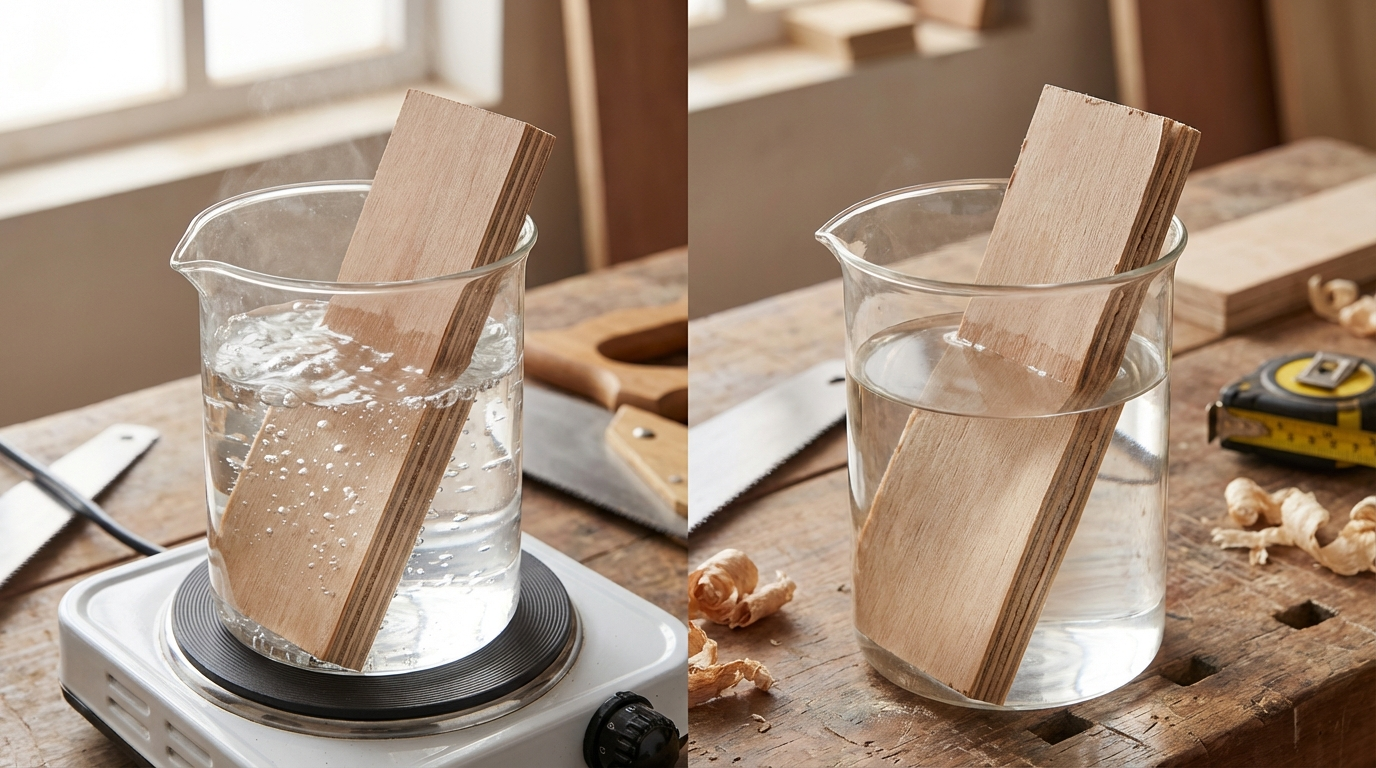
BWP stands for Boiling Water Proof plywood, which is the highest grade of waterproof plywood available in India. BWP plywood is manufactured according to IS 710 standards set by the Bureau of Indian Standards (BIS), making it capable of withstanding prolonged water exposure without delaminating, swelling, or warping. This grade uses phenol-formaldehyde resin for bonding, enabling it to survive 72+ hours of boiling water immersion—making it the ideal choice for kitchens, bathrooms, and marine applications.
At a Glance: BWP Plywood Key Facts
- Full Form: Boiling Water Proof
- BIS Standard: IS 710 (Marine Grade Plywood Standard)
- Adhesive Used: Phenol-formaldehyde (PF) resin
- Water Resistance: Withstands 72+ hours of boiling water
- Best Applications: Kitchens, bathrooms, marine construction, outdoor furniture
- Price Range: ₹90–160 per sq ft (depending on thickness, brand tier, and city)
BWP Plywood Meaning and IS 710 Grade Explained
BWP plywood represents the pinnacle of water-resistant engineered wood available in the Indian market. The term "Boiling Water Proof" indicates that this plywood can withstand complete water immersion—including exposure to boiling water—for extended periods without structural failure. This exceptional performance comes from the manufacturing process and the specific adhesive system used.
How BWP Plywood Achieves Waterproof Properties
The waterproof characteristic of BWP plywood stems from its use of phenol-formaldehyde (PF) resin as the bonding agent between veneer layers. Unlike melamine-urea formaldehyde (MUF) resins used in MR or BWR grades, PF resin creates chemical bonds that remain stable even under extreme moisture and temperature conditions. When exposed to water, these bonds don't break down, preventing the veneer layers from separating—a failure known as delamination.
The manufacturing process involves applying PF resin between high-quality hardwood veneers, then subjecting the assembly to high pressure and temperature. This creates a dense, robust core where each layer is permanently fused to adjacent layers. The result is plywood that can handle not just occasional splashes but sustained water contact over months or years.
What IS 710 Certification Actually Means
IS 710 is the Indian Standard specification specifically created for marine-grade plywood. When plywood carries genuine IS 710 certification, it has passed rigorous testing protocols established by BIS. These tests include the 72-hour boiling water test, where samples must show no delamination after being submerged in boiling water for three continuous days. Additionally, IS 710 certified plywood undergoes tests for fungal resistance, tensile strength, and long-term moisture exposure.
In practical Indian market terms, IS 710 certification serves as a quality guarantee that the plywood will perform reliably in the most demanding moisture environments—from coastal Karnataka homes to Mumbai high-rise bathrooms. However, buyers must verify the ISI mark with licence number on each sheet, as counterfeit markings are unfortunately common in unorganized market segments.
Types of Waterproof Plywood: Understanding the Grade Hierarchy
To truly appreciate what BWP plywood offers, it's essential to understand where it sits within the broader plywood classification system used in India. The market primarily operates with three moisture-resistance grades, each serving distinct purposes and price points.
MR Grade (Moisture Resistant)
MR plywood, conforming to IS 303, uses melamine-urea formaldehyde adhesive and offers basic moisture tolerance suitable for dry interior applications. It can handle ambient humidity but will fail if exposed to direct water contact. MR grade works well for bedroom wardrobes, living room furniture, and office interiors where moisture exposure is minimal. This is the most affordable plywood category and represents the bulk of furniture-grade plywood sold in India.
BWR Grade (Boiling Water Resistant)
BWR plywood also falls under IS 303 but uses enhanced adhesive formulations that provide better moisture resistance than MR grade. It can withstand approximately 8 hours of boiling water exposure before showing signs of delamination. BWR serves as a middle-ground option for kitchens (non-sink areas), wardrobes adjacent to bathrooms, and furniture in humid climates. Many carpenters in metros prefer BWR for general modular kitchen carcass work where direct water contact is limited.
BWP Grade (Boiling Water Proof) – IS 710
BWP stands at the top of the water-resistance hierarchy. The 72+ hour boiling water survival makes it suitable for the most extreme applications—under-sink cabinets, bathroom vanities, boat construction, and outdoor installations. While significantly more expensive than MR or BWR, the durability justifies the cost in water-prone areas where plywood failure could mean complete furniture replacement.
Recent BIS Amendment: BWP Under IS 303
A notable development in 2024 saw BIS amending IS 303 to include a BWP grade for interior applications. This addresses market confusion where consumers often purchased "710 BWP" marked plywood (essentially commercial plywood marketed with similar nomenclature) instead of genuine IS 710 marine grade. The amendment helps distinguish between BWP for general interior use and true marine-grade plywood for specialized applications. However, for kitchens and bathrooms in residential settings, IS 710 certified BWP remains the gold standard.
BWP vs BWR vs MR Plywood: Comprehensive Comparison
Selecting the right plywood grade requires understanding the performance differences across multiple parameters. The following comparison provides a practical framework for decision-making based on Indian market conditions and typical application scenarios.
| Parameter | MR Grade (IS 303) | BWR Grade (IS 303) | BWP Grade (IS 710) |
|---|---|---|---|
| Full Form | Moisture Resistant | Boiling Water Resistant | Boiling Water Proof |
| Adhesive Used | Melamine Urea Formaldehyde | Enhanced MUF/Phenolic blend | Phenol Formaldehyde (PF) |
| Boiling Water Test | 2–3 hours | ~8 hours | 72+ hours |
| Water Resistance Level | Moderate (humidity only) | Good (occasional splash) | Excellent (sustained immersion) |
| Price Range (18mm, per sq ft) | ₹45–70 | ₹65–95 | ₹90–160 |
| Best Applications | Bedrooms, living rooms, offices | Dry kitchen areas, semi-humid rooms | Kitchens, bathrooms, marine, outdoor |
| Termite Treatment | Varies by brand | Varies by brand | Usually included (chemical treatment) |
| Recommended Regions | Dry inland areas | Moderate humidity zones | Coastal areas, monsoon-heavy regions |
Understanding the Cost-Performance Trade-off
The price differential between grades reflects genuine material and manufacturing cost differences. Phenol-formaldehyde resin costs significantly more than MUF adhesives, and the extended hot-press cycles required for proper curing add to production expenses. For a typical 8x4 feet sheet in 18mm thickness, expect to pay ₹2,800–4,000 for quality BWR versus ₹4,500–7,500 for genuine IS 710 BWP from established manufacturers.
However, the durability premium often justifies the higher upfront cost. In kitchens and bathrooms, BWR plywood may last 5–8 years before showing moisture damage, while BWP can easily exceed 15–20 years with proper finishing and maintenance. When amortized over the furniture lifespan, BWP often proves more economical despite the higher initial investment.
How to Choose the Right BWP Plywood for Your Project
Selecting BWP plywood involves more than just specifying the grade—thickness, core quality, brand reliability, and application-specific factors all influence long-term performance. Here's a systematic approach to making the right choice.
Thickness Selection Guidelines
For structural applications like kitchen carcasses, bed platforms, and bathroom vanity cabinets, 18mm or 19mm BWP plywood is standard. The slight variation in nominal thickness (18mm versus 19mm) exists due to manufacturing tolerances and trade conventions—both are acceptable for furniture construction. For shutter doors and panels, 12mm BWP provides adequate strength with reduced weight. Drawer bottoms and backing panels can use 6mm or even 4mm BWP in secondary applications.
Core Quality Assessment
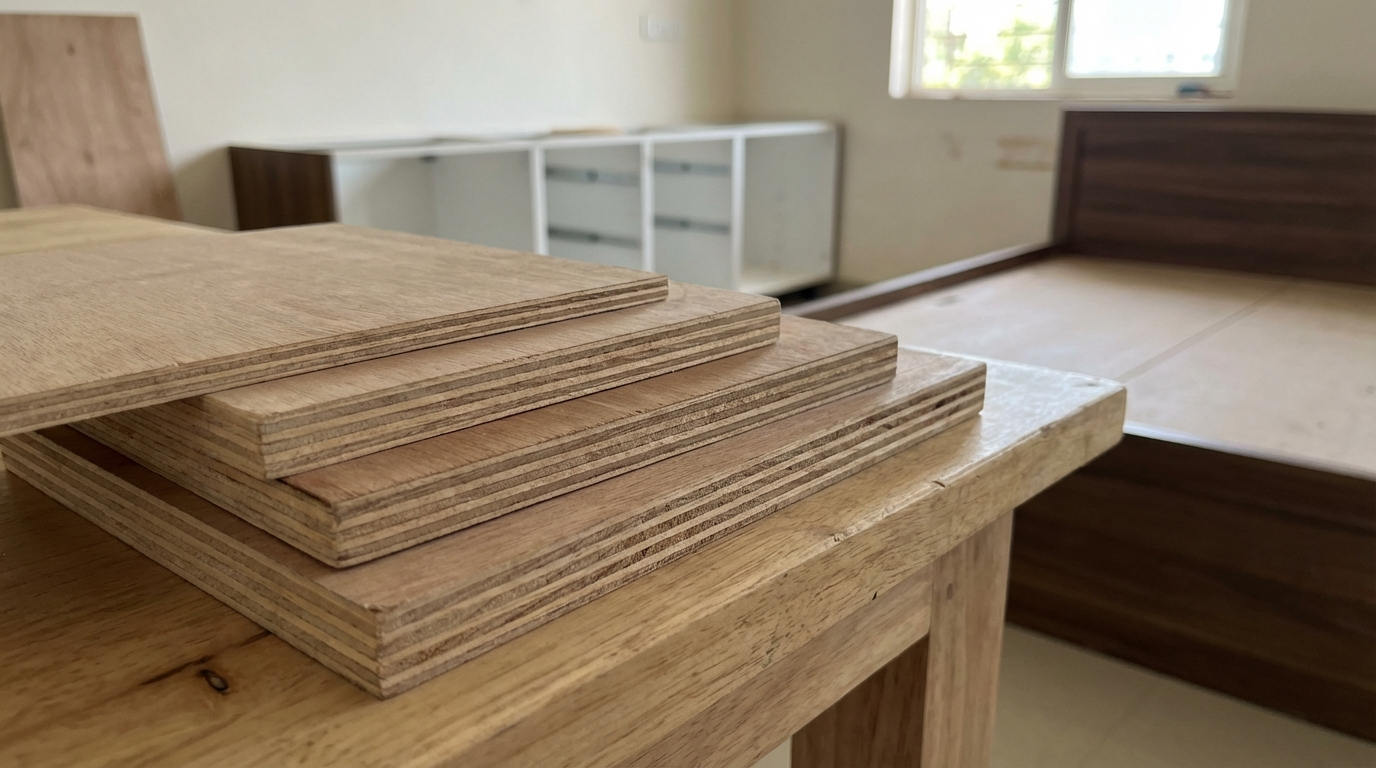
BWP plywood quality varies significantly based on the core veneer species and construction. Premium brands use eucalyptus, gurjan, or other dense hardwoods throughout the core, while budget options may incorporate softer species that compromise screw-holding strength and long-term stability. When inspecting plywood, look at the edge—consistent veneer thickness, absence of voids or gaps between layers, and tight grain structure indicate quality manufacturing.
Buyer Checklist for BWP Plywood
- Verify ISI Mark: Look for the IS 710 stamp with BIS licence number on the face of each sheet
- Check Edge Quality: No voids, gaps, or loose veneers visible at cut edges
- Test Weight: Genuine BWP feels heavier than equivalent MR/BWR due to denser adhesive saturation
- Assess Surface Smoothness: Face veneers should be calibrated for uniform thickness
- Request Test Certificates: Reputable dealers can provide manufacturer test reports
- Compare Brand Reputation: Stick to established manufacturers with warranty support
- Verify Termite Treatment: Essential for coastal and humid regions
When NOT to Choose BWP Plywood
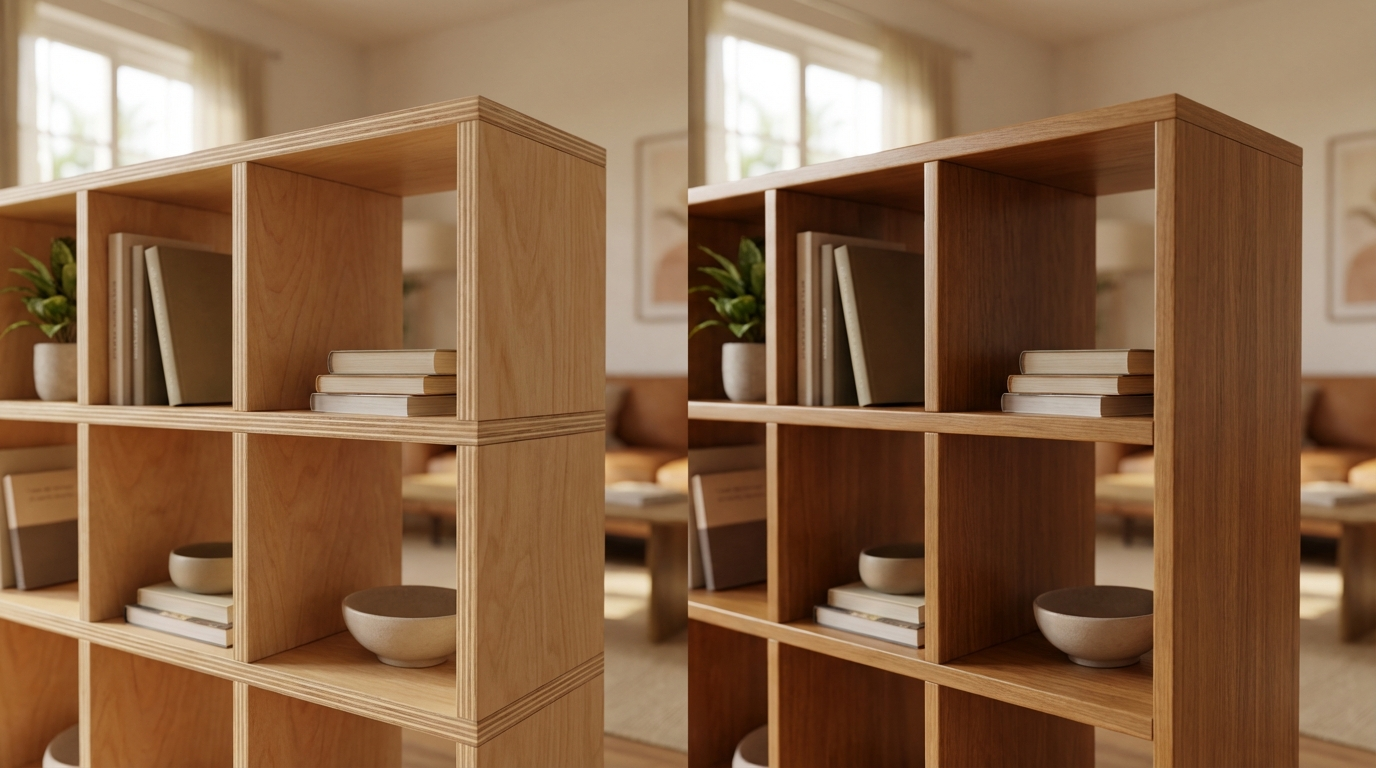
BWP plywood isn't always the right answer. For completely dry interior applications—bedroom furniture, study tables, bookshelves, TV units in air-conditioned rooms—using BWP wastes money without functional benefit. MR or BWR grades perform identically in such environments at 40–50% lower cost. Similarly, if you're building temporary furniture or working with extremely tight budgets for rental properties, BWR may offer better value proposition even for kitchen applications, provided you accept the trade-off in longevity.
Additionally, BWP plywood isn't inherently fire-resistant or termite-proof unless specifically treated. For applications requiring these properties, ensure the specific product carries additional certifications or treatments rather than assuming BWP automatically includes them.
Common Mistakes to Avoid When Buying BWP Plywood
The Indian plywood market's fragmented nature—with hundreds of brands ranging from premium manufacturers to small regional mills—creates opportunities for quality compromises. Understanding common pitfalls helps buyers make informed decisions and avoid expensive failures.
Mistake 1: Trusting "710 BWP" Markings Without Verification
Many lower-grade plywoods carry "710 BWP" or "BWP Grade" stamps that don't indicate actual IS 710 certification. The critical distinction is the ISI mark—the standard mark from BIS along with a licence number (typically CM/L-xxxxxxx format). Without this specific marking, the product hasn't passed BIS testing protocols regardless of what the manufacturer claims. Always ask dealers to show you the ISI stamp location before purchase.
Mistake 2: Ignoring Core Construction Quality
Even genuine BWP plywood varies in quality based on core veneer selection. Budget BWP products may use inferior core species or include veneer layers with excessive voids. While the adhesive might be waterproof, structural integrity suffers. Edge inspection reveals core quality—gaps between layers, inconsistent veneer thickness, or visible repairs indicate compromised construction.
Mistake 3: Skipping the Water Drop Test
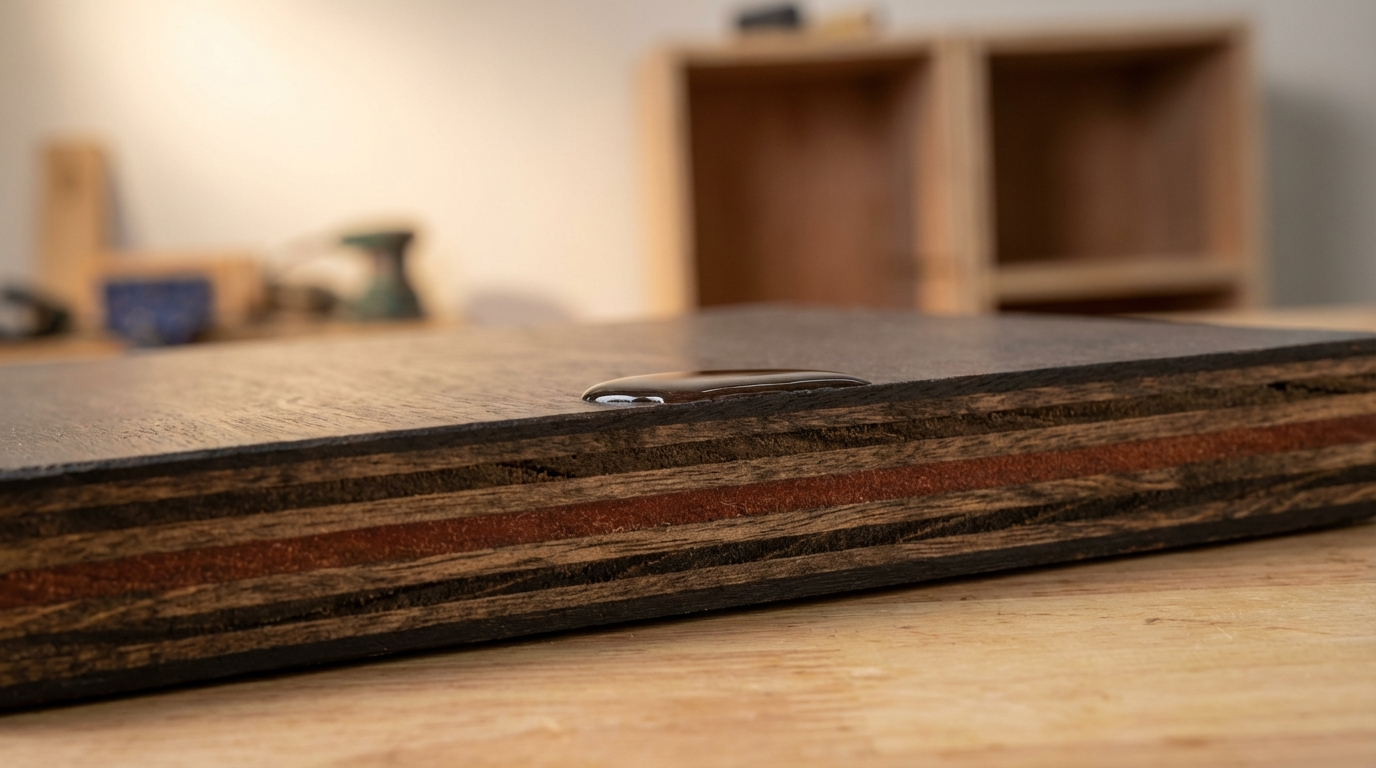
A simple field test involves placing water drops on the plywood surface and observing absorption. Genuine BWP with proper resin saturation shows minimal absorption even after 15–20 minutes, while inferior products absorb water relatively quickly. While not definitive, this test helps identify obviously sub-standard products at the dealer showroom.
Mistake 4: Overlooking Edge Sealing Requirements
BWP plywood's waterproof properties apply primarily to the bonded veneer structure—cut edges remain vulnerable to moisture wicking. Without proper edge-banding or sealing, water can penetrate through exposed edges over time. Many furniture failures attributed to "bad plywood" actually result from improper edge finishing. Ensure your carpenter uses appropriate edge-banding techniques, especially for sink and wet-area cabinets.
Mistake 5: Assuming All BWP Includes Termite Treatment
Waterproofing and termite resistance are separate properties requiring different treatments. While many premium BWP products include chemical termite treatment, it's not universal. In termite-prone regions (much of peninsular and eastern India), specifically verify termite treatment claims and look for additional certifications on the product.
Quick Inspection Checks at the Dealer
- Weight Test: Lift two sheets of same thickness—genuine BWP feels notably heavier
- Tap Test: Knock on the surface—solid, consistent sound indicates good core; hollow sounds suggest voids
- Flex Test: Slight bending shouldn't produce cracking sounds from quality plywood
- Visual Edge Check: No gaps, consistent layer thickness, tight veneer bonding
- Surface Scratch: Face veneer shouldn't flake or powder when scratched with fingernail
Price Guide: BWP Plywood Costs Across India
BWP plywood pricing varies significantly based on multiple factors—thickness, brand positioning, regional availability, and local market conditions. The following guide provides realistic ranges based on typical Indian market conditions as of early 2025.
| Thickness | Economy Brands (₹/sq ft) | Mid-Range Brands (₹/sq ft) | Premium Brands (₹/sq ft) |
|---|---|---|---|
| 6mm | ₹35–45 | ₹45–60 | ₹60–80 |
| 12mm | ₹55–70 | ₹70–95 | ₹95–130 |
| 18mm/19mm | ₹90–110 | ₹110–140 | ₹140–180 |
| 25mm | ₹120–145 | ₹145–180 | ₹180–220 |
Factors Affecting BWP Plywood Prices
Brand Tier: Established national brands like Greenply, Century, Kitply, and Austin Plywood command premium pricing due to consistent quality control, warranty support, and certification compliance. Regional brands offer lower prices but with variable quality and limited recourse if issues arise.
City and Region: Metro cities typically have competitive pricing due to dealer competition and efficient supply chains. Tier-2 and Tier-3 cities may see 10–15% higher prices due to transportation costs and limited dealer options. Coastal areas like Mumbai, Chennai, and Kerala often have better BWP availability given higher local demand.
Core Species: Eucalyptus-core BWP costs less than gurjan or other premium hardwood cores. The trade-off appears in screw-holding capacity and long-term structural stability under load.
GST and Transport: The 18% GST on plywood plus variable transport costs (significant for bulky 8x4 sheets) adds substantially to landed costs. Buying from authorized dealers with proper GST billing ensures warranty validity and reduces risk of counterfeit products.
Budget Allocation Recommendations
For a typical modular kitchen project covering 100–120 sq ft of plywood (carcass, shutters, and accessories), expect to allocate ₹12,000–18,000 for mid-range BWP plywood alone—excluding laminates, hardware, and labour. Bathroom vanities typically require 15–25 sq ft per unit. Planning material budgets accurately requires measuring actual requirements and adding 10% wastage allowance for cuts and fitting adjustments.
BWP Plywood Applications: Where IS 710 Grade Makes the Difference
Understanding where BWP plywood delivers genuine value—versus where it's overkill—helps optimize project budgets while ensuring durability where it matters most.
Kitchen Applications
Kitchens represent the primary residential application for BWP plywood in India. The combination of water exposure (sink areas, wet utensils, occasional spills), steam and humidity (cooking activities), and heat (proximity to gas burners) creates demanding conditions. For under-sink cabinets, BWP is non-negotiable—water leaks from pipes or drainage issues will destroy MR/BWR plywood within months. Kitchen base units, countertop supports, and tall units also benefit from BWP's moisture resistance, especially in homes without exhaust chimneys where cooking humidity accumulates.
Bathroom Applications
Bathroom vanities, storage cabinets, and false ceiling frameworks require BWP grade due to constant humidity exposure and occasional direct water contact. Even with good ventilation, bathroom humidity levels far exceed what MR or BWR grades can handle long-term. Marine-grade BWP ensures structural integrity even when water occasionally splashes onto cabinet surfaces or humidity levels spike during showers.
Marine and Outdoor Applications
IS 710 specification originated for marine applications—boat hulls, deck structures, and dock installations where continuous water contact is unavoidable. While residential applications don't typically match marine severity, outdoor furniture, garden structures, and balcony installations in Indian monsoon conditions approach marine-like exposure levels. BWP plywood (with appropriate finishing and sealing) performs reliably in such settings.
Specialized Interior Applications
Beyond obvious wet areas, BWP plywood suits specific interior applications: washing machine enclosures, utility rooms, covered balcony furniture, and wardrobes in coastal homes where ambient humidity regularly exceeds 80%. In air-conditioned spaces with controlled humidity, such applications could use BWR instead, but the modest premium for BWP provides insurance against air-conditioning failures or seasonal variations.
Frequently Asked Questions
What is the full form of BWP plywood?
BWP stands for Boiling Water Proof plywood. This designation indicates the highest grade of water-resistant plywood manufactured in India, capable of withstanding prolonged immersion in boiling water (72+ hours) without delamination or structural failure. BWP plywood uses phenol-formaldehyde resin as the adhesive, which creates permanent waterproof bonds between veneer layers. The IS 710 standard from BIS governs BWP plywood specifications, ensuring products meet stringent quality parameters for marine and high-moisture applications.
Which is better: BWP or BWR plywood for kitchen?
For kitchen applications, BWP plywood is definitively better than BWR, especially for base units, under-sink cabinets, and areas near the cooking range where moisture and humidity exposure is significant. BWP can handle direct water contact that would damage BWR over time. However, for upper kitchen cabinets and pantry units away from direct water sources, BWR provides adequate performance at lower cost. Many contractors recommend BWP throughout the kitchen for uniform longevity, while budget-conscious buyers can selectively use BWP for high-risk areas and BWR elsewhere.
Is BWP plywood completely waterproof?
BWP plywood is waterproof in terms of the adhesive bond between veneer layers—these bonds won't fail even under sustained water immersion. However, the wood veneers themselves can absorb moisture if exposed without protective finishing. This means unsealed BWP plywood edges can still absorb water over time, potentially causing localised swelling. For complete water protection, BWP plywood must be finished with appropriate sealers, laminates, or edge-banding. The waterproof property ensures structural integrity, but surface protection remains essential for long-term performance.
How to check if plywood is genuine IS 710 certified?
Genuine IS 710 certified plywood carries the BIS standard mark (ISI logo) along with a specific licence number in the format CM/L-xxxxxxx stamped on each sheet. This marking should be clearly visible and permanent, not easily removable. Additionally, check for the manufacturer's name, thickness specification, and grade declaration on the sheet. Request the dealer to show test certificates from BIS-accredited laboratories if available. Reputable brands maintain certification transparency—their websites often list licence numbers that can be verified against BIS records for authenticity.
What is the price of BWP plywood per sq ft in India?
BWP plywood prices range from ₹90 to ₹160 per square foot for the commonly used 18mm/19mm thickness, depending on brand tier and regional availability. Economy brands start around ₹90–110, mid-range established brands fall in the ₹110–140 range, and premium brands with superior core construction reach ₹140–180 per square foot. Thinner variants (6mm, 12mm) cost proportionally less, while 25mm BWP for heavy-duty applications costs more. Prices vary by 10–15% between metros and smaller cities due to transport and dealer margin differences.
Can BWP plywood be used for outdoor furniture?
BWP plywood can be used for outdoor furniture with proper finishing and protection. The waterproof adhesive ensures structural integrity even under rain exposure, but the wood veneers require sealing to prevent moisture absorption and subsequent warping. Apply exterior-grade wood sealers or marine varnishes to all surfaces and edges before outdoor use. Additionally, raise furniture off ground contact to prevent moisture wicking from below. Even with protection, outdoor BWP furniture in direct monsoon exposure may have shorter lifespans than solid teak or synthetic alternatives.
What is the difference between IS 710 and IS 303 plywood?
IS 710 is the Indian Standard specifically for marine-grade (BWP) plywood designed for extreme moisture and water exposure applications. IS 303 covers general-purpose plywood including MR (Moisture Resistant), BWR (Boiling Water Resistant), and recently added BWP grades intended for interior use. While both IS 710 and IS 303 BWP use phenol-formaldehyde resin, IS 710 specifies more stringent testing protocols and quality requirements suited for marine applications. For residential kitchens and bathrooms, IS 710 plywood provides the highest assurance of water resistance and durability.
Does BWP plywood have termite resistance?
BWP plywood is not inherently termite-resistant—the waterproof property addresses moisture, not pest resistance. However, most quality BWP plywood manufacturers include chemical termite treatment during manufacturing, especially for products marketed in termite-prone regions of India. This treatment typically involves boric acid or other preservatives applied during the veneer preparation stage. When purchasing BWP plywood, specifically verify termite treatment if your location has termite risk. Look for "termite resistant" or "borer proof" claims on product specifications, and prefer brands that explicitly certify anti-termite treatment.
Disclaimer: This content is provided for general informational purposes based on industry practices and publicly available information. Product specifications, standards, prices, and availability may vary by manufacturer, region, and time. Readers should independently verify details with manufacturers, dealers, or qualified professionals before making purchase or construction decisions.
Want Plywood Suggestions?
Share a few details and a Apple Ply specialist will suggest suitable brands and connect you to responsive dealers.